JD.com Plans to Replace 700,000 Delivery Workers with AI Robots, Launches Retraining Program

Thumbnail Image

The information displayed in the AIM should not be reported as representing the official views of the OECD or of its member countries.

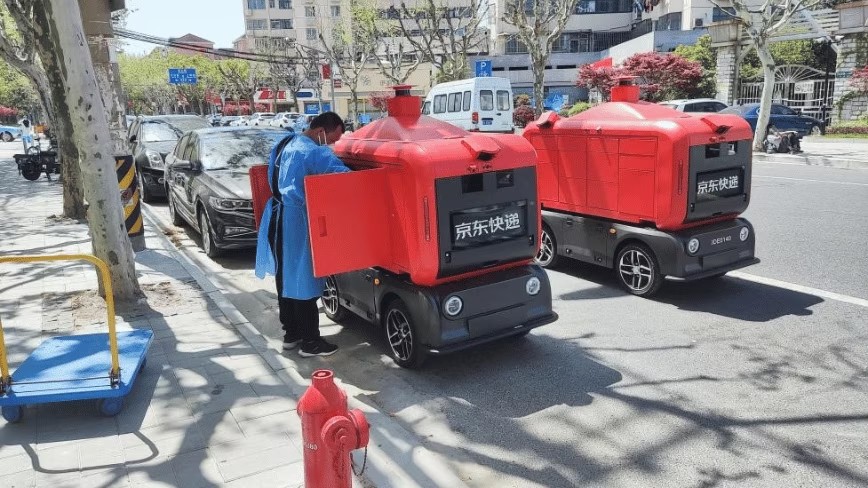
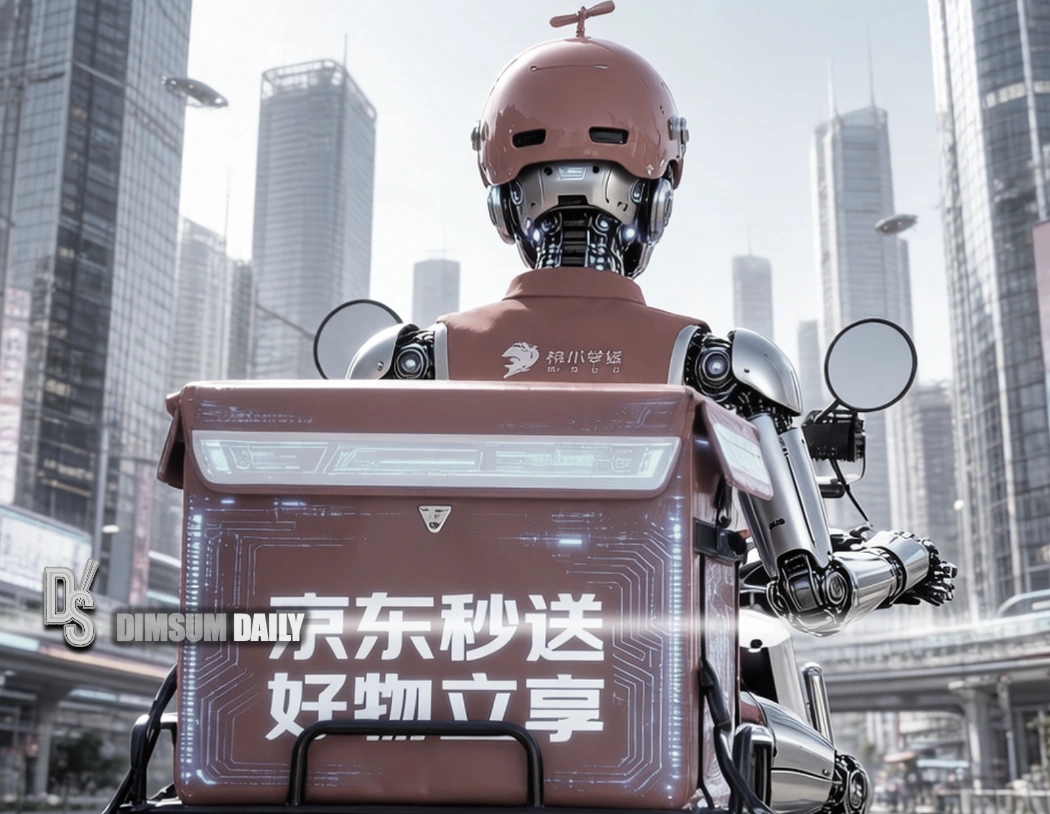
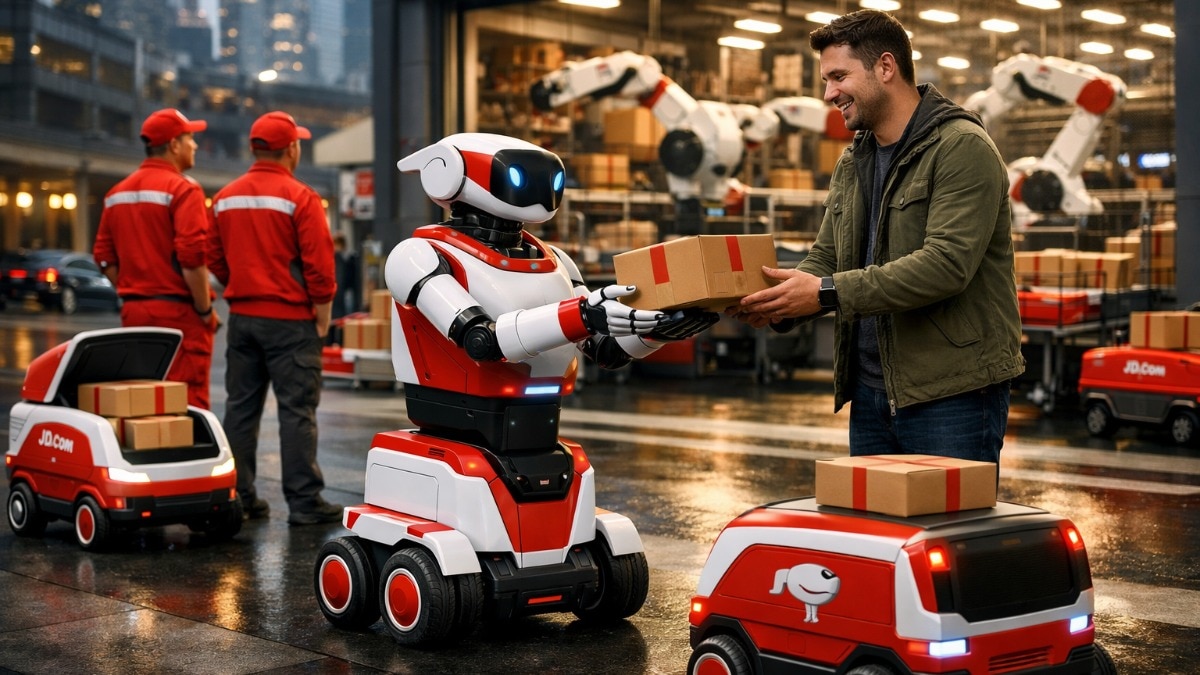
JD.com founder Richard Liu announced that the company will eventually replace its 700,000 delivery workers with AI-powered robots, acknowledging the risk of large-scale job displacement. To mitigate this, JD.com has launched the "Nirvana Plan" to retrain affected employees in robot maintenance and servicing through partnerships with 120 schools across China.[AI generated]

Why's our monitor labelling this an incident or hazard?

The article involves AI systems in the form of autonomous delivery robots, whose deployment is planned and underway in pilot projects. The harm described is potential job displacement affecting hundreds of thousands of workers, which is a significant societal harm. Since the harm is not yet realized but is a credible and foreseeable consequence of the AI system's use, this fits the definition of an AI Hazard. There is no indication that harm has already occurred directly due to AI system malfunction or misuse, so it is not an AI Incident. The article is not merely general AI news or a response to an incident, so it is not Complementary Information. Hence, AI Hazard is the appropriate classification.[AI generated]
AI principles
FairnessHuman wellbeing

Industries
Logistics, wholesale, and retail

Affected stakeholders
Workers

Harm types
Economic/Property

Severity
AI hazard

Business function:
Logistics

AI system task:
Recognition/object detectionGoal-driven organisation


Articles about this incident or hazard

Thumbnail Image

Robots will soon replace 7 lakh delivery workers, JD.com founder says

2026-06-22
India Today
Why's our monitor labelling this an incident or hazard?
The article involves AI systems in the form of autonomous delivery robots, whose deployment is planned and underway in pilot projects. The harm described is potential job displacement affecting hundreds of thousands of workers, which is a significant societal harm. Since the harm is not yet realized but is a credible and foreseeable consequence of the AI system's use, this fits the definition of an AI Hazard. There is no indication that harm has already occurred directly due to AI system malfunction or misuse, so it is not an AI Incident. The article is not merely general AI news or a response to an incident, so it is not Complementary Information. Hence, AI Hazard is the appropriate classification.
Thumbnail Image

JD CEO Warns 700,000 Delivery Workers Will Be Replaced By Robots "Sooner Or Later"

2026-06-22
ZeroHedge
Why's our monitor labelling this an incident or hazard?
The event involves the use and development of AI systems in robotics for delivery tasks, which is explicitly mentioned. The CEO's warning and the analyst notes indicate a credible and foreseeable risk of large-scale job displacement, which constitutes harm to communities and individuals' livelihoods. However, the article describes this as a future scenario rather than a current incident. Therefore, it fits the definition of an AI Hazard, as the AI system's use could plausibly lead to significant harm but has not yet directly or indirectly caused it.
Thumbnail Image

JD.com robots will replace its 700,000 couriers

2026-06-22
The Next Web
Why's our monitor labelling this an incident or hazard?
The article explicitly mentions the use of robots (which involve AI systems for autonomous delivery) to replace a large number of human couriers. Although the company is proactively planning retraining programs, the replacement of 700,000 jobs with AI-driven robots plausibly leads to significant harm to labor rights and communities if retraining is insufficient or fails to keep pace with automation. No actual harm has yet occurred, but the credible risk of job loss and economic disruption qualifies this as an AI Hazard rather than an AI Incident. The article does not focus on a realized harm or incident but on the potential impact and plans to address it.
Thumbnail Image

JD.com founder says delivery workers will no longer be needed in future · TechNode

2026-06-22
TechNode
Why's our monitor labelling this an incident or hazard?
The article discusses the anticipated replacement of delivery workers by AI-powered robots, which is a clear example of AI system use with potential labor market harm. Since the harm (job loss) is not yet realized but is plausible in the future, this qualifies as an AI Hazard. The company's mitigation efforts are noted but do not negate the plausible risk of harm from AI-driven automation.
Thumbnail Image

Robots Will Replace 700,000 Delivery Workers, JD.com Founder Says

2026-06-22
supplychain247.com
Why's our monitor labelling this an incident or hazard?
The event involves AI systems in the form of delivery robots that are expected to replace human workers in the future. While this implies a significant potential impact on employment (a form of social and economic harm), the article does not describe any realized harm or incident but rather a plausible future scenario. Therefore, this qualifies as an AI Hazard because the development and deployment of AI-powered delivery robots could plausibly lead to significant harm (job displacement) in the future. The article also highlights mitigation efforts (retraining), but the primary focus is on the potential future impact rather than an existing incident or complementary information about responses to harm already occurred.
Thumbnail Image

JD.com to retrain 700,000 as delivery robots loom

2026-06-22
Dimsum Daily
Why's our monitor labelling this an incident or hazard?
The event involves the use and deployment of AI systems (autonomous delivery robots and AI stacks) that will replace human workers, posing a credible risk of harm through job displacement and social disruption. Although the company is proactively addressing this with retraining programs, the potential for significant harm remains plausible. No actual harm has yet occurred as described, so it is not an AI Incident. The article focuses on the future risk and mitigation plans rather than reporting realized harm or legal/governance responses, so it is not Complementary Information. Hence, the classification as AI Hazard is appropriate.
Thumbnail Image

JD.com founder says robots could replace all 700,000 delivery workers

2026-06-22
Canadian HR Reporter
Why's our monitor labelling this an incident or hazard?
The article explicitly involves AI systems (robots, autonomous vehicles, drones) intended to replace human delivery workers, which fits the definition of AI systems. The event concerns the use and development of these AI systems and their potential to disrupt employment, which could plausibly lead to harm (loss of jobs, economic harm to workers). However, the article mainly discusses plans, policies, and protective measures without reporting actual harm or incidents. Thus, it qualifies as an AI Hazard due to the credible risk of future harm from AI-driven automation in delivery services and labor displacement, but not an AI Incident since no harm has yet materialized.