China Imposes Export Controls on US AI-Related Defense Firms

Thumbnail Image

The information displayed in the AIM should not be reported as representing the official views of the OECD or of its member countries.

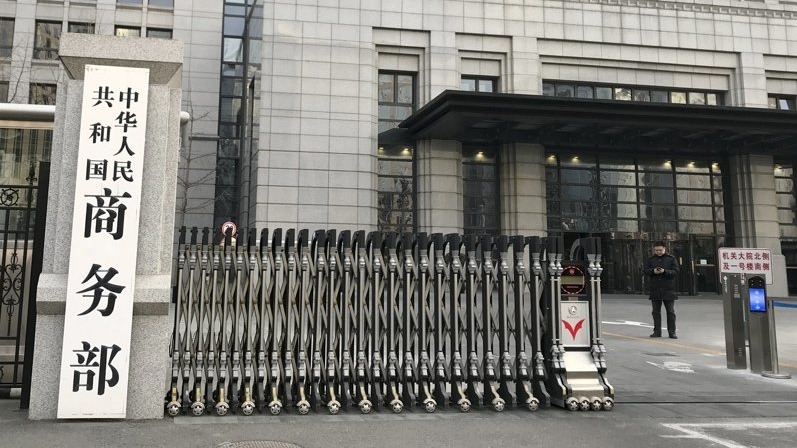
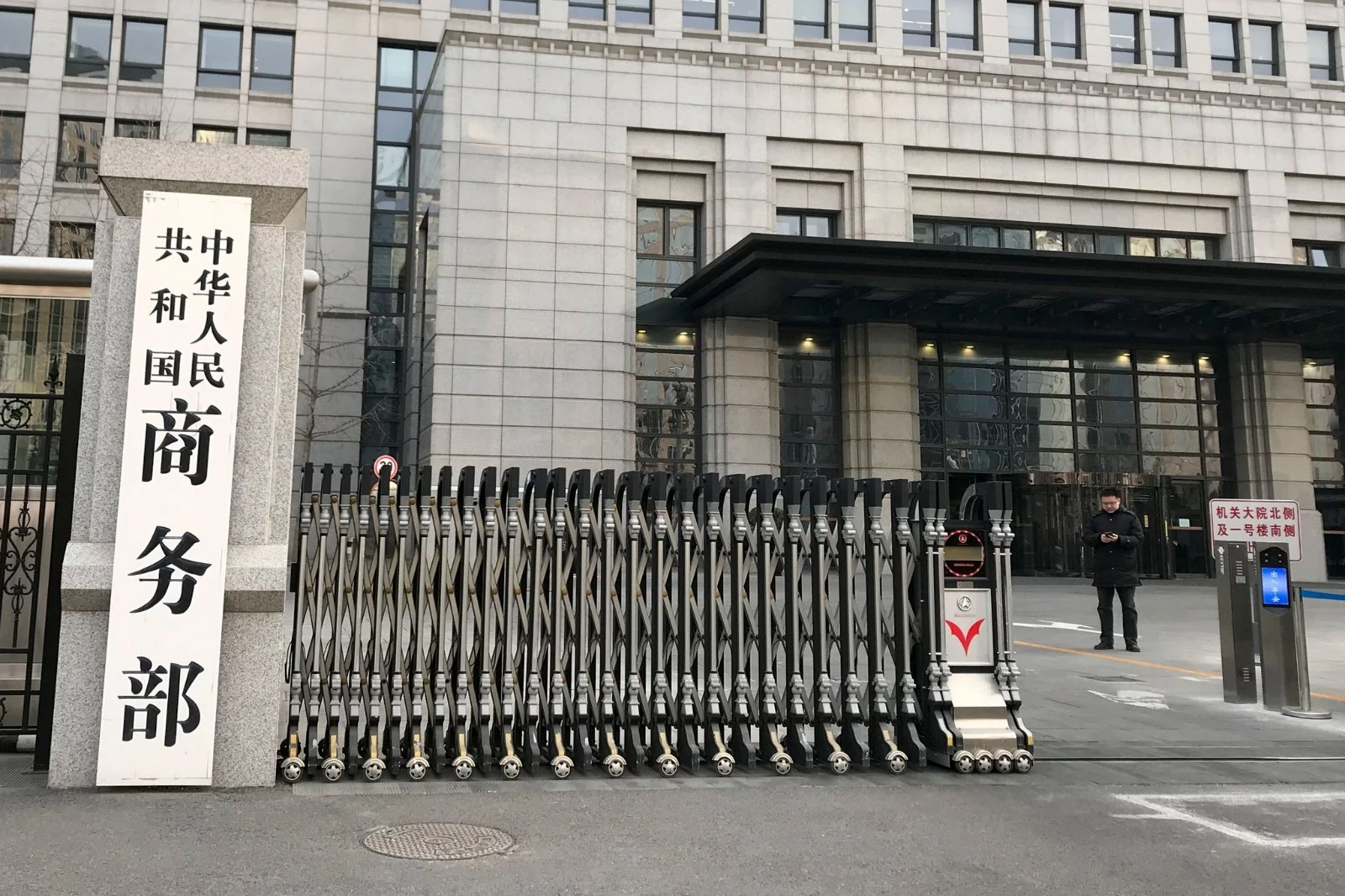
China's Ministry of Commerce has placed 10 US companies, including drone, robotics, and aerospace firms, on an export control list, banning the export of dual-use items to these entities. The move targets AI-enabled military technologies, aiming to disrupt US defense supply chains and mitigate potential future risks related to AI system misuse.[AI generated]

Why's our monitor labelling this an incident or hazard?

The event involves AI systems implicitly through the mention of drone and robotics companies, which typically use AI for autonomous functions. The export control is a preventive measure to avoid potential harms such as military misuse or proliferation risks, which could lead to harm to national security or other harms if these AI systems were misused. Since no actual harm has occurred yet, and the event is about regulatory action to prevent such harm, it fits the definition of an AI Hazard. It is not Complementary Information because it is not an update or response to a past incident, nor is it unrelated as it clearly involves AI-related technologies and their control.[AI generated]
Industries
Government, security, and defenceRobots, sensors, and IT hardware

Affected stakeholders
Business

Harm types
Other

Severity
AI hazard

AI system task:
Other


Articles about this incident or hazard

Thumbnail Image

陸反制數十家美企 陸專家:源頭阻斷域外武裝台獨

2026-06-23
UDN
Why's our monitor labelling this an incident or hazard?
Although the event involves military drones and autonomous combat technologies, which likely incorporate AI systems, the article does not report any incident or harm caused by AI systems, nor does it indicate a plausible future harm directly linked to AI malfunction or misuse. Instead, it reports government-imposed export controls and procurement bans as a political and strategic measure. Therefore, this event is best classified as Complementary Information, providing context on AI-related technologies within a geopolitical framework but not describing an AI Incident or AI Hazard.
Thumbnail Image

大陸商務部:將10家美國實體列入出口管制管控名單

2026-06-22
UDN
Why's our monitor labelling this an incident or hazard?
The event involves AI systems implicitly through the mention of drone and robotics companies, which typically use AI for autonomous functions. The export control is a preventive measure to avoid potential harms such as military misuse or proliferation risks, which could lead to harm to national security or other harms if these AI systems were misused. Since no actual harm has occurred yet, and the event is about regulatory action to prevent such harm, it fits the definition of an AI Hazard. It is not Complementary Information because it is not an update or response to a past incident, nor is it unrelated as it clearly involves AI-related technologies and their control.
Thumbnail Image

中國出手反擊!10美國實體遭列出口管制 46企業被踢出採購名單

2026-06-22
NOWnews 今日新聞
Why's our monitor labelling this an incident or hazard?
The article involves AI-relevant technologies (e.g., drones, dual-use software/technology) and their export controls, which relate to AI system development and use in military and civilian contexts. However, it does not report any actual or potential harm caused by AI systems, nor does it describe an incident or hazard involving AI malfunction or misuse. Instead, it reports on government policy measures and geopolitical responses, which are governance and ecosystem context rather than incidents or hazards. Hence, the classification as Complementary Information is appropriate.
Thumbnail Image

中國將10家美企列管制名單 禁出口軍民兩用物項

2026-06-22
Central News Agency
Why's our monitor labelling this an incident or hazard?
The event involves AI-related technologies (e.g., drones, robotics, aerospace) that likely incorporate AI systems, but the article focuses on export control measures and restrictions rather than any realized or potential harm caused by AI systems. There is no indication of an AI system malfunction, misuse, or harm to persons, infrastructure, rights, property, or communities. The event is a policy and regulatory development reflecting geopolitical tensions and export controls, which fits the definition of Complementary Information as it provides context and governance response related to AI technologies without describing an AI Incident or AI Hazard.
Thumbnail Image

中國反制:禁向56家美企出口產品或採購物品 多涉國防丶航太及稀土企業

2026-06-22
RFI
Why's our monitor labelling this an incident or hazard?
The article involves companies producing advanced technologies such as drones and robotics, which almost certainly involve AI systems. The export controls and procurement bans are intended to prevent these AI-enabled technologies from being used in ways that could harm national security or escalate military conflicts. Although no direct AI-related harm or incident is described, the measures reflect concerns about plausible future harms from AI systems in defense and dual-use contexts. Hence, this is an AI Hazard rather than an AI Incident or Complementary Information. It is not unrelated because AI systems are reasonably inferred to be involved in the technologies targeted by the sanctions.
Thumbnail Image

商務部:10家美國實體列入出口管制管控名單

2026-06-22
香港經濟日報 hket.com
Why's our monitor labelling this an incident or hazard?
The event involves AI-related technologies (drones, aerospace) and export controls aimed at preventing potential misuse that could lead to harm, fitting the definition of an AI Hazard. There is no indication of actual harm or incident caused by AI systems at this time, so it is not an AI Incident. It is not merely complementary information because the main focus is on the regulatory action addressing potential risks, not on updates or responses to past incidents. It is not unrelated because the entities involved are connected to AI-enabled technologies with potential security implications.
Thumbnail Image

商務部:10家美國實體列入出口管制管控名單 (09:52) - 20260622 - 兩岸

2026-06-22
明報新聞網 - 即時新聞 instant news
Why's our monitor labelling this an incident or hazard?
The article involves entities that likely develop or use AI-enabled dual-use technologies (e.g., drones, robotics), so AI systems are reasonably inferred. The action is a preventive regulatory measure to control exports to these entities to avoid potential future harm related to national security and proliferation risks. No actual harm or incident is reported, so this is a plausible future risk scenario rather than a realized incident. Therefore, this event qualifies as an AI Hazard because it reflects a credible risk that the development or use of AI-enabled dual-use technologies by these entities could lead to harm, prompting export controls.
Thumbnail Image

中方反制集中五大領域 精準鎖定美軍工供應鏈要害 | 內地

2026-06-22
hkcna.hk
Why's our monitor labelling this an incident or hazard?
The event involves the use of AI-related technologies such as unmanned systems and robotics, which inherently rely on AI systems for autonomous or semi-autonomous operation. The export controls target entities supplying components and materials essential for these AI-enabled military systems. Although the article does not describe a direct harm event caused by AI malfunction or misuse, the export restrictions are designed to disrupt the development and deployment of AI-enabled military technologies, which could plausibly lead to significant strategic and operational impacts. This constitutes a credible AI Hazard, as the measures could affect the future use and development of AI systems in military contexts, potentially leading to harm or disruption. There is no indication of an actual AI Incident (harm realized) or complementary information about past incidents; rather, this is a policy action with potential future implications related to AI systems in military supply chains.
Thumbnail Image

特稿:中方反制集中五大領域 精準鎖定美軍工供應鏈要害 | 電訊

2026-06-22
hkcna.hk
Why's our monitor labelling this an incident or hazard?
The article explicitly mentions targeting U.S. entities involved in unmanned systems and robotics, which are AI-enabled military technologies. The export controls restrict critical components and materials necessary for these AI systems, potentially disrupting their operation and development. While no direct harm has yet occurred, the measures could plausibly lead to disruption of critical military infrastructure and capabilities, which fits the definition of an AI Hazard. There is no indication of an actual incident or realized harm, so it is not an AI Incident. The article is not merely complementary information or unrelated, as it describes a concrete government action with plausible future harm linked to AI systems.
Thumbnail Image

信報即時新聞 - 中國財經 - 中國商務部將10家美國實體列入出口管制管控名單 - 信報網站 hkej.com

2026-06-22
信報網站 hkej.com
Why's our monitor labelling this an incident or hazard?
While the article involves companies producing drones and military-related technologies, it does not describe any specific AI system malfunction, use, or development causing harm or posing a direct or plausible future risk of harm. The export control listing is a regulatory and geopolitical action rather than an event involving AI system use or malfunction leading to harm or plausible harm. There is no indication that AI systems themselves are directly involved or that the event has caused or could plausibly cause AI-related harm. Therefore, this is best classified as Complementary Information providing context on AI-related ecosystem developments (e.g., military technology and export controls) without describing an AI Incident or AI Hazard.
Thumbnail Image

劍指美國軍工供應鏈!中國商務部封殺10家企業 涵蓋無人機與稀土巨頭

2026-06-22
upmedia.mg
Why's our monitor labelling this an incident or hazard?
The article details export control measures targeting companies involved in AI-enabled military technologies, such as autonomous drones and robotics, and critical materials for defense. While these technologies involve AI systems, the event itself is about regulatory restrictions and geopolitical strategy rather than an AI system causing or potentially causing harm. There is no direct or indirect harm reported, nor a plausible future harm from AI system malfunction or misuse described. The event informs about governance actions affecting AI-related sectors, fitting the definition of Complementary Information rather than an Incident or Hazard.