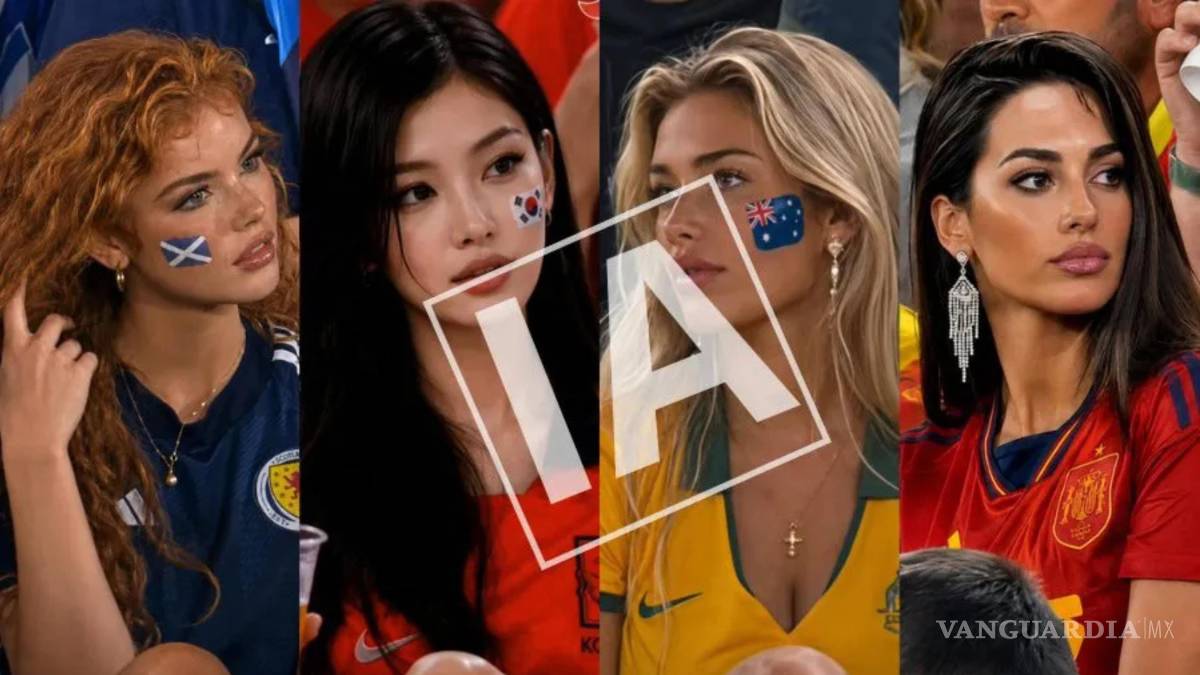
AI-Generated Videos Sexualize Women During 2026 World Cup

Thumbnail Image

The information displayed in the AIM should not be reported as representing the official views of the OECD or of its member countries.

Generative AI is used on social media to create synthetic videos of supposed female fans at the 2026 World Cup, classified by nationality and sexualized stereotypes. Over twenty accounts regularly publish these misleading videos, spreading gender-based disinformation, objectifying women, and monetizing harmful content.[AI generated]

Why's our monitor labelling this an incident or hazard?

The article explicitly mentions the use of generative AI to create synthetic videos that sexualize and stereotype women by nationality, which is a form of gender-based disinformation and objectification. This use of AI has directly led to harm by reinforcing harmful societal stereotypes and contributing to misogyny and unrealistic beauty standards, which affect communities and violate rights related to gender dignity. The AI system's development and use are central to the creation and spread of this harmful content. Hence, the event meets the criteria for an AI Incident as it involves realized harm caused directly by AI-generated content.[AI generated]
AI principles
FairnessRespect of human rights

Industries
Media, social platforms, and marketing

Affected stakeholders
Women

Harm types
PsychologicalReputationalHuman or fundamental rights

Severity
AI incident

Business function:
Marketing and advertisement

AI system task:
Content generationRecognition/object detection


Articles about this incident or hazard

Thumbnail Image

Falsas aficionadas del Mundial: cómo la IA sexualiza a mujeres por nacionalidades en redes

2026-06-23
infobae
Why's our monitor labelling this an incident or hazard?
The article explicitly mentions the use of generative AI to create synthetic videos that sexualize and stereotype women by nationality, which is a form of gender-based disinformation and objectification. This use of AI has directly led to harm by reinforcing harmful societal stereotypes and contributing to misogyny and unrealistic beauty standards, which affect communities and violate rights related to gender dignity. The AI system's development and use are central to the creation and spread of this harmful content. Hence, the event meets the criteria for an AI Incident as it involves realized harm caused directly by AI-generated content.
Thumbnail Image

Cómo la IA sexualiza a mujeres por nacionalidades en redes

2026-06-23
Mundo Deportivo
Why's our monitor labelling this an incident or hazard?
The article explicitly mentions the use of generative AI to create synthetic videos that sexualize women and reinforce harmful stereotypes, which is a direct use of AI systems. The harm is realized as these videos spread disinformation, objectify women, and exacerbate racial and gender stereotypes, causing social harm to communities and violating rights related to gender equality and dignity. The involvement of AI in generating and animating these videos is central to the harm described. The monetization aspect further indicates exploitation and harm. Thus, the event meets the criteria for an AI Incident as the AI system's use has directly led to significant harm to communities and violation of rights.
Thumbnail Image

Falsas 'fancams' del Mundial 2026 usan IA para sexualizar aficionadas

2026-06-24
Vanguardia
Why's our monitor labelling this an incident or hazard?
The event involves the use of generative AI systems to create synthetic videos that misrepresent reality and sexualize women under stereotyped portrayals. This use of AI directly causes harm by spreading gender-based disinformation and reinforcing harmful societal stereotypes, which qualifies as harm to communities. Additionally, the monetization aspect indicates economic harm. Therefore, this qualifies as an AI Incident because the AI system's use has directly led to significant harm as defined in the framework.
Thumbnail Image

Falsas aficionadas del Mundial: cómo la IA sexualiza a mujeres con estereotipos añadidos

2026-06-23
naiz:
Why's our monitor labelling this an incident or hazard?
The article explicitly mentions the use of AI generative tools to create synthetic videos that sexualize and stereotype women, which is a form of gender-based disinformation and digital misogyny. This causes harm to communities by reinforcing harmful stereotypes and objectifying women, which fits the definition of harm to communities under AI Incident criteria. The AI systems' use in generating and spreading these videos directly leads to this harm. Hence, this qualifies as an AI Incident rather than a hazard or complementary information.
Thumbnail Image

Falsas aficionadas del Mundial 2026: cómo la IA sexualiza a mujeres en redes

2026-06-24
López-Dóriga Digital
Why's our monitor labelling this an incident or hazard?
The article explicitly mentions the use of generative AI to create synthetic videos that sexualize and objectify women, spreading false and harmful representations. The harm is realized as these videos contribute to gender-based disinformation, reinforce harmful stereotypes, and exploit women as objects for monetization. The AI systems' use in generating and animating these videos is central to the harm. This fits the definition of an AI Incident because the AI system's use has directly led to harm to communities and violations of rights related to gender and representation.
Thumbnail Image

Falsas aficionadas del Mundial: cómo la IA sexualiza a mujeres por nacionalidades en redes - Proceso Digital

2026-06-23
Proceso Hn
Why's our monitor labelling this an incident or hazard?
The event involves the use of generative AI systems to create synthetic videos that sexualize and stereotype women by nationality, which is a form of gender-based disinformation and digital objectification. This use of AI directly leads to harm to communities and individuals by reinforcing harmful stereotypes and contributing to misogyny and disinformation. The article explicitly links the AI-generated content to these harms and the monetization of such content, confirming realized harm rather than potential harm. Therefore, this qualifies as an AI Incident under the framework, as the AI system's use has directly led to significant harm to communities and violations of rights related to gender and representation.