Ford Rehires Veteran Engineers After AI Quality Control Failures Lead to Recalls and Safety Issues

Thumbnail Image

The information displayed in the AIM should not be reported as representing the official views of the OECD or of its member countries.

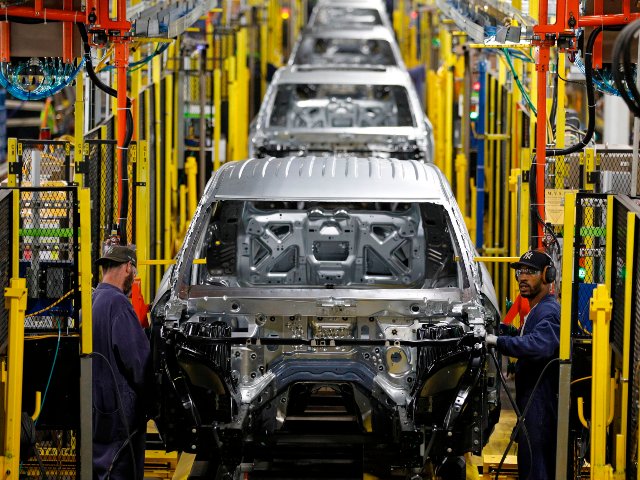
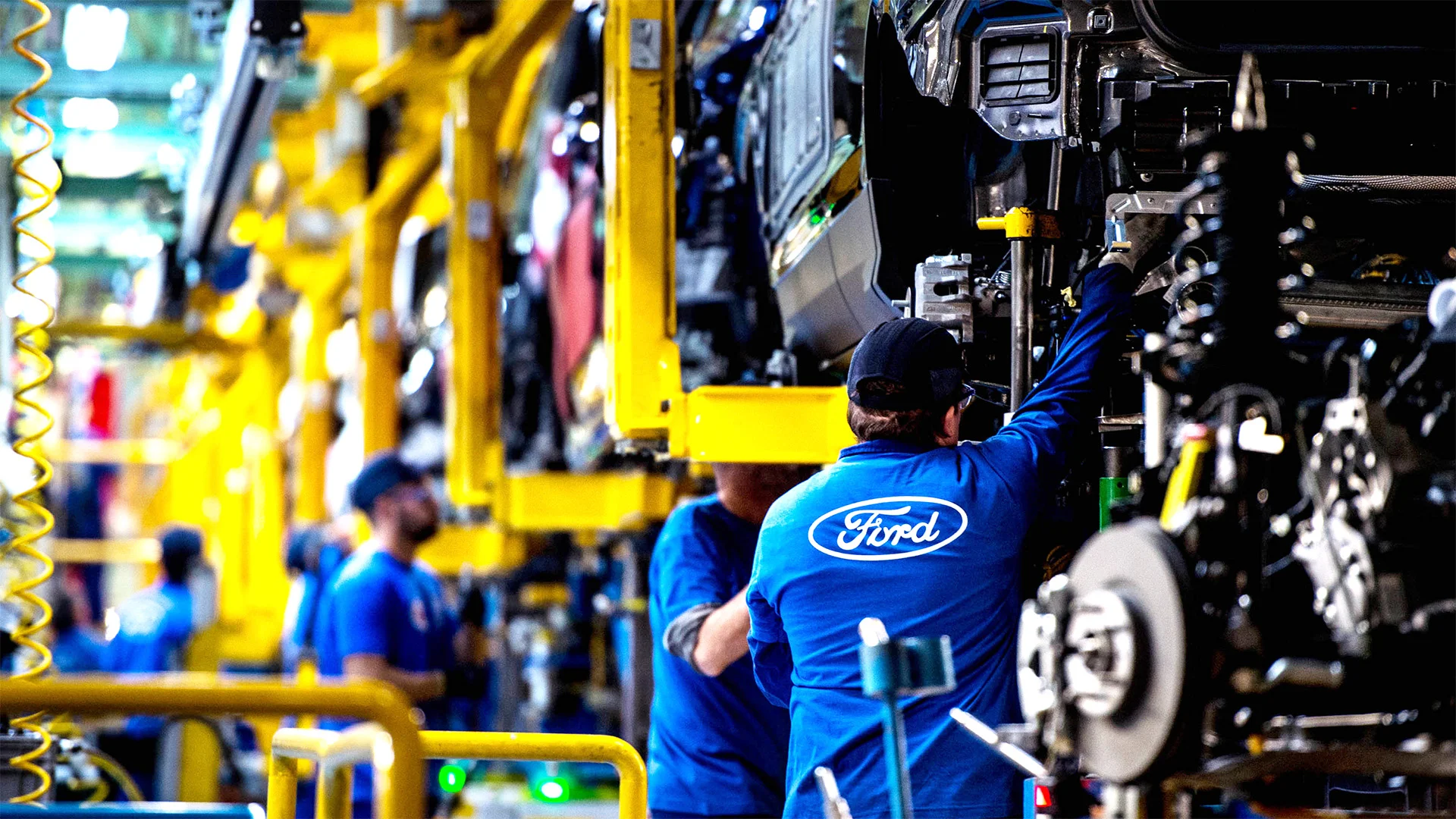
Ford Motor Company replaced experienced engineers with AI-driven quality control and diagnostic systems, resulting in significant quality issues, 94 recalls, and safety incidents. The company rehired 350 veteran engineers to retrain staff and reprogram AI tools, highlighting the AI systems' failure to match human expertise and prevent harm.[AI generated]

Why's our monitor labelling this an incident or hazard?

The article explicitly mentions that AI and automation mistakes undermined vehicle quality, leading Ford to hire more humans to correct these errors. This shows the AI system's use directly contributed to harm (quality defects) that affected the vehicles, which is harm to property and consumers. Therefore, this qualifies as an AI Incident due to the realized harm caused by the AI system's malfunction or misapplication in production processes.[AI generated]
AI principles
SafetyRobustness & digital security

Industries
Mobility and autonomous vehiclesRobots, sensors, and IT hardware

Affected stakeholders
ConsumersBusiness

Harm types
Physical (injury)Economic/PropertyReputational

Severity
AI incident

Business function:
Monitoring and quality control

AI system task:
Event/anomaly detection


Articles about this incident or hazard

Thumbnail Image

Ford Made This 1 Miscalculation on AI -- and Then Had to Hire More Humans to Fix It

2026-06-25
Inc.
Why's our monitor labelling this an incident or hazard?
The article explicitly mentions that AI and automation mistakes undermined vehicle quality, leading Ford to hire more humans to correct these errors. This shows the AI system's use directly contributed to harm (quality defects) that affected the vehicles, which is harm to property and consumers. Therefore, this qualifies as an AI Incident due to the realized harm caused by the AI system's malfunction or misapplication in production processes.
Thumbnail Image

Ford says AI alone couldn't fix its quality problems. It needed to rehire veteran engineers to help.

2026-06-25
Business Insider
Why's our monitor labelling this an incident or hazard?
The article explicitly mentions AI systems (AiTriz and MAIVs) used for quality control, indicating AI system involvement. There is no indication of harm or malfunction caused by these AI systems; rather, they are part of a successful quality improvement strategy. The rehiring of veteran engineers and organizational changes complement AI use. Since no harm or plausible future harm is described, and the focus is on the company's response and improvement efforts involving AI, the event is best classified as Complementary Information.
Thumbnail Image

Ford Has Been Rehiring Quality Inspectors After AI Fell Short

2026-06-25
Bloomberg Business
Why's our monitor labelling this an incident or hazard?
The article involves AI systems used in quality control, so AI system involvement is clear. However, the AI systems' shortcomings did not directly or indirectly cause any harm; rather, they failed to meet expectations, and human intervention improved outcomes. There is no mention of injury, rights violations, property damage, or other harms. The event is about the development and use of AI and the company's response to its limitations, which does not constitute an AI Incident or AI Hazard. It is not a general product launch or research announcement but rather an update on AI system performance and organizational response, which fits best as Complementary Information.
Thumbnail Image

Ford Hires Back Former Engineers to Fix Errors Caused by AI

2026-06-25
Breitbart
Why's our monitor labelling this an incident or hazard?
The article explicitly mentions AI-powered systems in vehicle production and design causing significant quality problems, leading to recalls and damage to consumer confidence. These quality issues represent harm to property and consumers. The AI systems' malfunction and the company's overreliance on AI without adequate human expertise directly contributed to these harms. Hence, the event meets the criteria for an AI Incident due to realized harm caused by AI system malfunction and use.
Thumbnail Image

Ford admits overreliance on AI hurt vehicle quality, rehires veteran engineers to solve crisis - CNBC TV18

2026-06-26
cnbctv18.com
Why's our monitor labelling this an incident or hazard?
The article explicitly states that AI-driven design and production processes were less effective than expected, leading to quality problems in vehicles. This is a direct consequence of AI system use causing harm to property (vehicles with defects). The rehiring of veteran engineers and the creation of quality assurance teams are responses to this harm. Since harm has occurred and is linked to AI system use, this event meets the criteria for an AI Incident rather than a hazard or complementary information.
Thumbnail Image

Ford had to hire back former engineers to fix mistakes made by its automated systems

2026-06-25
The Verge
Why's our monitor labelling this an incident or hazard?
The article explicitly mentions AI-powered automated systems involved in vehicle design and testing, confirming AI system involvement. The issues stem from the use and development of these AI systems, which led to quality problems and recalls. However, the harms described are related to product quality and recalls, with no direct or indirect harm to health, safety, rights, or environment reported. The focus is on Ford's response to these challenges, including rehiring engineers and improving AI training and testing processes. This aligns with the definition of Complementary Information, as it updates on responses and improvements rather than reporting a new AI Incident or Hazard.
Thumbnail Image

Ford Fired Its Best Engineers, Let AI Take Over, Then Brought Them Back

2026-06-25
Gadget Review
Why's our monitor labelling this an incident or hazard?
The article explicitly mentions AI systems used in vehicle design, manufacturing, and driver-assist technology (BlueCruise). The AI's failure to incorporate expert knowledge led to 94 recalls and fatal crashes investigated by the NTSB, indicating direct harm to health and safety. The AI system's malfunction and the resulting overreliance by drivers caused injury and death, fulfilling the criteria for an AI Incident. The company's response and improvements are complementary information but do not negate the incident classification.
Thumbnail Image

Ford AI Hiccups Push Carmaker to Rehire 'Gray Beard' Inspectors

2026-06-25
news.bloomberglaw.com
Why's our monitor labelling this an incident or hazard?
The AI systems involved in quality control malfunctioned or underperformed, causing significant financial and operational harm to Ford. This fits the definition of an AI Incident because the AI system's malfunction indirectly led to harm (economic losses and quality problems). The article does not describe potential future harm or broader societal impacts, nor is it merely a product announcement or general AI news. The company's response to fix the problem is part of the incident context, not a separate complementary information event.
Thumbnail Image

Ford Discovers AI Can't Build Cars Yet, Rehires 350 Humans to Save Their Asses.

2026-06-26
AutoSpies.com
Why's our monitor labelling this an incident or hazard?
The article explicitly mentions AI tools and automated systems used in design and quality processes that introduced errors leading to vehicle recalls, a form of harm to customers and potentially their safety. The involvement of AI in the development and use phases, and the resulting quality problems, directly or indirectly caused harm. The rehiring of human experts to mitigate these issues further confirms the AI systems' shortcomings. Hence, this event meets the criteria for an AI Incident rather than a hazard or complementary information.
Thumbnail Image

Ford execs say they made a mistake when they replaced human engineers with AI

2026-06-26
Neowin
Why's our monitor labelling this an incident or hazard?
The event involves AI systems used in vehicle diagnostics and engineering that malfunctioned or were insufficient, leading to significant financial harm and product quality issues. This constitutes harm to property and economic harm to the company, which falls under harm to property or communities. The AI's failure to perform as expected directly contributed to these harms, making this an AI Incident. The article describes realized harm caused by AI system use and its malfunction, not just potential harm or complementary information.
Thumbnail Image

Ford Rehires Former Engineers to Fix Costly Automated System Errors - Internewscast Journal

2026-06-25
Internewscast Journal
Why's our monitor labelling this an incident or hazard?
The article explicitly mentions AI-powered automated testing tools that failed to catch certain defects, leading to quality issues. However, it does not report any realized harm such as injury, disruption, or rights violations caused by these AI systems. The focus is on internal quality management and corrective actions, including rehiring engineers and improving AI training and testing processes. This fits the definition of Complementary Information, as it provides context and updates on AI system use and responses to prior issues without describing a specific AI Incident or plausible future harm (AI Hazard).