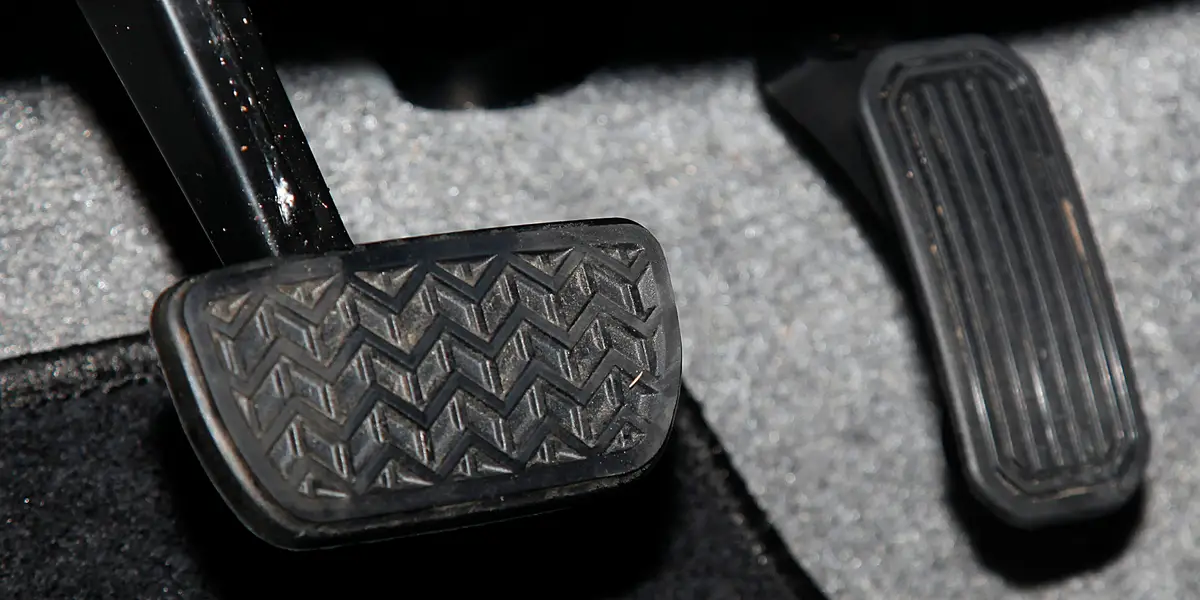
US Proposes Dropping Brake Pedal Requirement for Fully Autonomous Vehicles

Thumbnail Image

The information displayed in the AIM should not be reported as representing the official views of the OECD or of its member countries.

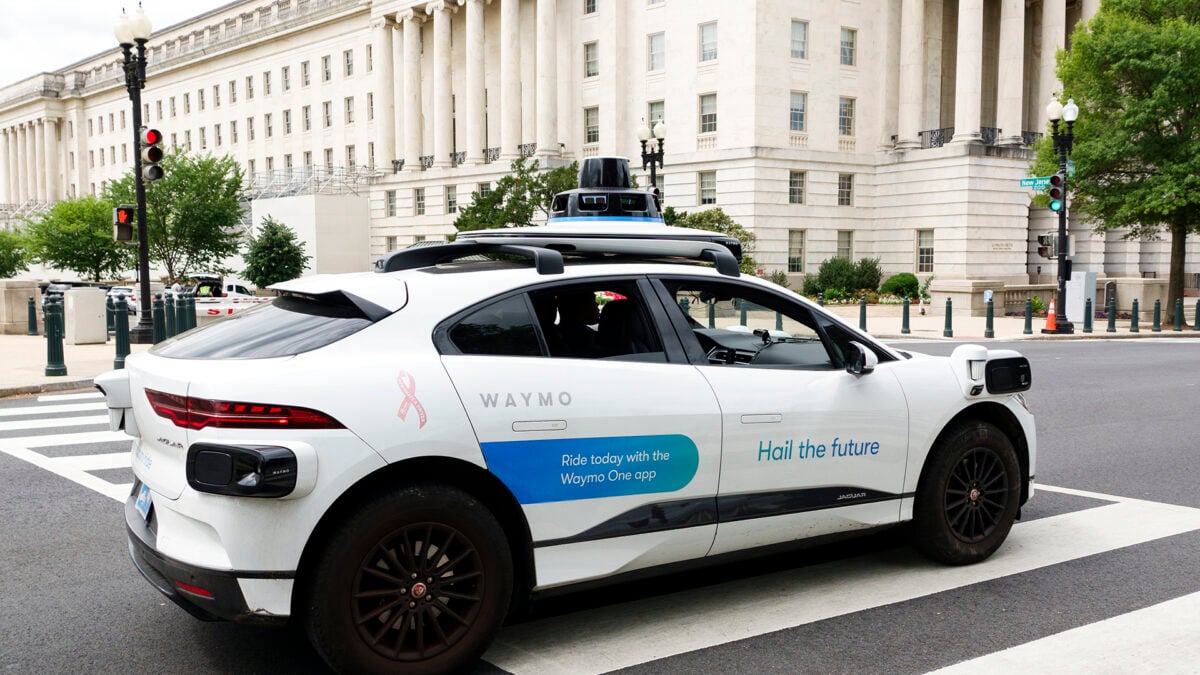
US regulators have proposed removing the brake pedal requirement for vehicles designed to operate solely with automated driving systems. This regulatory change would ease deployment for companies like Tesla, Waymo, and Zoox, enabling fully autonomous vehicles without manual controls, but raises potential future safety concerns related to AI-driven vehicles.[AI generated]

Why's our monitor labelling this an incident or hazard?

The event centers on a regulatory change proposal that would enable the deployment of fully autonomous vehicles without traditional driver controls, which inherently rely on AI systems for operation. Although no harm has yet occurred, the removal of physical controls raises plausible safety risks, as noted by safety advocates and experts. The article does not report any actual incidents or harms caused by AI systems but discusses the potential for future harm if these vehicles are deployed without adequate safety standards. Hence, the event fits the definition of an AI Hazard, as it plausibly could lead to AI Incidents involving injury or harm to persons if the autonomous systems malfunction or fail to perform safely.[AI generated]
AI principles
SafetyDemocracy & human autonomy

Industries
Mobility and autonomous vehicles

Affected stakeholders
General public

Harm types
Physical (injury)Physical (death)

Severity
AI hazard

AI system task:
Recognition/object detectionGoal-driven organisation


Articles about this incident or hazard

Thumbnail Image

Tesla, Waymo Get Robotaxi Rule Boost

2026-06-25
Yahoo! Finance
Why's our monitor labelling this an incident or hazard?
The event involves AI systems in the form of fully autonomous vehicles, which are AI systems by definition. However, the article only describes a regulatory proposal that could ease the deployment of such AI systems. There is no indication of any realized harm or incident resulting from these AI systems. The article highlights a potential future scenario where AI systems might be more widely deployed, but it does not describe a credible or imminent risk of harm or an incident. Therefore, this is best classified as Complementary Information, as it provides context and updates on governance and regulatory developments related to AI systems without reporting an AI Incident or AI Hazard.
Thumbnail Image

No brakes, no problem? Trump's DOT proposes new rules for driverless vehicles.

2026-06-26
Business Insider
Why's our monitor labelling this an incident or hazard?
The event centers on a regulatory change proposal that would enable the deployment of fully autonomous vehicles without traditional driver controls, which inherently rely on AI systems for operation. Although no harm has yet occurred, the removal of physical controls raises plausible safety risks, as noted by safety advocates and experts. The article does not report any actual incidents or harms caused by AI systems but discusses the potential for future harm if these vehicles are deployed without adequate safety standards. Hence, the event fits the definition of an AI Hazard, as it plausibly could lead to AI Incidents involving injury or harm to persons if the autonomous systems malfunction or fail to perform safely.
Thumbnail Image

Trump Admin Wants to Make Brake Pedals Optional in Autonomous Vehicles

2026-06-25
Gizmodo
Why's our monitor labelling this an incident or hazard?
The event involves AI systems in autonomous vehicles and concerns a regulatory change that could plausibly lead to harm if autonomous driving systems malfunction or fail to respond appropriately, given the removal of manual brake pedals. Since no harm has yet occurred and the event focuses on a proposed rule change that could increase risk, it fits the definition of an AI Hazard. There is no indication of an actual incident or realized harm, nor is the article primarily about responses or updates to past incidents, so it is not an AI Incident or Complementary Information. It is not unrelated because it clearly involves AI systems in autonomous vehicles and their safety implications.
Thumbnail Image

Trump admin proposes axing brake pedal requirement for AVs in a boost for Tesla

2026-06-25
TechCrunch
Why's our monitor labelling this an incident or hazard?
The event involves AI systems explicitly, namely autonomous driving systems controlling vehicles without manual controls. The regulatory proposal directly affects the use of these AI systems by allowing vehicles without brake pedals, increasing the potential for harm if the AI systems malfunction or fail to respond appropriately. Although no harm has yet occurred, the removal of manual safety controls plausibly increases the risk of accidents or injuries, fitting the definition of an AI Hazard. There is no report of actual harm or incident, so it is not an AI Incident. The article is not merely complementary information because it focuses on a regulatory change that could lead to future harm, not just updates or responses to past events.
Thumbnail Image

U.S. moves to drop brake pedal mandate for autonomous vehicles

2026-06-25
The Detroit News
Why's our monitor labelling this an incident or hazard?
The article focuses on a proposed regulatory change affecting autonomous vehicles, which are AI systems by definition due to their autonomous driving capabilities. However, there is no mention of any harm, malfunction, or incident caused by these AI systems. The event is about removing regulatory barriers to AI system deployment, which is a governance response and context-setting development rather than an incident or hazard. Hence, it fits the definition of Complementary Information, as it informs about societal and governance responses to AI technology without describing any direct or potential harm.
Thumbnail Image

After 3,900 Waymo Recalls, The US Suggests Removing Brake Requirements For Robotaxis - BGR

2026-06-25
BGR
Why's our monitor labelling this an incident or hazard?
The article explicitly involves AI systems in the form of autonomous vehicles (robotaxis) and discusses regulatory changes that could affect their safety requirements. Although there have been past safety problems and recalls (which are incidents), this article focuses on a proposed regulatory change that could plausibly lead to future safety hazards by removing brake requirements. No new harm has been reported as a result of this proposal yet, so it does not qualify as an AI Incident. It is not merely complementary information because the main focus is on the potential risk posed by the regulatory change, not on updates or responses to past incidents. Therefore, the event is best classified as an AI Hazard.
Thumbnail Image

Tesla Cybercab stands to gain from new Trump autonomy rules

2026-06-25
TESLARATI
Why's our monitor labelling this an incident or hazard?
The event involves an AI system (autonomous driving system) as the Tesla Cybercab is designed to operate fully autonomously without manual controls. However, the article describes a regulatory update process and the potential benefits for the Cybercab, without any indication of harm or malfunction. There is no direct or indirect harm reported, nor a plausible risk of harm described. The focus is on regulatory framework changes and enabling innovation, which fits the definition of Complementary Information as it provides governance context and updates related to AI systems but does not describe an incident or hazard.
Thumbnail Image

Washington Just Made It Easier to Sell a Car With No Brake Pedal - Could Be a Big Boost For Tesla

2026-06-25
Gadget Review
Why's our monitor labelling this an incident or hazard?
The event involves AI systems in the form of automated driving systems (ADS) that control vehicles without human controls like brake pedals. The regulatory change directly relates to the use and deployment of these AI systems. While no harm has yet occurred, the removal of hardware safety requirements before finalizing behavioral performance standards introduces a plausible risk of future harm (e.g., accidents due to insufficient safety safeguards). Therefore, this event qualifies as an AI Hazard because it describes a credible potential for harm stemming from the development and use of AI systems in autonomous vehicles, but no incident or realized harm is reported.
Thumbnail Image

Washington Just Made It Easier to Sell a Car With No Brake Pedal - Could Be a Big Boost For Tesla

2026-06-26
Yahoo! Finance
Why's our monitor labelling this an incident or hazard?
The event involves the use and regulatory framework of AI systems embedded in autonomous vehicles (automated driving systems). The proposal directly affects the deployment and scaling of AI-driven vehicles that operate without human controls like brake pedals. Although no harm has yet occurred, the regulatory change could plausibly lead to future harms if safety standards are insufficient, as fully self-driving vehicles are not yet perfected. Therefore, this event represents an AI Hazard because it concerns a credible risk of future harm stemming from the development and use of AI systems in autonomous vehicles, rather than an incident where harm has already occurred.
Thumbnail Image

Trump Admin Proposes Axing Brake Pedal Requirement For Avs In A Boost For Tesla

2026-06-25
Breaking News, Latest News, US and Canada News, World News, Videos
Why's our monitor labelling this an incident or hazard?
The article explicitly involves AI systems in the form of automated driving systems controlling vehicles without manual controls like brake pedals. The regulatory proposal would allow these AI-driven vehicles to operate without traditional safety features, which could plausibly lead to safety risks or incidents in the future. No actual harm or incident is reported, so it does not qualify as an AI Incident. The event is not merely general AI news or a product launch but concerns a regulatory change with potential safety implications, fitting the definition of an AI Hazard.
Thumbnail Image

Trump DOT proposes dropping brake pedal requirement for autonomous vehicles, clearing a path for Tesla and Zoox

2026-06-25
The Next Web
Why's our monitor labelling this an incident or hazard?
The event involves AI systems in the form of autonomous driving systems controlling vehicles without human controls. However, the event is about a proposed regulatory change that could enable broader deployment of such AI systems by removing brake pedal requirements. There is no direct or indirect harm reported from the AI systems themselves in this article, only a potential future impact on the regulatory environment. The article mentions past incidents involving Tesla's teleoperated vehicles but does not link these incidents directly to the regulatory proposal or to AI system malfunctions causing harm. Therefore, this event does not qualify as an AI Incident or AI Hazard. Instead, it is best classified as Complementary Information because it provides important context about governance and regulatory developments affecting AI systems in autonomous vehicles, which is relevant for understanding the broader AI ecosystem and future risk management.
Thumbnail Image

DOT Moves to Scrap Brake Pedal Rule for Autonomous Vehicles

2026-06-25
Transport Topics
Why's our monitor labelling this an incident or hazard?
The article centers on a regulatory proposal to update safety standards for autonomous vehicles, specifically removing the brake pedal requirement. While autonomous vehicles involve AI systems for driving, the article does not describe any incident or harm caused by these systems. Instead, it discusses policy changes and the broader regulatory environment, which is a governance and societal response to AI technology. Therefore, this is Complementary Information as it provides context and updates on AI system regulation without reporting an AI Incident or AI Hazard.
Thumbnail Image

What important feature might become optional in self-driving vehicles?

2026-06-25
Government Technology
Why's our monitor labelling this an incident or hazard?
The article involves AI systems in autonomous vehicles and their regulatory framework but does not describe any realized harm or incident caused by AI malfunction or misuse. The proposal could plausibly lead to future risks if brake pedals are removed and the AI system fails, but no such harm is reported or implied as having occurred yet. Therefore, this is best classified as an AI Hazard, reflecting a credible potential for future harm related to AI system design and regulation.
Thumbnail Image

US Department of Transportation moves to remove brake pedal requirement for driverless vehicles

2026-06-25
Crypto Briefing
Why's our monitor labelling this an incident or hazard?
The article explicitly discusses regulatory updates to accommodate AI-driven autonomous vehicles, which are AI systems by definition. However, it does not describe any actual harm, malfunction, or misuse of these AI systems leading to injury, rights violations, or other harms. The potential risks mentioned are future possibilities rather than realized events. The focus is on policy changes, safety standard revisions, and the regulatory environment, which fits the definition of Complementary Information. There is no direct or indirect harm reported, nor a credible immediate hazard event. Hence, the classification as Complementary Information is appropriate.
Thumbnail Image

Trump admin proposes axing brake pedal requirement for AVs in a boost for Tesla

2026-06-25
RocketNews | Top News Stories From Around the Globe
Why's our monitor labelling this an incident or hazard?
The article explicitly involves AI systems in the form of fully autonomous vehicles that rely on AI for driving. The regulatory proposal concerns the development and use of these AI systems by removing a physical safety requirement (brake pedals). However, no actual harm, malfunction, or incident has occurred or is described. The event is about a policy proposal that could influence future AI system deployment and safety but does not itself constitute an incident or hazard. Thus, it fits the definition of Complementary Information, providing governance context and updates relevant to AI system deployment and safety frameworks.
Thumbnail Image

FMVSS 135 Update Drops AV Brake Pedal Mandate

2026-06-25
The BRAKE Report
Why's our monitor labelling this an incident or hazard?
The article focuses on a regulatory rulemaking process that adjusts safety standards to accommodate vehicles operated solely by automated driving systems, which are AI systems. However, it does not report any harm or incident caused by AI, nor does it highlight a credible risk of harm from the update itself. Instead, it is a governance action to adapt regulations to AI technology developments. Therefore, it fits the definition of Complementary Information, as it provides important context and governance response to AI system deployment without describing a new AI Incident or AI Hazard.
Thumbnail Image

Trump's DOT proposes new rules for driverless vehicles

2026-06-26
DNYUZ
Why's our monitor labelling this an incident or hazard?
The event involves AI systems in autonomous vehicles whose development and regulatory approval could plausibly lead to harm (e.g., accidents due to lack of physical controls or insufficient safety standards). Although no direct harm has been reported yet, the concerns raised by safety advocates and the nature of the regulatory changes indicate credible potential risks. Hence, it fits the definition of an AI Hazard rather than an Incident or Complementary Information. It is not unrelated because the AI system (autonomous driving) is central to the event.