US Assures India of Continued Access to Advanced AI Technologies Amid Export Control Concerns

Thumbnail Image

The information displayed in the AIM should not be reported as representing the official views of the OECD or of its member countries.

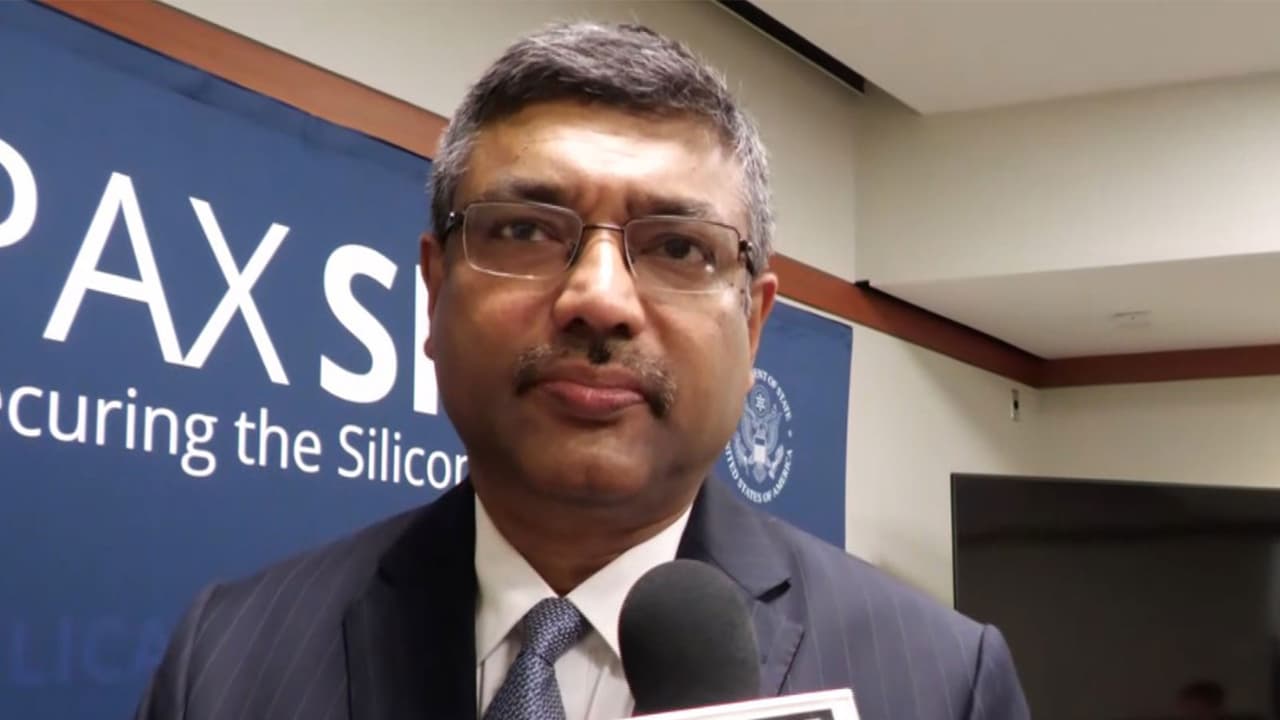
US and Indian officials held high-level talks to ensure India’s continued access to advanced AI models, such as those from Anthropic, following US export restrictions. The discussions focused on preventing abrupt technology cutoffs that could disrupt India’s digital infrastructure and public services, highlighting potential future risks but no current harm.[AI generated]

Why's our monitor labelling this an incident or hazard?

The event involves AI systems (Anthropic's AI models) and concerns their use and access. However, the article does not report any realized harm or incident caused by these AI systems. Instead, it focuses on the potential risk of sudden access disruptions and the efforts to create a stable framework to prevent such issues. This aligns with the definition of an AI Hazard, where the development, use, or malfunction of AI systems could plausibly lead to harm (e.g., disruption of critical infrastructure) but no harm has yet occurred. Therefore, the event is best classified as an AI Hazard.[AI generated]
AI principles
Robustness & digital security

Industries
IT infrastructure and hostingGovernment, security, and defence

Affected stakeholders
General publicGovernment

Harm types
Public interest

Severity
AI hazard

Business function:
Citizen/customer service

AI system task:
Content generationInteraction support/chatbots


Articles about this incident or hazard

Thumbnail Image

After Anthropic curbs, US reassures India on tech access

2026-06-26
Hindustan Times
Why's our monitor labelling this an incident or hazard?
The article centers on the US government's regulatory actions and diplomatic assurances concerning AI technology access, specifically Anthropic's AI models. While it involves AI systems and their potential risks, it does not describe any actual harm, malfunction, or misuse leading to harm. The focus is on policy dialogue and assurances, which fits the definition of Complementary Information as it provides context and updates on AI governance and international relations without reporting a new AI Incident or AI Hazard.
Thumbnail Image

Taking Measured Approach On Anthropic AI Models, In Talks With India: US

2026-06-25
NDTV
Why's our monitor labelling this an incident or hazard?
The event involves AI systems (Anthropic's AI models) and concerns their use and access. However, the article does not report any realized harm or incident caused by these AI systems. Instead, it focuses on the potential risk of sudden access disruptions and the efforts to create a stable framework to prevent such issues. This aligns with the definition of an AI Hazard, where the development, use, or malfunction of AI systems could plausibly lead to harm (e.g., disruption of critical infrastructure) but no harm has yet occurred. Therefore, the event is best classified as an AI Hazard.
Thumbnail Image

Pax Silica Summit: US just gave India a massive AI guarantee -- Here's why it matters

2026-06-26
The Financial Express
Why's our monitor labelling this an incident or hazard?
The event involves AI systems in the context of international technology cooperation and export controls, but it does not describe any actual or imminent harm caused by AI systems. The assurance aims to prevent future risks of abrupt access cutoffs, which could be considered a potential hazard if such cutoffs occurred, but the article states that the risk is being mitigated through diplomatic understanding. Therefore, the event is best classified as Complementary Information, as it provides important context and updates on governance and cooperation related to AI technology access without describing an AI Incident or AI Hazard.
Thumbnail Image

US gives India assurance on access to AI technologies

2026-06-25
Economic Times
Why's our monitor labelling this an incident or hazard?
The article discusses assurances about continued access to AI technologies and US concerns about potential impacts of AI models, implying possible future risks but no current harm or incident. This fits the definition of Complementary Information as it provides context on governance and international dialogue about AI without describing a specific AI Incident or AI Hazard.
Thumbnail Image

US says in talks with India on Anthropic Fable model rollout

2026-06-25
Economic Times
Why's our monitor labelling this an incident or hazard?
The article centers on diplomatic and regulatory discussions about the deployment and access to advanced AI systems, emphasizing risk management and cooperation to prevent harm. There is no indication that any AI system has malfunctioned or caused harm, nor that harm is currently occurring. Instead, the event highlights plausible future risks and efforts to mitigate them through international collaboration and regulatory frameworks. Therefore, this qualifies as an AI Hazard, reflecting credible potential risks from AI system deployment and access issues, but not an AI Incident or Complementary Information.
Thumbnail Image

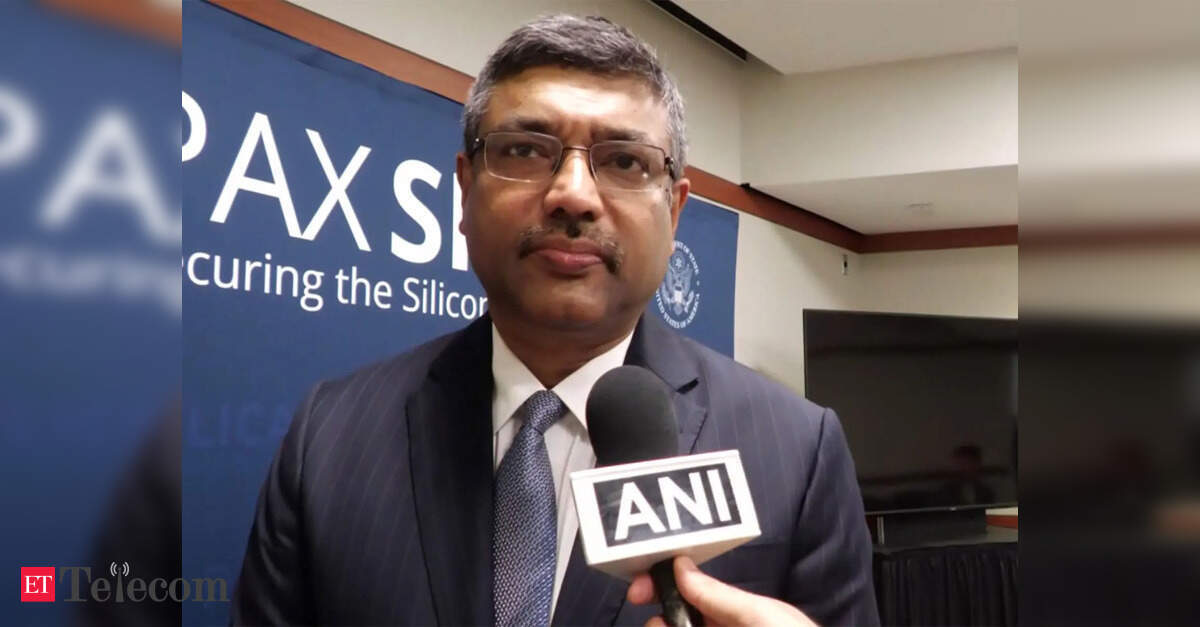
India seeks assurance from US against 'abrupt AI technology cutoffs': MeitY Secretary S Krishnan

2026-06-26
ETTelecom.com
Why's our monitor labelling this an incident or hazard?
The event involves AI systems (advanced AI models) and concerns their use and access. The discussion centers on the potential for abrupt cutoffs in AI technology access, which could plausibly lead to harm such as disruption of critical digital infrastructure or public services relying on AI. Since no actual harm or incident has occurred, but there is a credible risk of future harm, this fits the definition of an AI Hazard. The article does not describe any realized harm or incident, nor is it primarily about responses to past incidents or general AI news without risk implications. Hence, the classification as AI Hazard is appropriate.
Thumbnail Image

US won't abruptly deny AI access to India: Govt

2026-06-25
The Times of India
Why's our monitor labelling this an incident or hazard?
The article does not report any AI system causing harm or malfunction, nor does it describe a plausible future harm event. Instead, it details governmental dialogue and assurances about AI technology access and collaboration, which fits the definition of Complementary Information. It enhances understanding of the AI ecosystem and governance responses without describing a specific AI Incident or AI Hazard.
Thumbnail Image

US and India locked in 'sensitive' national security talks over access to Anthropic's Fable AI model

2026-06-25
The Times of India
Why's our monitor labelling this an incident or hazard?
The article involves AI systems explicitly (Anthropic's advanced AI models like Fable and Claude). The event centers on the use and potential export restrictions of these AI systems, which are considered critical infrastructure by India. Although no direct harm has occurred yet, the concerns about sudden cutoffs leading to paralysis of long-term projects, public utilities, and financial systems indicate a credible risk of harm. Therefore, this qualifies as an AI Hazard because it plausibly could lead to disruption of critical infrastructure if the AI systems become inaccessible or unreliable due to export controls or geopolitical shifts. There is no indication of realized harm or incident, nor is the article primarily about responses or updates to past incidents, so it is not an AI Incident or Complementary Information.
Thumbnail Image

MeitY Secretary S. Krishnan highlights need for stable access to frontier AI models

2026-06-25
Firstpost
Why's our monitor labelling this an incident or hazard?
The article does not describe any realized harm or direct incident involving AI systems. Instead, it highlights ongoing governmental discussions aimed at preventing future disruptions in AI technology access, which is a proactive governance and strategic collaboration topic. There is no indication of an AI system causing or potentially causing harm at this stage, nor is there a detailed warning of plausible imminent harm. Therefore, this is best classified as Complementary Information, providing context on AI ecosystem governance and international cooperation.
Thumbnail Image

Exclusive | US assures India over AI 'kill switch' as 'Pax Silica' expands to counter China

2026-06-25
South China Morning Post
Why's our monitor labelling this an incident or hazard?
The article involves AI systems (advanced AI models) and their use and access control, which is relevant to AI system development and deployment. The US banning access to Anthropic's models without warning and the concerns raised by India about a potential AI 'kill switch' indicate a risk that access to AI technology could be abruptly cut off, potentially disrupting operations or causing other harms. However, no actual harm or incident is described; the focus is on the potential for future harm due to access restrictions and control mechanisms. This fits the definition of an AI Hazard, as it plausibly could lead to harm but has not yet done so.
Thumbnail Image

India raises issue of suspended Anthropic models at Pax Silica Summit. US assures trusted partners access

2026-06-26
ThePrint
Why's our monitor labelling this an incident or hazard?
The article discusses the suspension of Anthropic's AI models due to national security concerns and the diplomatic dialogue to manage access for trusted partners. While the suspension and export controls relate to AI system use and deployment, no actual harm or incident caused by the AI systems is reported. The discussion is about policy, security, and supply chain resilience, which fits the definition of Complementary Information as it provides context and governance response to AI-related issues without describing a specific AI Incident or AI Hazard.
Thumbnail Image

US says in talks with India on Anthropic Fable model rollout, calls discussions 'sensitive national security' matter

2026-06-25
Asian News International (ANI)
Why's our monitor labelling this an incident or hazard?
The event involves AI systems (Anthropic's advanced AI models) and concerns their deployment and access, which could plausibly lead to harm if disruptions occur in critical infrastructure reliant on these AI systems. However, the article does not report any actual harm, malfunction, or misuse of AI systems. Instead, it focuses on sensitive national security discussions and regulatory frameworks to manage potential risks. This aligns with the definition of an AI Hazard, as the event concerns plausible future harm and risk management rather than an AI Incident or Complementary Information about past incidents.
Thumbnail Image

US pursuing measured approach on Anthropic AI models, in talks with India: Jacob Helberg

2026-06-25
Asian News International (ANI)
Why's our monitor labelling this an incident or hazard?
The event involves AI systems (Anthropic's AI models) and their use in critical infrastructure and public services, but it does not describe any realized harm or malfunction. The discussions are about preventing potential future disruptions and ensuring safe deployment, which aligns with managing plausible future risks rather than reporting an incident or hazard. Therefore, this is best classified as Complementary Information, as it provides context on governance and policy responses related to AI technology sharing and security without describing a specific AI Incident or AI Hazard.
Thumbnail Image

India seeks assurance from US against 'abrupt AI technology cutoffs': MeitY Secretary S Krishnan

2026-06-25
Asian News International (ANI)
Why's our monitor labelling this an incident or hazard?
The event involves AI systems (advanced AI models like Anthropic's Claude) and addresses concerns about potential future disruptions in access to these AI technologies. However, no actual harm or incident has occurred; the discussion is about preventing possible future harm by ensuring stable access and cooperation. This fits the definition of Complementary Information, as it provides context on governance, international cooperation, and risk mitigation related to AI technology supply chains, rather than reporting an AI Incident or AI Hazard.
Thumbnail Image

US, India in 'Sensitive' Talks on Releasing Advanced AI Models

2026-06-25
Asianet News Network Pvt Ltd
Why's our monitor labelling this an incident or hazard?
The event involves AI systems explicitly (advanced AI models like Anthropic's) and concerns their use and deployment. However, no direct or indirect harm has occurred yet; the talks are preventive and aimed at risk management and cooperation to avoid potential disruptions or harms. Therefore, this qualifies as an AI Hazard because it plausibly relates to future risks from AI systems, but no incident has materialized. It is not Complementary Information since the focus is on the potential risks and management rather than updates on past incidents or governance responses to existing harms.
Thumbnail Image

India-US AI talks focus on reliable access to models like Claude

2026-06-25
Asianet News Network Pvt Ltd
Why's our monitor labelling this an incident or hazard?
The event involves AI systems (advanced AI models like Claude) and addresses risks related to their availability and access. However, no realized harm or incident has occurred; the focus is on preventing potential future disruptions that could plausibly lead to harm. Therefore, this qualifies as an AI Hazard because it concerns credible risks of future harm due to sudden loss of access to critical AI technology. It is not Complementary Information since the article is not updating or responding to a past incident but discussing ongoing risk and cooperation. It is not an AI Incident because no harm has materialized, and it is not Unrelated as it clearly involves AI systems and their impact on infrastructure and services.
Thumbnail Image

US-India Talks on Anthropic AI Model Rollout Called Sensitive

2026-06-25
newKerala.com
Why's our monitor labelling this an incident or hazard?
The article involves AI systems explicitly (Anthropic's advanced AI models like Fable) and discusses their deployment and access in critical infrastructure contexts. However, it does not report any realized harm or incident caused by these AI systems. Instead, it focuses on the potential risks and the diplomatic efforts to mitigate them, which aligns with the definition of an AI Hazard—events or circumstances where AI use could plausibly lead to harm. Since no direct or indirect harm has occurred yet, and the main focus is on managing potential risks and ensuring safe rollout, the event is best classified as an AI Hazard.
Thumbnail Image

US-India AI Talks: Measured Approach to Anthropic Models

2026-06-25
newKerala.com
Why's our monitor labelling this an incident or hazard?
The event involves AI systems (Anthropic's Claude AI models) and their deployment/use in critical infrastructure. However, the article does not report any realized harm or incident resulting from these AI systems. Instead, it discusses the potential risks of sudden access disruptions and the efforts to manage these risks through international cooperation and regulatory clarity. This fits the definition of an AI Hazard, as it plausibly could lead to harm if access to critical AI technologies is abruptly cut off, affecting infrastructure and development projects. Therefore, the classification is AI Hazard.
Thumbnail Image

India Seeks US Assurance on AI Tech Access Reliability

2026-06-25
newKerala.com
Why's our monitor labelling this an incident or hazard?
The article explicitly involves AI systems, such as advanced AI models like Anthropic's Claude, which India seeks to integrate into its digital infrastructure. The focus is on the potential for abrupt cutoffs in access to these AI technologies, which could plausibly lead to harm by disrupting critical digital services and long-term AI-driven initiatives. Since no actual harm has occurred yet but the risk is credible and significant, the event fits the definition of an AI Hazard. It is not an AI Incident because no realized harm or violation has taken place, nor is it Complementary Information or Unrelated, as the main narrative centers on the plausible future risk related to AI system access and its implications.
Thumbnail Image

India Secures Tech Access Guarantee From US Following Global Mythos AI Revocation

2026-06-25
NDTV Profit
Why's our monitor labelling this an incident or hazard?
The article does not describe any direct or indirect harm caused by AI systems, nor does it indicate a plausible future harm from AI system development or use. It primarily reports on a policy assurance and strategic cooperation between countries concerning AI technology access. This fits the definition of Complementary Information, as it provides context and updates on AI ecosystem governance and international relations without describing an AI Incident or AI Hazard.