South Korea Plans Large-Scale Deployment of AI-Enabled Suicide Drones and Drone Warriors

Thumbnail Image

The information displayed in the AIM should not be reported as representing the official views of the OECD or of its member countries.

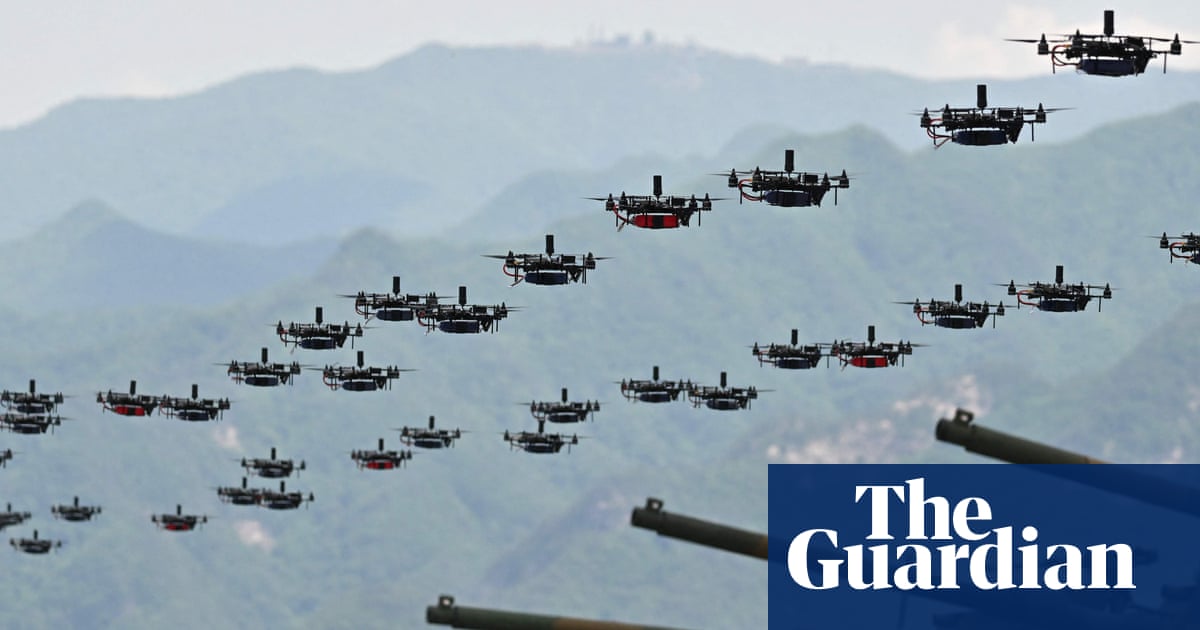
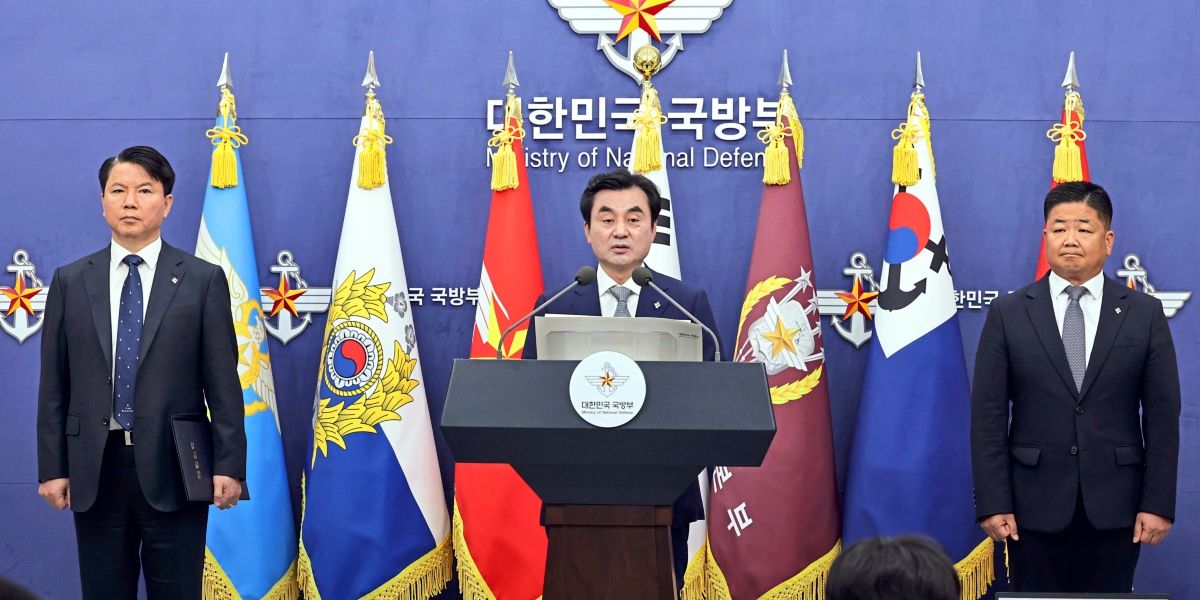
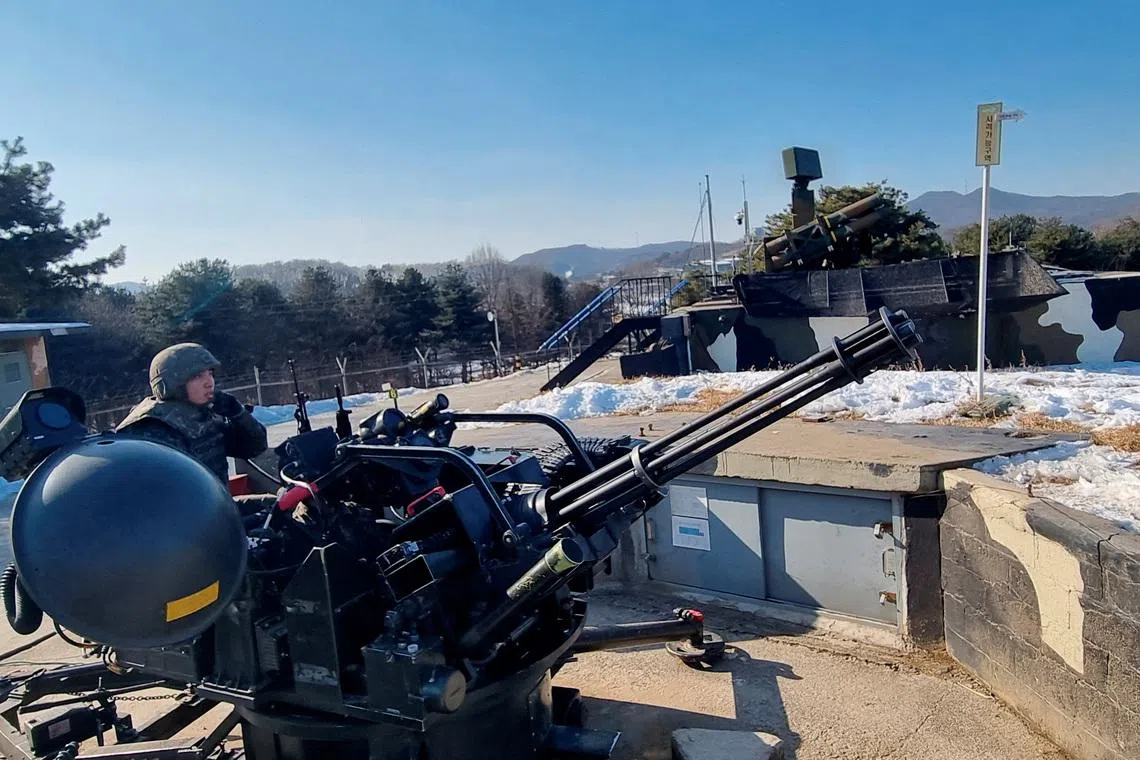
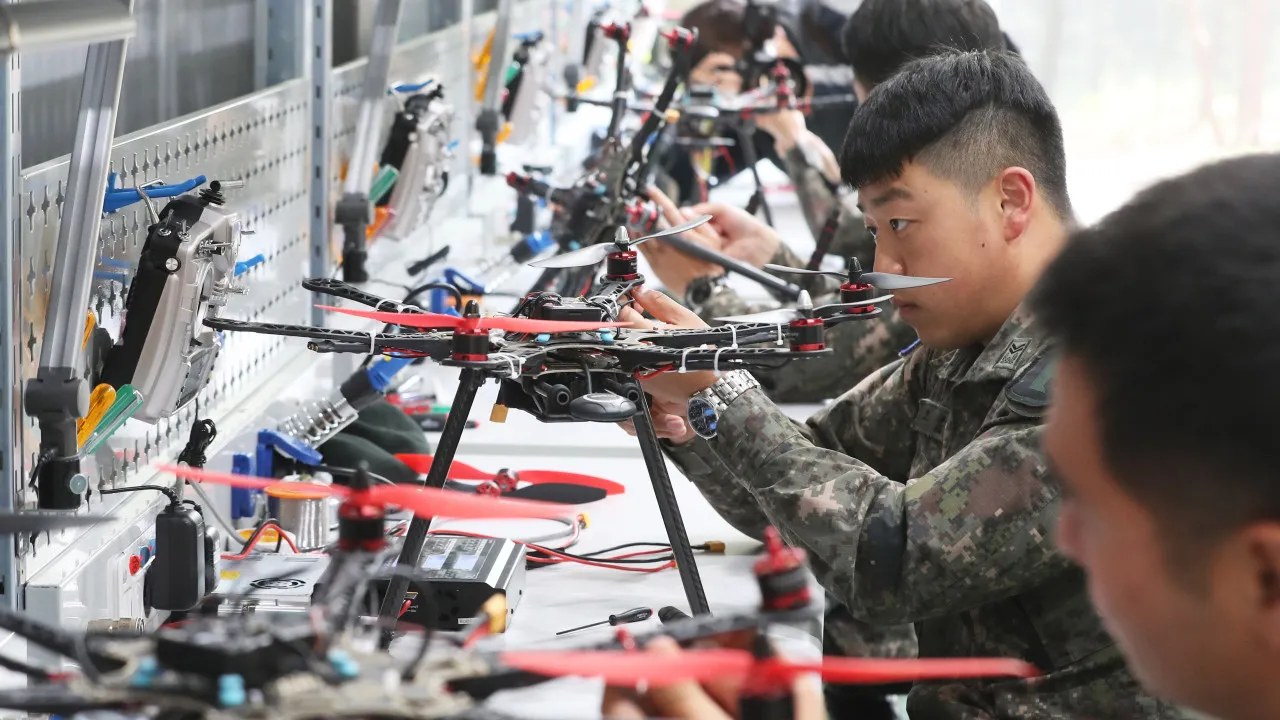
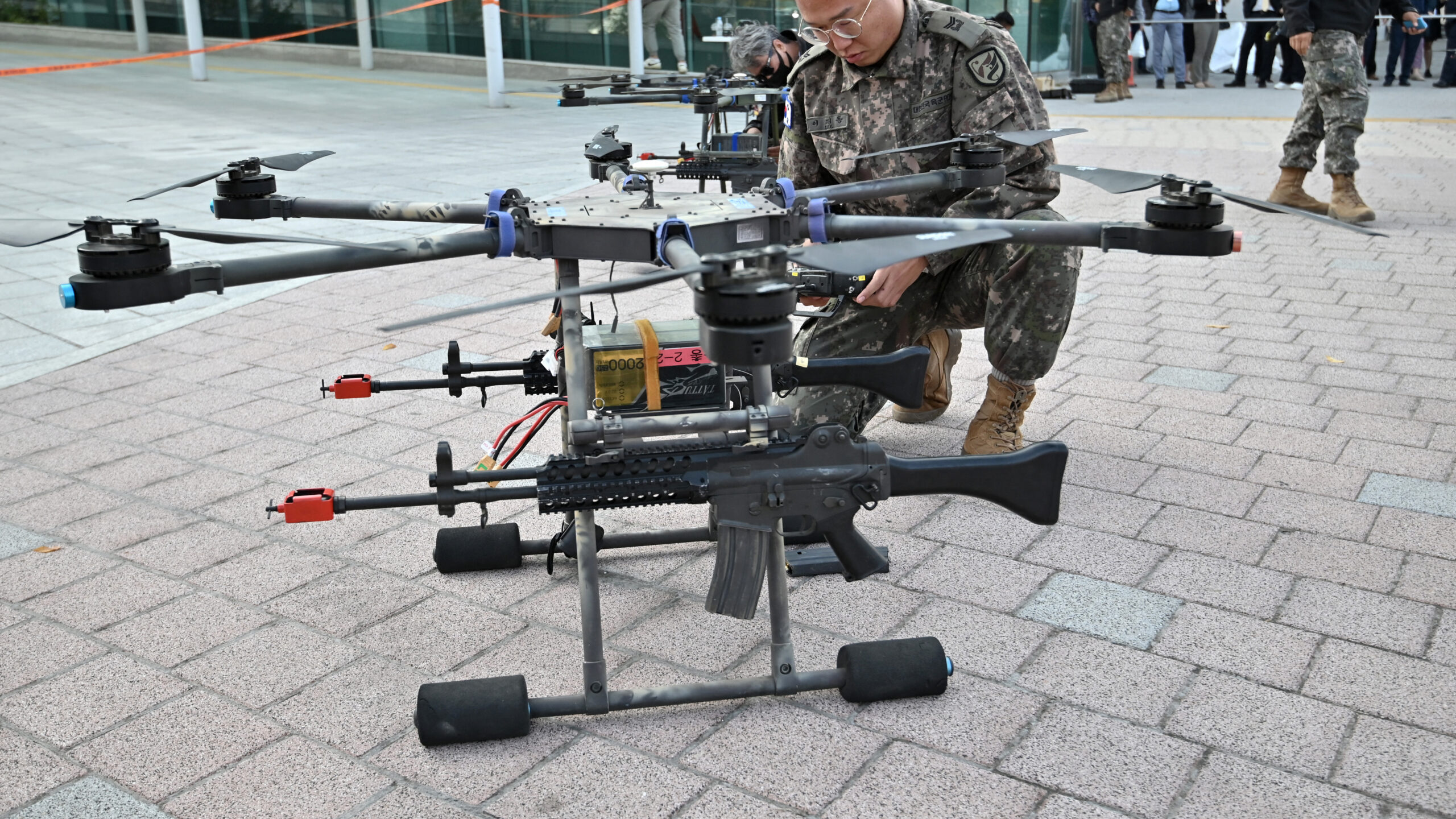
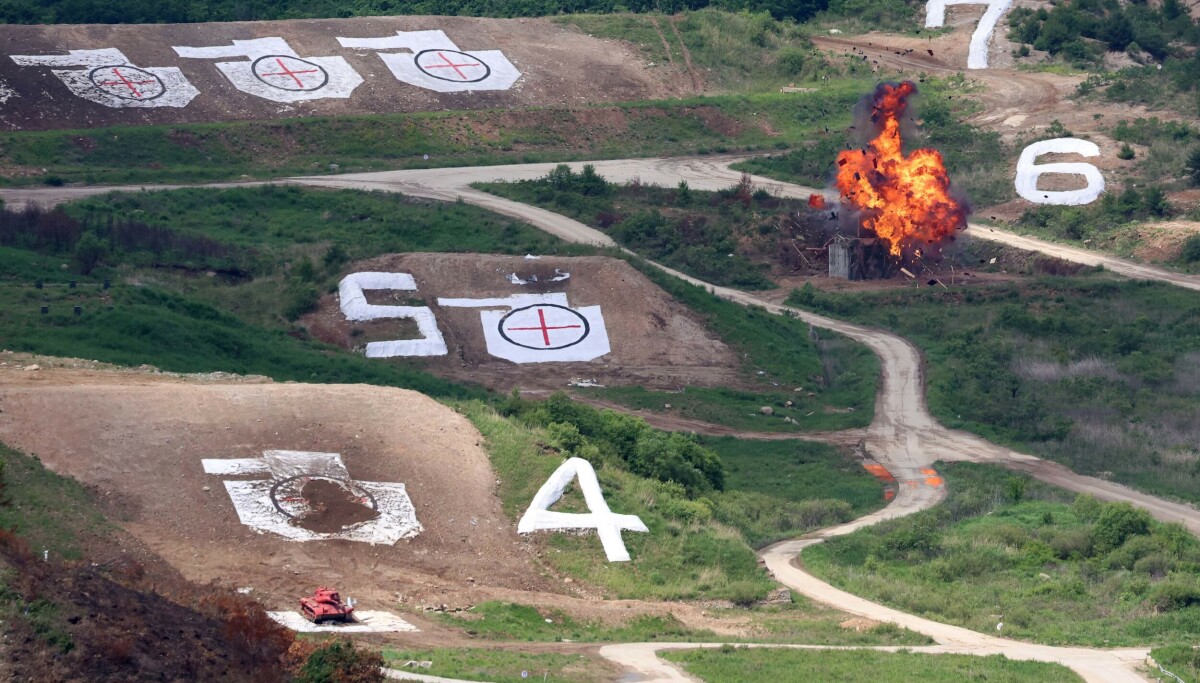
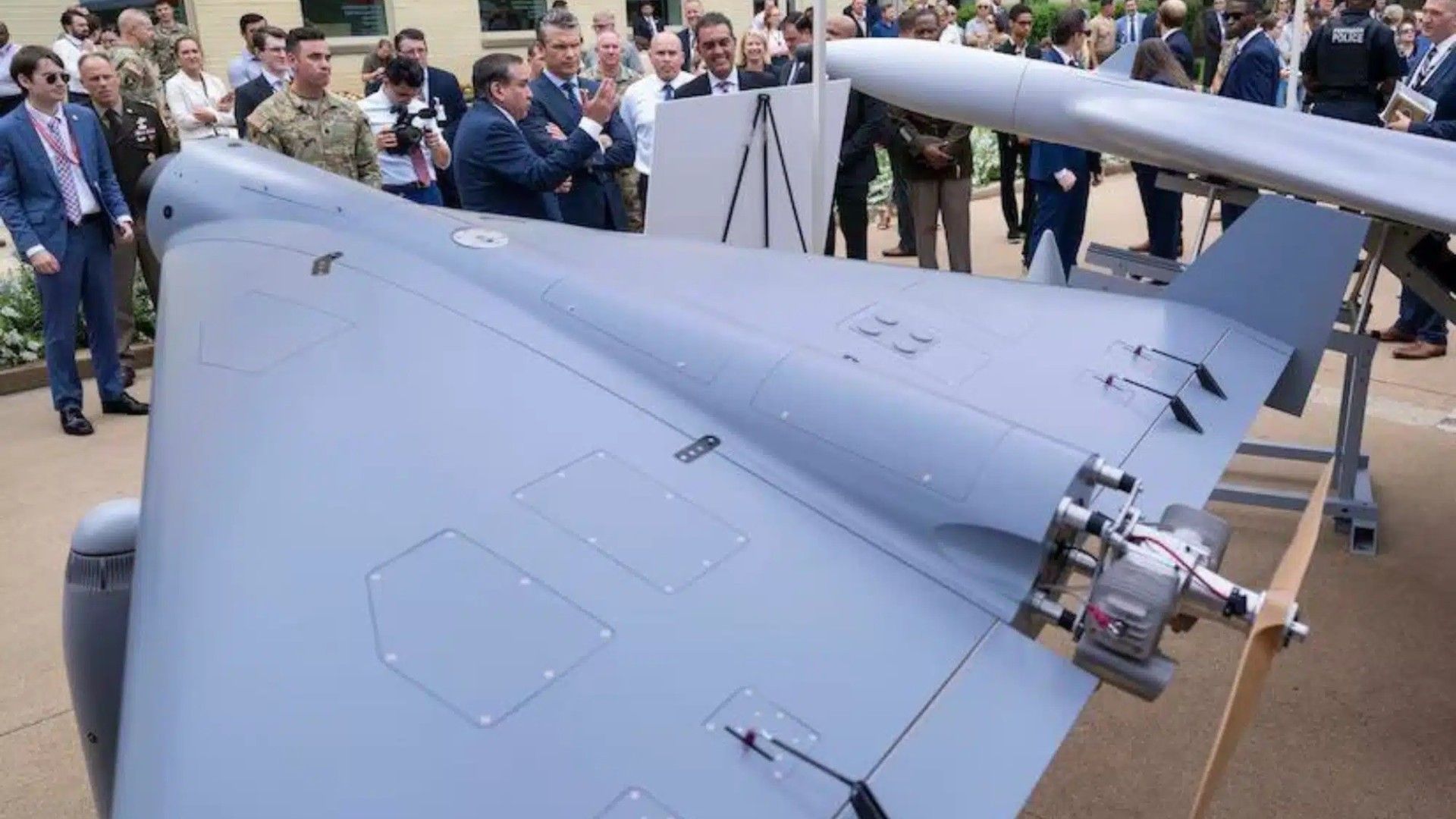
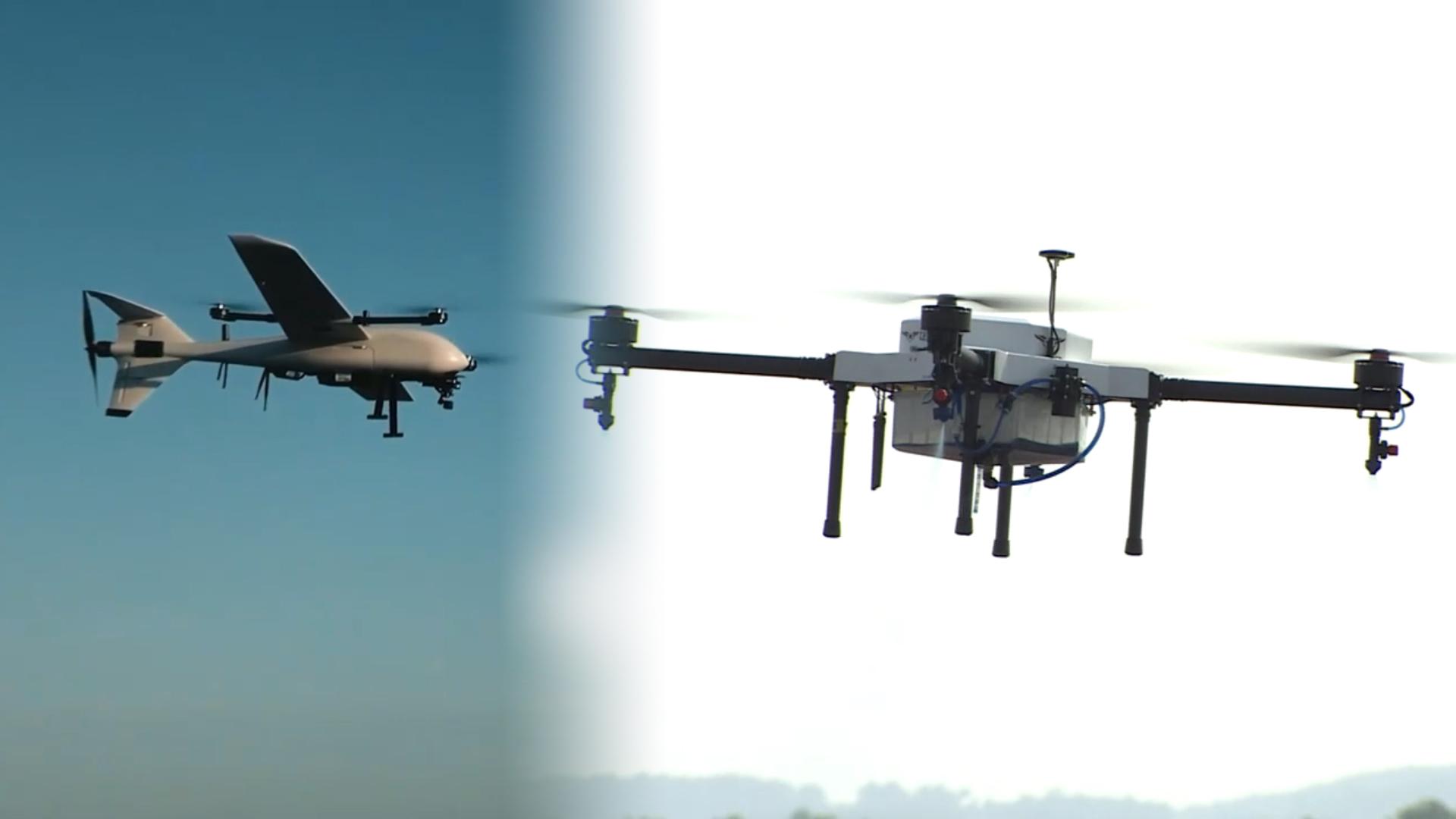
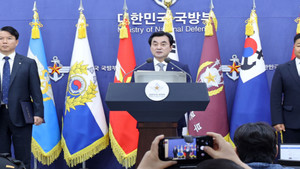
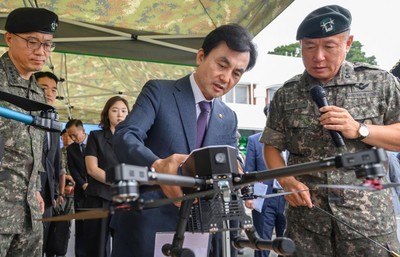
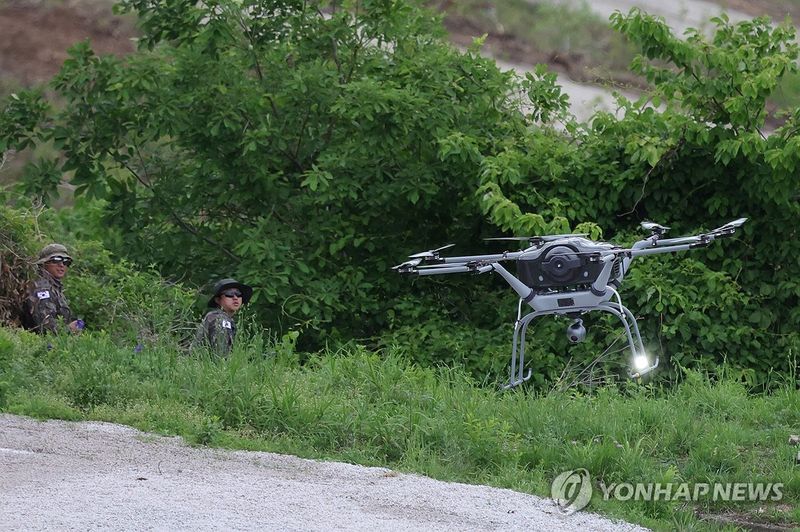
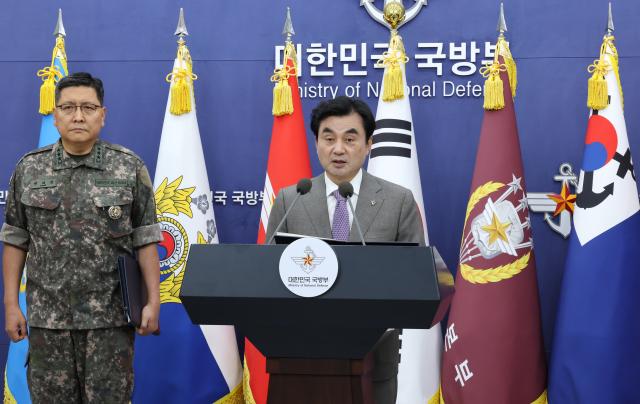
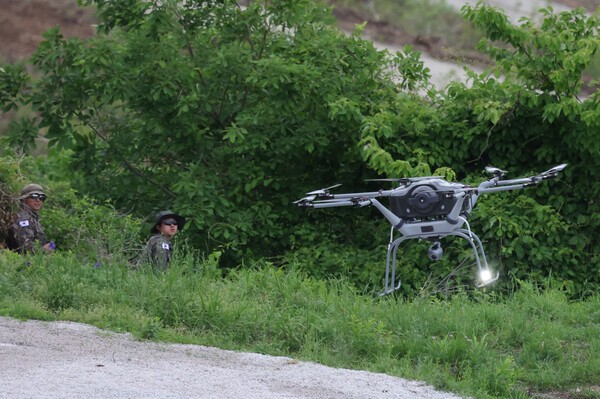
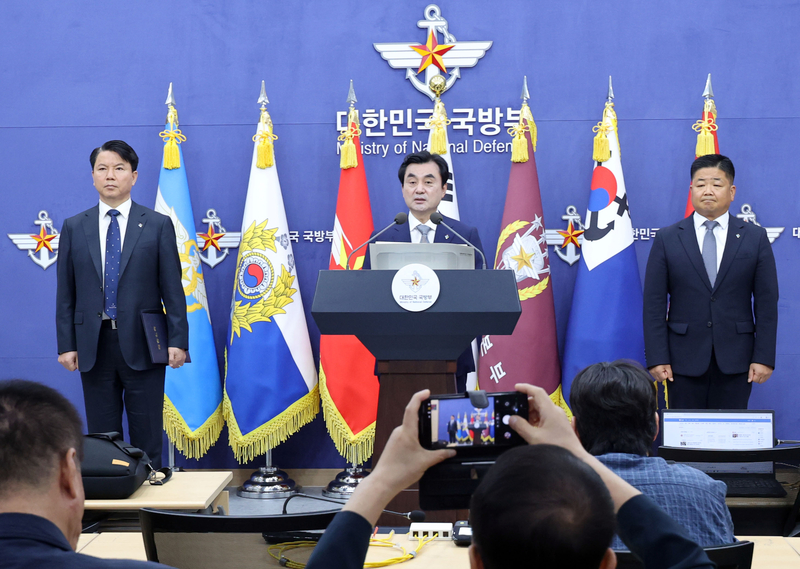
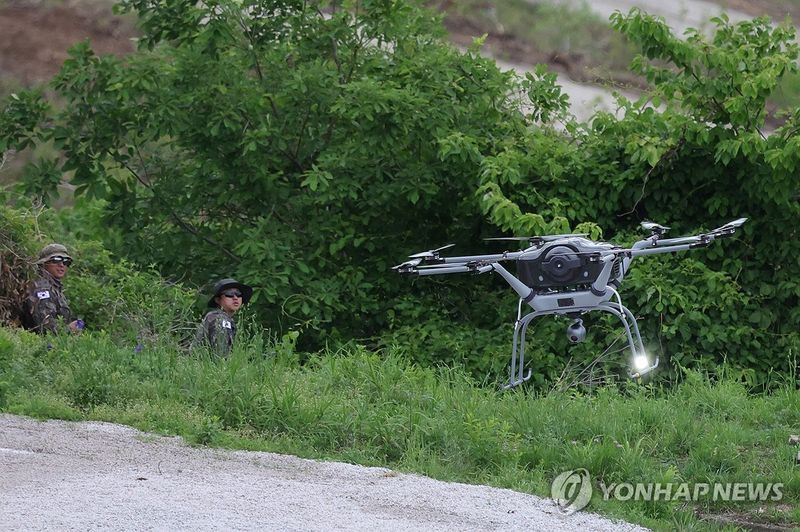
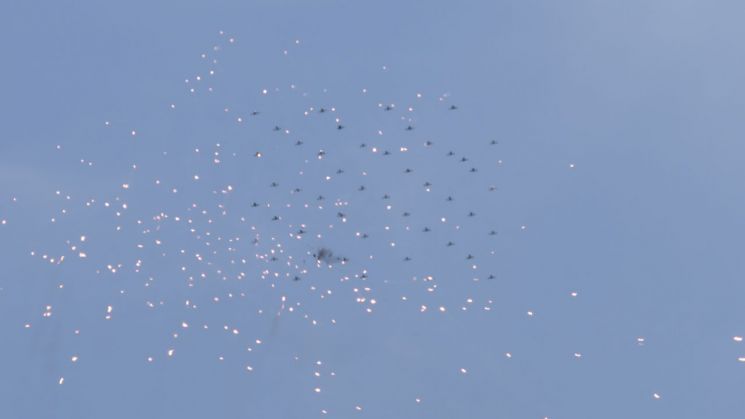
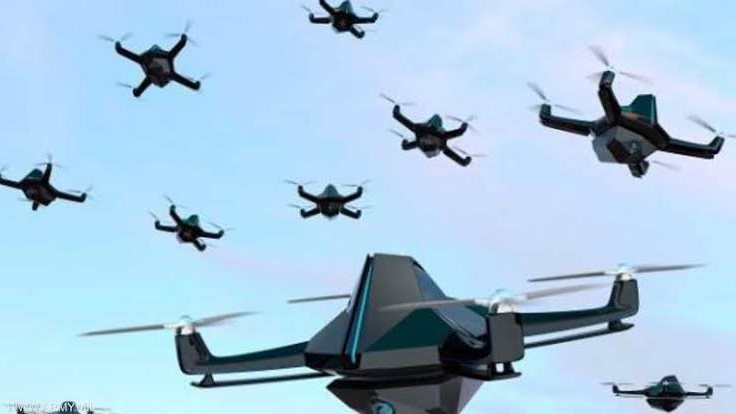
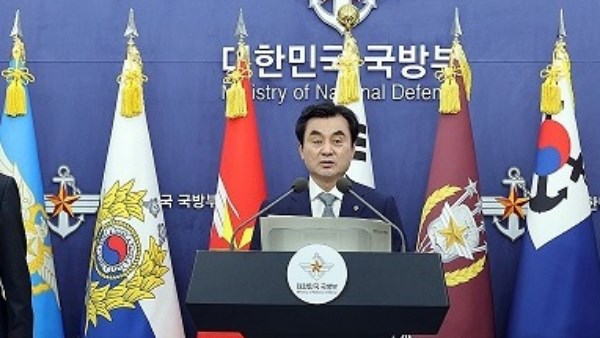
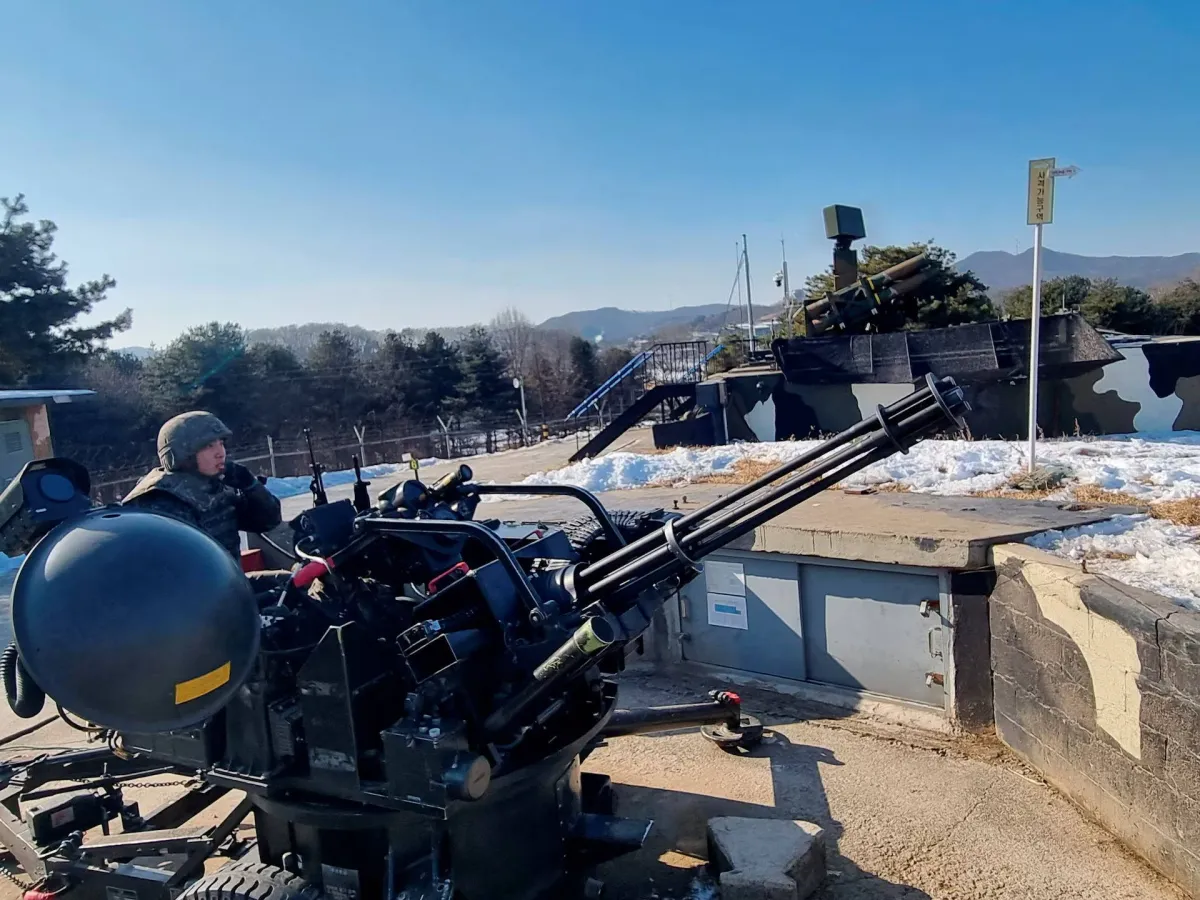
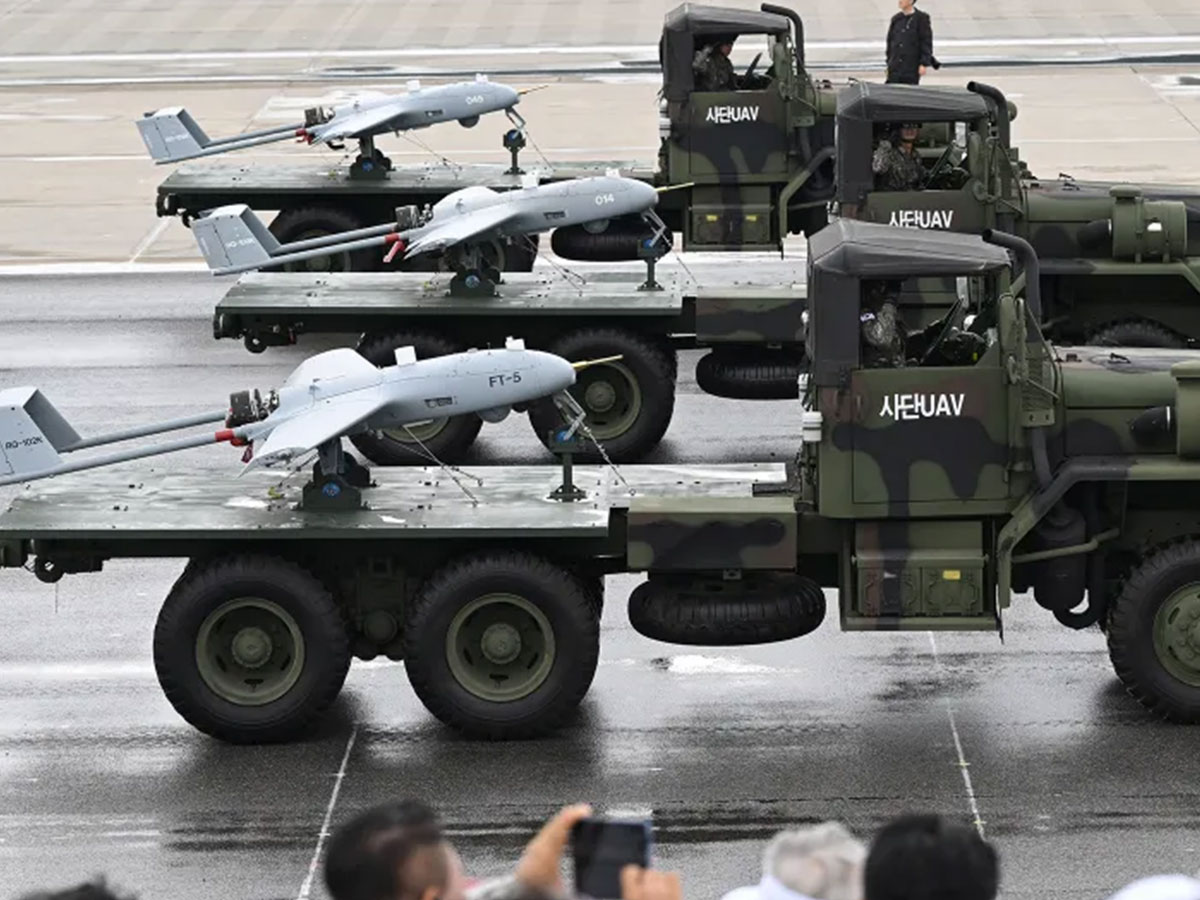
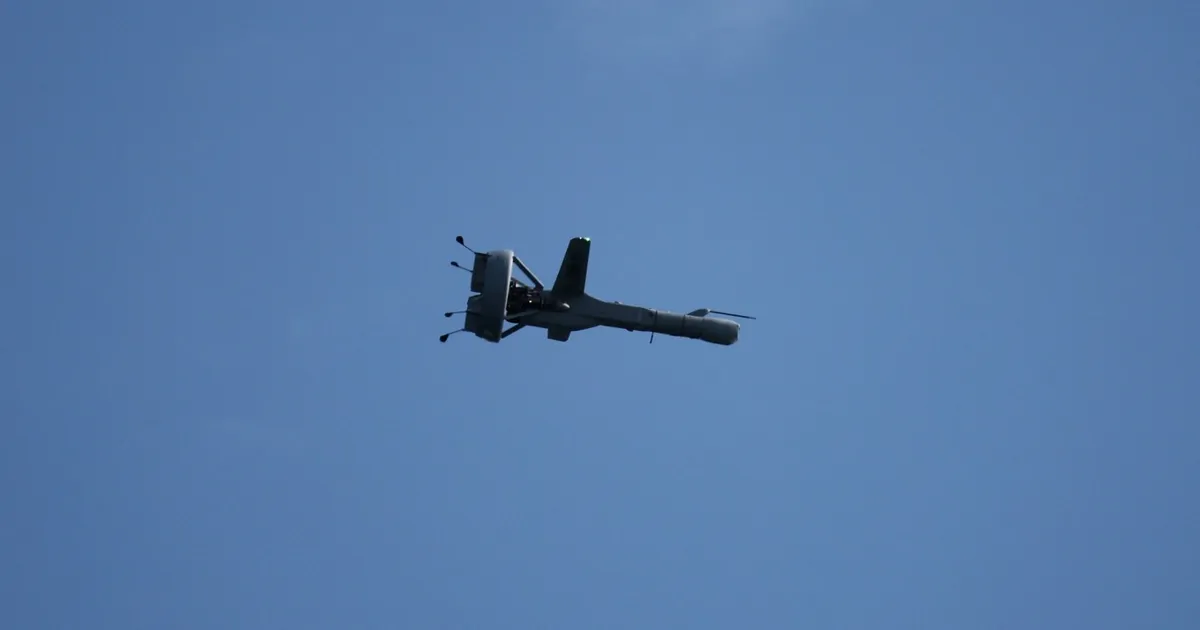
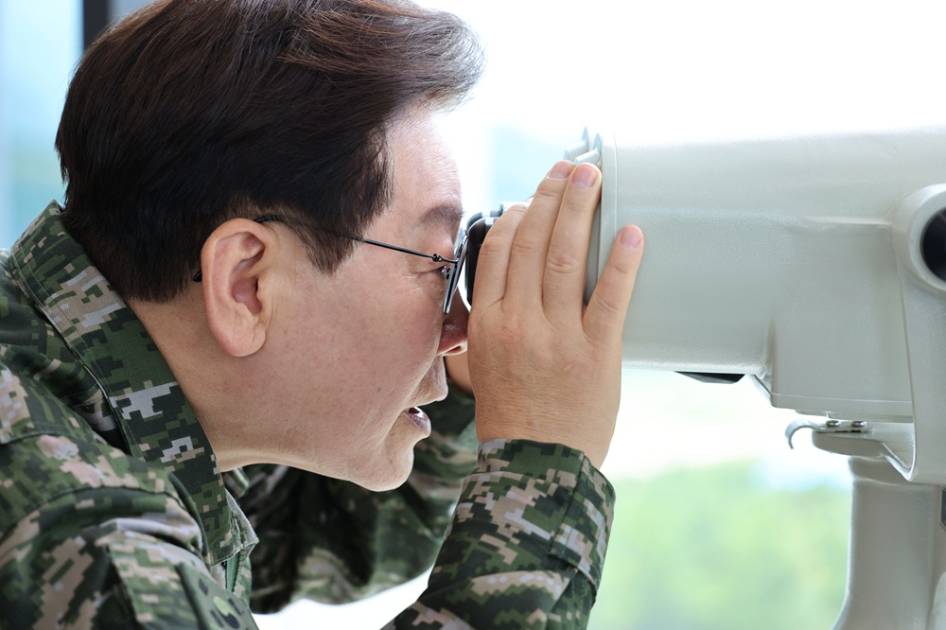
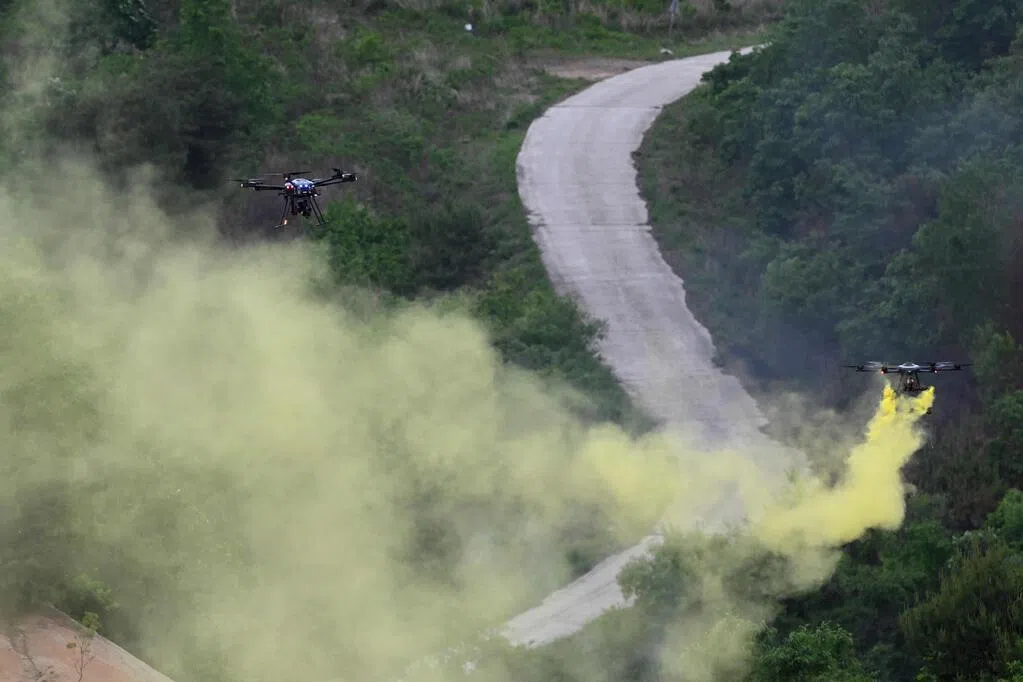
South Korea's Defense Ministry announced plans to rapidly expand its military drone capabilities, including the deployment of AI-enabled suicide drones (K-LUCAS), AI-powered drone swarms, and the training of 500,000 'drone warriors.' These autonomous systems are intended to counter North Korean threats, raising concerns about future AI-driven military harm.[AI generated]

Why's our monitor labelling this an incident or hazard?

The article involves AI systems in the form of military drones, which typically rely on AI for navigation, targeting, and operational autonomy. The event concerns the development and planned use of these AI-enabled systems, which could plausibly lead to harm in the future (e.g., in combat scenarios). Since no actual harm or incident has occurred yet, and the article is about planned expansion and training, this constitutes an AI Hazard rather than an AI Incident. It is not merely complementary information because the focus is on the potential for harm through the deployment of AI-enabled drones, not on responses or updates to past incidents.[AI generated]
AI principles
Respect of human rightsDemocracy & human autonomy

Industries
Government, security, and defence

Affected stakeholders
General public

Harm types
Physical (death)Public interestHuman or fundamental rights

Severity
AI hazard

Business function:
Other

AI system task:
Recognition/object detectionGoal-driven organisation


Articles about this incident or hazard

Thumbnail Image

Coreia do Sul diz que treinará 500 mil "guerreiros de drones" para combater Coreia do Norte

2026-06-26
Terra
Why's our monitor labelling this an incident or hazard?
The article involves AI systems in the form of military drones, which typically rely on AI for navigation, targeting, and operational autonomy. The event concerns the development and planned use of these AI-enabled systems, which could plausibly lead to harm in the future (e.g., in combat scenarios). Since no actual harm or incident has occurred yet, and the article is about planned expansion and training, this constitutes an AI Hazard rather than an AI Incident. It is not merely complementary information because the focus is on the potential for harm through the deployment of AI-enabled drones, not on responses or updates to past incidents.
Thumbnail Image

Corea del Sur formará a 500.000 "guerreros de drones" para responder a la amenaza de Corea del Norte

2026-06-26
infobae
Why's our monitor labelling this an incident or hazard?
The article explicitly mentions the use of AI-controlled drone swarms and autonomous weapon systems as part of South Korea's military modernization. The involvement of AI in autonomous drones and swarms is reasonably inferred from the description of systems controlled by AI and the use of loitering munitions. While the article does not report any direct harm caused by these new systems yet, it clearly outlines the potential for future harm given the military context and prior drone incursions by North Korea. The event is about the development and planned use of AI systems that could plausibly lead to injury, disruption, or escalation of conflict, fitting the definition of an AI Hazard. There is no indication of an actual incident or realized harm at this stage, so it is not an AI Incident. It is also not merely complementary information or unrelated news, as the focus is on the potential risks of AI-enabled military drones.
Thumbnail Image

Corea del Sur formará a 500.000 soldados en el uso de drones para contrarrestar al Norte

2026-06-26
infobae
Why's our monitor labelling this an incident or hazard?
The article explicitly mentions the acquisition and training for the use of drones, which are AI systems capable of autonomous or semi-autonomous operation in military contexts. The drones' intended use includes attack and reconnaissance, which inherently carry risks of harm to people, infrastructure, and communities. Since no actual harm or incident has occurred yet, but the potential for harm is credible and foreseeable given the military context and the nature of the AI systems involved, this event is best classified as an AI Hazard rather than an AI Incident. It is not Complementary Information because it does not provide updates or responses to past incidents, nor is it unrelated as it clearly involves AI systems with potential for harm.
Thumbnail Image

South Korea to train half a million military personnel to become 'drone warriors'

2026-06-26
The Guardian
Why's our monitor labelling this an incident or hazard?
The event involves the development and planned use of AI-enabled drone systems and autonomous weapons, which are AI systems by definition. Although no incident of harm has occurred yet, the large-scale militarization and training for drone warfare, including loitering munitions, plausibly could lead to AI Incidents involving injury, disruption, or violations of rights in future conflicts. The article focuses on the strategic plan and procurement rather than any realized harm, so it does not meet the criteria for an AI Incident. It is not merely complementary information because it highlights a credible future risk from AI systems in military use. Hence, the classification as an AI Hazard is appropriate.
Thumbnail Image

Corée du Sud : Séoul veut acquérir 20.000 drones militaires à bas coût

2026-06-26
Le Figaro.fr
Why's our monitor labelling this an incident or hazard?
The article explicitly mentions the development and planned deployment of AI-piloted drone swarms and other military drones, which are AI systems by definition. The use of these drones in military conflict could plausibly lead to injury, harm to health, disruption of critical infrastructure, and harm to communities. Since the article does not report any realized harm but focuses on the planned acquisition and deployment, it fits the definition of an AI Hazard rather than an AI Incident. The mention of AI-controlled drone swarms and the military context supports the classification as a plausible future risk of harm.
Thumbnail Image

Südkorea will Drohnenstreitkräfte stark ausbauen

2026-06-26
newsORF.at
Why's our monitor labelling this an incident or hazard?
The event involves the development and planned use of a large number of drones in military operations. Given current technological standards, these drones likely incorporate AI systems for autonomous or semi-autonomous functions. The article highlights the intent to make drones a standard weapon for soldiers, which increases the risk of AI-enabled autonomous weapons being widely used. Although no harm has yet occurred, the scale and nature of the deployment plausibly could lead to harms such as injury, escalation of conflict, or violations of rights. Since the article does not report any realized harm or incident but focuses on future plans and potential risks, the classification as an AI Hazard is appropriate.
Thumbnail Image

Defense Ministry Ends Drone Command, Establishes Defense Drone Headquarters

2026-06-26
Chosun.com
Why's our monitor labelling this an incident or hazard?
The article explicitly mentions AI-powered swarm drones and the deployment of kamikaze drones, which are AI systems used for military purposes. While these systems have a high potential for causing harm (injury, disruption), the article does not describe any realized harm or incidents resulting from their use. The focus is on policy development, organizational changes, and accelerated deployment plans, which constitute a credible risk of future harm but no current incident. Therefore, this event qualifies as an AI Hazard rather than an AI Incident or Complementary Information.
Thumbnail Image

Defense Ministry Expands Drone Capabilities, Reorganizes Command

2026-06-26
Chosun.com
Why's our monitor labelling this an incident or hazard?
The event involves the development and planned use of AI-enabled military drone systems, including AI-powered swarm drones, which qualify as AI systems. Although no direct harm or incident is reported, the large-scale deployment and acceleration of these systems in a military context plausibly could lead to harms such as injury, disruption of critical infrastructure, or violations of human rights in future conflicts. The article focuses on policy and capability expansion rather than reporting an actual incident or harm, so it does not meet the criteria for an AI Incident. It is not merely complementary information because the main focus is on the potential implications of these AI-enabled systems. Hence, the classification as an AI Hazard is appropriate.
Thumbnail Image

South Korea to train 500,000 'drone warriors' to counter North Korea

2026-06-26
Reuters
Why's our monitor labelling this an incident or hazard?
The article involves the development and deployment of drones and counter-drone systems, which are highly likely to incorporate AI for autonomous or semi-autonomous operation. The training of a large number of 'drone warriors' and distribution of unmanned systems suggests a significant scale of AI-enabled military capability. Although no harm has yet occurred, the potential for injury, conflict escalation, or other harms is credible and foreseeable. Hence, this event qualifies as an AI Hazard due to the plausible future harm from AI-enabled military drone systems.
Thumbnail Image

Tensions en Asie : "Une deuxième arme personnelle"... Pour faire face à son voisin nord-coréen, la Corée du Sud va produire 60 000 drones d'ici 3 ans

2026-06-26
lindependant.fr
Why's our monitor labelling this an incident or hazard?
The event involves the development and planned use of AI-enabled drone systems in a military context, which can be reasonably inferred to include AI for autonomous or semi-autonomous operation. Although no direct harm has been reported yet, the large-scale production and deployment of such drones in a tense geopolitical context plausibly could lead to harms such as injury, conflict escalation, or disruption. This fits the definition of an AI Hazard, as the AI system's use could plausibly lead to an AI Incident in the future. There is no indication of realized harm or incident at this stage, so it is not an AI Incident. The article is not merely complementary information or unrelated news, as it highlights a credible risk from AI system deployment.
Thumbnail Image

Südkorea will Drohnen-Streitkräfte massiv ausbauen

2026-06-26
der Standard
Why's our monitor labelling this an incident or hazard?
The article explicitly mentions the production and deployment of large numbers of unmanned weapon systems (drones), which are highly likely to incorporate AI for autonomous functions. The scale and military nature of this expansion imply a plausible risk of future harm, such as injury or disruption, from the use of AI-enabled drones in conflict. Since no actual harm or incident has occurred yet, this qualifies as an AI Hazard rather than an AI Incident.
Thumbnail Image

Two countries "on the edge"; 500.000 soldiers to be trained

2026-06-26
B92
Why's our monitor labelling this an incident or hazard?
The article explicitly mentions the introduction of AI-based drone swarm systems and loitering munitions, which are AI systems capable of autonomous or semi-autonomous operation in military contexts. The development and deployment of such systems could plausibly lead to harms such as injury, disruption of critical infrastructure, or escalation of conflict. Since no actual harm or incident is reported yet, but the credible risk is clear, the event fits the definition of an AI Hazard rather than an AI Incident or Complementary Information.
Thumbnail Image

Corea del Sur acelerará despliegue de drones militares contra Corea del Norte

2026-06-27
Excélsior
Why's our monitor labelling this an incident or hazard?
The event involves the development and planned use of military drones, which almost certainly incorporate AI systems for autonomous or semi-autonomous operation. The article discusses the scale-up of drone deployment and defense systems, reflecting a credible risk of future harm related to AI use in military conflict. No actual harm or incident is reported, so it does not qualify as an AI Incident. The focus on future capabilities and potential threats aligns with the definition of an AI Hazard.
Thumbnail Image

South Korea says to train 500,000 'drone warriors' to counter North Korea

2026-06-26
The Straits Times
Why's our monitor labelling this an incident or hazard?
The event involves AI systems as it explicitly mentions AI-based swarm systems and loitering munitions, which are AI-enabled autonomous or semi-autonomous drones. The event concerns the development and planned use of these AI systems in military operations, which could plausibly lead to harms such as injury, disruption, or violations of rights in the context of conflict. No actual harm or incident is reported; the article focuses on future expansion and capability development. Hence, it fits the definition of an AI Hazard, as the AI systems' use could plausibly lead to an AI Incident in the future.
Thumbnail Image

Coreia do Sul vai formar 500 mil soldados como "guerreiros de drones"

2026-06-26
Notícias ao Minuto
Why's our monitor labelling this an incident or hazard?
The event involves the development and planned use of AI-enabled military drones, which are AI systems by definition due to their autonomous or semi-autonomous operational capabilities. The article does not describe any realized harm or incidents but highlights the potential for significant harm given the military context and the scale of deployment. Hence, it fits the definition of an AI Hazard, as the AI systems' use could plausibly lead to injury, disruption, or other harms. There is no indication of an actual incident or complementary information about responses or governance measures, so AI Hazard is the most appropriate classification.
Thumbnail Image

South Korea plans to train entire military as "drone warriors"

2026-06-26
Ars Technica
Why's our monitor labelling this an incident or hazard?
The event involves the use and development of AI-enabled drone systems for military purposes, which can be reasonably inferred to include AI systems for autonomous or semi-autonomous operation, targeting, and surveillance. Although no direct harm or incident is reported, the large-scale militarization and training in drone operation present a credible risk of future AI-related harms, such as injury, disruption, or violations of rights in conflict scenarios. Therefore, this qualifies as an AI Hazard due to the plausible future harm stemming from the deployment and use of AI-powered drones in military contexts. There is no indication of an actual AI Incident or complementary information focused on responses or updates, nor is it unrelated to AI systems.
Thumbnail Image

South Korea to train half a million military personnel to become 'drone warriors' - AOL

2026-06-26
AOL.com
Why's our monitor labelling this an incident or hazard?
The event involves the development and planned use of AI-enabled military drones and loitering munitions, which are AI systems by definition due to their autonomous or semi-autonomous operational capabilities. The article does not report any realized harm from these systems yet but highlights the potential for significant harm in future military conflicts, including injury to persons and disruption of critical infrastructure. The large-scale training and procurement of such systems indicate a credible risk that these AI systems could lead to an AI Incident in the future. Hence, the event is best classified as an AI Hazard rather than an AI Incident or Complementary Information.
Thumbnail Image

Why South Korea wants 500,000 'drone warriors' and 20,000 military drones? WION explains

2026-06-26
WION
Why's our monitor labelling this an incident or hazard?
The event involves AI systems in the form of military drones and autonomous loitering munitions, which are AI-enabled systems used or planned for use in warfare. The article focuses on the development and deployment plans, the strategic rationale, and the potential risks posed by these systems, including escalation and threats to infrastructure and civilian safety. Since no actual harm or incident has been reported yet, but the deployment and use of these AI systems could plausibly lead to significant harm in the future, this qualifies as an AI Hazard. The mention of a political incident involving drone operations is historical context and does not describe a new AI Incident in this article. Therefore, the classification is AI Hazard.
Thumbnail Image

South Korea to train 500,000 'drone warriors' in new military stategy

2026-06-26
UPI
Why's our monitor labelling this an incident or hazard?
The event involves the development and planned deployment of AI-enabled drone systems and counter-drone technologies in a military context, which could plausibly lead to harm such as injury, disruption, or escalation of conflict. No actual harm or incident is described as having occurred yet, so it is not an AI Incident. The focus is on the strategic expansion and training for drone warfare, which represents a credible future risk. Hence, it fits the definition of an AI Hazard rather than an Incident or Complementary Information. It is not unrelated because AI systems are reasonably inferred in the autonomous or semi-autonomous drone operations described.
Thumbnail Image

La Corée du Sud va développer milliers de drones pour faire face à son voisin nord coréen

2026-06-26
Boursier.com
Why's our monitor labelling this an incident or hazard?
The event involves the development and planned deployment of thousands of drones by South Korea for military purposes. Such drones almost certainly incorporate AI systems for autonomous or semi-autonomous operation, including navigation and targeting. The article does not describe any realized harm from these drones yet, but the scale and military nature of the program imply a credible risk of future harm, including injury, conflict escalation, or disruption. This fits the definition of an AI Hazard, as the AI system's development and intended use could plausibly lead to an AI Incident. There is no indication of current harm or incident, so it is not an AI Incident. The article is not merely complementary information or unrelated news, as it highlights a significant development with potential for harm.
Thumbnail Image

Південна Корея кардинально змінює армію: до 2029 року навчать 500 тисяч операторів дронів

2026-06-26
ukranews_com
Why's our monitor labelling this an incident or hazard?
The event involves the development and planned deployment of AI-enabled autonomous drone systems and swarm technologies in the military, which are AI systems by definition. The article does not report any realized harm yet but highlights the scale and intent to integrate AI-powered drones extensively in armed forces, which plausibly could lead to injury, disruption, or other harms in future conflicts. The focus on AI swarm systems and autonomous munitions indicates a credible risk of AI-related harm, meeting the criteria for an AI Hazard. There is no indication of an actual incident or realized harm at this stage, so it is not an AI Incident. The article is not merely complementary information or unrelated news, as it directly concerns the development and use of AI systems with plausible future harm.
Thumbnail Image

South Korea to train 500,000 'drone warriors' to counter North Korea

2026-06-26
Japan Today
Why's our monitor labelling this an incident or hazard?
The event involves the development and planned use of AI-enabled military drone systems and AI-based swarm technologies, which are AI systems by definition. The article does not report any realized harm yet but highlights the potential for these systems to be used in conflict, which could plausibly lead to injury, disruption, or other harms. Therefore, this constitutes an AI Hazard rather than an AI Incident. The article focuses on the expansion and future deployment of these AI systems, indicating a credible risk of harm but no direct or indirect harm has yet materialized.
Thumbnail Image

S. Korea to acquire 20,000 low-cost drones, fast-track 'K-Lucas' suicide drones

2026-06-26
The Korea Herald
Why's our monitor labelling this an incident or hazard?
The article explicitly discusses AI-powered drone swarms and suicide drones being acquired and deployed by the South Korean military, indicating the involvement of AI systems in their operation. The focus is on the development and planned use of these systems, with references to potential threats posed by North Korea's drone capabilities and the strategic implications of widespread drone deployment. No actual harm or incidents caused by these AI systems are reported; rather, the article highlights the potential for harm in future conflicts and the evolving military landscape shaped by AI-enabled drones. This fits the definition of an AI Hazard, as the development and deployment of these AI systems could plausibly lead to harms such as injury, disruption of critical infrastructure, or harm to communities in future military engagements.
Thumbnail Image

Південна Корея підготує півмільйона операторів дронів для боротьби з КНДР, - Reuters

2026-06-26
InternetUA
Why's our monitor labelling this an incident or hazard?
The article explicitly mentions AI-based swarm control systems integrated into military drones, indicating AI system involvement. The event is about the planned development and deployment of these systems, which could plausibly lead to harm (e.g., injury, death, escalation of conflict) if used in combat. Since no harm has yet occurred, it is not an AI Incident. The scale and nature of the planned AI-enabled weapon systems represent a credible risk, qualifying this as an AI Hazard under the framework.
Thumbnail Image

South Korea plans to train 500,000 'drone warriors' after lessons from Ukraine and Iran wars

2026-06-26
TRT World
Why's our monitor labelling this an incident or hazard?
The article explicitly discusses the development and planned use of large numbers of drones equipped with AI capabilities for military purposes, including autonomous surveillance and strike missions. Although no incident of harm is reported, the scale and nature of the deployment imply a credible risk of future harm to human life, infrastructure, and communities, consistent with the definition of an AI Hazard. The event does not describe an actual harm event (AI Incident), nor is it merely complementary information or unrelated news. Hence, it fits the AI Hazard classification.
Thumbnail Image

South Korea to Train 500000 Drone Warriors Against North Korea

2026-06-26
Modern Diplomacy
Why's our monitor labelling this an incident or hazard?
The article explicitly mentions the integration of AI-powered drone swarms and autonomous unmanned systems into South Korea's military operations. These AI systems are being developed and deployed for combat and surveillance purposes, which inherently carry risks of injury, disruption, and other harms in conflict scenarios. Although no incident of harm has yet occurred, the scale and nature of the program imply a credible potential for AI-related harm in the future. The event does not describe an actual harm or incident but highlights a significant plausible future risk, fitting the definition of an AI Hazard rather than an AI Incident or Complementary Information.
Thumbnail Image

Seoul plans complete overhaul of drone operations to combat North Korean threats | NK News

2026-06-26
North Korea News
Why's our monitor labelling this an incident or hazard?
The event involves AI systems in the form of unmanned combat drones, which are likely AI-enabled. However, the article discusses a planned policy and capability expansion without describing any actual harm, malfunction, or misuse of AI systems. Therefore, it does not meet the criteria for an AI Incident. Given the potential for future harm from expanded military drone use, it qualifies as an AI Hazard, reflecting plausible future risks from AI-enabled military drones and counter-drone systems.
Thumbnail Image

S. Korea to push to field 'K-Lucas' suicide drones to bolster unmanned weapons system

2026-06-26
Yonhap News Agency
Why's our monitor labelling this an incident or hazard?
The event involves the development and planned deployment of an AI-enabled autonomous suicide drone system, which is a weapon capable of causing injury or death. While no incident of harm has occurred yet, the nature of the system and its intended use in combat plausibly could lead to injury or harm to persons or groups, qualifying it as an AI Hazard. The article does not describe any realized harm or malfunction, so it is not an AI Incident. It is not merely complementary information because the focus is on the planned deployment of a potentially harmful AI system, not on responses or updates to past events.
Thumbnail Image

(LEAD) S. Korea to push to field 'K-Lucas' suicide drones to bolster unmanned weapons system

2026-06-26
Yonhap News Agency
Why's our monitor labelling this an incident or hazard?
The article explicitly mentions AI-powered drone swarms and the deployment of suicide drones, which are AI systems used for autonomous or semi-autonomous military operations. Although no direct harm or incident has occurred yet, the development and planned deployment of these systems could plausibly lead to AI incidents involving harm to people, critical infrastructure, or communities in the future. Hence, this qualifies as an AI Hazard due to the credible risk posed by the militarization of AI-enabled drones and their potential misuse or malfunction in warfare contexts.
Thumbnail Image

(AMPLIACIÓN) Corea del Sur impulsará el despliegue de su versión del dron suicida 'Lucas' para reforzar su sistema de armas no tripuladas

2026-06-26
Agencia de Noticias Yonhap
Why's our monitor labelling this an incident or hazard?
The event involves the development and planned deployment of AI-enabled autonomous weapon systems (suicide drones and AI-operated drone swarms), which are AI systems by definition. The article focuses on the future deployment and strategic use of these systems, which could plausibly lead to harm such as injury, disruption of critical infrastructure, or harm to communities in conflict scenarios. Since no actual harm from these specific systems is reported yet, but the risk is credible and significant, the event fits the definition of an AI Hazard rather than an AI Incident. It is not Complementary Information because it is not an update or response to a past incident, nor is it unrelated as it clearly involves AI systems with potential for harm.
Thumbnail Image

Coreia do Sul diz que treinará 500 mil "guerreiros de drones" para combater Coreia do Norte

2026-06-26
UOL notícias
Why's our monitor labelling this an incident or hazard?
The event involves the development and intended use of AI-enabled autonomous or semi-autonomous drone systems in a military context. Although no specific harm has yet occurred, the large-scale production and deployment of such AI-powered drones for combat purposes plausibly could lead to significant harms, including injury, disruption, or violations of rights, especially given the geopolitical tensions with North Korea. Therefore, this situation constitutes an AI Hazard due to the credible risk of future harm stemming from the AI systems' deployment and use.
Thumbnail Image

Corea reforzará sus capacidades de drones y sistemas antidrones

2026-06-26
KBS WORLD Radio
Why's our monitor labelling this an incident or hazard?
The article explicitly mentions the development of a new generation of drones equipped with artificial intelligence, which qualifies as AI systems. The policy aims to deploy these AI-enabled drones and counter-drone systems in military contexts, which inherently carry risks of harm (injury, disruption, or other harms) in warfare. Although no harm has yet occurred, the development and planned use of AI-armed drones and countermeasures plausibly could lead to AI incidents in the future. Therefore, this event fits the definition of an AI Hazard rather than an Incident or Complementary Information.
Thumbnail Image

Military to Introduce Long-Range Suicide Drones

2026-06-26
KBS WORLD Radio
Why's our monitor labelling this an incident or hazard?
The event involves the development and planned use of AI-enabled autonomous suicide drones, which are AI systems by definition. Although no actual harm or incident is reported, the introduction of such lethal autonomous weapons systems plausibly leads to significant harm, including injury or death and broader security risks. The article focuses on the policy and development plans rather than an actual incident or harm, so it does not qualify as an AI Incident. It is not merely complementary information because the main focus is on the potential risks and deployment of AI-enabled weapons, not on responses or updates to past incidents. Hence, the classification as an AI Hazard is appropriate.
Thumbnail Image

All S. Korean Soldiers to Be Trained to Fly Drones

2026-06-26
KBS WORLD Radio
Why's our monitor labelling this an incident or hazard?
The article explicitly mentions AI-powered drone swarms and long-range suicide drones, which qualify as AI systems due to their autonomous or semi-autonomous operational capabilities. The event concerns the development and planned use of these systems by the military, which could plausibly lead to harms such as injury or death in warfare. No actual harm or incident is reported yet, so it is not an AI Incident. The event is not merely complementary information or unrelated, as it highlights a credible future risk from AI-enabled military technology. Hence, it fits the definition of an AI Hazard.
Thumbnail Image

O que são 'guerreiros de drones', que Seul planeja usar para conter ameaça da Coreia do Norte

2026-06-27
R7 Notícias
Why's our monitor labelling this an incident or hazard?
The article explicitly mentions the use of AI-controlled drone swarms and autonomous 'suicide drones' as part of South Korea's military expansion plans. These systems fit the definition of AI systems due to their autonomous decision-making capabilities in combat scenarios. Although no harm has yet occurred, the deployment of such AI-enabled weapons systems could plausibly lead to injury, disruption, or other significant harms, meeting the criteria for an AI Hazard. The article does not describe any realized harm or incident, so it is not an AI Incident. It is also not merely complementary information or unrelated, as it focuses on the development and intended use of AI systems with potential for harm.
Thumbnail Image

Corea del Sur apuesta por incluir drones kamikazes para "modernizar" su Fuerza Aérea

2026-06-26
Diario Siglo XXI
Why's our monitor labelling this an incident or hazard?
The event involves AI systems (kamikaze drones) whose autonomous capabilities are central to their function. The article focuses on the planned deployment and training for these drones, highlighting the potential threat they pose to military and civilian targets. Since no actual harm or incident has been reported yet, but the plausible future harm is credible and significant, the event fits the definition of an AI Hazard rather than an AI Incident. It is not merely complementary information because the main focus is on the potential risks and deployment plans, not on responses or updates to past incidents.
Thumbnail Image

Coreia do Sul aposta em drones militares para reforçar defesa contra a Coreia do Norte

2026-06-27
Portal Tela
Why's our monitor labelling this an incident or hazard?
Military drones typically incorporate AI systems for autonomous navigation, target recognition, and decision support. The article discusses the expansion and integration of such drones into military operations, which could plausibly lead to harms such as injury, escalation of conflict, or other military-related harms. Since no actual harm or incident is reported yet, but the potential for harm is credible and foreseeable, this event fits the definition of an AI Hazard rather than an AI Incident or Complementary Information.
Thumbnail Image

South Korea to train half a million military personnel to become drone warriors

2026-06-27
tradebriefs.com
Why's our monitor labelling this an incident or hazard?
The event involves the use of AI systems (drones) in a military context, with a large-scale training program to operate them. While no direct harm is reported yet, the nature of AI-enabled drones in warfare inherently carries a credible risk of causing injury, death, or other harms. The article focuses on the planned training and deployment, indicating plausible future harm rather than an incident that has already occurred. Hence, it fits the definition of an AI Hazard rather than an AI Incident or Complementary Information.
Thumbnail Image

South Korea to accelerate deployment of long-range suicide drones amid evolving warfare

2026-06-26
anews
Why's our monitor labelling this an incident or hazard?
The event involves AI systems as it mentions AI-powered drone swarms, which are autonomous or semi-autonomous systems capable of lethal action. The article does not report any realized harm but highlights the strategic deployment of these systems in warfare, which could plausibly lead to injury, death, or disruption. Therefore, this is a credible future risk scenario related to AI use in military drones, fitting the definition of an AI Hazard rather than an Incident or Complementary Information.
Thumbnail Image

S. Korea Plans 500,000 Combat Drone Operators | Sada Elbalad

2026-06-26
see.news
Why's our monitor labelling this an incident or hazard?
The event involves the planned development and deployment of AI-enabled combat drones, which are AI systems by definition due to their autonomous or semi-autonomous capabilities in military operations. While no actual harm has yet occurred, the scale and nature of the deployment plausibly could lead to AI incidents involving injury, harm to communities, or disruption of critical infrastructure in future conflicts. Therefore, this constitutes an AI Hazard, as the article outlines credible potential for harm stemming from the use of these AI systems in warfare.
Thumbnail Image

South Korea trains half million UAV operators and abandons Chinese parts - Reuters

2026-06-26
censor.net
Why's our monitor labelling this an incident or hazard?
The event explicitly involves AI systems in the form of intelligent swarm UAVs and loitering munitions, which are autonomous or semi-autonomous AI-enabled weapons. The large-scale deployment and training indicate active development and use of these AI systems. Although no incident of harm is reported, the nature of these systems and their intended military use plausibly could lead to injury, harm to communities, or escalation of conflict. The article focuses on the reform and future deployment, not on realized harm, so it fits the definition of an AI Hazard rather than an AI Incident.
Thumbnail Image

Korea fast-tracks K-Lucas suicide drone and plans to arm every soldier with UAVs

2026-06-26
koreajoongangdaily
Why's our monitor labelling this an incident or hazard?
The article explicitly mentions AI-powered drone swarms and autonomous loitering munitions, which qualify as AI systems. The event concerns the development and planned use of these systems in military combat, which could plausibly lead to injury or death (harm to persons) and other harms. No actual harm or incident is reported yet, so it is not an AI Incident. The focus is on the rapid fielding and expansion of these AI-enabled weapons, indicating a credible risk of future harm, thus fitting the definition of an AI Hazard.
Thumbnail Image

South Korea plans to train 500,000 drone warriors

2026-06-26
Political Lore
Why's our monitor labelling this an incident or hazard?
The article explicitly discusses the planned widespread use of drones as weapons by military personnel, which almost certainly involves AI systems for autonomous or semi-autonomous operation. Although no harm has yet occurred, the deployment of AI-enabled drones in large numbers in a military context plausibly leads to significant future harms such as injury, disruption, or escalation of conflict. This fits the definition of an AI Hazard, as the event describes a circumstance where AI system use could plausibly lead to an AI Incident. There is no indication of realized harm or incident yet, so it is not an AI Incident. The article is not merely complementary information or unrelated news, as it highlights a credible risk associated with AI systems in military drones.
Thumbnail Image

South Korea is developing its drone potential

2026-06-26
defence24.com
Why's our monitor labelling this an incident or hazard?
The article explicitly mentions AI-controlled drone swarm systems and the use of drones in a military operation that led to a serious political incident (martial law declaration, coup d'état charges). The AI system's use in drones directly contributed to harm to national security and political stability, which fits the definition of harm to critical infrastructure and communities. The incident has already occurred, so it is not merely a hazard or complementary information. Hence, the event is classified as an AI Incident.
Thumbnail Image

South Korea To Train 500,000 Drone Warriors As Seoul Ramps Up Defences Against North Korea

2026-06-26
arise.tv
Why's our monitor labelling this an incident or hazard?
The event involves AI systems (AI-based swarm systems and autonomous drones) being developed and deployed for military use, which inherently carry risks of harm to people and security. Since no actual harm or incident has occurred yet, but the article clearly outlines the scale and intent of deployment, this fits the definition of an AI Hazard. The potential for injury, disruption, or escalation of conflict due to these AI-enabled systems is credible and plausible, making this a significant AI Hazard rather than an incident or merely complementary information.
Thumbnail Image

[속보] 軍, 드론사 해체하고 '국방드론본부' 신설...정찰·자폭드론 2만대 확보

2026-06-26
Chosun.com
Why's our monitor labelling this an incident or hazard?
The event involves AI systems in the form of AI-enabled swarm drones under development, which could plausibly lead to harm in military contexts. However, no actual harm, malfunction, or incident has occurred yet. The article primarily reports on organizational restructuring and future military drone capabilities, including AI integration, without describing any realized harm or misuse. Therefore, this qualifies as an AI Hazard because the development and deployment of AI-enabled military drones could plausibly lead to incidents involving harm in the future, but no incident has yet occurred.
Thumbnail Image

軍, 한국형 장거리 자폭드론 전력화...저가·소모성 드론 2만대 확보

2026-06-26
mk.co.kr
Why's our monitor labelling this an incident or hazard?
The article explicitly mentions the use of AI technology in next-generation swarm drones and the deployment of suicide drones, which are AI systems by definition. The military use of such AI systems could plausibly lead to harms including injury or death (harm to persons), disruption of critical infrastructure, and broader societal harms. Since the article focuses on the announcement of development and deployment plans without describing any realized harm or malfunction, it fits the definition of an AI Hazard rather than an AI Incident. The presence of AI systems and the potential for significant harm in military applications justify this classification.
Thumbnail Image

軍, 장거리 자폭무인기 'K-LUCAS' 전력화 추진

2026-06-26
연합뉴스
Why's our monitor labelling this an incident or hazard?
The event involves the development and planned use of AI-enabled military drone systems, which are AI systems by definition due to their autonomous or semi-autonomous capabilities and use of AI technologies like swarm intelligence. The article discusses the intended deployment and strategic use of these systems, which could plausibly lead to harms such as injury, disruption, or rights violations in future conflicts. Since no actual harm has occurred yet, and the article is about future deployment and policy, this constitutes an AI Hazard rather than an AI Incident. It is not Complementary Information because it is not an update or response to a past incident, nor is it unrelated as it clearly involves AI systems with potential for harm.
Thumbnail Image

軍, 장거리 자폭무인기 전력화...드론사 해체, 국방드론본부 신설(종합)

2026-06-26
연합뉴스
Why's our monitor labelling this an incident or hazard?
The article explicitly mentions AI technology applied to military drones, including swarm drones, which are AI systems by definition. The focus is on the development and rapid deployment of these systems for combat and reconnaissance roles. No actual harm or incident is reported, but the nature of these AI systems and their intended use in warfare imply a credible risk of future harm (injury, death, or other military-related harms). Hence, this qualifies as an AI Hazard rather than an AI Incident or Complementary Information. It is not unrelated because AI systems are central to the event.
Thumbnail Image

드론작전사령부 해체하고 국방드론본부 신설...'드론 중심 강군' 체제로 전면 개편

2026-06-26
쿠키뉴스
Why's our monitor labelling this an incident or hazard?
The article explicitly mentions AI-based swarm drones and the accelerated deployment of advanced unmanned aerial vehicles with AI capabilities. These systems qualify as AI systems under the definition, as they infer from inputs to generate outputs that influence physical environments (e.g., autonomous or semi-autonomous drone operations). The event concerns the development and use of these AI systems in military contexts, which could plausibly lead to harms such as injury, disruption, or violations of rights in future conflicts. No actual harm or incident is reported yet, so it is not an AI Incident. The focus on future capabilities and organizational changes to support AI-enabled drone operations fits the definition of an AI Hazard. The article also discusses broader strategic and industrial policy responses, but the primary focus is on the plausible future risks from these AI systems.
Thumbnail Image

군, 장거리 자폭무인기 전력화 추진...교육용 드론 6만대 도입

2026-06-26
연합뉴스TV
Why's our monitor labelling this an incident or hazard?
The article explicitly mentions AI-based military drones and swarm drones, which qualify as AI systems due to their autonomous or semi-autonomous capabilities. The event concerns the development and planned deployment of these systems, which could plausibly lead to harms such as injury, death, or disruption in military contexts. Since no actual harm or incident has yet occurred, but the potential for harm is credible and significant, the event fits the definition of an AI Hazard rather than an AI Incident. It is not merely complementary information because the focus is on the development and deployment plans with inherent risk, not on responses or updates to past incidents. It is not unrelated because AI systems are central to the described military drone capabilities.
Thumbnail Image

중동전 활약 저가 드론 2만대 확보...K-루카스 2030년 이전에 전력화

2026-06-26
서울경제
Why's our monitor labelling this an incident or hazard?
The article explicitly involves AI systems in the form of AI-enabled drones and autonomous weapons being developed and deployed by the military. Although no actual harm or incident is described, the rapid acquisition and deployment of large numbers of low-cost AI-powered drones and suicide drones, along with counter-drone and directed-energy weapons, plausibly could lead to significant harms such as injury, death, or disruption of critical infrastructure in future conflicts. The article also discusses legal and organizational frameworks to accelerate AI military technology adoption, which further supports the plausibility of future harm. Since no realized harm is reported, this event is best classified as an AI Hazard rather than an AI Incident.
Thumbnail Image

국방부, 드론사→국방드론본부 개편...정찰·자폭드론 등 2만대 확보

2026-06-26
데일리안
Why's our monitor labelling this an incident or hazard?
The event involves the development and intended use of AI-based military drones, including swarm drones, which are AI systems capable of autonomous or semi-autonomous operation. Although no incident of harm is reported, the scale and nature of these AI-enabled drones imply a credible risk of future harm (e.g., injury, property damage, or broader societal harm) in military contexts. The article focuses on the planned expansion and integration of AI drone capabilities, which fits the definition of an AI Hazard as it could plausibly lead to an AI Incident in the future.
Thumbnail Image

포천 드론사, 국방드론본부로 개편...정책 수립 집중

2026-06-26
OBS경인TV
Why's our monitor labelling this an incident or hazard?
The article does not report any realized harm or incidents caused by AI systems but discusses the establishment and expansion of AI-enabled military drone capabilities and training. Given the nature of these systems and their potential for autonomous operation and lethal use, there is a plausible risk of future harm, including injury or violations of rights. The event is thus best classified as an AI Hazard, reflecting credible potential future harm from the development and deployment of AI-enabled military drones and counter-drone technologies.
Thumbnail Image

[뉴스분석] 軍, '드론사' 대신 국방드론본부로 '진화적' 개편한다

2026-06-26
뉴스핌
Why's our monitor labelling this an incident or hazard?
The article explicitly involves AI systems in the form of military drones and counter-drone technologies, which are AI-enabled systems used for reconnaissance, attack, and defense. The reforms aim to speed up acquisition and deployment, indicating a credible potential for future harm through military use of AI drones. However, no actual harm, injury, rights violation, or disruption has occurred yet as per the article. The focus is on organizational and legislative changes to facilitate rapid deployment and operational use. This fits the definition of an AI Hazard, where the development and use of AI systems could plausibly lead to an AI Incident in the future. It is not an AI Incident because no harm has materialized, nor is it Complementary Information or Unrelated since the article centers on AI-enabled military drone systems and their potential impact.
Thumbnail Image

한국형 '장거리 자폭무인기' 띄운다...K-LUCAS 2030년 전 배치 - 이비엔(EBN)뉴스센터

2026-06-26
이비엔(EBN)뉴스센터
Why's our monitor labelling this an incident or hazard?
The article focuses on the planned development and deployment of AI-enabled military drones and related systems, which are not yet operational or involved in any harmful event. The presence of AI is reasonably inferred from the mention of AI-applied swarm drones and autonomous drone operations. The potential for these systems to cause harm in future military conflicts is credible, given their strategic strike and defense roles. Since no harm has yet materialized, this constitutes an AI Hazard rather than an AI Incident. The article does not report on any realized harm or incident, nor is it primarily about responses or updates to past events, so it is not Complementary Information.
Thumbnail Image

현대전 핵심 떠오른 '드론'...국방부, AI기반 '장거리 자폭무인기'(K-LUCAS) 전력화 총력

2026-06-26
디지털데일리
Why's our monitor labelling this an incident or hazard?
The event involves AI systems explicitly, such as AI-based swarm drones and AI integration in military drones. However, the article discusses plans, development, and policy announcements without describing any realized harm or incidents caused by these AI systems. The potential for harm exists given the military application of AI-enabled drones, but no direct or indirect harm has occurred or is reported. Therefore, this event qualifies as an AI Hazard because it plausibly could lead to harm in the future due to the deployment of AI-enabled lethal autonomous or semi-autonomous weapons systems, but no incident has yet materialized.
Thumbnail Image

드론 전력 대폭 확대...국방부, 2030년 이전 한국형 자폭무인기 실전 배치 추진

2026-06-26
포인트데일리
Why's our monitor labelling this an incident or hazard?
The article explicitly mentions AI-based military drones, including autonomous swarm drones and suicide drones, which are AI systems by definition. The event concerns the development and planned deployment of these systems, which could plausibly lead to harms such as injury or death, disruption of critical infrastructure, or other significant harms in conflict scenarios. Since no actual harm has yet occurred but the deployment is imminent and the risks are credible, this constitutes an AI Hazard rather than an AI Incident. The article does not describe a realized harm or incident, nor is it primarily about responses or updates to past incidents, so it is not Complementary Information. It is clearly related to AI systems and their potential impacts, so it is not Unrelated.
Thumbnail Image

軍, 장거리 자폭무인기 전력화...드론사 해체, 국방드론본부 신설(종합)

2026-06-26
파이낸셜뉴스
Why's our monitor labelling this an incident or hazard?
The article explicitly mentions AI technology applied to military drones, including swarm drones, which qualify as AI systems due to their autonomous or semi-autonomous operational capabilities. The event concerns the development and planned deployment of these systems, not an actual incident causing harm. The military use of AI-enabled suicide drones and counter-drone systems could plausibly lead to harms such as injury or violations of rights, fulfilling the criteria for an AI Hazard. There is no report of realized harm or malfunction, so it is not an AI Incident. The article is not primarily about responses or updates to past incidents, so it is not Complementary Information. Hence, the classification is AI Hazard.
Thumbnail Image

국방부, 장거리 자폭무인기 전력화...국방드론본부 신설 | 아주경제

2026-06-26
아주경제
Why's our monitor labelling this an incident or hazard?
The event involves the development and planned deployment of AI-enabled military drones, which are AI systems with potential for significant harm. Since no actual harm has occurred yet, but the deployment of such systems could plausibly lead to AI incidents involving injury, disruption, or violations of rights, this qualifies as an AI Hazard. The article does not describe any realized harm or malfunction, so it is not an AI Incident. It is more than general AI news or policy update, as it highlights the potential risks associated with these AI-enabled weapons.
Thumbnail Image

국방부, 드론작전사령부→국방드론본부로 개편 [현장영상]

2026-06-26
채널A
Why's our monitor labelling this an incident or hazard?
The article explicitly discusses military drones, including suicide drones and reconnaissance drones, which are typically equipped with AI systems for autonomous navigation and targeting. The restructuring and expansion of drone forces with thousands of drones implies a significant increase in AI-enabled military capabilities. While no direct harm is reported in the article, the development and deployment of such AI-enabled autonomous weapons systems plausibly pose risks of harm, including injury, disruption, or violations of rights, if used in conflict. Therefore, this event constitutes an AI Hazard due to the credible potential for future harm stemming from the AI systems involved in these military drones.
Thumbnail Image

국방부, 한국형 장거리 자폭무인기 'K-LUCAS' 전력화 추진 - 인더스트리뉴스

2026-06-26
인더스트리뉴스
Why's our monitor labelling this an incident or hazard?
The article explicitly mentions the use of AI in next-generation swarm drones and the development of autonomous or semi-autonomous combat drones. Although no harm has yet occurred, the deployment of AI-enabled lethal drones inherently carries plausible risks of injury, death, and other harms associated with military operations. The event concerns the development and planned use of AI systems with high potential for misuse and harm, fitting the definition of an AI Hazard. There is no indication of an actual incident or realized harm, so it is not an AI Incident. The article is not merely complementary information or unrelated, as it focuses on the development and deployment plans of AI-enabled military systems with plausible future harm.
Thumbnail Image

'무인기 논란' 드론사, 본부로 개편...장거리 자폭무인기 전력화

2026-06-26
매일방송
Why's our monitor labelling this an incident or hazard?
The article explicitly discusses the development and operationalization of AI-enabled military drones, including long-range suicide drones similar to known autonomous weapon systems. Although no direct harm or incident is reported, the nature of these systems and their intended use in military conflict plausibly could lead to significant harm, including injury or death and disruption of critical infrastructure. The reorganization of the drone command and expansion of drone capabilities further indicate an increased scale and potential impact. Hence, this event fits the definition of an AI Hazard, as it plausibly could lead to an AI Incident in the future.
Thumbnail Image

드론작전사령부 '드론작전본부'로 개편, 본부장은 '소장급'

2026-06-26
아시아투데이
Why's our monitor labelling this an incident or hazard?
The article explicitly discusses the development and deployment of AI-enabled military drones and counter-drone systems, which are AI systems by definition due to their autonomous or semi-autonomous operational capabilities. Although no actual harm or incident is reported, the nature of these systems and their intended military use imply a credible risk of future harm, such as injury, disruption, or escalation of conflict. The event is thus best classified as an AI Hazard, reflecting the plausible future harms associated with these AI systems in military contexts. There is no indication of a realized incident or harm, nor is the article primarily about responses or updates to past incidents, so AI Hazard is the appropriate classification.
Thumbnail Image

드론작전사 해체·국방드론본부 신설... "타격 드론, 각 군으로 분산 배치"

2026-06-26
뉴스핌
Why's our monitor labelling this an incident or hazard?
The article involves AI systems insofar as it discusses AI-applied swarm drones and the integration of AI in military drone capabilities. However, it does not describe any incident where AI use has directly or indirectly caused harm, nor does it report a near-miss or credible imminent risk of harm from AI systems. Instead, it outlines organizational restructuring, policy shifts, capability expansion, and future plans involving AI in military drones. This fits the definition of Complementary Information, as it provides important context and updates on AI system development and governance without reporting a new AI Incident or AI Hazard.
Thumbnail Image

軍, 장거리 자폭무인기 'K-LUCAS' 전력화 추진

2026-06-26
파이낸셜뉴스
Why's our monitor labelling this an incident or hazard?
The event involves AI systems (AI-enabled drones and swarm drones) in military applications, specifically autonomous or semi-autonomous suicide drones and counter-drone systems. The article discusses the development and planned deployment of these systems, which could plausibly lead to harms such as injury, death, or disruption in military conflict. No actual harm or incident is reported yet, so it does not meet the criteria for an AI Incident. The focus is on future risk and strategic military capability development, not on responses or updates to past incidents, so it is not Complementary Information. Hence, the classification as an AI Hazard is appropriate.
Thumbnail Image

군, 자폭드론 등 드론 2만대 이상 확보

2026-06-26
아시아경제
Why's our monitor labelling this an incident or hazard?
The article explicitly mentions the use of AI technology in military drones, including swarm drones, which are AI-enabled systems designed for autonomous or semi-autonomous combat operations. The acquisition and deployment of such systems inherently carry risks of harm to persons and critical infrastructure in warfare. Although no specific incident of harm has occurred or is reported, the nature of these AI systems and their intended use in combat plausibly could lead to AI incidents involving injury or death. Therefore, the event is best classified as an AI Hazard, reflecting the credible risk posed by the development and deployment of AI-enabled lethal drones.
Thumbnail Image

국방부 "장거리 자폭무인기 등 '드론·대드론 전력' 대폭 확충

2026-06-26
연합뉴스TV
Why's our monitor labelling this an incident or hazard?
The event involves the development and planned deployment of AI-enabled military drones and counter-drone systems, which are AI systems by definition. While no harm has yet occurred, the nature of these systems and their intended use in warfare plausibly could lead to AI incidents involving injury, disruption, or rights violations. Therefore, this constitutes an AI Hazard rather than an AI Incident. The article is not merely general AI news or complementary information because it focuses on the policy to expand AI-enabled military drone capabilities with potential for harm.
Thumbnail Image

كوريا الجنوبية تعزز قدراتها في مجال الطائرات المسيّرة ووسائل التصدي لها

2026-06-26
France 24
Why's our monitor labelling this an incident or hazard?
The article explicitly involves AI systems in the form of AI-designed drone swarms and autonomous military drones. The development and intended use of these systems could plausibly lead to harms such as disruption of critical infrastructure or escalation of conflict, fitting the definition of an AI Hazard. Although a past drone operation incident is referenced, it is not the main subject of the article and no new direct harm is reported. The focus is on future capabilities and defense measures, indicating potential rather than realized harm. Hence, the classification as AI Hazard is appropriate.
Thumbnail Image

كوريا الجنوبية تدرب نصف مليون عسكري ليصبحوا "محاربي الدرون"

2026-06-26
صدى البلد
Why's our monitor labelling this an incident or hazard?
The event involves the development and planned use of AI-enabled drone systems by the military, which are AI systems as they perform autonomous or semi-autonomous reconnaissance and attack tasks. The article does not report any realized harm or incident caused by these AI systems yet, but the scale and nature of the deployment plausibly could lead to injury, disruption, or other harms in the future. Hence, it fits the definition of an AI Hazard rather than an AI Incident. It is not merely complementary information because the focus is on the planned deployment and capability expansion with potential for harm, not on responses or updates to past incidents. It is not unrelated because AI systems (drones) are central to the event.
Thumbnail Image

كوريا الجنوبية تعتزم إدخال نظام طائرات مسيرة انتحارية لتعزيز منظومة الأسلحة غير المأهولة لديها

2026-06-26
صدى البلد
Why's our monitor labelling this an incident or hazard?
The event involves the development and planned deployment of AI-enabled autonomous loitering munitions (suicide drones) and AI-supported drone swarms, which are AI systems by definition due to their autonomous navigation, target selection, and attack capabilities. The article focuses on the intended use of these systems in combat, which inherently carries a credible risk of causing injury, death, and disruption of critical infrastructure. Since no actual harm is reported yet but the deployment and use of such systems could plausibly lead to significant harm, this qualifies as an AI Hazard under the OECD framework. The event is not merely general AI news or a product launch but a strategic military development with clear potential for harm.
Thumbnail Image

كوريا الجنوبية تعتزم تدريب 500 ألف "مسيّرة محاربة" لمواجهة جارتها الشمالية

2026-06-26
صحيفة الشرق الأوسط
Why's our monitor labelling this an incident or hazard?
The event involves the development and planned use of AI-enabled unmanned combat drones, which are AI systems by definition due to their autonomous or semi-autonomous capabilities. The article does not report any realized harm but highlights the intention to deploy these systems extensively in a military context, which plausibly could lead to injury, disruption, or other harms. The mere large-scale production and deployment of AI-powered combat drones with offensive capabilities constitute a credible future risk, fitting the definition of an AI Hazard. There is no indication of an actual incident or harm yet, so it is not an AI Incident. The article is not merely complementary information or unrelated, as it focuses on the potential risks and military escalation involving AI systems.
Thumbnail Image

كوريا الجنوبية تدرب نصف مليون مسيّرة محاربة لمواجهة جارتها الشمالية

2026-06-26
العربي الجديد
Why's our monitor labelling this an incident or hazard?
The event involves the development and planned use of AI-enabled military drones (combat unmanned aerial vehicles), which are AI systems by definition due to their autonomous or semi-autonomous operational capabilities. The article highlights the scale and intent of deployment, which implies a credible risk of future harm (injury, disruption, or other military-related harms). Since no actual harm or incident has occurred yet, but the potential for harm is credible and significant, the classification as an AI Hazard is appropriate. There is no indication of realized harm or incident, nor is the article primarily about responses or updates to past incidents, so AI Incident or Complementary Information classifications do not apply.
Thumbnail Image

كوريا الجنوبية تعتزم إدخال مسيرات انتحارية بعيدة المدى إلى الخدمة

2026-06-26
سبأنت - وكالة سبأ
Why's our monitor labelling this an incident or hazard?
The described drones are AI-enabled autonomous or semi-autonomous systems intended for combat, which fits the definition of an AI system. The event concerns the planned use (development and deployment) of these systems, which could plausibly lead to harms such as injury, death, or infrastructure disruption. Since no actual harm has occurred yet, but the risk is credible and foreseeable, this qualifies as an AI Hazard rather than an AI Incident. The article does not focus on responses, mitigation, or broader ecosystem context, so it is not Complementary Information. It is directly related to AI systems and their potential harm, so it is not Unrelated.
Thumbnail Image

كوريا الجنوبية تعتزم إنتاج 110 آلاف طائرة مسيرة بحلول 2029

2026-06-26
Qatar News Agency
Why's our monitor labelling this an incident or hazard?
The event involves the development and intended use of AI-enabled autonomous or semi-autonomous military drones, which are AI systems by definition. The article does not describe any realized harm or incident but highlights the potential for increased military threats and harm due to these systems. Therefore, it fits the definition of an AI Hazard, as the development and deployment of these AI systems could plausibly lead to AI Incidents involving injury, disruption, or other harms in the future.
Thumbnail Image

(جديد) كوريا الجنوبية تعتزم إدخال نظام طائرات مسيرة انتحارية لتعزيز منظومة الأسلحة غير المأهولة لديها | وكالة يونهاب للانباء

2026-06-26
وكالة يونهاب للأنباء
Why's our monitor labelling this an incident or hazard?
The event involves the development and intended use of AI-enabled autonomous weapon systems (loitering munitions and AI-supported drone swarms) which are designed to autonomously identify and strike targets, thus meeting the definition of an AI system. The article describes plans to deploy these systems in combat, which could plausibly lead to injury, death, or other harms associated with armed conflict. Since the harm is potential and not yet realized, this qualifies as an AI Hazard rather than an AI Incident. The article does not describe any actual harm or malfunction yet, but the credible risk of future harm from these weapons is clear.
Thumbnail Image

كوريا الجنوبية تعلن تدريب 500 ألف مسيّرة لمواجهة جارتها الشمالية

2026-06-26
Asharq News
Why's our monitor labelling this an incident or hazard?
The event involves the development and planned use of AI-enabled autonomous or semi-autonomous drones (suicide drones) for military combat purposes. While no actual harm or incident is reported, the deployment of such systems could plausibly lead to injury, harm to people, disruption of critical infrastructure, or harm to communities, fulfilling the criteria for an AI Hazard. The article focuses on the expansion and militarization of AI drone systems, which inherently carry significant risks of harm in conflict scenarios. Hence, it is not an AI Incident (no realized harm), nor Complementary Information (not a response or update), nor Unrelated (clearly involves AI systems with potential harm).
Thumbnail Image

كوريا الجنوبية تعتزم إدخال نظام طائرات مسيرة انتحارية لتعزيز منظومة الأسلحة غير المأهولة لديها | وكالة يونهاب للانباء

2026-06-26
وكالة يونهاب للأنباء
Why's our monitor labelling this an incident or hazard?
The event involves the planned development and deployment of AI-enabled autonomous loitering munitions (suicide drones) for combat. Such systems qualify as AI systems due to their autonomous decision-making capabilities in targeting and attack. Although no harm has yet occurred, the introduction of these weapons plausibly leads to AI incidents involving injury, loss of life, or escalation of conflict. Therefore, this event is best classified as an AI Hazard, reflecting the credible potential for future harm stemming from the use of these AI systems in military contexts.
Thumbnail Image

كوريا الجنوبية تدرب نصف مليون مسيّرة محاربة لمواجهة جارتها الشمالية

2026-06-26
العربي الجديد
Why's our monitor labelling this an incident or hazard?
The article explicitly discusses the development and planned deployment of large numbers of combat drones, which are AI systems or AI-enabled systems. The drones are intended for military use, including offensive capabilities (e.g., self-destructing munitions), which inherently carry risks of injury, death, and disruption. While the article does not report any actual harm occurring yet, the scale and nature of the deployment make it plausible that these AI systems could lead to significant harm in the future. Hence, this is an AI Hazard rather than an AI Incident. The article does not focus on responses, mitigation, or complementary information, nor is it unrelated to AI systems.
Thumbnail Image

كوريا الجنوبية تعزز قدراتها العسكرية في مجال المسيّرات

2026-06-26
مركز الاتحاد للأخبار
Why's our monitor labelling this an incident or hazard?
The event involves the development and intended use of AI-enabled military drone systems and drone swarms, which are AI systems by definition due to their autonomous or semi-autonomous capabilities and AI-based coordination. The article does not report any realized harm yet but clearly indicates the potential for significant harm in military conflict scenarios, including injury, disruption, and harm to communities. Therefore, this is a plausible future harm scenario related to AI systems, fitting the definition of an AI Hazard rather than an AI Incident or Complementary Information.
Thumbnail Image

سيول توسع قدراتها في مجال المسيرات لمواجهة بيونغ يانغ

2026-06-26
اندبندنت عربية
Why's our monitor labelling this an incident or hazard?
The article explicitly mentions the use of AI in drone swarms and the large-scale production of drones for military use, which qualifies as AI systems. While no actual harm or incident is reported, the development and deployment of AI-enabled military drones inherently carry plausible risks of causing harm in future conflicts, including injury, disruption, or violations of rights. Thus, this is an AI Hazard rather than an Incident or Complementary Information. It is not unrelated because AI systems are central to the described military expansion.
Thumbnail Image

لمواجهة تهديدات بيونغ يانغ.. سول تعلن خططا لإنتاج عشرات الآلاف من المسيّرات

2026-06-27
الجزيرة نت
Why's our monitor labelling this an incident or hazard?
The event involves the development and planned use of AI-enabled drone swarms and other drones as weapons, which are military AI systems. Although no specific harm has yet occurred from these new plans, the article clearly indicates a credible risk of future harm including injury, disruption, and escalation of conflict. The AI system's role is pivotal in the design and operation of these drones. Since the harm is potential and not yet realized, this is classified as an AI Hazard rather than an AI Incident. The article does not focus on responses or updates to past incidents but on new plans and capabilities, so it is not Complementary Information. It is clearly related to AI systems and their military use, so it is not Unrelated.
Thumbnail Image

韩国拟训练50万"无人机战士"以对抗朝鲜 - 国际 - 即时国际

2026-06-26
星洲日报
Why's our monitor labelling this an incident or hazard?
The event involves the development and intended use of AI-enabled drone swarm systems and loitering munitions by the South Korean military, which are AI systems designed for autonomous or semi-autonomous operations in combat. Although no specific harm has yet occurred, the deployment and proliferation of such AI-enabled military drones plausibly could lead to harms such as injury or death (harm to persons), disruption of critical infrastructure, or other significant harms in the context of military conflict. Therefore, this event constitutes an AI Hazard, as it plausibly could lead to AI Incidents involving harm in the future. There is no indication that harm has already occurred, so it is not an AI Incident. The article is not merely complementary information or unrelated news, as it focuses on the planned development and deployment of AI-enabled military drone systems with potential for harm.
Thumbnail Image

韩国防部:将培训50万名"无人机战士"应对朝鲜

2026-06-26
早报
Why's our monitor labelling this an incident or hazard?
The event involves AI systems (AI-based drone swarms) in military use, which could plausibly lead to harms such as injury, disruption, or escalation of conflict. Since the article discusses plans and intentions rather than realized harm or incidents, it fits the definition of an AI Hazard. There is no indication of an actual AI Incident occurring, nor is the article primarily about responses or updates to past incidents, so it is not Complementary Information. It is clearly related to AI systems and their potential impact, so it is not Unrelated.
Thumbnail Image

韩防长:将加速部署韩版远程自爆式无人机系统

2026-06-26
韩联社(韩国联合通讯社)
Why's our monitor labelling this an incident or hazard?
The announcement involves the development and deployment of AI-enabled military drones, including swarm drones, which are AI systems designed for autonomous or semi-autonomous combat operations. Although no harm has yet occurred, the deployment of such systems could plausibly lead to injury or harm to people and communities, qualifying this as an AI Hazard. There is no indication of an actual incident or realized harm at this stage, so it is not an AI Incident. The focus is on future deployment and capability development, not on responses or updates to past incidents, so it is not Complementary Information. Therefore, the event is best classified as an AI Hazard.
Thumbnail Image

韩军:韩国型远程自杀式无人机将投入使用 无人机作战司令部予以重组

2026-06-26
KBS WORLD Radio
Why's our monitor labelling this an incident or hazard?
The event involves the development and planned use of AI-enabled military drones, including swarm drones, which are AI systems by definition due to their autonomous or semi-autonomous operational capabilities. The article does not describe any realized harm or incident caused by these systems but highlights the potential for strategic military use that could plausibly lead to harm in future conflicts. Therefore, this qualifies as an AI Hazard because it describes credible future risks associated with AI systems in military applications, without reporting an actual incident or harm yet.
Thumbnail Image

韩国国防部发布无人机作战司令部改编计划

2026-06-26
3w.huanqiu.com
Why's our monitor labelling this an incident or hazard?
The article explicitly mentions AI technology integrated into swarm drones, which qualifies as AI systems. The event concerns the development and deployment plans of these systems, not an actual incident causing harm. However, the military use of AI-enabled drones, especially swarm drones, carries plausible risks of harm including injury, disruption, or escalation of conflict. The restructuring of command to focus on drone and counter-drone development further supports the significance of AI in this context. Since no realized harm is described but plausible future harm is credible, the classification as an AI Hazard is appropriate.
Thumbnail Image

韩国国防部 拟训练50万无人机战士 | 中國報 China Press

2026-06-27
中國報 China Press
Why's our monitor labelling this an incident or hazard?
The event involves the development and planned deployment of AI-enabled unmanned combat drones and training of personnel to operate them extensively. While no direct harm is reported yet, the large-scale militarization and integration of AI-powered drones into frontline forces plausibly could lead to significant harms such as injury or death in conflict, disruption of critical infrastructure, or violations of human rights. The article describes a credible future risk scenario stemming from the use of AI systems in warfare. Therefore, this qualifies as an AI Hazard due to the plausible potential for harm from the development and deployment of these AI systems in military operations.