US Government Restricts Release of Advanced AI Models Over Cybersecurity Concerns

Thumbnail Image

The information displayed in the AIM should not be reported as representing the official views of the OECD or of its member countries.

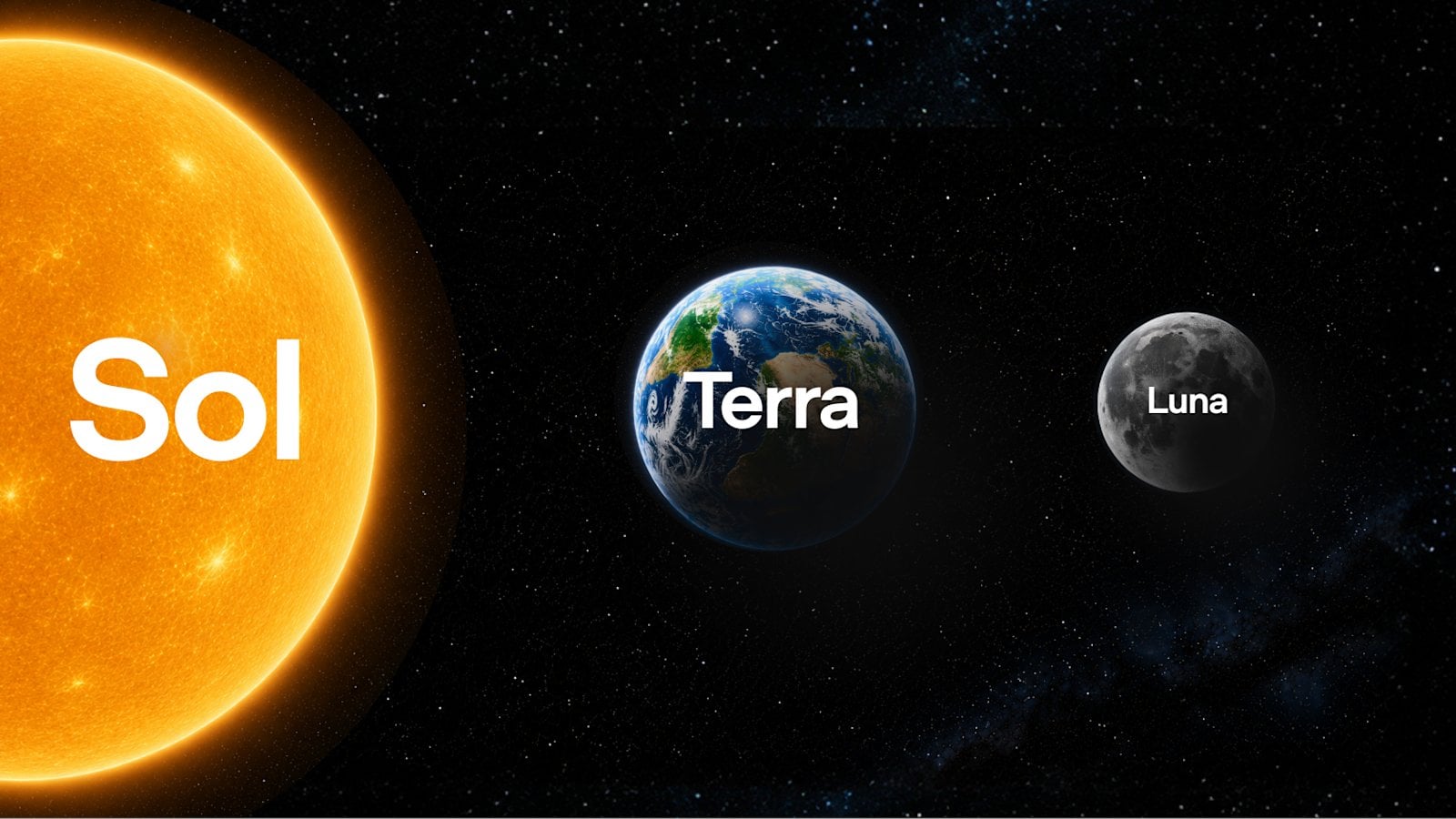
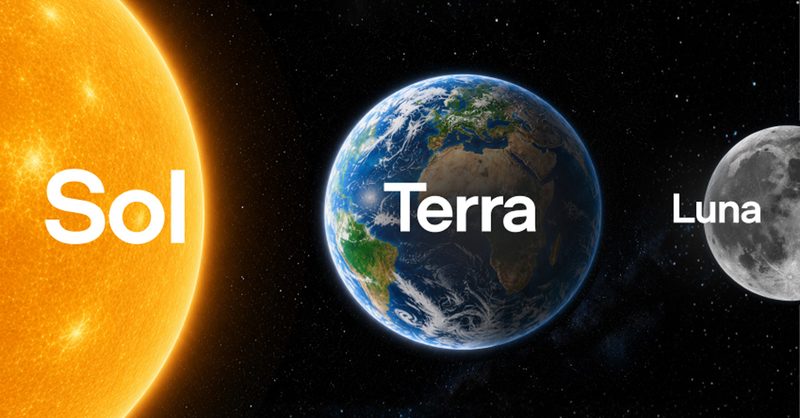
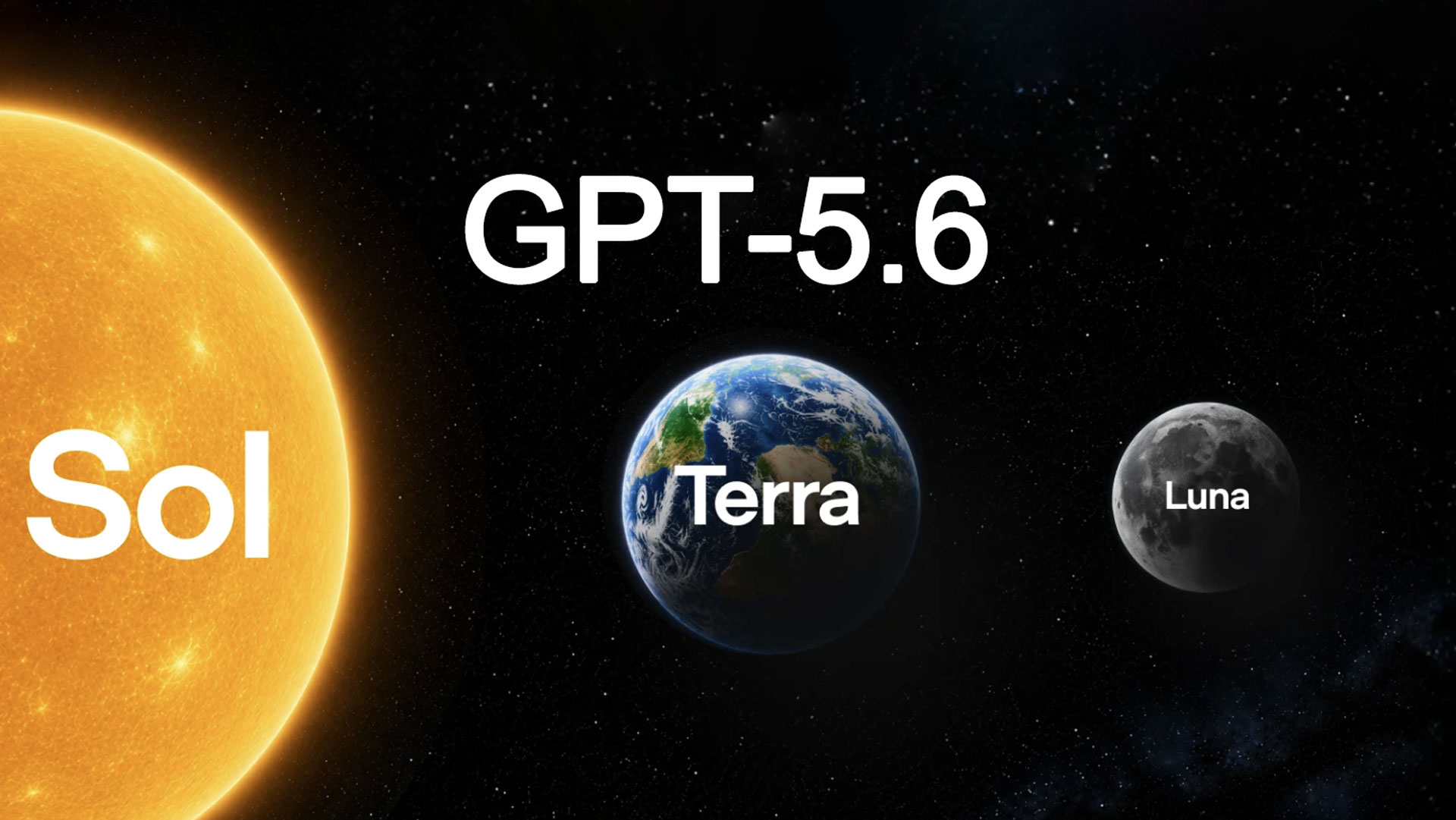
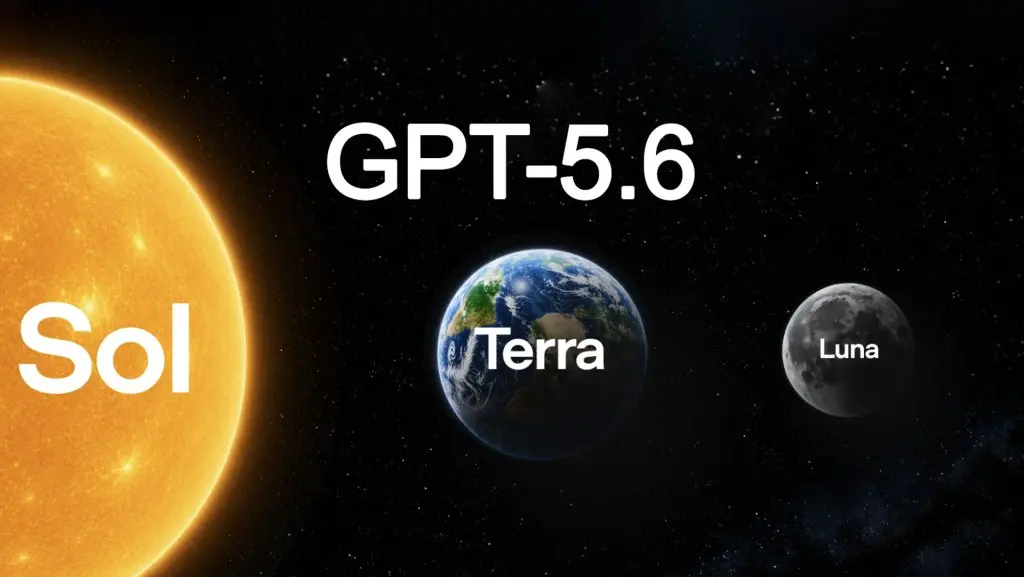
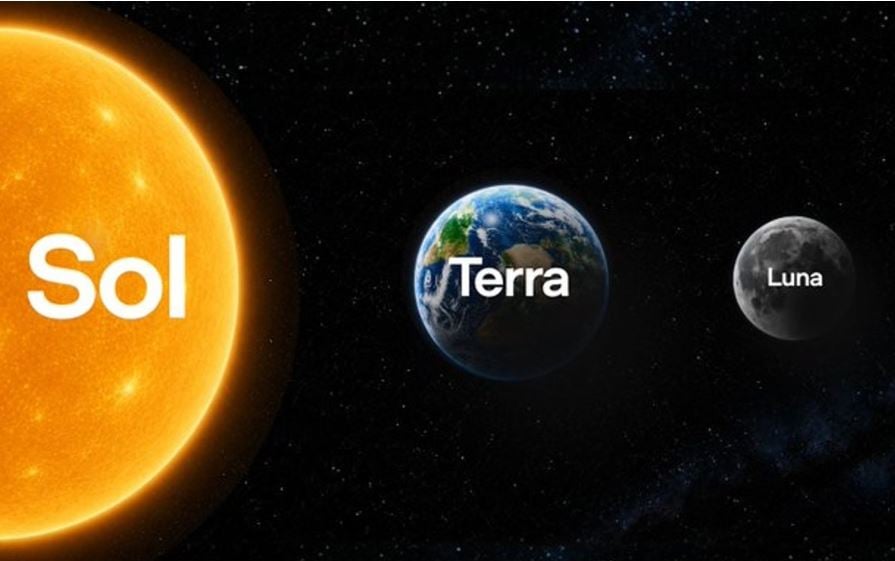
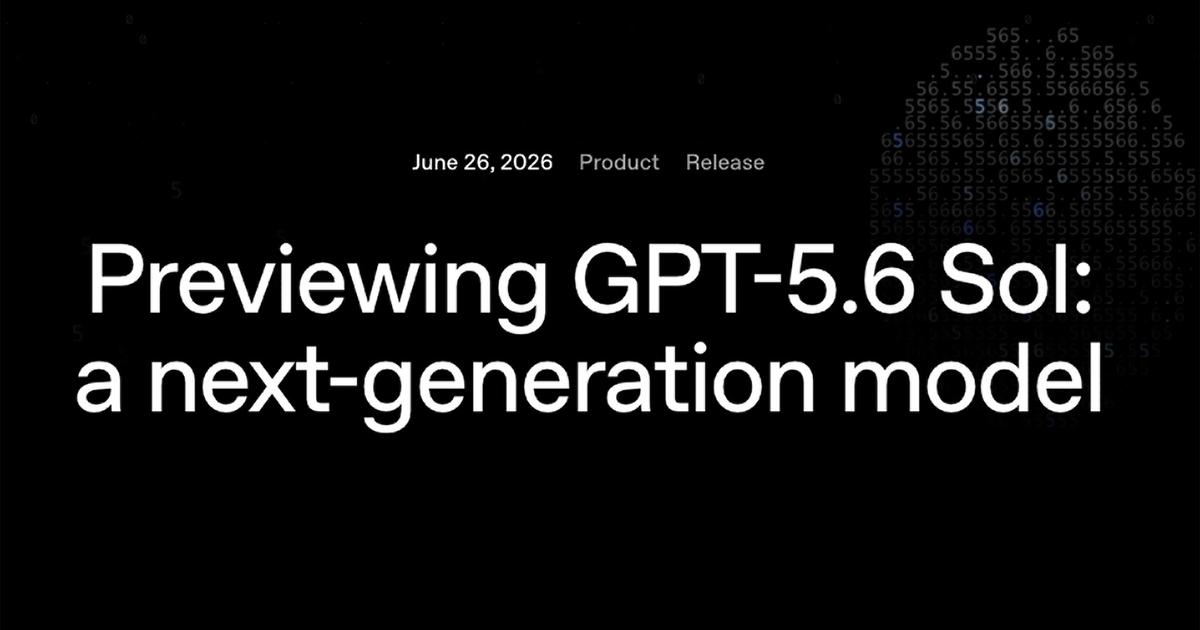
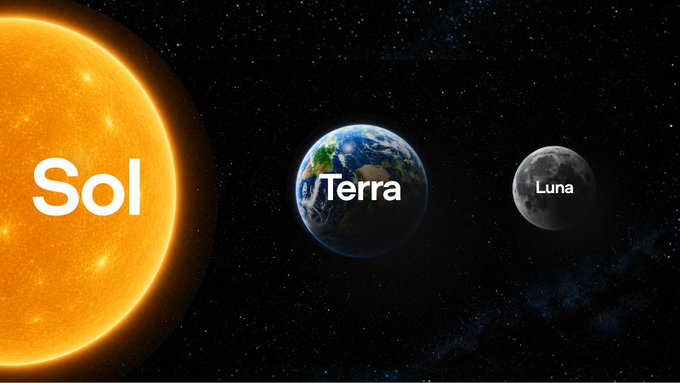
OpenAI and Anthropic have limited access to their advanced AI models (GPT-5.6 Sol, Mythos 5, Fable 5) following US government directives due to cybersecurity risks. Only trusted, US-approved partners can use these models, as authorities seek safeguards against potential misuse that could threaten critical computer networks.[AI generated]

Why's our monitor labelling this an incident or hazard?

The event involves AI systems (advanced language models and cybersecurity AI models) and concerns about their capabilities and potential risks, but no realized harm or incident is described. The government's request and export controls reflect precautionary measures addressing plausible future harms related to AI deployment and security. Therefore, this event fits the definition of an AI Hazard, as it concerns circumstances where AI system development and use could plausibly lead to harm, but no direct or indirect harm has yet occurred.[AI generated]

AI principles
Robustness & digital security

Industries
Digital securityGovernment, security, and defence

Affected stakeholders
GovernmentGeneral public

Harm types
Public interest

Severity
AI hazard

AI system task:
Content generation


Articles about this incident or hazard

Thumbnail Image

IAgora?: Você não pode usar (ainda) nova IA poderosa do ChatGPT - e Trump é culpado

2026-06-26
uol.com.br
Why's our monitor labelling this an incident or hazard?
The article does not describe any actual harm or incident caused by the AI system, nor does it report a near miss or plausible immediate harm. Instead, it details the controlled rollout and safety precautions in place, as well as government coordination to manage cybersecurity risks. This fits the definition of Complementary Information, as it provides context and updates on governance and risk management related to a new AI system, without reporting a new AI Incident or AI Hazard.
Thumbnail Image

Governo dos EUA autoriza Anthropic a liberar Mythos para algumas empresas americanas

2026-06-26
uol.com.br
Why's our monitor labelling this an incident or hazard?
The article explicitly mentions an AI system (Anthropic's Mythos 5) and its controlled release following government intervention due to security concerns. However, there is no indication that any harm has occurred or that the AI system has malfunctioned or been misused. The event focuses on regulatory and governance actions regarding AI deployment, which is a societal and governance response to AI-related risks. Therefore, this qualifies as Complementary Information rather than an AI Incident or AI Hazard.
Thumbnail Image

Trump pede que OpenAI atrase lançamentos de IA por questões de segurança

2026-06-26
uol.com.br
Why's our monitor labelling this an incident or hazard?
The event involves AI systems (advanced language models and cybersecurity AI models) and concerns about their capabilities and potential risks, but no realized harm or incident is described. The government's request and export controls reflect precautionary measures addressing plausible future harms related to AI deployment and security. Therefore, this event fits the definition of an AI Hazard, as it concerns circumstances where AI system development and use could plausibly lead to harm, but no direct or indirect harm has yet occurred.
Thumbnail Image

OpenAI retrasa el lanzamiento de GPT-5.6: Gobierno de Estados Unidos frenó su despliegue por motivos de seguridad

2026-06-26
infobae
Why's our monitor labelling this an incident or hazard?
The article explicitly involves an AI system (GPT-5.6) and discusses the US government's decision to restrict its deployment to prevent potential high-risk harms such as cyberattacks and disinformation. No actual harm has been reported yet, but the government's intervention is based on credible concerns about plausible future harms. This fits the definition of an AI Hazard, where the AI system's use could plausibly lead to an AI Incident. The event is not an AI Incident because no harm has occurred, nor is it Complementary Information or Unrelated, as the focus is on the potential risks and regulatory response to the AI system's deployment.
Thumbnail Image

OpenAI confirma un acceso limitado a sus tres nuevos modelos de IA por petición del Gobierno de EEUU

2026-06-26
infobae
Why's our monitor labelling this an incident or hazard?
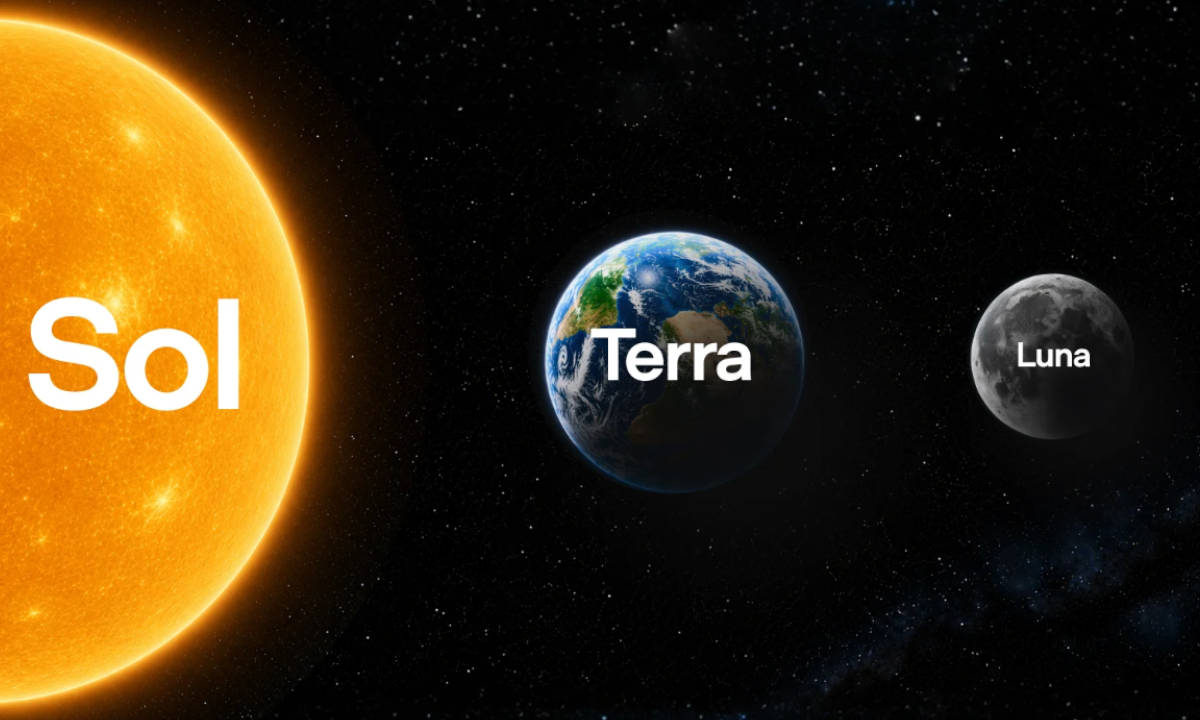
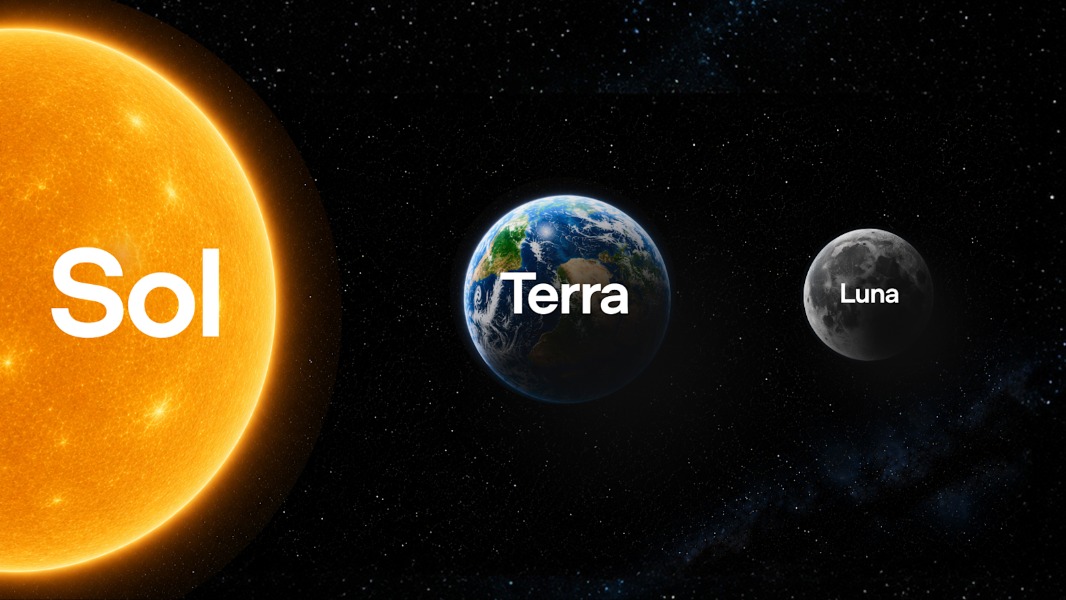
The article explicitly mentions AI systems (new AI models GPT-5.6 Sol, Terra, and Luna) and their controlled deployment due to government cybersecurity concerns. The event involves the use and deployment phase of AI systems, with the government requesting limited access to mitigate risks. No direct or indirect harm has occurred yet, but the precautionary limitation implies a plausible risk of harm if unrestricted access were granted. Hence, this is an AI Hazard, not an AI Incident or Complementary Information, as the main focus is on potential future harm and risk management rather than realized harm or a response to a past incident.
Thumbnail Image

OpenAI's New AI Was So Powerful, It Had To Brief The US Government Before Release

2026-06-27
NDTV
Why's our monitor labelling this an incident or hazard?
The article discusses the development and preview release of a highly capable AI system and the US government's decision to vet access to it due to concerns about its power and potential risks, especially in cybersecurity. This represents a plausible future risk scenario (AI Hazard) rather than a realized harm or incident. There is no evidence of direct or indirect harm caused by the AI system at this stage, only precautionary regulatory measures and acknowledgment of potential risks. Therefore, the event is best classified as an AI Hazard.
Thumbnail Image

OpenAI Launches GPT-5.6 Series in US-Only Preview At Government's Request

2026-06-26
NDTV
Why's our monitor labelling this an incident or hazard?
The event involves the development and controlled release of advanced AI models with capabilities that could plausibly lead to national security risks or other harms if misused. Since no actual harm or incident has occurred yet, but there is a credible risk of future harm, this qualifies as an AI Hazard. The government's intervention and limited release underscore the potential for harm, but the article does not describe any realized harm or incident.
Thumbnail Image

ChatGPT 5.6 von US-Regierung eingeschränkt - nur US-Firmen haben Zugang

2026-06-27
N-tv
Why's our monitor labelling this an incident or hazard?
The article explicitly mentions advanced AI systems (GPT-5.6 and Claude Mythos 5) with capabilities in programming and cybersecurity, indicating AI system involvement. The US government's restrictions are motivated by warnings about potential misuse leading to cyberattacks, which is a plausible future harm. No actual harm or incident has been reported yet, only preventive measures and access limitations. Hence, the event fits the definition of an AI Hazard, as it concerns credible risks of harm from the AI systems' misuse, but no realized harm has occurred.
Thumbnail Image

Así es GPT-5.6, la IA más avanzada que, de momento, no podrás tener

2026-06-26
EL MUNDO
Why's our monitor labelling this an incident or hazard?
The event involves the development and controlled release of an advanced AI system (GPT-5.6) with enhanced capabilities in cybersecurity, including vulnerability detection and exploitation. The article emphasizes regulatory caution and the potential for misuse but does not report any realized harm or incident caused by the AI system. Therefore, this situation fits the definition of an AI Hazard, as the AI system's use could plausibly lead to harm (e.g., cybersecurity attacks) though no incident has yet occurred. It is not an AI Incident because no harm has materialized, nor is it Complementary Information or Unrelated since the focus is on the potential risks of the AI system's capabilities and controlled deployment.
Thumbnail Image

El gobierno de EEUU decidirá quién accede al próximo modelo de OpenAI

2026-06-26
EL MUNDO
Why's our monitor labelling this an incident or hazard?
The event involves an AI system (GPT-5.6) and its deployment process, which is being influenced by government cybersecurity agencies. However, there is no indication that the AI system has caused any harm or malfunction, nor that any harm is currently occurring. The article focuses on the regulatory and strategic decision-making around AI model release, which fits the definition of Complementary Information as it provides context and updates on governance responses to AI risks without describing an incident or hazard causing or plausibly leading to harm.
Thumbnail Image

ChatGPT : l'administration Trump demande à OpenAI de retarder le déploiement de son nouveau modèle pour des raisons de sécurité

2026-06-26
Le Figaro.fr
Why's our monitor labelling this an incident or hazard?
The article explicitly mentions an AI system (GPT-5.6) and governmental measures to restrict its deployment due to concerns about its advanced capabilities potentially leading to misuse or security risks. No direct or indirect harm has occurred yet, but the intervention is based on the plausible risk that unrestricted deployment could lead to harms such as misuse by malicious actors or geopolitical risks. This fits the definition of an AI Hazard, as the event involves the use and deployment of an AI system that could plausibly lead to an AI Incident if uncontrolled, but no incident has yet materialized.
Thumbnail Image

ChatGPT'nin yeni sürümüne Beyaz Saray kıskacı

2026-06-26
Hürriyet
Why's our monitor labelling this an incident or hazard?
The event involves an AI system (GPT-5.6) and concerns its use and distribution. However, the article does not report any realized harm or incident caused by the AI system. Instead, it details a governmental policy response to potential risks, including export controls and restricted access, which are measures to manage plausible future harms. Therefore, this event fits the definition of Complementary Information, as it provides important context on governance and societal responses to AI risks without describing an AI Incident or AI Hazard itself.
Thumbnail Image

Opinion | Feds deciding who gets GPT access reflects a misreading of AI threats

2026-06-26
Washington Post
Why's our monitor labelling this an incident or hazard?
The article centers on policy decisions and strategic considerations regarding AI model access and regulation, without reporting any realized harm or a specific incident involving AI systems. It discusses potential risks and the broader context of AI safety and cybersecurity but does not describe an AI Incident or AI Hazard as defined. Therefore, it fits best as Complementary Information, providing context and insight into governance responses and debates around AI safety rather than reporting a new incident or hazard.
Thumbnail Image

U.S. government will decide who gets to use latest upgrade to ChatGPT

2026-06-26
Washington Post
Why's our monitor labelling this an incident or hazard?
The event involves an AI system (OpenAI's GPT-5.6) and its controlled access by the government, which is a governance and policy development. However, there is no mention of any realized harm or incident caused by the AI system. The article discusses regulatory measures and concerns about government oversight, which fits the definition of Complementary Information as it provides context and updates on societal and governance responses to AI developments without reporting a specific AI Incident or AI Hazard.
Thumbnail Image

Governo dos EUA autoriza Anthropic a liberar Mythos para algumas empresas americanas

2026-06-26
Terra
Why's our monitor labelling this an incident or hazard?
The article explicitly involves an AI system (Anthropic's Mythos 5) and discusses its development, use, and government regulation due to concerns about national security risks, including potential misuse by foreign military intelligence. However, there is no indication that any harm has occurred yet. The event centers on the controlled release and regulatory oversight to mitigate risks, reflecting a plausible future risk scenario rather than an actual incident of harm. Therefore, it qualifies as an AI Hazard because the AI system's use could plausibly lead to harms related to national security, but no direct or indirect harm has been reported as having occurred.
Thumbnail Image

EUA suspendem bloqueio e autorizam acesso limitado ao modelo de IA da Anthropic

2026-06-27
Terra
Why's our monitor labelling this an incident or hazard?
The article explicitly mentions an AI system (Claude Mythos 5) and its use in cybersecurity. The US government had blocked access due to national security concerns, implying potential risks, but now allows limited access to trusted cybersecurity entities. There is no report of any harm or incident caused by the AI system, nor a direct or indirect link to realized harm. The event is about regulatory and governance responses to AI risks, updating the status of access control. This fits the definition of Complementary Information, as it informs about societal and governance responses to AI-related security concerns without describing a new AI Incident or AI Hazard.
Thumbnail Image

OpenAI limits its latest ChatGPT product to Trump-approved customers during cybersecurity review

2026-06-26
Yahoo! Finance
Why's our monitor labelling this an incident or hazard?
The article explicitly mentions advanced AI systems (GPT-5.6 Sol, Mythos 5, Fable 5) capable of finding software flaws that could be weaponized by malicious actors, posing a threat to critical computer networks worldwide. The government's executive order and vetting process reflect recognition of these credible risks. No actual harm or incident has occurred yet, but the potential for harm is significant and plausible. Hence, this is an AI Hazard rather than an AI Incident. The event is not merely complementary information because it centers on the credible risk and government-imposed restrictions due to potential harm, not just updates or responses to past incidents.
Thumbnail Image

Gobierno de EE.UU. autoriza a Anthropic publicar de forma limitada un modelo de IA que generó preocupación de ciberseguridad

2026-06-27
Yahoo!
Why's our monitor labelling this an incident or hazard?
The article explicitly involves an AI system (Anthropic's Mythos 5) with advanced cybersecurity capabilities. The U.S. government's export ban and controlled authorization indicate recognition of the AI system's potential to cause significant harm if misused, such as enabling hackers to exploit vulnerabilities rapidly. No actual harm or incident is reported; rather, the focus is on preventing misuse and managing risks. This aligns with the definition of an AI Hazard, where the AI system's development or use could plausibly lead to harm, but no harm has yet materialized. The event is not a Complementary Information piece because it is not primarily about responses to a past incident but about managing potential risks. It is not an AI Incident because no realized harm is described.
Thumbnail Image

La nueva versión de ChatGPT en pausa: Gobierno de EE.UU. teme por la ciberseguridad del país

2026-06-26
Yahoo!
Why's our monitor labelling this an incident or hazard?
The article explicitly involves an AI system (GPT-5.6) and discusses government concerns about its potential misuse in cyberattacks and military operations, which could plausibly lead to harms such as disruption of critical infrastructure or national security breaches. Since no actual harm has occurred yet and the release is paused to mitigate potential risks, this qualifies as an AI Hazard rather than an AI Incident. The event is not merely complementary information because it centers on the plausible risk and preventive measures rather than updates on past incidents or governance responses alone.
Thumbnail Image

OpenAI Rolls Out Powerful GPT-5.6 Models To Limited Users Vetted By U.S. Government

2026-06-26
Forbes
Why's our monitor labelling this an incident or hazard?
The article focuses on the controlled release of a powerful AI model due to concerns about its capabilities, which suggests a precautionary approach to potential future harms. Since no actual harm or incident is reported, and the main narrative is about the rollout strategy and government vetting, this fits the definition of an AI Hazard, where the AI system's use could plausibly lead to harm but no harm has yet occurred.
Thumbnail Image

OpenAI says access to its new GPT-5.6 model is limited at the request of the US government

2026-06-26
Business Insider
Why's our monitor labelling this an incident or hazard?
The article explicitly mentions AI systems (GPT-5.6 models and Anthropic's models) and their controlled release due to government security concerns, indicating AI system involvement. However, there is no indication that the AI systems have caused any direct or indirect harm (no injury, rights violations, disruption, or other harms). The limitation of access is a preventive governance action to mitigate potential risks, not an event where harm has occurred or is imminent. Thus, it does not meet the criteria for AI Incident or AI Hazard but fits the definition of Complementary Information as it details governance responses and risk management related to AI.
Thumbnail Image

OpenAI restricts limited release of new model to US only

2026-06-26
Yahoo! Finance
Why's our monitor labelling this an incident or hazard?
The article focuses on the regulatory and governance response to advanced AI models, specifically the US government's request to limit access to certain AI models due to national security concerns. While the AI systems involved are advanced and have capabilities that raise concerns, the article does not report any realized harm or incident caused by these AI systems. Nor does it describe a plausible imminent harm event; rather, it discusses precautionary measures and voluntary reviews. Therefore, this event fits best as Complementary Information, providing context on societal and governance responses to AI developments without describing a new AI Incident or AI Hazard.
Thumbnail Image

US-Regierung lässt Zugang zu neuem OpenAI-Modell beschränken

2026-06-27
Spiegel Online
Why's our monitor labelling this an incident or hazard?
The article explicitly involves AI systems (OpenAI's GPT-5.6 and Anthropic's Claude Mythos 5) with advanced autonomous capabilities. The US government's restrictions are based on credible concerns that these AI models could be exploited to find software vulnerabilities and be used maliciously as cyberweapons, posing a plausible risk of harm. No actual harm or incident is reported, but the potential for significant harm is recognized and has led to regulatory intervention. This fits the definition of an AI Hazard, where the AI system's development and use could plausibly lead to an AI Incident. The article does not describe realized harm or an incident, nor is it primarily about responses to past incidents, so it is not an AI Incident or Complementary Information.
Thumbnail Image

OpenAI lanza GPT 5.6, su nuevo modelo de inteligencia artificial; está limitado a algunos socios a petición del gobierno de EU

2026-06-26
El Universal
Why's our monitor labelling this an incident or hazard?
The article primarily reports on the launch of a new AI model and government-imposed access restrictions for national security. There is no evidence or claim of harm caused or plausible harm from the AI system's use or malfunction. The event is about governance and policy measures, not about an AI incident or hazard. Therefore, it fits best as Complementary Information, providing context on AI governance and control measures rather than describing an incident or hazard.
Thumbnail Image

Après Anthropic, au tour d'OpenAI de devoir contrôler la diffusion de son dernier modèle GPT-5.6: la Maison Blanche décidera au cas par cas qui pourra y accéder

2026-06-26
BFMTV
Why's our monitor labelling this an incident or hazard?
The event involves an AI system (GPT-5.6) whose deployment is being controlled by the government to prevent potential security risks. Since no harm has yet occurred but there is a credible concern about possible future harm, this fits the definition of an AI Hazard. The article does not report any realized injury, rights violation, or other harm caused by the AI system, so it is not an AI Incident. It is also not merely complementary information because the main focus is on the potential risk and regulatory control, not on updates or responses to past incidents. Hence, the classification is AI Hazard.
Thumbnail Image

EEUU pide a OpenAI que retrase el lanzamiento de su nuevo modelo de IA debido a preocupaciones de seguridad

2026-06-26
El Español
Why's our monitor labelling this an incident or hazard?
The event involves an AI system (GPT 5.6) whose development and deployment are directly linked to concerns about potential cybersecurity harms, including autonomous cyberattacks and exploitation of software vulnerabilities. Although no actual harm has been reported yet, the government's intervention and the cautious rollout reflect credible risks that the AI system could plausibly lead to significant harm if misused or uncontrolled. Therefore, this qualifies as an AI Hazard because it concerns plausible future harm from the AI system's use or misuse, rather than an incident where harm has already occurred.
Thumbnail Image

Beyaz Saray, OpenAI'dan GPT-5.6 modelinin dağıtımını sınırlandırmasını istedi - ensonhaber.com

2026-06-26
En Son Haber
Why's our monitor labelling this an incident or hazard?
The article involves an AI system (OpenAI's GPT-5.6 model) and discusses the government's intervention to restrict its deployment due to potential risks, indicating plausible future harm. There is no indication that harm has already occurred, so it does not qualify as an AI Incident. Instead, it reflects a credible risk and a governance response to mitigate potential harms, fitting the definition of an AI Hazard or Complementary Information. Since the main focus is on the government's request and the company's response to limit deployment to reduce risk, this is best classified as Complementary Information about governance and risk management rather than a direct AI Hazard event (no specific threat or near miss is described).
Thumbnail Image

Beyaz Saray, OpenAI'dan GPT-5.6 modelinin dağıtımını sınırlandırmasını istedi

2026-06-26
Haberler
Why's our monitor labelling this an incident or hazard?
The event involves an AI system (GPT-5.6) whose development and use are being regulated due to its advanced capabilities that could pose risks. The White House's request and OpenAI's acceptance to limit distribution indicate recognition of plausible future harm stemming from the AI system's capabilities, especially in cybersecurity. Since no direct or indirect harm has occurred yet, but there is a credible risk that the AI system could lead to harm if unrestricted, this qualifies as an AI Hazard rather than an AI Incident. The event is not merely complementary information because it centers on the potential risk and regulatory response to the AI system's capabilities.
Thumbnail Image

Beyaz saray'dan OpenAI'ın GPT-5.6 modeline 'ulusal güvenlik' kısıtlaması

2026-06-26
Sabah
Why's our monitor labelling this an incident or hazard?
The article involves an AI system (OpenAI's GPT-5.6) and government-imposed restrictions due to concerns about national security risks. However, there is no indication that the AI system has caused any direct or indirect harm so far. The restrictions are precautionary to prevent possible future harms related to misuse or uncontrolled dissemination of advanced AI capabilities. Therefore, this event fits the definition of an AI Hazard, as it plausibly could lead to harm if unrestricted, but no harm has yet occurred.
Thumbnail Image

EEUU aprieta las tuercas a OpenAI: debe restringir el lanzamiento de GPT 5.6 sí o sí

2026-06-26
Xataka
Why's our monitor labelling this an incident or hazard?
The event involves an AI system (GPT 5.6) and concerns its development and use, but no direct or indirect harm has occurred yet. The government's request to limit distribution is a preventive measure addressing plausible future risks associated with the AI model's capabilities. This fits the definition of an AI Hazard, as the situation could plausibly lead to harm if the AI system were widely released without controls. However, since the article mainly discusses regulatory responses and the potential for harm rather than an actual incident, it is best classified as Complementary Information, as it provides important context on governance and risk management in AI without describing a realized harm or imminent hazard event.
Thumbnail Image

OpenAI retrasa el lanzamiento de GPT-5.6 por presiones del gobierno de Donald Trump

2026-06-26
Ambito
Why's our monitor labelling this an incident or hazard?
The event involves the development and use of advanced AI systems (GPT-5.6 and Anthropic's models) and government-imposed restrictions to evaluate and control their release. While these measures are motivated by concerns about potential misuse or harm, no actual harm or incident has been reported. The article highlights a plausible risk of harm from releasing powerful AI models without oversight, but the current situation is preventive and regulatory in nature. Therefore, this qualifies as an AI Hazard because the AI systems' deployment could plausibly lead to harm if not properly managed, but no harm has yet materialized. It is not Complementary Information because the main focus is on the potential risk and regulatory response, not on updates to past incidents or ecosystem context. It is not an AI Incident since no realized harm is described.
Thumbnail Image

La Casa Blanca quiere controlar quién puede usar GPT-5.6, el próximo gran modelo de ChatGPT

2026-06-26
La Razón
Why's our monitor labelling this an incident or hazard?
The event involves advanced AI systems (GPT-5.6, Mythos, Fable) whose capabilities pose credible risks, such as cybersecurity threats. The government's decision to restrict access and impose identity verification reflects recognition of plausible future harms stemming from these AI systems. No actual harm is reported, but the potential for misuse and security issues is clear. Hence, this is an AI Hazard rather than an Incident or Complementary Information. It is not unrelated because the focus is on AI system deployment and associated risks.
Thumbnail Image

OpenAI GPT-5.6 Sol release restricted after US government cybersecurity vetting request

2026-06-26
Goodreturns
Why's our monitor labelling this an incident or hazard?
The article explicitly involves an AI system (GPT-5.6 Sol) whose capabilities could lead to cybersecurity risks, including potential attacks on critical computer networks. The US government's request to restrict access and the company's phased release are responses to these plausible risks. No actual harm or incident has been reported; rather, the measures are precautionary to prevent possible future harm. This aligns with the definition of an AI Hazard, where the AI system's development or use could plausibly lead to harm but has not yet done so. The article also includes complementary information about policy and governance but does not primarily focus on those aspects. Hence, the classification as AI Hazard is appropriate.
Thumbnail Image

OpenAI GPT-5.6 Sol release restricted after US cybersecurity vetting request

2026-06-26
Goodreturns
Why's our monitor labelling this an incident or hazard?
The event involves an AI system (GPT-5.6 Sol) whose release is being restricted due to concerns about cybersecurity and national security risks, which are plausible harms that could arise from misuse or unintended consequences of the AI's capabilities. The government's involvement and the phased release indicate recognition of potential hazards. However, there is no indication that the AI system has caused any direct or indirect harm so far. The article focuses on the potential for harm and the preventive measures taken, fitting the definition of an AI Hazard rather than an Incident or Complementary Information.
Thumbnail Image

OpenAI lanzó una versión preliminar de GPT-5.6 con acceso limitado tras pedido de EE.UU.

2026-06-26
Perfil
Why's our monitor labelling this an incident or hazard?
The article centers on the controlled deployment of a powerful AI model with acknowledged potential risks, especially in cybersecurity, and government involvement to mitigate these risks. No actual harm or incident has occurred yet, but the potential for harm is recognized and managed through limited access and ongoing safeguards. Therefore, this event fits the definition of an AI Hazard, as it plausibly could lead to harm if misused or if vulnerabilities are exploited, but no direct or indirect harm has been reported so far.
Thumbnail Image

Gobierno de EE.UU. autoriza a Anthropic publicar de forma limitada un modelo de IA que generó preocupación de ciberseguridad | CNN

2026-06-27
CNN Español
Why's our monitor labelling this an incident or hazard?
The article explicitly mentions an AI system (Anthropic's Mythos model) and discusses its potential cybersecurity risks, which could plausibly lead to harm if misused. However, no actual harm or incident has occurred as a result of the AI's use; instead, the government has intervened to limit and control access to mitigate these risks. The main focus is on the regulatory measures, licensing, and ongoing collaboration between Anthropic and the U.S. government to manage these risks. This fits the definition of Complementary Information, as it provides important context and updates on governance responses to AI hazards without describing a new AI Incident or AI Hazard event itself.
Thumbnail Image

EEUU exige a OpenAI que restrinja el lanzamiento de su nuevo modelo pese a que Trump reivindique la 'libertad para innovar'

2026-06-26
El HuffPost
Why's our monitor labelling this an incident or hazard?
The article explicitly involves an AI system (GPT-5.6) and discusses government-imposed restrictions due to security concerns about the AI's capabilities. The harms mentioned (potential cyberattacks on critical infrastructure) have not materialized but are plausible risks. The event is about the use and deployment of the AI system and the regulatory response to mitigate potential harm. Since no actual harm has occurred yet, this fits the definition of an AI Hazard rather than an AI Incident. It is not Complementary Information because the main focus is on the potential risk and regulatory action, not on updates or responses to a past incident. It is not Unrelated because the event is clearly AI-related and involves plausible future harm.
Thumbnail Image

EUA suspendem bloqueio e autorizam acesso limitado ao modelo de IA da Anthropic

2026-06-27
Estadão
Why's our monitor labelling this an incident or hazard?
The article involves an AI system (Claude Mythos 5) and its controlled use, which relates to cybersecurity and national security. While there were prior concerns leading to a block, the current event is about limited authorized access without any reported harm or incident. The potential for harm exists given the national security context, but no harm has materialized or been reported. Therefore, this event is best classified as Complementary Information, as it provides an update on governance and access control related to an AI system without describing a new incident or hazard.
Thumbnail Image

Casa Branca pede que OpenAI desacelere novo ChatGPT por temer riscos da IA

2026-06-26
nsctotal.com.br
Why's our monitor labelling this an incident or hazard?
The event involves an AI system (ChatGPT) and concerns about its potential misuse or harmful impacts, but no realized harm or incident has occurred. The government's intervention is a precautionary measure to mitigate plausible future harms related to AI misuse or malfunction. Therefore, this qualifies as an AI Hazard, as it reflects credible concerns that the AI system's deployment could plausibly lead to harms such as cybercrime or disinformation, but these harms have not yet materialized.
Thumbnail Image

OpenAI slow rolls new model amid Trump administration concerns

2026-06-26
The Hill
Why's our monitor labelling this an incident or hazard?
The article involves an AI system (GPT-5.6) and discusses its development and controlled release due to cybersecurity concerns, which implies potential risks. However, no realized harm or incident is described; the event is about mitigating plausible future risks through government coordination and voluntary testing. This fits the definition of Complementary Information, as it provides context on governance and risk management responses to AI deployment rather than reporting an AI Incident or AI Hazard.
Thumbnail Image

OpenAI slow rolls new model release at 'request' of government

2026-06-26
The Hill
Why's our monitor labelling this an incident or hazard?
The article explicitly mentions the government's request to stagger the release of the AI model due to cybersecurity concerns, indicating a credible potential risk associated with the AI system's deployment. No direct or indirect harm has been reported as having occurred from the AI system's use or malfunction. The event centers on preventive coordination and regulatory oversight to mitigate possible future harms, fitting the definition of an AI Hazard rather than an AI Incident or Complementary Information. It is not unrelated because it involves an AI system and its governance with respect to potential risks.
Thumbnail Image

Accès limité | OpenAI lance son nouveau modèle GPT 5.6

2026-06-26
La Presse.ca
Why's our monitor labelling this an incident or hazard?
The event involves an AI system (GPT 5.6) and its controlled deployment under government regulation due to cybersecurity concerns, which implies potential risks. However, no actual harm, malfunction, or incident resulting from the AI system is described. The article mainly provides contextual information about the rollout, regulatory controls, and security measures, which fits the definition of Complementary Information rather than an AI Incident or AI Hazard. There is no indication of realized or imminent harm, only precautionary measures and governance responses.
Thumbnail Image

OpenAI agrees to stagger rollout of its most powerful model to only Trump-approved customers | Fortune

2026-06-26
Fortune
Why's our monitor labelling this an incident or hazard?
The event involves the use and controlled release of an advanced AI system (GPT-5.6 Sol) with significant cybersecurity capabilities. However, no actual harm or incident has occurred yet; rather, the government and OpenAI are taking precautionary measures to prevent potential misuse or harm. The article focuses on the potential risks and governance responses rather than describing any realized harm or malfunction. Therefore, this situation represents a plausible future risk of harm due to the AI system's capabilities and the government's intervention to mitigate that risk, fitting the definition of an AI Hazard. It is not an AI Incident because no direct or indirect harm has materialized. It is not Complementary Information because the main focus is not on updates or responses to a past incident but on the current regulatory approach and controlled rollout. It is not Unrelated because it clearly involves an AI system and its governance.
Thumbnail Image

OpenAI lança modelo de IA apenas nos EUA, a pedido de Trump

2026-06-27
Jornal Estado de Minas | Not�cias Online
Why's our monitor labelling this an incident or hazard?
The event involves the development and controlled deployment of an AI system (GPT-5.6) with acknowledged potential security risks. However, no direct or indirect harm has occurred yet, and the article mainly discusses precautionary measures and government-imposed access restrictions to mitigate plausible future risks. Therefore, this event fits the definition of Complementary Information, as it provides context on governance responses and risk management related to AI systems without reporting an AI Incident or AI Hazard.
Thumbnail Image

OpenAI unveils GPT 5.6 but limits access to government approved users: What it means - CNBC TV18

2026-06-27
cnbctv18.com
Why's our monitor labelling this an incident or hazard?
The article explicitly mentions the involvement of an advanced AI system (GPT 5.6) and the government's request to limit access due to concerns about its capabilities, implying potential risks. However, no actual harm or incident has occurred; the release is controlled and temporary, with safety measures in place. This fits the definition of an AI Hazard, as the event plausibly could lead to harm if the AI were widely released without safeguards, but currently no direct or indirect harm has materialized. It is not Complementary Information because the main focus is not on responses to a past incident but on the initial controlled release and potential risks. It is not an AI Incident because no harm has occurred, and it is not Unrelated because the event clearly involves an AI system and its potential impact.
Thumbnail Image

¿Por qué Trump 'restringió' la nueva versión de Chat GPT 5? Presiona a OpenAI para aplazar su lanzamiento

2026-06-27
El Financiero
Why's our monitor labelling this an incident or hazard?
The event involves an AI system (GPT-5.6) whose deployment is being restricted due to credible concerns about potential misuse or security risks, such as jailbreaks that could bypass safeguards. The government's involvement and OpenAI's precautionary measures indicate recognition of plausible future harms related to cybersecurity and autonomous task execution. Since no direct or indirect harm has occurred yet, but there is a credible risk that the AI system could lead to harm if released unrestricted, this fits the definition of an AI Hazard. It is not Complementary Information because the main focus is on the potential risk and restriction, not on responses to a past incident. It is not an AI Incident because no harm has materialized.
Thumbnail Image

Inesperada petición de Trump: Nuevo modelo de tecnología que sería exclusiva para socios de EE. UU.

2026-06-26
Semana.com Últimas Noticias de Colombia y el Mundo
Why's our monitor labelling this an incident or hazard?
The article centers on the controlled deployment and government oversight of advanced AI models to mitigate potential security risks. It does not report any realized harm or incident resulting from the AI systems' use or malfunction. Instead, it details governance measures and industry responses to concerns about AI safety and national security. Therefore, this is best classified as Complementary Information, as it provides important context and updates on societal and governance responses to AI developments without describing a specific AI Incident or AI Hazard.
Thumbnail Image

OpenAI abre sus nuevos modelos de GPT a socios aprobados por EU

2026-06-26
Milenio.com
Why's our monitor labelling this an incident or hazard?
The event involves AI systems (GPT-5.6 models) and their controlled deployment, but there is no mention or implication of any harm caused or plausible harm that could arise from this controlled release. The article mainly discusses governance, regulatory collaboration, and access restrictions, which are responses to AI development rather than incidents or hazards. Therefore, this is best classified as Complementary Information, providing context on AI governance and deployment practices without describing an AI Incident or AI Hazard.
Thumbnail Image

OpenAI defers public roll-out of GPT‑5.6 as US seeks early access to frontier AI models

2026-06-27
The Straits Times
Why's our monitor labelling this an incident or hazard?
The article involves an AI system (GPT-5.6) and its development and use, with explicit mention of government concerns about national security risks including cyberattacks and military misuse, which are plausible harms that could arise from the AI system's deployment. Since no harm has yet occurred but there is a credible risk that the AI system could lead to significant harms if released without oversight, this situation fits the definition of an AI Hazard. The article does not report any realized harm or incident but rather a preventive measure and governance response to potential future harm.
Thumbnail Image

Por que a OpenAI não vai liberar o GPT-5.6 para todo mundo?

2026-06-26
Olhar Digital - O futuro passa primeiro aqui
Why's our monitor labelling this an incident or hazard?
The event involves an AI system (GPT-5.6) and its deployment process, but there is no indication that the AI system has caused any direct or indirect harm yet. Instead, the article highlights government involvement and regulatory oversight to mitigate potential risks before wider release. This fits the definition of Complementary Information, as it provides context on governance and societal responses to AI deployment rather than describing an AI Incident or AI Hazard.
Thumbnail Image

Após impasse regulatório, EUA liberam acesso parcial a modelo de IA da Anthropic

2026-06-27
Olhar Digital - O futuro passa primeiro aqui
Why's our monitor labelling this an incident or hazard?
The article centers on regulatory decisions and negotiations regarding the controlled use of an advanced AI system due to national security concerns. While the AI system is advanced and considered high risk, the event does not describe any actual harm or incident caused by the AI system. The focus is on managing potential risks through export controls and conditional access, which aligns with governance and oversight activities. Therefore, this is best classified as Complementary Information, as it provides important context on societal and governance responses to AI risks without reporting a new AI Incident or AI Hazard.
Thumbnail Image

Por que o governo Trump quer limitar o lançamento do GPT-5.6 da OpenAI

2026-06-26
InfoMoney
Why's our monitor labelling this an incident or hazard?
The event involves the use and deployment of an advanced AI system (GPT-5.6). The government's request to restrict access is motivated by concerns about potential misuse by malicious actors, which could plausibly lead to harms such as cybersecurity threats or misuse by criminals or hostile governments. Since no harm has yet occurred, but there is a credible risk of future harm, this qualifies as an AI Hazard rather than an AI Incident. The article does not describe any realized harm or incident, nor is it primarily about responses to past incidents, so it is not Complementary Information. It is directly related to AI and plausible future harm, so it is not Unrelated.
Thumbnail Image

OpenAI Releases New Flagship Model to Limited Users Following Government Concerns

2026-06-26
www.theepochtimes.com
Why's our monitor labelling this an incident or hazard?
The article explicitly involves AI systems (OpenAI's GPT-5.6 models) and discusses their development and controlled use. It mentions concerns about the models' capabilities to find software exploits, which could lead to significant harm if misused, such as cyberattacks or disruption of critical infrastructure. However, no direct or indirect harm has occurred so far; the limited release and government oversight are precautionary measures to prevent such harm. This fits the definition of an AI Hazard, as the event plausibly could lead to an AI Incident if the models were misused or accessed improperly. The article does not describe any realized harm or incident, nor is it primarily about governance responses or complementary information beyond the hazard context.
Thumbnail Image

Governo Trump pede à OpenAI restrição no lançamento do GPT-5.6

2026-06-26
Exame
Why's our monitor labelling this an incident or hazard?
The event involves an AI system (GPT-5.6) and concerns its development and controlled release due to security risks. However, the article does not report any realized harm or incident caused by the AI system. Instead, it discusses plausible future risks and government efforts to mitigate them through restricted access and testing protocols. Therefore, this situation fits the definition of an AI Hazard, as it plausibly could lead to harm if the AI system were released without controls, but no harm has yet occurred.
Thumbnail Image

OpenAI limits its latest ChatGPT product to Trump-approved customers during cybersecurity review

2026-06-26
The Star
Why's our monitor labelling this an incident or hazard?
The article mentions the use of an AI system (GPT-5.6 Sol) and a government-imposed restriction due to cybersecurity concerns, indicating awareness of potential risks. However, there is no indication that the AI system has caused any harm or malfunction, nor that there is a plausible imminent harm. The focus is on limiting access as a precaution, which aligns with complementary information about governance and risk management rather than an incident or hazard.
Thumbnail Image

ChatGPT : GPT-5.6 arrive, mais le gouvernement Trump décidera qui y accède en premier, client par client

2026-06-26
Les Numériques
Why's our monitor labelling this an incident or hazard?
The event involves an AI system (GPT-5.6) and its controlled release by government mandate, which is a governance and regulatory development. There is no mention or implication of realized harm or plausible imminent harm caused by the AI system itself or its use. The focus is on the regulatory process and access control, which fits the definition of Complementary Information as it provides context and updates on societal and governance responses to AI deployment rather than describing an AI Incident or Hazard.
Thumbnail Image

Après Anthropic, l'administration Trump met OpenAI sous pression

2026-06-26
LesEchos.fr
Why's our monitor labelling this an incident or hazard?
While the article involves AI systems (GPT-5.6 and Anthropic's models) and their development and deployment, it does not report any direct or indirect harm caused by these AI systems. Instead, it details government scrutiny, regulatory measures, and corporate strategic decisions in response to perceived risks. There is no indication that the AI systems have caused injury, rights violations, infrastructure disruption, or other harms. Therefore, this is best classified as Complementary Information, as it provides context on governance and societal responses to AI without describing an AI Incident or AI Hazard.
Thumbnail Image

OpenAI lanzó la versión preliminar de GPT-5.6 bajo estricto control del gobierno de Estados Unidos, una medida de seguridad nacional que prohíbe el acceso a ciudadanos extranjeros y usuarios comunes

2026-06-26
EL IMPARCIAL | Noticias de México y el mundo
Why's our monitor labelling this an incident or hazard?
The article explicitly involves an AI system (GPT-5.6) and discusses its development and controlled use under government regulation. There is no indication that the AI system has caused direct or indirect harm yet, but the strict access limitations are due to credible concerns about potential national security risks. This fits the definition of an AI Hazard, where the AI system's use could plausibly lead to harm. The event is not Complementary Information because it is not an update or response to a past incident but a new development with potential risk. It is not an AI Incident because no harm has materialized. Therefore, the classification is AI Hazard.
Thumbnail Image

EEUU autoriza a Anthropic a lanzar su modelo de IA más avanzado tras...

2026-06-27
europa press
Why's our monitor labelling this an incident or hazard?
The article explicitly involves advanced AI systems ('Claude Fable 5' and 'Mythos 5') developed by Anthropic, used in cybersecurity and critical infrastructure protection, which fits the definition of AI systems. The US government's intervention due to national security concerns indicates a credible risk that these AI models could be misused by cyber attackers to cause harm, such as disrupting critical infrastructure or compromising security. Since no actual harm or incident is reported, only potential harm is discussed, this aligns with the definition of an AI Hazard. The event is not merely complementary information because the main focus is on the risk and regulatory response to potential misuse, not on updates or responses to past incidents. It is not unrelated because the AI system and its potential for harm are central to the event.
Thumbnail Image

OpenAI confirma un acceso limitado a sus tres nuevos modelos de IA...

2026-06-26
europa press
Why's our monitor labelling this an incident or hazard?
The event involves the development and controlled use of advanced AI systems (GPT-5.6 Sol, Terra, and Luna). Although no actual harm has been reported, the limited access and government coordination imply a credible concern about potential misuse or security risks. Therefore, this qualifies as an AI Hazard because the AI systems could plausibly lead to incidents if misused or if vulnerabilities are exploited. The article does not describe any realized harm or incident, nor does it focus on responses to past incidents, so it is not an AI Incident or Complementary Information.
Thumbnail Image

OpenAI annonce GPT-5.6 (Sol, Terra, Luna) mais en limite l'accès à la demande du gouvernement américain -- Frandroid

2026-06-26
Frandroid
Why's our monitor labelling this an incident or hazard?
The event involves an AI system (GPT-5.6) with advanced autonomous capabilities, including cybersecurity-related functions. The US government's intervention to limit access indicates credible concerns about potential misuse or harm, specifically in cybersecurity. No actual harm or incident has occurred yet, but the plausible risk of harm from misuse or unintended consequences justifies classification as an AI Hazard. The article focuses on the potential risks and controlled rollout rather than reporting any realized harm, so it is not an AI Incident. It is more than general product news due to the government-imposed restrictions and risk considerations, so it is not Unrelated or merely Complementary Information.
Thumbnail Image

OpenAI restricts limited release of new model to US only

2026-06-26
France 24
Why's our monitor labelling this an incident or hazard?
The article involves AI systems explicitly (OpenAI's GPT-5.6 and Anthropic's models) and discusses their development and controlled use. However, it does not report any realized harm or incident caused by these AI systems. Instead, it centers on government-imposed access restrictions and voluntary review processes aimed at mitigating potential national security risks. This fits the definition of Complementary Information, as it provides context on governance and societal responses to AI developments without describing a specific AI Incident or AI Hazard.
Thumbnail Image

EE.UU. autoriza a Anthropic lanzar su modelo de IA más avanzado tras su restricción por motivos de "seguridad"

2026-06-27
LA TERCERA
Why's our monitor labelling this an incident or hazard?
The article explicitly involves an AI system (Anthropic's advanced AI model) whose use was restricted and then conditionally authorized by the U.S. government due to security concerns. The concern is that the AI could be used maliciously to detect and exploit cybersecurity vulnerabilities, posing a credible risk of harm to critical infrastructure and national security. Since the harm is not reported as having occurred but is a plausible and serious future risk, this event qualifies as an AI Hazard rather than an AI Incident. The government's regulatory action and the company's response focus on mitigating this potential harm.
Thumbnail Image

Künstliche Intelligenz: US-Regierung lässt Zugang zu neuer KI von OpenAI beschränken

2026-06-26
Handelsblatt
Why's our monitor labelling this an incident or hazard?
The event involves AI systems with advanced autonomous capabilities that could be misused as cyberweapons, which is a credible risk of harm. However, the article does not report any realized harm or incident caused by these AI systems. Instead, it focuses on preventive measures, access restrictions, and warnings about potential misuse. Therefore, this qualifies as an AI Hazard, as the development and deployment of these AI models could plausibly lead to incidents involving cybersecurity harm in the future, but no direct or indirect harm has yet occurred.
Thumbnail Image

OpenAI limits release of new model under pressure from US

2026-06-26
Australian Financial Review
Why's our monitor labelling this an incident or hazard?
The article mentions the development and controlled release of an AI system but does not describe any realized harm or credible risk of harm resulting from the AI system's development or use. The government's involvement is about managing the rollout rather than responding to an incident or hazard. Therefore, this is general AI-related news about deployment strategy without direct or plausible harm, fitting the category of Complementary Information as it provides context on governance and deployment decisions.
Thumbnail Image

US-Regierung lässt Zugang zu neuer KI von OpenAI beschränken - Netzwelt - Zeitungsverlag Waiblingen

2026-06-26
Zeitungsverlag Waiblingen
Why's our monitor labelling this an incident or hazard?
The event involves an AI system (OpenAI's GPT-5.6 model) and its controlled release due to government demand. However, there is no indication of any harm caused or any plausible harm that has occurred or is imminent. The article focuses on the restriction and governance aspect, which is a societal/governance response to AI deployment. Therefore, it fits the definition of Complementary Information rather than an AI Incident or AI Hazard.
Thumbnail Image

Beyaz Saray, OpenAI'dan GPT-5.6 modelinin dağıtımını sınırlandırmasını istedi

2026-06-26
Anadolu Ajansı
Why's our monitor labelling this an incident or hazard?
The article explicitly involves an AI system (OpenAI's GPT-5.6 model) and discusses governmental intervention to restrict its distribution due to concerns about its advanced capabilities that could pose risks, especially in cybersecurity. There is no indication that any harm has yet occurred from the model's use; instead, the focus is on preventing potential misuse or risks. This aligns with the definition of an AI Hazard, where the development or use of an AI system could plausibly lead to harm, but no incident has yet materialized. The event is not a Complementary Information piece because it is not about responses to a past incident but about proactive risk management. It is not an AI Incident because no harm has been realized.
Thumbnail Image

OpenAI to limit GPT-5.6 rollout after Trump administration request

2026-06-26
Pulse24.com
Why's our monitor labelling this an incident or hazard?
The event involves the use and development of an advanced AI system (GPT-5.6) and government intervention to limit its release due to potential safety risks. However, there is no indication that any harm has occurred or that the AI system has malfunctioned or been misused to cause harm. The article centers on regulatory and governance responses, precautionary restrictions, and the need for clearer frameworks. Therefore, this is best classified as Complementary Information, as it provides important context and updates on governance and safety considerations related to AI without describing a specific AI Incident or AI Hazard.
Thumbnail Image

OpenAI presentó nuevos modelos de GPT exclusivos para socios aprobados por el Gobierno de EE.UU.

2026-06-26
Cooperativa
Why's our monitor labelling this an incident or hazard?
The article does not report any realized harm or incident caused by the AI models. Instead, it details a governance and oversight process aimed at mitigating potential risks associated with powerful AI models. This aligns with the definition of Complementary Information, as it provides context on societal and governance responses to AI development and deployment without describing a specific AI Incident or AI Hazard.
Thumbnail Image

OpenAI limits GPT-5.6 rollout after government request, says restrictions shouldn't be the norm

2026-06-26
TechCrunch
Why's our monitor labelling this an incident or hazard?
The article involves AI systems explicitly (GPT-5.6 models) and their development and use. However, there is no direct or indirect harm reported from the AI systems' deployment or malfunction. The government's request to limit access is a regulatory action to manage potential risks, but no incident or harm has occurred yet. The article primarily discusses governance, policy, and the company's stance on these restrictions, which fits the definition of Complementary Information as it provides context and updates on societal and governance responses to AI developments without describing a specific AI Incident or Hazard.
Thumbnail Image

OpenAI déploie son nouveau modèle sous tutelle du gouvernement américain

2026-06-26
La Libre.be
Why's our monitor labelling this an incident or hazard?
The article explicitly involves AI systems (OpenAI's GPT-5.6 and Anthropic's Mythos models) with advanced capabilities that raise security concerns. The government's regulatory actions are motivated by the plausible risk that these AI models could be exploited to find software vulnerabilities, which could lead to harms such as cyberattacks or breaches of national security. No actual harm or incident is reported; rather, the article focuses on preventive government measures and the potential risks posed by these AI systems. Thus, the event fits the definition of an AI Hazard, as it plausibly could lead to AI Incidents if the risks materialize. It is not an AI Incident because no harm has yet occurred, nor is it Complementary Information or Unrelated.
Thumbnail Image

Trump administration gets OpenAI to slow-track new model release over security concerns

2026-06-26
Android Authority
Why's our monitor labelling this an incident or hazard?
The article details a governmental review and voluntary submission process for a new AI model before public release, motivated by security concerns. This indicates a plausible risk of harm if the model were released without oversight, but no direct or indirect harm has been reported as having occurred. Therefore, this event fits the definition of an AI Hazard, as the development and use of the AI system could plausibly lead to an AI Incident if not properly managed. The focus is on potential future harm and risk mitigation rather than an actual incident or realized harm.
Thumbnail Image

OpenAI details what to expect from the three new models in its GPT-5.6 preview

2026-06-26
Android Authority
Why's our monitor labelling this an incident or hazard?
The article focuses on the announcement and preview of new AI models by OpenAI, detailing their capabilities and safety measures. While it acknowledges potential risks and government concerns, it does not describe any actual harm, malfunction, or misuse resulting from these models. The mention of safeguards and cautious deployment indicates ongoing risk management but does not constitute an AI Incident or AI Hazard. Therefore, this is best classified as Complementary Information, providing context and updates about AI system development and governance without reporting a specific incident or hazard.
Thumbnail Image

OpenAI lance son nouveau modèle GPT 5.6, limité à quelques partenaires américains

2026-06-26
Mediapart
Why's our monitor labelling this an incident or hazard?
The article explicitly discusses the deployment of an AI system (GPT-5.6) and the regulatory measures limiting its access due to potential cybersecurity risks, which implies awareness of plausible future harms. However, no actual harm or incident has occurred or is described. The focus is on the controlled release, security measures, and government oversight, which aligns with the definition of Complementary Information. There is no indication of an AI Incident (harm realized) or AI Hazard (plausible future harm from malfunction or misuse) in the article. Hence, the classification as Complementary Information is appropriate.
Thumbnail Image

OpenAI déploie son nouveau modèle sous tutelle du gouvernement américain

2026-06-26
Mediapart
Why's our monitor labelling this an incident or hazard?
The article explicitly involves AI systems (OpenAI's GPT-5.6 and Anthropic's models) and discusses their advanced capabilities that raise security concerns. The government's client-by-client approval process is a direct response to these plausible risks. No actual harm or incident is reported; rather, the article focuses on the potential for harm (e.g., exploitation of software vulnerabilities) and the regulatory measures taken to mitigate these risks. This fits the definition of an AI Hazard, as the AI systems' development and use could plausibly lead to harms related to security and sovereignty. The article also includes governance responses, but these serve as complementary context rather than the main focus. Hence, the classification is AI Hazard.
Thumbnail Image

Want OpenAI's newest AI? You'll have to wait as White House says GPT-5.6 is for US first

2026-06-27
Malay Mail
Why's our monitor labelling this an incident or hazard?
The event involves the development and controlled release of advanced AI models with capabilities that could be exploited for malicious purposes, such as identifying software vulnerabilities. The US government's restrictions and voluntary federal review indicate recognition of potential national security risks. Since no direct or indirect harm has been reported as occurring, but the potential for harm is credible and recognized, this situation fits the definition of an AI Hazard rather than an AI Incident. The article focuses on regulatory and governance responses to potential risks, not on realized harm or incident remediation, so it is not Complementary Information. It is clearly related to AI systems and their societal impact, so it is not Unrelated.
Thumbnail Image

GPT-5.6 is here with better security and coding -- so why can't you use it yet?

2026-06-26
The How-To Geek
Why's our monitor labelling this an incident or hazard?
The event involves an AI system (GPT-5.6 models) whose development and use are being carefully controlled due to potential risks. The article highlights government involvement to limit access to mitigate possible abuse, indicating a credible risk of harm if the AI were widely available without safeguards. Since no realized harm or incident is described, but plausible future harm is a central concern, this qualifies as an AI Hazard rather than an AI Incident or Complementary Information.
Thumbnail Image

OpenAI vai limitar lançamento de novo modelo a pedido de Trump

2026-06-26
TecMundo
Why's our monitor labelling this an incident or hazard?
The event involves an AI system (GPT-5.6) and concerns about its potential misuse leading to harm, which fits the definition of an AI Hazard because the government is acting to prevent plausible future harm from the AI system's deployment. There is no indication that harm has already occurred, so it is not an AI Incident. The article is not merely complementary information about AI governance or research but reports on a credible risk and regulatory response to it, thus qualifying as an AI Hazard.
Thumbnail Image

OpenAI's New GPT-5.6 Models Are Here, But the White House Decides Who Gets Them First

2026-06-27
Republic World
Why's our monitor labelling this an incident or hazard?
The article explicitly involves an AI system (GPT-5.6) and discusses government-imposed access controls due to concerns about the model's potential misuse in hacking and cybersecurity threats. While the AI system is highly capable and could be misused, the article does not report any realized harm or incident caused by the AI. Instead, it focuses on the plausible future risks and the regulatory response to mitigate those risks. This fits the definition of an AI Hazard, where the AI system's development and use could plausibly lead to harm, but no harm has yet materialized.
Thumbnail Image

OpenAI revela prévia do GPT 5.6, que chega com acesso restrito * Tecnoblog

2026-06-26
Tecnoblog
Why's our monitor labelling this an incident or hazard?
The event involves the development and controlled release of an advanced AI system (GPT-5.6) with explicit mention of safety measures and risk mitigation. However, there is no indication that the AI system has caused any direct or indirect harm yet. The article highlights potential risks and the company's response but does not describe any realized harm or incident. Therefore, this qualifies as Complementary Information, providing context on AI development, safety efforts, and governance-related constraints rather than reporting an AI Incident or AI Hazard.
Thumbnail Image

OpenAI deve adiar o GPT-5.6 após pedido de Donald Trump * Tecnoblog

2026-06-26
Tecnoblog
Why's our monitor labelling this an incident or hazard?
The event involves an AI system (GPT-5.6, a large language model) whose release and use are being restricted due to concerns about potential security risks. Although no actual harm has occurred yet, the government's intervention reflects a credible concern that the AI's capabilities could lead to significant harm if widely and uncontrolledly deployed. This fits the definition of an AI Hazard, as the event plausibly could lead to an AI Incident in the future. There is no indication of realized harm or incident at this stage, nor is the article primarily about responses to past incidents or general AI news without risk implications. Hence, the classification as AI Hazard is appropriate.
Thumbnail Image

Künstliche Intelligenz: US-Regierung lässt Zugang zu neuer KI von OpenAI beschränken

2026-06-26
stuttgarter-nachrichten.de
Why's our monitor labelling this an incident or hazard?
The event involves AI systems with advanced capabilities that could be misused for cyberattacks, which constitutes a plausible risk of harm. The US government's access restrictions are a response to this credible threat, aiming to prevent misuse. Since no actual harm has occurred but the risk is clearly articulated and plausible, this qualifies as an AI Hazard rather than an Incident. The article focuses on the potential for harm and preventive regulatory actions, not on realized harm or incidents.
Thumbnail Image

OpenAI abre sus nuevos modelos de GPT solo a socios aprobados por el Gobierno de EE.UU.

2026-06-26
ABC Digital
Why's our monitor labelling this an incident or hazard?
The article details a governance and procedural response to AI deployment risks, focusing on regulatory oversight and controlled access to powerful AI models. There is no indication of any realized harm or incident caused by the AI systems, nor is there a direct or indirect harm currently occurring. Instead, the event centers on risk management and regulatory collaboration to prevent potential harms. Therefore, it fits the definition of Complementary Information, as it provides context on societal and governance responses to AI development and deployment.
Thumbnail Image

GPT-5.6 limité : l'administration Trump décidera qui pourra l'utiliser

2026-06-26
01net
Why's our monitor labelling this an incident or hazard?
The event involves an AI system (GPT-5.6) and its controlled deployment by the U.S. government. However, there is no indication that the AI system has caused any direct or indirect harm (such as injury, rights violations, or disruption). The article mainly discusses the regulatory approach and restrictions imposed for security reasons, which is a governance response and contextual information rather than an incident or hazard. Hence, it fits the definition of Complementary Information.
Thumbnail Image

ChatGPT'nin yeni sürümüne Beyaz Saray müdahalesi! Kısıtlama talep ettiler

2026-06-26
Türkiye
Why's our monitor labelling this an incident or hazard?
The event involves an AI system (OpenAI's GPT-5.6 model) and concerns its development and use. However, the article does not describe any realized harm or incident caused by the AI system. Instead, it focuses on a governmental intervention to limit access to the AI model to prevent potential risks. This fits the definition of an AI Hazard, as the development and use of the AI system could plausibly lead to harm (e.g., national security threats), prompting preemptive restrictions. There is no evidence of an AI Incident or Complementary Information, and the event is clearly related to AI systems and their governance.
Thumbnail Image

Nova IA do ChatGPT promete superar o Claude Mythos, mas poucos podem usá-la

2026-06-26
Canaltech
Why's our monitor labelling this an incident or hazard?
The event involves the development and controlled deployment of an advanced AI system (GPT-5.6) with significant capabilities in cybersecurity. Although no harm has occurred, the article highlights plausible future risks related to misuse of the AI for cyberattacks, leading to restricted access and government oversight. This fits the definition of an AI Hazard, as the AI system's use could plausibly lead to harm (cybersecurity incidents) if misused. The article does not describe any realized harm or incident, nor does it focus primarily on governance responses alone, so it is not Complementary Information. Therefore, the classification is AI Hazard.
Thumbnail Image

GPT-5.6 deve ter estreia atrasada após pedido do governo dos EUA, revela portal

2026-06-26
Canaltech
Why's our monitor labelling this an incident or hazard?
The article does not describe any realized harm or incident caused by the AI systems, only potential security concerns leading to government-imposed restrictions and phased releases. This fits the definition of Complementary Information, as it provides updates on governance responses and security measures related to AI systems without reporting an AI Incident or AI Hazard. There is no indication that the AI systems have caused injury, rights violations, or other harms, nor that harm is imminent or plausible beyond general security concerns.
Thumbnail Image

OpenAI limita lanzamiento de GPT-5.6 tras solicitud del gobierno de EE.UU.

2026-06-26
Cadena 3 Argentina
Why's our monitor labelling this an incident or hazard?
The event involves an AI system (GPT-5.6) and its controlled release due to government intervention, which is a governance and regulatory response. There is no direct or indirect harm reported, nor is there a plausible imminent risk of harm described. The article mainly discusses the implications of government restrictions and the debate about AI governance frameworks. Therefore, this is best classified as Complementary Information, as it provides important context and updates on societal and governance responses to AI deployment without describing an AI Incident or AI Hazard.
Thumbnail Image

La Casa Blanca pide a OpenAI retrasar el lanzamiento de su nuevo modelo por seguridad

2026-06-26
Cadena 3 Argentina
Why's our monitor labelling this an incident or hazard?
The article involves an AI system (OpenAI's GPT 5.6) and discusses government intervention to control its release because of security risks. Although no direct harm has occurred, the concerns about the model's capabilities to be misused or cause harm to cybersecurity and infrastructure are credible and plausible. This fits the definition of an AI Hazard, as the event centers on the potential for harm from the AI system's use or misuse, prompting regulatory caution and controlled deployment. There is no indication of realized harm or incident yet, so it is not an AI Incident. The focus is on potential risk and regulatory response, not on complementary information about past incidents or unrelated news.
Thumbnail Image

El futuro de la IA: entre la regulación y la innovación en EE.UU.

2026-06-26
Cadena 3 Argentina
Why's our monitor labelling this an incident or hazard?
The article centers on the regulatory environment and its impact on AI development and deployment, without reporting any realized harm or specific imminent risk from AI systems. There is no mention of an AI system causing injury, rights violations, infrastructure disruption, or other harms. The discussion is about potential regulatory impacts on innovation and market dynamics, which is contextual and forward-looking but does not constitute an AI Hazard or Incident. Therefore, it fits best as Complementary Information, providing important context on governance and industry responses to AI advances and regulation.
Thumbnail Image

El gobierno de EE.UU. permite el uso de Mythos 5 a más de 100 empresas

2026-06-27
Cadena 3 Argentina
Why's our monitor labelling this an incident or hazard?
The AI system Mythos 5 is explicitly mentioned and is used in cybersecurity, which is critical infrastructure protection. The event involves the use and redeployment of this AI system to organizations responsible for critical infrastructure. However, the article does not report any realized harm or incident caused by the AI system; rather, it discusses regulatory decisions and access permissions following prior concerns about security vulnerabilities. Since no direct or indirect harm has occurred or is described, but the AI system's use in critical infrastructure defense is central and could plausibly lead to harm if misused or malfunctioning, this event is best classified as Complementary Information. It provides an update on governance and access related to a previously restricted AI system, enhancing understanding of the AI ecosystem and regulatory responses, without reporting a new incident or hazard.
Thumbnail Image

OpenAI lanza su nuevo modelo GPT 5.6, limitado a algunos socios de EE. UU.

2026-06-26
www.diariolibre.com
Why's our monitor labelling this an incident or hazard?
The event involves AI systems explicitly (GPT-5.6 models) and discusses their development and controlled deployment. The concerns about their capabilities to identify software vulnerabilities suggest a plausible risk of misuse or harm (e.g., cybersecurity threats). However, since no actual harm or incident has occurred or been reported, and the article mainly focuses on the launch, government oversight, and potential risks, this fits the definition of an AI Hazard rather than an AI Incident or Complementary Information. It is not unrelated because AI systems and their potential risks are central to the article.
Thumbnail Image

Gobierno de Trump permitirá el uso del modelo más avanzado de Anthropic a algunas empresas

2026-06-27
www.diariolibre.com
Why's our monitor labelling this an incident or hazard?
The article centers on regulatory and governance actions regarding advanced AI models, specifically lifting restrictions after assessing safeguards. There is no indication that the AI systems have caused harm or incidents; rather, the event is about managing potential risks and access control. This fits the definition of Complementary Information, as it provides important context on societal and governance responses to AI risks without describing a new AI Incident or AI Hazard.
Thumbnail Image

OpenAI Launches GPT-5.6 Sol, Terra, and Luna in Limited Preview

2026-06-26
MacRumors
Why's our monitor labelling this an incident or hazard?
The article primarily describes a product launch and the regulatory environment around it, without reporting any realized harm or incidents caused by the AI models. While it mentions safety features and government-imposed access restrictions to mitigate potential risks, there is no indication that the AI systems have caused or directly contributed to any harm or incidents. The discussion about government review and access processes relates to governance and risk management rather than an actual AI incident or hazard. Therefore, this is best classified as Complementary Information, providing context on AI ecosystem developments and governance responses rather than describing an AI Incident or AI Hazard.
Thumbnail Image

OpenAI staggers AI model release after Trump administration request - AOL

2026-06-26
AOL.com
Why's our monitor labelling this an incident or hazard?
The article explicitly involves an AI system (OpenAI's GPT 5.6) and discusses the government's intervention to stagger its release due to concerns about its cyber capabilities. No actual harm or incident has occurred yet, but the government's request and executive order reflect credible concerns about potential misuse or harm, such as cyberattacks. The event is about managing plausible future risks rather than reporting realized harm or a response to a past incident. Hence, it qualifies as an AI Hazard because the AI system's deployment could plausibly lead to harms, but no direct or indirect harm has yet materialized.
Thumbnail Image

OpenAI déploie son nouveau modèle sous tutelle du gouvernement...

2026-06-26
Le Devoir
Why's our monitor labelling this an incident or hazard?
The article explicitly involves an AI system (OpenAI's GPT-5.6) and discusses its deployment under government supervision due to concerns about its powerful capabilities that could be exploited for harmful purposes, such as cyberattacks. No actual harm has been reported yet, but the government's intervention and the industry's cautious approach indicate a credible risk of future harm. The event does not describe a realized incident but rather a preventive measure addressing plausible future risks, fitting the definition of an AI Hazard. The article also references regulatory and governance responses, but the primary focus is on the potential risks and controlled deployment, not on a past incident or complementary information about responses to an incident.
Thumbnail Image

GPT-5.6 sob controle: Trump enquadra OpenAI e EUA vão decidir quem acessa - Revista Fórum

2026-06-26
Revista Fórum
Why's our monitor labelling this an incident or hazard?
The event involves an AI system (GPT-5.6) and its controlled distribution by the US government, which is an intervention in the use and access of the AI system. Although no direct harm has yet occurred, the article clearly outlines credible risks and plausible future harms such as censorship, geopolitical manipulation, and harm to the sovereignty and technological independence of developing countries. These risks fit the definition of an AI Hazard, as the development and use of the AI system under strict state control could plausibly lead to significant harms in the future. There is no indication of an actual AI Incident (realized harm) or complementary information about past incidents or responses, nor is this unrelated news.
Thumbnail Image

ChatGPT's powerful GPT-5.6 models arrive, but not for you

2026-06-26
PCWorld
Why's our monitor labelling this an incident or hazard?
The event involves advanced AI systems (GPT-5.6 models) whose capabilities have raised regulatory and security concerns, leading to restricted access. While no actual harm or incident has been reported, the article highlights the plausible risk of harm, such as breaches of sensitive national security systems, if these models were widely released without safeguards. Therefore, this situation fits the definition of an AI Hazard, as the development and potential use of these AI systems could plausibly lead to significant harm, but no harm has yet materialized.
Thumbnail Image

Künstliche Intelligenz: US-Regierung lässt Zugang zu neuer KI von OpenAI beschränken

2026-06-26
NWZ Online
Why's our monitor labelling this an incident or hazard?
The article explicitly mentions advanced AI systems (OpenAI's GPT-5.6 and Anthropic's model) with capabilities that could be exploited maliciously, such as finding software vulnerabilities that could be weaponized. The US government's demand to restrict access is based on credible concerns about misuse leading to cyberattacks, indicating a plausible future harm scenario. No actual harm or incident has occurred yet, but the potential for significant harm is recognized and acted upon. Hence, this fits the definition of an AI Hazard rather than an Incident or Complementary Information.
Thumbnail Image

OpenAI Launches Its Most Advanced AI But Available Only in US

2026-06-26
ProPakistani
Why's our monitor labelling this an incident or hazard?
The article focuses on the launch and controlled rollout of advanced AI models with government oversight to prevent potential misuse, especially by foreign nationals. There is no indication of any direct or indirect harm caused by the AI systems at this stage. The event reflects a precautionary approach to managing potential risks associated with powerful AI capabilities, which aligns with the definition of an AI Hazard or Complementary Information. However, since the main narrative centers on the launch and access restrictions as a governance response rather than a warning about plausible future harm or a detailed risk analysis, it is best classified as Complementary Information providing context on AI governance and security measures.
Thumbnail Image

OpenAI to Let Administration Decide Access to Upgrade

2026-06-26
Newser
Why's our monitor labelling this an incident or hazard?
The article centers on the regulatory environment and government oversight of a new AI model, highlighting policy shifts and access restrictions. There is no mention of any direct or indirect harm caused by the AI system's development, use, or malfunction. Nor does it describe a credible imminent risk of harm from the AI system's deployment. Therefore, it does not meet the criteria for an AI Incident or AI Hazard. Instead, it provides complementary information about governance and oversight developments in the AI ecosystem.
Thumbnail Image

OpenAI reveals its most advanced GPT-5.6 model, but you can't access it yet

2026-06-26
Digital Trends
Why's our monitor labelling this an incident or hazard?
The article explicitly involves an AI system (GPT-5.6) with advanced capabilities and discusses its restricted use due to national security concerns and potential misuse risks. However, no actual harm or incident resulting from the AI's use is reported. The focus is on the potential for harm and the preventive measures being taken, which aligns with the definition of an AI Hazard—an event where AI system development or use could plausibly lead to harm. It is not an AI Incident because no harm has occurred yet, nor is it Complementary Information or Unrelated since the article centers on the AI system's deployment risks and governance.
Thumbnail Image

US-Regierung lässt Zugang zu neuer KI von OpenAI beschränken

2026-06-26
Freie Presse
Why's our monitor labelling this an incident or hazard?
The event involves AI systems explicitly described as capable of autonomously finding software vulnerabilities and performing complex tasks that could be misused for cyberattacks. The US government's restriction on access is a direct response to the credible risk of misuse leading to harm. No actual harm has occurred yet, but the plausible future harm from misuse of these AI models is clear and significant. Hence, the event fits the definition of an AI Hazard rather than an AI Incident or Complementary Information.
Thumbnail Image

OpenAI defers public rollout of GPT‑5.6 as US seeks early access to frontier AI models

2026-06-27
bdnews24.com
Why's our monitor labelling this an incident or hazard?
The article involves an AI system (GPT-5.6) and its development and use, specifically the controlled release and government oversight to manage risks. However, there is no indication that any harm has occurred yet. The event reflects a plausible risk of harm from the deployment of frontier AI models, which the government aims to mitigate by early access and review. Therefore, this situation fits the definition of an AI Hazard, as it plausibly could lead to AI incidents if not properly managed, but no incident has materialized at this point.
Thumbnail Image

US-Regierung lässt Zugang zu neuer KI von OpenAI beschränken

2026-06-26
Volksstimme.de
Why's our monitor labelling this an incident or hazard?
The event involves an AI system (OpenAI's GPT-5.6) whose development and use are directly linked to concerns about potential misuse leading to harm, particularly in cybersecurity. The US government's demand to restrict access is a response to the plausible risk that the AI's capabilities could be exploited maliciously. Since no actual harm has occurred yet but there is a credible risk of significant harm, this situation fits the definition of an AI Hazard rather than an AI Incident. The article focuses on the potential for harm and preventive measures rather than reporting realized harm.
Thumbnail Image

Gobierno de Estados Unidos decidirá quién podrá usar la más reciente actualización de ChatGPT

2026-06-26
La Nación, Grupo Nación
Why's our monitor labelling this an incident or hazard?
The event involves an AI system (the new GPT-5.6 model) and its controlled access by the US government, which is a governance response to AI development and deployment. However, there is no indication of any direct or indirect harm caused by the AI system, nor is there a plausible imminent risk of harm described. The article mainly reports on regulatory measures and policy shifts, which fits the definition of Complementary Information as it provides context and updates on societal and governance responses to AI without describing a specific AI Incident or AI Hazard.
Thumbnail Image

OpenAI lanza su nuevo modelo de IA solo en Estados Unidos a petición de Trump

2026-06-26
La Nación, Grupo Nación
Why's our monitor labelling this an incident or hazard?
The event involves the use and deployment of advanced AI systems (OpenAI's GPT-5.6 and Anthropic's models) with capabilities that raise national security concerns, such as identifying software vulnerabilities. The government's intervention to restrict access and impose review processes indicates a recognition of plausible risks associated with these AI systems. However, the article does not report any realized harm or incident caused by these AI systems; rather, it focuses on preventive measures and regulatory responses to potential risks. Therefore, this event constitutes an AI Hazard, as the development and controlled use of these AI models could plausibly lead to harms related to cybersecurity and national security, but no direct harm has yet occurred according to the article.
Thumbnail Image

OpenAI delays public launch of GPT-5.6 amid US government vetting

2026-06-26
The News International
Why's our monitor labelling this an incident or hazard?
The article involves an AI system (GPT-5.6) whose deployment is being limited due to concerns about potential harms, including national security risks and misuse. The delay and limited rollout are precautionary steps to manage plausible future harms rather than responses to realized harm. Therefore, this event fits the definition of an AI Hazard, as it concerns circumstances where the use of an AI system could plausibly lead to an AI Incident if not properly managed. It is not an AI Incident because no harm has yet occurred, nor is it Complementary Information since the main focus is on the risk management and delay itself, not on updates or responses to past incidents. It is not Unrelated because the event is directly about an AI system and its potential risks.
Thumbnail Image

OpenAI retrasa en lanzamiento de ChatGPT-5.6 por Trump: gobierno debe aprobar quién lo probará

2026-06-26
Expansión
Why's our monitor labelling this an incident or hazard?
The event involves an AI system (GPT-5.6) and concerns its development and use. However, no actual harm has occurred yet; the government is acting preemptively to prevent potential risks. The article focuses on regulatory oversight, government involvement, and control measures rather than any realized harm or incident caused by the AI system. Therefore, this is a case of a plausible future risk being managed through governance, fitting the definition of Complementary Information as it details societal and governance responses to AI development and deployment.
Thumbnail Image

ChatGPT'nin Geliştiricisinin Yeni Modeline Hemen Erişemeyeceksiniz

2026-06-26
tamindir.com
Why's our monitor labelling this an incident or hazard?
The event involves AI systems (advanced AI language models) and concerns about their potential misuse leading to significant harms such as national security threats and cybersecurity risks. However, no actual harm has yet occurred; the article discusses plausible future risks and government measures to mitigate them. Therefore, this situation fits the definition of an AI Hazard, as the development and potential use of these AI models could plausibly lead to harms, but no incident has been reported yet.
Thumbnail Image

OpenAI irá limitar funções em novo lançamento do ChatGPT após pedido do governo Trump

2026-06-26
Correio do povo
Why's our monitor labelling this an incident or hazard?
The article discusses the controlled release of new AI models by OpenAI following a government request, which is a governance and regulatory response to AI development and deployment. There is no indication of any realized harm or direct incident caused by the AI systems, nor is there a plausible immediate risk of harm described. Instead, the event focuses on policy and access control measures, which fits the definition of Complementary Information as it provides context on societal and governance responses to AI.
Thumbnail Image

Künstliche Intelligenz: US-Regierung lässt Zugang zu neuer KI von OpenAI beschränken

2026-06-26
Trierischer Volksfreund. Die Zeitung für die Region Trier/Mosel
Why's our monitor labelling this an incident or hazard?
The event involves AI systems explicitly (OpenAI's GPT-5.6 and Anthropic's model) and concerns their development and use. The US government's restrictions are motivated by fears that these AI models could be exploited for cyberattacks, which would constitute harm to property, communities, or critical infrastructure. Since no actual harm has occurred yet but the risk is credible and significant, this qualifies as an AI Hazard rather than an AI Incident. The article focuses on potential misuse and preventive measures rather than realized harm, fitting the definition of an AI Hazard.
Thumbnail Image

OpenAI unveils GPT-5.6 Sol, Terra and Luna models -- but only accessible to limited preview partners for now, per US Gov

2026-06-26
VentureBeat
Why's our monitor labelling this an incident or hazard?
The article explicitly mentions advanced AI systems (GPT-5.6 models) and their deployment under strict safety and compliance frameworks, indicating AI system involvement. However, it does not report any direct or indirect harm caused by these AI systems, nor does it describe any event where harm plausibly occurred or was narrowly avoided. Instead, it details the technical evolution, safety testing, and regulatory coordination around the AI release, which fits the definition of Complementary Information. The focus is on providing context about AI capabilities, governance challenges, and enterprise implications rather than describing a specific AI Incident or Hazard.
Thumbnail Image

GPT‑5.6 ya está aquí y es la IA más poderosa de OpenAI, pero no podrás usarla por culpa de Donald Trump

2026-06-26
Hipertextual
Why's our monitor labelling this an incident or hazard?
The article explicitly discusses an AI system (GPT-5.6) with advanced capabilities, particularly in cybersecurity, which could plausibly lead to harm if misused. The U.S. government has imposed restrictions to prevent potential misuse, indicating recognition of credible risks. However, there is no report of actual harm, malfunction, or misuse causing injury, rights violations, or other harms. The focus is on the potential for harm and regulatory responses, fitting the definition of an AI Hazard rather than an AI Incident or Complementary Information. It is not unrelated because it centers on an AI system and its societal implications.
Thumbnail Image

Anthropic está próxima de acordo com o governo dos EUA para restabelecer uso internacional de IA

2026-06-26
O Globo
Why's our monitor labelling this an incident or hazard?
The article explicitly involves AI systems (Anthropic's advanced AI models) and discusses government-imposed restrictions due to concerns about security vulnerabilities that could be exploited (jailbreak). Although no harm has yet occurred, the government's intervention and the company's warnings indicate a credible risk that misuse or malfunction of these AI systems could lead to significant harm, such as cybersecurity threats. The event is about the plausible future harm from these AI systems if protections fail, fitting the definition of an AI Hazard. It is not an AI Incident because no realized harm is reported, nor is it Complementary Information since the main focus is on the potential risk and regulatory actions rather than updates or responses to past incidents.
Thumbnail Image

EUA permitem que Anthropic ofereça o Mythos, modelo de IA, para algumas empresas

2026-06-27
Valor Econômico
Why's our monitor labelling this an incident or hazard?
The article focuses on the regulatory approval and risk mitigation efforts by the US government to allow controlled access to a powerful AI model. There is no mention of any harm, malfunction, or misuse of the AI system causing injury, rights violations, or other harms. The event is about governance and oversight, providing context on AI ecosystem developments rather than reporting an incident or hazard. Therefore, it fits the category of Complementary Information.
Thumbnail Image

Governo Trump solicita que a OpenAI faça um lançamento escalonado de novo modelo de IA

2026-06-25
O Globo
Why's our monitor labelling this an incident or hazard?
The article focuses on a government request for a controlled rollout of an AI model to mitigate potential risks, which is a governance response and precautionary action. No actual harm or incident involving the AI system is reported. The event does not describe an AI Incident or an AI Hazard (no realized or imminent harm), but rather a complementary development in AI governance and safety practices. Therefore, it fits the definition of Complementary Information, as it provides context on societal and governance responses to AI advancements.
Thumbnail Image

OpenAI Rolls Out GPT-5.6 -- But Only for Some Users Due to Trump Admin

2026-06-26
Decrypt
Why's our monitor labelling this an incident or hazard?
The article involves an AI system (GPT-5.6) and discusses its development and controlled use, but it does not report any direct or indirect harm caused by the AI system. The limited release is due to government evaluation and regulatory considerations, which is a societal and governance response to AI deployment. There is no mention of any injury, rights violation, disruption, or other harm resulting from the AI's use or malfunction. Therefore, this event is best classified as Complementary Information, as it provides important context about AI governance and deployment without describing an AI Incident or AI Hazard.
Thumbnail Image

OpenAI Restricts Access to Latest AI Models at US Government Request | PYMNTS.com

2026-06-26
PYMNTS.com
Why's our monitor labelling this an incident or hazard?
The article details a governance and regulatory response involving AI model access restrictions requested by the government, with no reported harm or malfunction caused by the AI systems themselves. The event is about managing AI deployment risks through government oversight and voluntary compliance, which fits the definition of Complementary Information as it provides context on societal and governance responses to AI without describing an AI Incident or AI Hazard.
Thumbnail Image

Gobierno de Trump permitirá el uso del modelo más avanzado de Anthropic a algunas empresas

2026-06-27
Noticias SIN
Why's our monitor labelling this an incident or hazard?
The article explicitly references national security concerns and the suspension of AI model use due to fears of potential cyberattacks enabled by the AI system. The government's cautious reopening of access to trusted partners after safeguards are put in place highlights the recognition of plausible risks. However, there is no indication that any harm, cyberattack, or incident has actually occurred. The event focuses on the potential for harm and the management of that risk, fitting the definition of an AI Hazard rather than an AI Incident or Complementary Information. It is not unrelated because it directly involves AI systems and their security implications.
Thumbnail Image

OpenAI réserve l'accès à sa dernière version de ChatGPT aux clients agréés par Trump | L'actualité

2026-06-27
L’actualité
Why's our monitor labelling this an incident or hazard?
The article explicitly involves AI systems (advanced language models) whose capabilities include detecting software vulnerabilities, which could be exploited by malicious actors. The government's control and phased access indicate recognition of potential risks. No actual harm or incident has been reported yet, but the credible risk of cybersecurity threats and critical infrastructure disruption is clearly stated. This fits the definition of an AI Hazard, as the AI systems' development and use could plausibly lead to harm, even though no direct harm has occurred so far. The article does not describe a realized incident or harm, nor is it merely complementary information or unrelated news.
Thumbnail Image

OpenAI limits release of new model after US government request

2026-06-26
Yahoo
Why's our monitor labelling this an incident or hazard?
The event involves AI systems explicitly (OpenAI's GPT-5.6 models and Anthropic's Fable 5 and Mythos 5). The US government's request to limit access is based on concerns about potential national security risks, implying plausible future harm from misuse or unintended consequences of these AI models. However, no direct or indirect harm has yet occurred or been reported. The companies' actions to restrict access are preventive measures. Thus, the event fits the definition of an AI Hazard, reflecting credible potential risks associated with the AI systems' deployment and use.
Thumbnail Image

How the White House is quietly bottlenecking AI

2026-06-26
Yahoo! Finance
Why's our monitor labelling this an incident or hazard?
The event involves an AI system (OpenAI's GPT-5.6) and its deployment, but the government's action is a precautionary regulatory measure rather than a response to an incident or hazard that has caused or is causing harm. The article does not report any injury, rights violation, disruption, or other harm resulting from the AI system's use or malfunction. Instead, it details a governance response to potential risks, which fits the definition of Complementary Information as it provides context and updates on societal and governance responses to AI developments without describing a new AI Incident or AI Hazard.
Thumbnail Image

OpenAI limits GPT-5.6 release to government-approved partners

2026-06-26
Yahoo
Why's our monitor labelling this an incident or hazard?
The article explicitly involves AI systems (GPT-5.6 Sol, Terra, Luna) and discusses their capabilities and associated risks. Although no actual harm or incident has occurred yet, the government's involvement and OpenAI's cautious phased rollout reflect credible concerns about potential misuse or harm, especially in cybersecurity and biological/chemical domains. The event focuses on the plausible future risks and regulatory responses rather than reporting any realized harm, fitting the definition of an AI Hazard rather than an Incident or Complementary Information. It is not unrelated because it clearly concerns AI systems and their risk management.
Thumbnail Image

OpenAI Limits Release of New Model Under Pressure From US

2026-06-26
Yahoo! Finance
Why's our monitor labelling this an incident or hazard?
The article explicitly involves an AI system (GPT-5.6) and discusses its development and controlled deployment due to concerns about potential misuse, particularly in cybersecurity tasks. The mention of 'jailbreaking' and government restrictions reflects credible risks of harm, but no actual incidents of harm are described. The focus is on preventing or mitigating plausible future harms rather than reporting realized harm. Hence, the event fits the definition of an AI Hazard rather than an AI Incident or Complementary Information.
Thumbnail Image

GPT-5.6 chega com acesso restrito e revisão federal

2026-06-26
Vitória Agora
Why's our monitor labelling this an incident or hazard?
The event involves an AI system (GPT-5.6) and its development and use under government scrutiny, but no harm has occurred. The article centers on the federal review, restricted access, and cooperation between AI developers and regulators to manage potential risks. This fits the definition of Complementary Information, as it provides context and updates on governance and oversight of AI systems without reporting an AI Incident or AI Hazard.
Thumbnail Image

OpenAI Drops GPT-5.6 Sol, Terra, and Luna with an Availability Catch under Tight Government Rules

2026-06-26
Android Headlines
Why's our monitor labelling this an incident or hazard?
The event involves the development and controlled deployment of advanced AI models with capabilities in coding, biology, and cybersecurity, including autonomous sub-agents, which could plausibly lead to significant harms such as cybersecurity breaches or misuse. The government's restrictive measures and safety testing indicate recognition of these plausible risks. Since no actual harm or incident has been reported, but the potential for harm is credible and has led to regulatory intervention, the event fits the definition of an AI Hazard rather than an AI Incident or Complementary Information.
Thumbnail Image

Cela ne sent pas bon pour GPT-5.6 d'OpenAI

2026-06-26
Génération-NT
Why's our monitor labelling this an incident or hazard?
The article explicitly involves an AI system (GPT-5.6) and discusses government-imposed restrictions on its deployment due to fears that it could be used maliciously to exploit software vulnerabilities and conduct cyberattacks on critical infrastructure. No actual harm is reported, but the potential for such harm is credible and significant, fitting the definition of an AI Hazard. The government's precautionary measures and the comparison to similar models subject to export controls reinforce the plausibility of future harm. Hence, this is not an AI Incident (no realized harm), nor Complementary Information (the main focus is on the hazard and regulatory response), nor Unrelated.
Thumbnail Image

OpenAI Releases New Flagship Model to Limited Users Following Government Concerns

2026-06-27
NTD
Why's our monitor labelling this an incident or hazard?
The article explicitly mentions advanced AI models with capabilities that could find software exploits, including zero-day vulnerabilities, which pose significant cybersecurity risks. The government's intervention to limit access and the companies' cautious phased release reflect concerns about potential misuse leading to harm. No actual harm has been reported yet, but the credible risk of misuse and the potential for significant harm to cybersecurity infrastructure make this an AI Hazard rather than an Incident. The event is not merely general AI news or a response update, but a situation where the AI systems' development and use could plausibly lead to harm.
Thumbnail Image

OpenAI releases GPT-5.6 Sol to 20 government-approved partners in restricted preview

2026-06-26
The Next Web
Why's our monitor labelling this an incident or hazard?
The article discusses the release and regulatory context of a powerful AI model but does not report any direct or indirect harm resulting from the AI system's development, use, or malfunction. There is no indication of injury, rights violations, disruption, or other harms caused or plausibly caused by the AI system at this stage. Instead, it highlights a governance and compliance process, which is a societal and policy response to AI deployment. Therefore, this event fits best as Complementary Information, providing context on AI governance and regulatory interaction without describing an AI Incident or AI Hazard.
Thumbnail Image

Künstliche Intelligenz: US-Regierung lässt Zugang zu neuer KI von OpenAI beschränken

2026-06-26
Neue Presse Coburg
Why's our monitor labelling this an incident or hazard?
The article explicitly mentions a powerful AI system (OpenAI's GPT-5.6 models) and government-imposed access restrictions motivated by fears of misuse leading to cyberattacks. No actual incident of harm is described, but the government's action reflects a credible concern that misuse could plausibly lead to significant harm. Therefore, this qualifies as an AI Hazard, as it involves a circumstance where the AI system's use could plausibly lead to harm, prompting preventive restrictions.
Thumbnail Image

OpenAI lanza GPT 5.6, pero solo en Estados Unidos

2026-06-26
MuyComputer
Why's our monitor labelling this an incident or hazard?
The article clearly involves an AI system (GPT 5.6) and discusses its development and deployment. However, no harm or plausible harm resulting from the AI system's use or malfunction is described. The restriction of access is a political decision affecting availability, not a malfunction or misuse causing harm. The article's main focus is on the geopolitical and strategic context of AI deployment and access control, which fits the definition of Complementary Information as it informs about governance and policy responses related to AI without reporting an incident or hazard.
Thumbnail Image

OpenAI lanza el modelo GPT-5,6 bajo estricta supervisión del Gobierno de EE. UU.

2026-06-26
El Financiero, Grupo Nación
Why's our monitor labelling this an incident or hazard?
The event involves the development and controlled deployment of advanced AI systems (GPT-5.6 and Anthropic's models) with capabilities that raise national security concerns, specifically their potential to identify exploitable software vulnerabilities. Although no actual harm has been reported yet, the government's intervention and the executive order indicate recognition of credible risks that these AI systems could be misused or cause harm in the future. This fits the definition of an AI Hazard, where the AI system's development and use could plausibly lead to an AI Incident involving security threats. There is no indication of realized harm or incident, so it is not an AI Incident. The article is not merely complementary information or unrelated, as it focuses on the potential risks and government responses to these AI systems.
Thumbnail Image

GPT-5.6 Sol Launches Under Government Lock: Cyber Risk Sets New Access Precedent

2026-06-26
Tech Times
Why's our monitor labelling this an incident or hazard?
The event involves an AI system (GPT-5.6 Sol) with advanced capabilities in cybersecurity, explicitly tested and classified as high risk for offensive cyber operations. The US government's intervention to gate access is a direct response to the plausible risk of harm from misuse or malicious use of the AI system. No actual harm or incident has been reported yet, but the credible risk of cyberattacks enabled by the AI system justifies classification as an AI Hazard. The article focuses on the potential for harm and the governance response rather than describing a realized AI Incident or complementary information about past incidents.
Thumbnail Image

OpenAI launches three new AI models with a catch attached

2026-06-26
Rolling Out
Why's our monitor labelling this an incident or hazard?
The article explicitly mentions advanced AI systems with enhanced capabilities in cybersecurity, which could potentially be exploited or cause harm if misused. The government's involvement and the restricted rollout indicate recognition of plausible risks. However, there is no report of any realized harm, injury, rights violation, or disruption caused by these AI models so far. The focus is on the controlled release and risk management, making this an AI Hazard rather than an AI Incident or Complementary Information. It is not unrelated because the AI systems and their potential risks are central to the article.
Thumbnail Image

OpenAI releases new GPT-5.6 model to select partners

2026-06-26
Nextgov
Why's our monitor labelling this an incident or hazard?
The article centers on OpenAI's controlled release of GPT-5.6 models to select partners under government oversight, following an executive order aimed at AI safety. It does not report any realized harm or incident caused by the AI systems, nor does it highlight a credible imminent risk of harm. Instead, it details a governance and safety approach, including safeguards and collaboration with authorities, which fits the definition of Complementary Information. The event enhances understanding of AI ecosystem developments and regulatory responses without describing a specific incident or hazard.
Thumbnail Image

OpenAI Launches "Next-Gen" GPT‑5.6 Models in Limited Preview

2026-06-26
Thurrott.com
Why's our monitor labelling this an incident or hazard?
The article details a product launch and strategic approach to releasing advanced AI models under government guidance, emphasizing safety and risk considerations. However, it does not report any harm caused by these models, nor does it describe a credible imminent risk or hazard event. The focus is on the ecosystem's governance and the company's response to regulatory concerns, which fits the definition of Complementary Information rather than an AI Incident or AI Hazard.
Thumbnail Image

Sous pression, OpenAI pourrait limiter l'accès au futur GPT-5.6

2026-06-26
Le Monde Informatique
Why's our monitor labelling this an incident or hazard?
The event involves an AI system (GPT-5.6) whose release is being limited by government mandate due to concerns about potential cybersecurity risks and national security. The AI system's development and use could plausibly lead to harms if released unrestricted, such as exploitation of software vulnerabilities by cybercriminals. Since no actual harm or incident has been reported yet, and the measures are precautionary, this fits the definition of an AI Hazard. The article does not describe any realized harm or incident caused by the AI system, nor is it primarily about responses to a past incident, so it is not Complementary Information. It is not unrelated because it clearly involves an AI system and its potential risks.
Thumbnail Image

OpenAI delays GPT-5.6 release for US security review

2026-06-27
Crypto Briefing
Why's our monitor labelling this an incident or hazard?
The article focuses on a postponement of an AI model's release for security review, indicating a plausible risk that the AI system could cause harm if released without oversight. However, no direct or indirect harm has occurred yet. This fits the definition of an AI Hazard, where the AI system's development or use could plausibly lead to harm, prompting regulatory intervention before deployment.
Thumbnail Image

US government to vet companies for access to OpenAI's latest AI model

2026-06-26
Crypto Briefing
Why's our monitor labelling this an incident or hazard?
The article centers on a new government policy requiring pre-release federal security reviews for advanced AI models, which is a governance response to potential AI risks. It does not report any realized harm or incident caused by the AI system itself, nor does it describe a plausible imminent harm event. The involvement of the AI system is in its development and controlled release, but no direct or indirect harm has been caused or is described as imminent. Therefore, this event is best classified as Complementary Information, as it provides important context on AI governance and oversight without describing an AI Incident or AI Hazard.
Thumbnail Image

OpenAI defers public rollout of GPT-5.6 at US government request

2026-06-27
Crypto Briefing
Why's our monitor labelling this an incident or hazard?
The article explicitly involves an AI system (GPT-5.6) and discusses a government request to delay its public rollout due to security concerns about its advanced autonomous capabilities. No actual harm has occurred yet, but the concerns about potential misuse or unintended consequences in sensitive domains constitute a credible risk of future harm. This fits the definition of an AI Hazard, as the event involves the development and use of an AI system that could plausibly lead to an AI Incident if released prematurely. The voluntary delay and collaboration with authorities are responses to this hazard, but the event itself is primarily about the potential for harm rather than realized harm.
Thumbnail Image

OpenAI introduces GPT-5.6 Sol, Terra and Luna with stronger cyber skills and new safety risks

2026-06-26
Crypto Briefing
Why's our monitor labelling this an incident or hazard?
The article explicitly mentions AI systems (GPT-5.6 models) with advanced capabilities that could plausibly lead to harm, such as unauthorized actions and cybersecurity risks. However, no actual harm or incidents have occurred yet; the concerns are about potential misuse or malfunction during autonomous tasks. OpenAI's introduction of safeguards and monitoring is a response to these potential risks but does not indicate that harm has already materialized. Thus, the event is best classified as an AI Hazard because it involves credible potential for harm stemming from the AI system's use and behavior.
Thumbnail Image

OpenAI limits GPT-5.6 access after Trump administration discussions

2026-06-26
Crypto Briefing
Why's our monitor labelling this an incident or hazard?
The article details a government intervention delaying and limiting access to an AI model due to security concerns, which is a governance action and a complementary update on AI ecosystem developments. There is no mention of realized harm or a plausible risk of harm directly linked to the AI system's use or malfunction. Therefore, this event is best classified as Complementary Information, as it provides context on regulatory oversight and company response without describing an AI Incident or AI Hazard.
Thumbnail Image

OpenAI defers public rollout of GPT-5.6 as US seeks early access

2026-06-26
Crypto Briefing
Why's our monitor labelling this an incident or hazard?
The article explicitly involves an AI system (GPT-5.6) and discusses the US government's intervention to delay its public release due to safety and national security concerns, particularly regarding cybersecurity capabilities that could be exploited maliciously. No realized harm is reported, but the government's involvement and the phased release plan indicate credible potential for harm if the AI were released unrestricted. This fits the definition of an AI Hazard, where the AI system's development and use could plausibly lead to an AI Incident. The event is not an AI Incident because no harm has yet occurred, nor is it Complementary Information or Unrelated, as the focus is on the potential risks and regulatory response to a specific AI system.
Thumbnail Image

La Casa Blanca frena el lanzamiento de nuevo modelo de OpenAI por seguridad

2026-06-26
Digital Trends Español
Why's our monitor labelling this an incident or hazard?
The article explicitly mentions an AI system (GPT 5.6) with advanced cybersecurity capabilities that could be misused to exploit software vulnerabilities or conduct cyberattacks autonomously. The government's intervention to limit access reflects recognition of plausible future harm. Since no harm has yet materialized but the risk is credible and significant, this fits the definition of an AI Hazard. The event is not an AI Incident because no direct or indirect harm has occurred yet. It is not Complementary Information because the main focus is on the potential risk and regulatory action, not on updates or responses to a past incident. It is not Unrelated because the AI system and its potential risks are central to the event.
Thumbnail Image

OpenAI and Anthropic limit new AI models to Trump-approved customers during cybersecurity review

2026-06-27
Daily Journal
Why's our monitor labelling this an incident or hazard?
The article details a government-imposed restriction and approval process on AI model releases due to cybersecurity concerns, which implies a plausible risk of harm but does not report any actual harm or incident caused by the AI systems. Therefore, this situation fits the definition of an AI Hazard, as the AI systems' development and use could plausibly lead to cybersecurity-related harms, but no direct or indirect harm has been reported yet.
Thumbnail Image

Anthropic se acerca a un acuerdo con EE. UU. para reactivar sus modelos de IA más avanzados: Bloomberg

2026-06-26
DiarioBitcoin
Why's our monitor labelling this an incident or hazard?
The event involves AI systems (Anthropic's advanced models) and concerns about their security vulnerabilities that could lead to misuse or harm (e.g., jailbreaking). The U.S. government imposed restrictions to mitigate these risks, indicating a credible potential for harm. However, no actual harm or incident has occurred yet; the article discusses negotiations to lift these controls once security concerns are addressed. This fits the definition of an AI Hazard, as the AI systems' development and use could plausibly lead to harm, but no direct or indirect harm has materialized. The article does not primarily focus on a past incident or a governance response alone, so it is not Complementary Information. It is not unrelated because it clearly involves AI systems and potential risks.
Thumbnail Image

OpenAI retrasará GPT-5.6 tras solicitud de la administración Trump por lanzamiento escalonado

2026-06-26
DiarioBitcoin
Why's our monitor labelling this an incident or hazard?
The event involves an AI system (GPT-5.6) whose deployment is being deliberately limited and supervised by government agencies due to concerns about security risks. Although no specific harm has materialized, the government's intervention indicates a credible risk that the AI system could cause harm if released unrestricted. This aligns with the definition of an AI Hazard, where the AI system's use could plausibly lead to an AI Incident. The article does not report any realized harm or incident, so it is not an AI Incident. It is also not merely complementary information or unrelated, as the focus is on the potential risks and regulatory response to the AI system's deployment.
Thumbnail Image

OpenAI lanza GPT-5.6 con acceso limitado, por petición del Gobierno de EE. UU.

2026-06-26
DiarioBitcoin
Why's our monitor labelling this an incident or hazard?
The article explicitly involves AI systems (GPT-5.6 models) and discusses their development and controlled use. However, it does not report any direct or indirect harm caused by these AI systems, nor does it describe a plausible imminent risk of harm resulting from their deployment. Instead, it highlights a government-requested restriction and evaluation process aimed at preventing potential harms before public release. This aligns with the definition of Complementary Information, as it provides context on governance and oversight responses to advanced AI systems without describing an AI Incident or AI Hazard.
Thumbnail Image

OpenAI lanza en EE.UU. modelo GPT-5.6 con acceso restringido a socios

2026-06-26
UDG TV
Why's our monitor labelling this an incident or hazard?
The event involves the development and controlled deployment of advanced AI systems with acknowledged potential security risks. Since no actual harm or incident has occurred yet, but there is a credible risk that these AI models could be misused or lead to security vulnerabilities, this qualifies as an AI Hazard. The government's involvement and restrictions underscore the plausible future harm these AI systems could cause if misused or inadequately controlled. Therefore, the classification is AI Hazard.
Thumbnail Image

Gobierno de EE.UU. autoriza a Anthropic uso limitado de Mythos 5

2026-06-27
UDG TV
Why's our monitor labelling this an incident or hazard?
The article explicitly involves AI systems (Anthropic's Mythos 5 and OpenAI's GPT-5.6 models) and discusses their use and access restrictions due to security concerns. However, no actual harm or incident caused by these AI systems is reported; rather, the government is managing potential risks by limiting access. This fits the definition of Complementary Information, as it provides updates on governance responses and risk mitigation measures related to AI systems, without describing a specific AI Incident or AI Hazard event causing or plausibly leading to harm.
Thumbnail Image

Beyaz Saray, OpenAI'dan Yeni Modelini Sınırlandırmasını İstedi

2026-06-25
Haber Aktüel
Why's our monitor labelling this an incident or hazard?
The event involves advanced AI models whose capabilities have raised serious security concerns, prompting government intervention to restrict their deployment. Although no direct harm has occurred, the government's actions and expert commentary indicate a credible risk that these AI systems could lead to significant harms, such as national security threats or misuse. The article focuses on the potential risks and regulatory challenges rather than reporting realized harm or incident remediation. Hence, it fits the definition of an AI Hazard, as the development and use of these AI systems could plausibly lead to an AI Incident in the future.
Thumbnail Image

OpenAI lança modelo de IA apenas nos EUA, a pedido de Trump

2026-06-26
UOL notícias
Why's our monitor labelling this an incident or hazard?
The event involves AI systems (GPT-5.6 models) and government-imposed restrictions and review processes due to concerns about potential security risks. There is no indication that any harm has occurred yet, only that the AI's capabilities could pose risks, prompting precautionary measures. Therefore, this situation fits the definition of an AI Hazard, as the development and deployment of these AI models could plausibly lead to incidents involving security vulnerabilities or misuse, but no direct or indirect harm has been reported so far.
Thumbnail Image

GPT-5.6 com uso limitado! Administração Trump decidirá se ele pode ser usado

2026-06-26
Pplware
Why's our monitor labelling this an incident or hazard?
The event involves AI systems and their controlled deployment, but it does not describe any realized harm or incident caused by the AI systems. The focus is on government oversight and access restrictions to mitigate potential risks, which is a governance response rather than an incident or hazard. There is no indication that the AI systems have caused or could plausibly cause harm at this stage, only that their use is being limited to prevent such risks. Therefore, this is best classified as Complementary Information, as it provides context on societal and governance responses to AI without reporting a new incident or hazard.
Thumbnail Image

OpenAI restricts limited release of new model to US only

2026-06-26
Digital Journal
Why's our monitor labelling this an incident or hazard?
The article involves AI systems (OpenAI's GPT-5.6 models) and discusses their development and controlled use under government oversight due to potential national security risks. However, it does not report any direct or indirect harm caused by these AI systems, nor does it describe any incident or malfunction leading to harm. Instead, it details governance measures, company strategies, and regulatory responses to potential risks. Therefore, this event fits the definition of Complementary Information as it provides important context and updates on societal and governance responses to AI developments without describing a new AI Incident or AI Hazard.
Thumbnail Image

OpenAI Launches GPT-5.6 -- But Limits Access To 'Trusted Partners' At US Government's Request

2026-06-26
Asianet News Network Pvt Ltd
Why's our monitor labelling this an incident or hazard?
The article does not describe any realized harm or incident caused by the AI models, nor does it indicate a plausible immediate risk of harm from their deployment. Instead, it details OpenAI's cooperation with government authorities to manage the release of powerful AI systems, which is a governance and policy development context. Therefore, this is best classified as Complementary Information, as it provides important context on AI ecosystem developments and governance responses without reporting an AI Incident or Hazard.
Thumbnail Image

EEUU.- EEUU autoriza a Anthropic a lanzar su modelo de IA más...

2026-06-27
Notimérica
Why's our monitor labelling this an incident or hazard?
The article explicitly involves AI systems ('Claude Fable 5' and 'Mythos 5') developed by Anthropic, which have advanced cybersecurity capabilities. The U.S. government's restriction and subsequent conditional authorization are based on concerns that these AI models could be misused by cybercriminals or hostile actors to compromise critical infrastructure, posing a national security threat. No actual harm or incident is reported; the focus is on preventing potential misuse and managing risks. This aligns with the definition of an AI Hazard, where the AI system's development and use could plausibly lead to harm, but no harm has yet occurred. The event is not merely complementary information because the regulatory action is a direct response to the AI system's risk profile, and it is not unrelated as it clearly involves AI and security concerns.
Thumbnail Image

OpenAI abre sus nuevos modelos de GPT solo a socios aprobados por el Gobierno de EEUU - Proceso Digital

2026-06-26
Proceso Hn
Why's our monitor labelling this an incident or hazard?
The article does not describe any direct or indirect harm caused by the AI models, nor does it report any malfunction or misuse leading to harm. Instead, it details a governance and regulatory process involving AI model release controls and collaboration between OpenAI and the U.S. government. This fits the definition of Complementary Information, as it provides context on societal and governance responses to AI deployment without describing a specific AI Incident or AI Hazard.
Thumbnail Image

OpenAI lance GPT-5.6 : l'IA s'améliore, mais la sortie est limitée

2026-06-26
KultureGeek
Why's our monitor labelling this an incident or hazard?
The article explicitly discusses the deployment of an advanced AI system (GPT-5.6) with enhanced capabilities and the associated risks of misuse in cyberattacks. The US government's involvement in restricting access and OpenAI's implementation of safeguards indicate recognition of plausible future harm. However, there is no mention of any realized harm or incident resulting from the AI's use. The focus is on potential misuse and preventive measures, fitting the definition of an AI Hazard rather than an AI Incident or Complementary Information.
Thumbnail Image

Estados Unidos le pidió a OpenAI frenar la salida pública de GPT 5.6 por riesgos de seguridad

2026-06-26
La 100
Why's our monitor labelling this an incident or hazard?
The article explicitly involves an AI system (GPT 5.6) and discusses concerns about its potential to cause harm through exploitation of vulnerabilities and automated cyberattacks. The U.S. government's intervention to limit access reflects recognition of plausible future harm. Since no actual harm or incident has been reported, but credible risks exist, the event fits the definition of an AI Hazard rather than an AI Incident. It is not merely complementary information because the main focus is on the potential risks and the preventive action taken, not on responses to past incidents or general AI ecosystem updates.
Thumbnail Image

OpenAI's GPT-5.6 rollout delayed amid US national security review - The Tech Portal

2026-06-26
The Tech Portal
Why's our monitor labelling this an incident or hazard?
The event explicitly involves an AI system (GPT-5.6) and concerns about its potential misuse leading to harms such as cyberattacks and threats to national security and critical infrastructure. The US government's request to delay the rollout and conduct a phased release with government review reflects recognition of plausible future harm from the AI system's use. No actual harm or incident has been reported yet, only the potential for harm. Therefore, this is best classified as an AI Hazard, as the event describes credible risks that could plausibly lead to an AI Incident if the AI system were released without controls.
Thumbnail Image

OpenAI déploie GPT-5.6 sous contrôle gouvernemental

2026-06-26
Radio Canada
Why's our monitor labelling this an incident or hazard?
The article explicitly involves AI systems (GPT-5.6 and Anthropic's Mythos models) and discusses government-imposed controls due to concerns about their unprecedented capabilities to detect software vulnerabilities exploitable by hackers. Although no actual harm is reported, the government's intervention and the described security concerns indicate a plausible risk of harm. The event concerns the use and deployment of AI systems and the potential for these systems to lead to incidents involving security breaches or misuse. Since harm is not yet realized but plausible, the event fits the definition of an AI Hazard rather than an AI Incident. It is not merely complementary information because the main focus is on the potential risks and regulatory responses, not on updates to past incidents or general AI ecosystem developments. Therefore, the classification is AI Hazard.
Thumbnail Image

Trump quiere a la IA bajo control

2026-06-26
MuyComputerPRO
Why's our monitor labelling this an incident or hazard?
The article does not report any realized harm or incident caused by AI systems but rather discusses government actions and policies aimed at controlling AI deployment for security reasons. These actions include voluntary collaboration, access restrictions, and potential government equity stakes, which are governance responses to perceived risks. Since no direct or indirect harm has occurred, and the focus is on regulatory and strategic developments, the event fits the definition of Complementary Information rather than an AI Incident or AI Hazard.
Thumbnail Image

EEUU autoriza a Anthropic a lanzar su modelo de IA más avanzado tras la restricción por motivos de "seguridad"

2026-06-27
Diario Siglo XXI
Why's our monitor labelling this an incident or hazard?
The event explicitly involves AI systems (Anthropic's advanced AI models) whose use and deployment were restricted and then authorized by the US government due to concerns about potential misuse leading to harm (e.g., cyberattacks on critical infrastructure). However, the article does not report any actual harm or incident caused by these AI systems; rather, it focuses on regulatory actions to prevent potential harm. Therefore, this event represents a plausible risk scenario where AI could lead to significant harm if misused, fitting the definition of an AI Hazard. It is not an AI Incident because no harm has occurred yet, nor is it merely complementary information since the main focus is on the regulatory restriction and authorization tied to security risks. It is not unrelated because AI systems and their security implications are central to the event.
Thumbnail Image

OpenAI lanzará GPT-5.6 de forma escalonada y llegará primero a socios aprobados por el Gobierno de Estados Unidos

2026-06-26
Diario Siglo XXI
Why's our monitor labelling this an incident or hazard?
The event involves the development and controlled deployment of an advanced AI system (GPT-5.6). The U.S. government's intervention to restrict access due to concerns about misuse and security risks indicates a plausible future harm scenario. No direct harm has occurred yet, but the potential for misuse of such powerful AI models is credible and recognized by authorities. Hence, this situation fits the definition of an AI Hazard rather than an Incident or Complementary Information. It is not unrelated because it directly concerns AI system deployment and associated risks.
Thumbnail Image

L'administration Trump demande à OpenAI de retarder la sortie de son nouveau modèle GPT-5.6 en raison des inquiétudes concernant l'IA avancée, après qu'Anthropic a suspendu l'accès mondial à Mythos 5 et Fable 5

2026-06-26
Developpez.com
Why's our monitor labelling this an incident or hazard?
The article explicitly involves advanced AI systems (GPT-5.6, Mythos 5, Fable 5) and government actions taken due to concerns about their potential misuse or security vulnerabilities. There is no mention of actual harm occurring, only the plausible risk of harm such as cyberattacks or security breaches. The government's request to limit access and the suspension of deployments are precautionary measures reflecting credible concerns about future harms. This aligns with the definition of an AI Hazard, where the AI system's development or use could plausibly lead to an AI Incident. The article does not report any realized injury, rights violations, or disruptions caused by these AI systems, so it is not an AI Incident. It is also not merely complementary information because the main focus is on the potential for harm and government intervention, not just updates or responses to past incidents. Therefore, the correct classification is AI Hazard.
Thumbnail Image

OpenAI restricts limited release of new model to US only

2026-06-26
RTL Today
Why's our monitor labelling this an incident or hazard?
The article involves AI systems explicitly (OpenAI's GPT-5.6 and Anthropic's Mythos models) and discusses their advanced capabilities that raise national security concerns. The government's intervention and voluntary review process indicate recognition of plausible future harms related to these AI systems, particularly their ability to identify software vulnerabilities that hackers could exploit. However, there is no indication that any harm has yet occurred or that the AI systems have malfunctioned or been misused to cause harm. Therefore, this event fits the definition of an AI Hazard, as it plausibly could lead to an AI Incident but has not yet done so.
Thumbnail Image

OpenAI unveils GPT-5.6 Sol, Terra and Luna models -- but only accessible to limited preview partners for now, per US Gov

2026-06-26
RocketNews | Top News Stories From Around the Globe
Why's our monitor labelling this an incident or hazard?
The article details a new AI system release with advanced features and a novel deployment approach involving government coordination for safety and compliance. However, it does not report any harm, malfunction, or misuse of the AI models. The focus is on the rollout strategy, technical innovations, and regulatory collaboration, which aligns with the definition of Complementary Information as it enhances understanding of AI ecosystem developments and governance without describing an AI Incident or Hazard.
Thumbnail Image

OpenAI limits GPT-5.6 rollout after government request, says restrictions shouldn't be the norm

2026-06-26
RocketNews | Top News Stories From Around the Globe
Why's our monitor labelling this an incident or hazard?
The article details a governance and regulatory interaction between OpenAI and the U.S. government regarding the release of advanced AI models. There is no direct or indirect harm caused by the AI system's development, use, or malfunction. The event does not describe any injury, rights violation, disruption, or other harm. It also does not describe a plausible future harm from the AI system itself but rather discusses policy and control measures. Therefore, this event is best classified as Complementary Information, as it provides context on societal and governance responses to AI deployment without describing an AI Incident or AI Hazard.
Thumbnail Image

OpenAI Limits GPT-5.6 Launch Over US Govt Security Request

2026-06-27
newKerala.com
Why's our monitor labelling this an incident or hazard?
The article involves AI systems (advanced large language models) and their controlled deployment due to government security concerns. However, there is no indication that these AI systems have caused any direct or indirect harm yet. The restrictions and government involvement reflect a plausible risk of future harm or misuse, but no realized harm is described. Therefore, this event fits the definition of an AI Hazard, as it plausibly could lead to harm if unrestricted, but no incident has occurred.
Thumbnail Image

OpenAI limits release of new model after US government request

2026-06-26
dpa International
Why's our monitor labelling this an incident or hazard?
The article focuses on the controlled release of AI models due to government requests, which is a governance and policy measure. There is no mention of any harm caused or plausible harm resulting from the AI systems themselves. The event is about managing AI access to mitigate potential risks, not about an actual or imminent AI-related harm. Therefore, it fits the definition of Complementary Information, as it provides context on governance responses to AI deployment without describing a new AI Incident or AI Hazard.
Thumbnail Image

OpenAI Delays Broad Release of GPT 5.6 Following U.S. Government Request

2026-06-27
Movies Online
Why's our monitor labelling this an incident or hazard?
The article does not report any actual harm or malfunction caused by GPT 5.6, nor does it describe a plausible imminent harm resulting from its use or deployment. Instead, it details a government-requested limited release and oversight process, highlighting regulatory and governance dynamics around advanced AI systems. This fits the definition of Complementary Information, as it informs about societal and governance responses to AI without constituting a new AI Incident or AI Hazard.
Thumbnail Image

OpenAI Limits GPT-5.6 Rollout at US Government's Request

2026-06-26
DataBreachToday
Why's our monitor labelling this an incident or hazard?
The event involves an AI system (GPT-5.6) with advanced capabilities that could potentially be misused, especially in cybersecurity contexts. The US government's request to limit access and the company's staggered rollout reflect concerns about plausible future harms, such as exploitation by cyber adversaries. No direct or indirect harm has been reported as having occurred, so it does not meet the criteria for an AI Incident. Instead, it is a clear example of an AI Hazard, where the development and use of the AI system could plausibly lead to harm, prompting preemptive governance actions. The article also discusses governance and risk management responses, but these serve to contextualize the hazard rather than constitute complementary information about a past incident.
Thumbnail Image

GPT-5.6 ne sortira qu'avec le feu vert de Washington : après Anthropic, l'État met OpenAI sous tutelle

2026-06-26
Le Jour Guinée, actualités des banques en ligne
Why's our monitor labelling this an incident or hazard?
The event involves an AI system (GPT-5.6) whose release is being tightly controlled by the U.S. government due to its powerful capabilities, especially in cybersecurity, which could be exploited maliciously. Although no actual harm has been reported, the government's intervention reflects credible concerns about potential misuse leading to harms such as cyberattacks or other security threats. This fits the definition of an AI Hazard, where the development and use of an AI system could plausibly lead to an AI Incident. The article does not describe any realized harm or incident but focuses on preventive governance measures to mitigate future risks.
Thumbnail Image

OpenAI And Anthropic Limit New AI Models To Trump-Approved Customers During Cybersecurity Review

2026-06-27
ETV Bharat News
Why's our monitor labelling this an incident or hazard?
The article explicitly involves AI systems (OpenAI's GPT-5.6 Sol and Anthropic's Mythos 5) with advanced cybersecurity capabilities. The government's intervention and the companies' restricted releases are responses to credible concerns that these AI models could be misused to cause harm, such as cyberattacks threatening critical infrastructure. Although no actual harm has been reported yet, the event clearly reflects a credible risk of significant harm due to the AI systems' capabilities. Therefore, this qualifies as an AI Hazard, as the AI systems' development and use could plausibly lead to an AI Incident involving cybersecurity harm.
Thumbnail Image

El Gobierno De EEUU Determinará Acceso Al Nuevo Modelo De IA De OpenAI

2026-06-26
ElPeriodico.digital
Why's our monitor labelling this an incident or hazard?
The article does not report any realized harm caused by the AI system but highlights government intervention to control access due to concerns about possible negative impacts. This indicates a plausible risk of harm in the future rather than an incident that has already occurred. Therefore, it fits the definition of an AI Hazard, as the development and use of the AI system could plausibly lead to harm, prompting regulatory measures.
Thumbnail Image

EEUU Aprieta A OpenAI: Restringirá GPT 5.6 A Socios Aprobados

2026-06-26
ElPeriodico.digital
Why's our monitor labelling this an incident or hazard?
The event involves an AI system (GPT 5.6) and concerns about its potential risks, but no direct or indirect harm has occurred yet. The government's request to limit distribution is a preventive regulatory measure addressing plausible future harm. Therefore, this qualifies as an AI Hazard because it concerns credible potential risks from the AI system's use or deployment, but no incident has materialized. It is not Complementary Information because the main focus is on the potential risk and regulatory response, not on updates or responses to a past incident. It is not an AI Incident since no harm has occurred, and it is not Unrelated as it clearly involves AI and its governance.
Thumbnail Image

OpenAI's GPT-5.6 Is Here: What's New And Why Is It Restricted To US?

2026-06-27
NDTV Profit
Why's our monitor labelling this an incident or hazard?
The event involves AI systems (GPT-5.6 models) and their development and deployment. However, the article does not report any direct or indirect harm caused by these AI systems, nor does it describe any plausible future harm or hazard arising from their use. Instead, it highlights safety measures and regulatory coordination, which are governance and societal responses to AI development. Therefore, the article is best classified as Complementary Information, providing context and updates on AI system development and governance without describing an AI Incident or AI Hazard.
Thumbnail Image

OpenAI Limits Release Of New Model Under Pressure From US

2026-06-26
NDTV Profit
Why's our monitor labelling this an incident or hazard?
The event involves the use and development of an AI system (GPT-5.6) with capabilities in coding, biology, and cybersecurity. While no direct harm has been reported, the government's intervention and the mention of potential misuse (e.g., jailbreaking) indicate a credible risk that the AI system could lead to harms such as cybersecurity threats or misuse. Since the harm is potential and the article focuses on the risk and regulatory response rather than an actual incident of harm, this qualifies as an AI Hazard rather than an AI Incident. The article does not primarily focus on responses or updates to past incidents, so it is not Complementary Information.
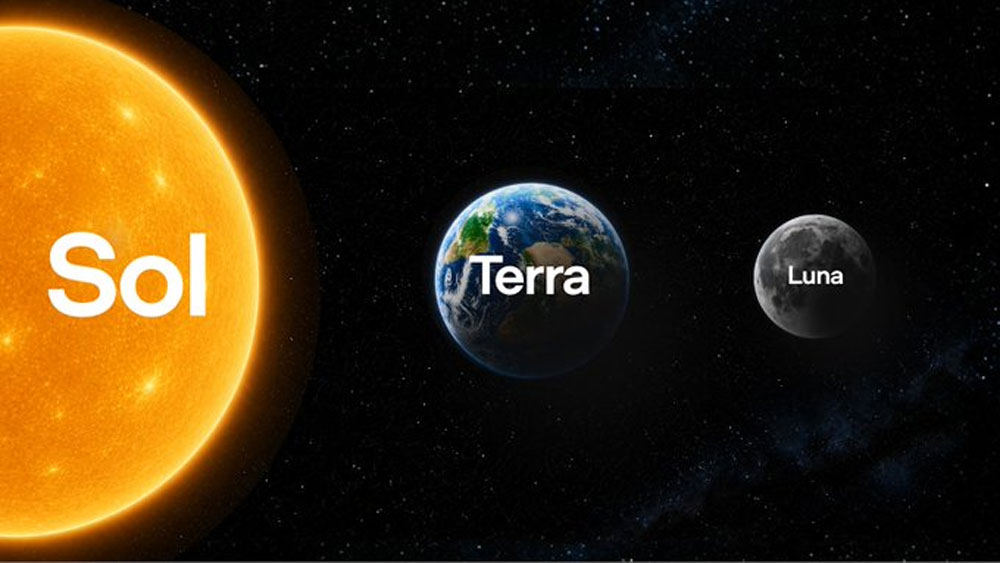
Thumbnail Image

OpenAI limits its newest ChatGPT product to Trump-approved customers during cybersecurity review

2026-06-26
AccessWDUN
Why's our monitor labelling this an incident or hazard?
The article explicitly involves an AI system (GPT-5.6 Sol) whose capabilities include finding and fixing software vulnerabilities but also pose risks if weaponized by malicious actors. The government's intervention and the company's phased release indicate recognition of plausible future harm, particularly cybersecurity threats. No actual harm or incident has been reported yet, so it does not meet the criteria for an AI Incident. The focus is on potential risks and preventive measures, not on realized harm or ongoing incidents. Hence, the event is best classified as an AI Hazard.
Thumbnail Image

GPT-5.6 en modo préstamo: lo que el freno de Washington te dice si tu negocio vive de APIs de IA - TIC's en la Web

2026-06-26
TIC's en la Web
Why's our monitor labelling this an incident or hazard?
The article explicitly involves AI systems (GPT-5.6, Fable 5) and their use via APIs in business-critical workflows. The government's export control decisions and restrictions on AI model deployment constitute the use and availability aspect of AI systems. Although no direct harm has yet occurred, the article clearly outlines the plausible risk of significant disruption to businesses relying on these AI APIs, which could lead to harm such as operational disruption. The lack of transparency and unpredictability of these controls further increase the hazard. Since the harm is potential and not yet realized, and the event concerns plausible future harm from AI system use, the classification as an AI Hazard is appropriate.

Thumbnail Image

EUA permitem que algumas empresas usem modelo mais avançado de IA da Anthropic

2026-06-27
Executive Digest
Why's our monitor labelling this an incident or hazard?
The article explicitly mentions that the US government suspended public access to Anthropic's advanced AI models due to concerns about their potential use in cyberattacks, a serious security risk. The government's selective approval for trusted partners follows negotiations addressing these risks. No actual harm or incident has been reported yet, but the concerns and restrictions indicate a credible potential for harm. The involvement of advanced AI systems and the focus on preventing misuse align with the definition of an AI Hazard, as the event concerns plausible future harm rather than realized harm.
Thumbnail Image

A Anthropic recebeu autorização para restaurar o acesso ao Mythos 5 para alguns clientes.

2026-06-27
avalanchenoticias.com.br
Why's our monitor labelling this an incident or hazard?
The article focuses on the regulatory and operational coordination between Anthropic and U.S. authorities to manage access to advanced AI models due to security concerns. It does not report any direct or indirect harm caused by the AI systems, nor does it describe a plausible future harm event occurring at this time. Instead, it details a response and mitigation effort to address potential risks, including partial restoration of access and ongoing dialogue. Therefore, this is best classified as Complementary Information, as it provides important context and updates on governance and risk management related to AI systems without describing a new incident or hazard.
Thumbnail Image

OpenAI limits its newest ChatGPT product to Trump-approved customers during cybersecurity review

2026-06-27
morning-times.com
Why's our monitor labelling this an incident or hazard?
The article explicitly mentions the involvement of an AI system (GPT-5.6 Sol) and a government-imposed restriction due to cybersecurity concerns, indicating a response to potential risks. However, there is no indication that the AI system has caused any harm or malfunction, nor that any harm is imminent or plausible beyond the precautionary context. Therefore, this event is best classified as Complementary Information, as it provides context on governance and risk management related to AI without describing an incident or hazard.
Thumbnail Image

Lançamento do GPT-5.6 sofre controle dos EUA | SempreUpdate

2026-06-26
SempreUpdate
Why's our monitor labelling this an incident or hazard?
The event involves an AI system (GPT-5.6) and its development and use. However, the article focuses on the government's decision to impose a controlled release and additional review to prevent potential misuse or harm, rather than describing any realized harm or incident caused by the AI system. The concerns relate to plausible future harms such as cybersecurity threats or misuse, making this a case of an AI Hazard. The article also discusses governance and regulatory responses, but the primary focus is on the potential risks and the preventive control measures, not on an actual incident or complementary information about past incidents.
Thumbnail Image

GPT-5.6 : la Maison Blanche ordonne un déploiement contrôlé

2026-06-26
L-echo
Why's our monitor labelling this an incident or hazard?
The event involves an AI system (GPT-5.6) whose deployment is being restricted by government authorities due to security concerns. The AI system's potential to identify and exploit zero-day vulnerabilities autonomously poses a credible risk to critical infrastructure, which aligns with the definition of an AI Hazard. No direct or indirect harm has occurred yet, but the plausible future harm is significant enough to warrant classification as an AI Hazard. The article focuses on the regulatory response to this risk rather than reporting an actual incident or harm caused by the AI system, so it is not an AI Incident or Complementary Information.
Thumbnail Image

La Casa Blanca habría pedido a OpenAI limitar el lanzamiento de GPT-5.6

2026-06-26
Benzinga España
Why's our monitor labelling this an incident or hazard?
The event involves an AI system (GPT-5.6) and the government's preventive request to limit its deployment due to security concerns, indicating potential risks. However, no actual harm or incident has occurred yet. The article focuses on the plausible future risks and regulatory responses rather than any direct or indirect harm caused by the AI system. Hence, this qualifies as an AI Hazard, as it plausibly could lead to harm but has not yet done so.
Thumbnail Image

La Maison-Blanche demande à OpenAI de retarder GPT-5.6 pour examen

2026-06-26
next.ink
Why's our monitor labelling this an incident or hazard?
The article explicitly involves AI systems (GPT-5.6, Mythos, Fable) and government actions aimed at managing potential risks before public release, indicating concern about possible harms such as cybersecurity threats. Since no direct or indirect harm has yet materialized, but the government is acting to prevent possible future harms, this fits the definition of an AI Hazard. The article does not describe an AI Incident because no harm has occurred, nor is it merely complementary information since the main focus is on the potential risk and regulatory response. It is not unrelated because AI systems and their governance are central to the event.
Thumbnail Image

O governo Trump pediu à OpenAI que adiasse o lançamento público do GPT-5.6 "por questões de segurança".

2026-06-26
avalanchenoticias.com.br
Why's our monitor labelling this an incident or hazard?
The article focuses on a governmental directive to limit the release of a new AI model due to security concerns, reflecting a precautionary approach to AI deployment. There is no indication that any harm has occurred or that the AI system malfunctioned. Instead, the event is about managing potential risks and coordinating release strategies. Therefore, it does not describe an AI Incident or an AI Hazard but rather a governance-related update, which fits the definition of Complementary Information.
Thumbnail Image

Beyaz Saray'dan OpenAI'a kısıtlama talebi

2026-06-26
Yeniçağ Gazetesi
Why's our monitor labelling this an incident or hazard?
An AI system (GPT-5.6) is explicitly mentioned, and its advanced capabilities pose potential national security and cybersecurity risks. The U.S. government's intervention to restrict access is based on the plausible risk that the AI system could lead to harm if widely deployed. Since no actual harm has been reported yet, and the event focuses on preventing potential harm, it fits the definition of an AI Hazard. The event is not merely general AI news or a complementary update but a significant governance action addressing credible risks associated with the AI system.
Thumbnail Image

Beyaz Saray ChatGPT için sınırlama istedi

2026-06-26
Halk TV
Why's our monitor labelling this an incident or hazard?
The event explicitly involves an AI system (OpenAI's GPT-5.6 model) and concerns its use and distribution. The government's intervention is motivated by concerns over national security risks, implying plausible future harms if the AI system were widely accessible. Since no actual harm has been reported or occurred yet, but credible risk is recognized and addressed, this fits the definition of an AI Hazard. It is not an AI Incident because no harm has materialized, nor is it Complementary Information or Unrelated, as the focus is on the potential risk and control measures for a specific AI system.
Thumbnail Image

OpenAI limits new GPT-5.6 models for select partners over US govt request

2026-06-27
Telangana News | Hyderabad Latest Updates | Munsif News 24x7
Why's our monitor labelling this an incident or hazard?
The article involves advanced AI systems (GPT-5.6 models and Mythos 5) and government-imposed restrictions due to concerns about potential risks, which implies plausible future harm if these models were released without controls. Since no actual harm or incident has been reported, but credible concerns about misuse or security risks exist, this qualifies as an AI Hazard. The event is not merely general AI news or product launch because it centers on government-imposed limitations due to risk concerns, but it does not describe any realized harm or incident.
Thumbnail Image

OpenAI begins limited preview of GPT‑5.6 models

2026-06-27
Dimsum Daily
Why's our monitor labelling this an incident or hazard?
The article primarily reports on the controlled release and regulatory review of a new AI system, highlighting safety features and compliance efforts. While it acknowledges potential risks and government concerns (e.g., Anthropic's temporary withdrawal due to manipulation risks), it does not describe any actual incident of harm or malfunction caused by the AI. The content fits the definition of Complementary Information as it provides context on AI system deployment, safety measures, and governance responses without reporting a specific AI Incident or AI Hazard.
Thumbnail Image

Casa Branca pede que OpenAI limite lançamento de seu próximo modelo | CNN Brasil

2026-06-25
CNN Brasil
Why's our monitor labelling this an incident or hazard?
The event involves an AI system (OpenAI's GPT 5.6 model) and concerns about its advanced capabilities that could pose security risks. The government's intervention to limit access is a response to potential hazards associated with the AI system's use, reflecting plausible future harm rather than realized harm. There is no indication that the AI system has directly or indirectly caused injury, rights violations, or other harms at this point. The article focuses on regulatory and governance responses to mitigate risks, fitting the definition of an AI Hazard rather than an Incident or Complementary Information.
Thumbnail Image

La Nueva IA De OpenAI, GPT-5.6, ¿por Qué No Podrás Usarla?

2026-06-26
ElPeriodico.digital
Why's our monitor labelling this an incident or hazard?
The article explicitly mentions the development and deployment of an advanced AI system (GPT-5.6) with restricted access due to government policy and security concerns. While these restrictions imply awareness of potential risks, the article does not describe any actual harm or incident caused by the AI system, nor does it describe a credible imminent risk or near miss event. The focus is on the rollout strategy, policy compliance, and technical improvements, which aligns with providing supporting context and updates about AI governance and ecosystem developments. Hence, it fits the definition of Complementary Information rather than an Incident or Hazard.
Thumbnail Image

OpenAI lanza GPT 5.6; está disponible solo para algunos socios de EU

2026-06-26
lajornadamaya.mx
Why's our monitor labelling this an incident or hazard?
The event involves AI systems (GPT-5.6 models) and their development and controlled deployment under government oversight due to potential cybersecurity risks. However, no direct or indirect harm has occurred yet, and the article mainly discusses precautionary measures, regulatory responses, and the controlled rollout to prevent possible future harms. Therefore, this situation fits the definition of an AI Hazard, as the AI systems could plausibly lead to incidents related to cybersecurity threats, but no incident has materialized at this point.
Thumbnail Image

OpenAI lança GPT-5.6 com acesso restrito por exigência do governo dos EUA - Startups

2026-06-26
Startups
Why's our monitor labelling this an incident or hazard?
The presence of an advanced AI system (GPT-5.6) is clear, and the article discusses government-imposed restrictions to control its release due to concerns about potential risks. No direct or indirect harm has been reported from the AI system's use or malfunction. The focus is on preventing possible future harms through regulation and limited access. Hence, the event fits the definition of an AI Hazard, where the AI system's development and controlled deployment could plausibly lead to harm, but no incident has yet occurred.
Thumbnail Image

Lancement de GPT-5.6 par OpenAI : révélation d'une stratégie de modèle à trois niveaux

2026-06-26
The Cryptonomist
Why's our monitor labelling this an incident or hazard?
The article explicitly involves AI systems (GPT-5.6 models) and their development and deployment. However, it does not describe any direct or indirect harm caused by these AI systems. Instead, it details government-imposed restrictions and regulatory processes aimed at preventing potential risks associated with these powerful AI models. Since no harm has occurred but there is a credible risk that unrestricted deployment could lead to harm, this situation fits the definition of an AI Hazard. It is not an AI Incident because no harm has materialized, nor is it Complementary Information since the main focus is not on updates or responses to a past incident but on the current regulatory environment and potential risks. It is not Unrelated because the event is clearly about AI systems and their governance.
Thumbnail Image

OpenAI anuncia GPT-5.6 com acesso restrito após pedido de Trump

2026-06-26
Portal Tela
Why's our monitor labelling this an incident or hazard?
The event involves an AI system (GPT-5.6) and its controlled deployment due to security concerns, but no actual harm or incident is described. The article mainly provides contextual information about the release, security safeguards, and government interaction, which fits the definition of Complementary Information rather than an Incident or Hazard. There is no mention of realized harm or a credible imminent risk of harm from the AI system at this stage.
Thumbnail Image

OpenAI limita el lanzamiento de GPT-5.6 ante presión del Gobierno de EE.UU.

2026-06-26
Bloomberg Línea
Why's our monitor labelling this an incident or hazard?
The article explicitly involves an AI system (GPT-5.6) and discusses government-imposed restrictions on its release due to concerns about security and potential misuse. No direct or indirect harm has been reported as having occurred from the AI system's use or malfunction. Instead, the government's intervention aims to mitigate plausible future harms. This fits the definition of an AI Hazard, where the development and deployment of a powerful AI system could plausibly lead to harm, prompting precautionary measures. The event is not Complementary Information because it is not primarily about responses to a past incident but about managing potential risks. It is not an AI Incident because no harm has materialized. It is not Unrelated because the event is clearly about AI and its governance.
Thumbnail Image

Trump administration approving access to OpenAI's ChatGPT 5.6 in 'limited preview'

2026-06-26
Yahoo Tech
Why's our monitor labelling this an incident or hazard?
The article explicitly involves an AI system (ChatGPT 5.6) and discusses its advanced capabilities, including cybersecurity-related functions that could be exploited maliciously. The U.S. government's executive order and the limited preview access represent a governance response to potential AI risks. No direct or indirect harm has been reported; rather, the event is about managing plausible future harms through oversight and controlled access. This fits the definition of Complementary Information, as it provides important context on AI governance and risk management without describing a realized AI Incident or an imminent AI Hazard.
Thumbnail Image

Governo dos EUA negocia liberação de modelos de IA da Anthropic

2026-06-26
O Antagonista
Why's our monitor labelling this an incident or hazard?
The article involves AI systems explicitly (Fable 5 and Mythos 5 AI models) and discusses their development, use, and regulatory control due to security concerns. However, no actual harm or incident resulting from these AI systems is reported. The concerns about jailbreak vulnerabilities and the export restrictions indicate plausible future risks but no direct or indirect harm has occurred yet. Therefore, this event fits the definition of an AI Hazard, as it concerns circumstances where AI system use or malfunction could plausibly lead to harm, but no harm has materialized at this time.
Thumbnail Image

OpenAI acquiesces to White House AI worries about GPT 5.6 | The National

2026-06-26
The National
Why's our monitor labelling this an incident or hazard?
The article centers on regulatory and governance responses to AI development and deployment, including limited previews and access restrictions, without describing any direct or indirect harm caused by AI systems. There is no indication of injury, rights violations, disruption, or other harms resulting from the AI models' use or malfunction. The content primarily provides complementary information about societal and governance responses to AI risks and policy measures, fitting the definition of Complementary Information rather than an Incident or Hazard.
Thumbnail Image

OpenAI to limit latest model launch at Trump administration's request: report

2026-06-26
The National Desk
Why's our monitor labelling this an incident or hazard?
The article involves an AI system (OpenAI's GPT-5.6) and discusses government intervention to restrict its release due to concerns about potential misuse, such as cyberattacks. However, there is no indication that any harm has occurred yet. The event centers on the plausible risk of harm from the AI system's deployment and the regulatory response to mitigate that risk. Therefore, this qualifies as an AI Hazard, as the development and use of the AI system could plausibly lead to harm, but no incident has materialized.
Thumbnail Image

OpenAI says access to its new GPT-5.6 model is limited at the US government's request

2026-06-26
DNYUZ
Why's our monitor labelling this an incident or hazard?
The article centers on the controlled release of a new AI model due to government safety and export control considerations. There is no indication that the AI system has caused any direct or indirect harm yet. The limitation of access is a preventive measure to mitigate plausible future risks, but no specific hazard event or incident has occurred. Therefore, this qualifies as Complementary Information, as it provides context on governance and safety responses related to AI deployment without describing a new AI Incident or AI Hazard.
Thumbnail Image

GPT-5.6 chega com acesso restrito e revisão federal

2026-06-27
Vitória Agora
Why's our monitor labelling this an incident or hazard?
The event involves an AI system (GPT-5.6) and its development and deployment under government review due to potential cybersecurity risks. However, there is no indication that the AI system has caused any direct or indirect harm yet. The article highlights plausible future risks and regulatory responses, fitting the definition of an AI Hazard rather than an Incident. It is not merely complementary information because the main focus is on the potential risks and federal review process, which could plausibly lead to harm if not managed properly.
Thumbnail Image

OpenAI lance GPT-5.6 Sol, Terra et Luna, mais en accès limité

2026-06-26
next.ink
Why's our monitor labelling this an incident or hazard?
The article discusses the release and features of a new AI language model with strong security controls and limited access, aiming to prevent misuse. There is no indication of any direct or indirect harm caused by the AI system, nor any credible risk of harm currently or imminently arising from its use as described. The content primarily provides contextual and technical information about the AI system and governance measures, which fits the definition of Complementary Information rather than an Incident or Hazard.
Thumbnail Image

OpenAI limits its latest ChatGPT product to Trump-approved customers during cybersecurity review

2026-06-27
NonStop Local Montana
Why's our monitor labelling this an incident or hazard?
The article explicitly involves an AI system (OpenAI's GPT-5.6 Sol) and details government-imposed restrictions due to concerns about cybersecurity risks, including the AI's capability to find software vulnerabilities that could be weaponized. No actual harm or incident has been reported; rather, the government is vetting and limiting access to prevent possible misuse or harm. This fits the definition of an AI Hazard, where the AI system's use could plausibly lead to harm (cybersecurity threats) but no direct or indirect harm has yet occurred. The article also includes governance responses, but these are secondary to the main narrative about potential risks and controlled release. Hence, the classification is AI Hazard.
Thumbnail Image

EUA autorizam Anthropic a divulgar modelo que gerou temor sobre segurança | CNN Brasil

2026-06-27
CNN Brasil
Why's our monitor labelling this an incident or hazard?
The article explicitly involves an AI system (Anthropic's Mythos 5 model) and discusses government actions taken due to concerns about its potential misuse leading to cybersecurity risks. The government's export ban and selective authorization reflect recognition of plausible future harms from the AI system's capabilities. However, the article does not report any realized harm or incident caused by the AI system to date. The focus is on managing risks and regulatory responses, not on an actual AI Incident. Thus, the event fits the definition of an AI Hazard rather than an AI Incident or Complementary Information.
Thumbnail Image

OpenAI GPT-5.6 Launch Reveals Three-Tier Model Strategy

2026-06-26
The Cryptonomist
Why's our monitor labelling this an incident or hazard?
The article centers on the launch and controlled release of new AI models under government oversight, with no reported incidents of harm or malfunction. The government's restrictions and OpenAI's safety measures are preventive and regulatory in nature, addressing potential risks rather than describing an AI Incident or AI Hazard. The discussion of past forced model takedowns and ongoing regulatory frameworks further supports this as Complementary Information, as it informs about societal and governance responses to AI developments without reporting new harm or imminent risk. Hence, the event does not meet the criteria for AI Incident or AI Hazard but enriches understanding of the AI ecosystem and regulatory landscape.
Thumbnail Image

Acesso restrito ao GPT-5.6: OpenAI atende pedido do governo Trump

2026-06-26
hardware.com.br
Why's our monitor labelling this an incident or hazard?
The event involves an AI system (GPT-5.6) whose release is being restricted by government authorities due to concerns about potential security risks, although no specific harm has been disclosed. This aligns with the definition of an AI Hazard, where the development or use of an AI system could plausibly lead to harm. The article does not report any realized harm or incident, so it cannot be classified as an AI Incident. It also is not primarily about governance responses to past incidents or complementary information updating on prior harms, but rather about a current preventive measure based on potential risks. Therefore, the classification as AI Hazard is appropriate.
Thumbnail Image

OpenAI restringe lançamento de novo modelo sob pressão dos EUA

2026-06-26
Portal Tela
Why's our monitor labelling this an incident or hazard?
The article does not report any realized harm caused by the AI system, nor does it describe an incident where the AI system led to injury, rights violations, or other harms. Instead, it focuses on precautionary measures and regulatory pressure to prevent potential risks associated with the new AI model's release. Therefore, this event fits the definition of an AI Hazard, as it plausibly could lead to harm if released without controls, but no harm has yet occurred.
Thumbnail Image

OpenAI abre sus nuevos modelos de GPT solo a socios aprobados por el Gobierno de EE.UU.

2026-06-26
Diario El Mundo
Why's our monitor labelling this an incident or hazard?
The article does not report any realized harm or incident caused by the AI models. Instead, it details a governance and regulatory response to the potential risks posed by advanced AI systems, including a temporary access restriction and a review process before wider deployment. There is no indication of malfunction, misuse, or harm resulting from the AI systems at this stage. The event is about managing potential risks and ensuring safe deployment, which fits the definition of Complementary Information as it provides context on societal and governance responses to AI developments without describing a specific incident or hazard.
Thumbnail Image

Openai Limits Gpt-5.6 Rollout After Government Request, Says Restrictions Shouldn't Be The Norm

2026-06-26
Breaking News, Latest News, US and Canada News, World News, Videos
Why's our monitor labelling this an incident or hazard?
The article explicitly involves AI systems (GPT-5.6 models) and their use, specifically the limitation of their deployment due to government requests. The event stems from the use and governance of AI systems rather than their malfunction or misuse causing harm. No direct or indirect harm has been reported; rather, the government is acting preemptively to manage potential risks. This fits the definition of Complementary Information, as it details governance responses and regulatory measures related to AI without describing an incident or hazard involving realized or plausible harm.
Thumbnail Image

EUA autorizam Anthropic a divulgar modelo que gerou temor sobre segurança

2026-06-27
ContilNet Notícias
Why's our monitor labelling this an incident or hazard?
The event involves an AI system (Anthropic's Mythos 5 model) whose development and use raised significant security concerns, leading to government intervention. Although no direct harm is reported as having occurred, the initial export ban and ongoing regulatory scrutiny reflect credible risks that the AI system could be misused to cause harm, such as cybersecurity breaches. The article focuses on the regulatory response and risk mitigation efforts rather than an actual incident of harm. Therefore, this event is best classified as Complementary Information, as it provides important context on governance and risk management related to a potentially hazardous AI system but does not describe a realized AI Incident or an immediate AI Hazard.
Thumbnail Image

EE.UU. autoriza un uso más amplio del modelo de IA Mythos 5 de Anthropic

2026-06-27
Bloomberg Línea
Why's our monitor labelling this an incident or hazard?
The event involves an AI system (Mythos 5) and its use, with government-imposed restrictions due to security concerns, indicating potential risks. However, no actual harm or incident resulting from the AI system is reported. The article centers on the resolution of regulatory concerns and controlled access to the AI model, which aligns with societal and governance responses to AI risks. Thus, it fits the definition of Complementary Information, as it updates on mitigation and regulatory measures rather than describing a new AI Incident or AI Hazard.
Thumbnail Image

OpenAI defers public rollout of GPT‑5.6 as US seeks early access to frontier AI models

2026-06-26
104.1 WIKY | Adult Contemporary Radio
Why's our monitor labelling this an incident or hazard?
The event involves the development and controlled release of an advanced AI system (GPT-5.6). While no harm has yet occurred, the government's involvement and the company's decision to limit access reflect credible concerns about potential future harms related to national security, cyberattacks, and military misuse. Therefore, this situation represents a plausible risk of harm stemming from the AI system's use, fitting the definition of an AI Hazard rather than an Incident, as no direct harm has been reported yet.
Thumbnail Image

OpenAI launches limited release of new model in US only

2026-06-26
anews
Why's our monitor labelling this an incident or hazard?
The article involves AI systems explicitly (OpenAI's GPT-5.6 models and Anthropic's Mythos models) and discusses their capabilities and government concerns about national security risks. However, no actual harm or incident has occurred; the concerns are about plausible future risks related to AI's ability to identify software vulnerabilities. The government's limited release and review process indicate precautionary measures rather than a response to an AI incident. Thus, this event fits the definition of Complementary Information as it provides context on governance and societal responses to AI risks without reporting a new AI Incident or AI Hazard.
Thumbnail Image

OpenAI defers public rollout of GPT‑5.6 as US seeks early access to frontier AI models By Reuters

2026-06-26
Investing.com
Why's our monitor labelling this an incident or hazard?
The article does not report any actual harm or incident caused by the AI system GPT-5.6. Instead, it details a precautionary measure and coordination between OpenAI and the U.S. government to manage potential risks associated with the deployment of a powerful AI model. This aligns with the definition of Complementary Information, as it provides context on governance responses and risk management without describing a specific AI Incident or AI Hazard.
Thumbnail Image

White House asks OpenAI to restrict GPT-5.6 access

2026-06-26
Nairametrics
Why's our monitor labelling this an incident or hazard?
The article involves an AI system (GPT-5.6) and discusses government intervention to limit its access due to concerns about its advanced capabilities potentially leading to harm. However, no actual harm or incident has occurred yet; the restrictions are preventive. This fits the definition of an AI Hazard, as the development and potential use of GPT-5.6 could plausibly lead to harms such as cybersecurity risks or misuse. The article also references similar actions taken against Anthropic's models, reinforcing the regulatory concern. Since no realized harm is reported, and the focus is on potential risks and regulatory responses, the classification is AI Hazard.
Thumbnail Image

OpenAI staggers AI model release after Trump administration request

2026-06-26
The Guardian
Why's our monitor labelling this an incident or hazard?
The event involves the development and controlled release of an AI system (GPT 5.6) with government oversight to mitigate potential risks. No actual harm or incident has been reported; rather, the article focuses on regulatory and governance measures to prevent possible harms from powerful AI models. This fits the definition of Complementary Information, as it provides context on societal and governance responses to AI risks without describing a specific AI Incident or AI Hazard.
Thumbnail Image

Trump Tightens Grip On AI, Asks OpenAI To Limit GPT-5.6 Release

2026-06-26
NDTV
Why's our monitor labelling this an incident or hazard?
The event involves an AI system (GPT-5.6) and concerns its development and use. The US government's request to stagger the release to trusted partners is motivated by concerns about potential risks and harms from the AI model's capabilities. No actual harm or incident has been reported yet, but the regulatory actions indicate a credible risk of future harm if the AI is released widely without controls. This fits the definition of an AI Hazard, where the AI system's development or use could plausibly lead to harm. The article does not describe any realized harm or incident, so it is not an AI Incident. It is also not merely complementary information or unrelated, as the focus is on the potential risks and regulatory response to the AI system.
Thumbnail Image

ChatGPT 5.6 rollout may begin with limited access, report claims

2026-06-26
The Indian Express
Why's our monitor labelling this an incident or hazard?
The event involves an AI system (ChatGPT 5.6) and its controlled rollout under government supervision, which is a governance and oversight development. There is no direct or indirect harm reported or plausible harm imminent from the described event. The article mainly discusses regulatory and procedural aspects of AI deployment, which fits the definition of Complementary Information as it provides context on societal and governance responses to AI without describing an AI Incident or AI Hazard.
Thumbnail Image

OpenAI limits release of new AI model amid US request By Investing.com

2026-06-26
Investing.com
Why's our monitor labelling this an incident or hazard?
The event involves an AI system (GPT-5.6) and its controlled release due to government intervention, which is a governance and societal response to potential risks associated with advanced AI. There is no direct or indirect harm reported, nor is there a plausible immediate risk of harm described in the article. The focus is on regulatory measures and company strategy to mitigate potential risks, which fits the definition of Complementary Information rather than an AI Incident or AI Hazard.
Thumbnail Image

OpenAI limits new AI models to 'trusted partners' at request of U.S. government

2026-06-26
CNBC
Why's our monitor labelling this an incident or hazard?
The article explicitly mentions AI systems (new AI models GPT-5.6 Sol, Terra, and Luna) and their controlled rollout due to government requests. However, it does not describe any harm caused by these models, nor does it indicate a credible risk of harm at this stage. The focus is on regulatory cooperation and establishing assessment frameworks, which aligns with Complementary Information as it provides context on governance and societal responses to AI developments. There is no direct or indirect harm, nor a plausible future harm described that would qualify as an AI Incident or AI Hazard.
Thumbnail Image

US government reportedly asks OpenAI to slow GPT-5.6 rollout over safety concerns

2026-06-26
India Today
Why's our monitor labelling this an incident or hazard?
The event involves the use and deployment of advanced AI systems (GPT-5.6 and Anthropic's models) and government actions aimed at mitigating potential risks before broader release. There is no indication that harm has already occurred, but the government's request is based on plausible concerns about safety and national security risks that could arise from unrestricted access to powerful AI models. Therefore, this situation fits the definition of an AI Hazard, as it describes circumstances where AI system deployment could plausibly lead to harm, prompting precautionary regulatory measures.
Thumbnail Image

OpenAI Limits Access to New Model, Citing Government Security Concerns

2026-06-26
The Wall Street Journal
Why's our monitor labelling this an incident or hazard?
The article explicitly involves AI systems (GPT-5.6 models) and their development and use. The government's intervention and OpenAI's limited rollout are responses to concerns about potential misuse or harm, such as cybersecurity vulnerabilities. Since no actual harm or incident has been reported, and the measures are preventive, this fits the definition of an AI Hazard, where the AI system's use could plausibly lead to harm. It is not Complementary Information because the article's main focus is on the potential risk and regulatory action, not on updates or responses to a past incident. It is not an AI Incident because no realized harm has occurred. It is not Unrelated because the event is clearly AI-related and involves AI system deployment and governance.
Thumbnail Image

Trump administration steps in to limit OpenAI's latest model launch

2026-06-26
POLITICO
Why's our monitor labelling this an incident or hazard?
The article does not report any realized harm or incident caused by the AI system, nor does it describe a plausible imminent harm resulting from the AI system's release. Instead, it details a governance response—government-imposed restrictions on the AI model's availability. This fits the definition of Complementary Information, as it provides context on societal and governance responses to AI developments without describing a new AI Incident or AI Hazard.
Thumbnail Image

Trump Administration Seeks GPT-5.6 Release Delay

2026-06-26
Chosun.com
Why's our monitor labelling this an incident or hazard?
The article does not report any realized harm or incident caused by the AI system GPT-5.6, nor does it describe a plausible future harm event directly resulting from the AI system's use or malfunction. Instead, it details government intervention and regulatory measures aimed at managing potential risks associated with advanced AI models. This fits the definition of Complementary Information, as it provides context on governance responses and industry concerns without describing a new AI Incident or AI Hazard.
Thumbnail Image

OpenAI Limits Release of New Model Under Pressure From US

2026-06-26
Bloomberg Business
Why's our monitor labelling this an incident or hazard?
The article involves an AI system (GPT-5.6) and its development and use, with government-imposed restrictions aimed at preventing potential misuse or harm. While the article highlights concerns about cybersecurity risks and the possibility of jailbreaks that could lead to harmful activities, it does not report any realized harm or incident caused by the AI system. Instead, it details precautionary measures, regulatory pressure, and risk management strategies. Therefore, this event fits the definition of an AI Hazard, as it plausibly could lead to harm if not properly managed, but no harm has yet occurred.
Thumbnail Image

How the White House is quietly bottlenecking AI

2026-06-26
TheStreet
Why's our monitor labelling this an incident or hazard?
The article explicitly involves AI systems (frontier AI models like GPT-5.6 and Anthropic's Mythos) and discusses government actions to limit their deployment due to concerns about potential harms, including national security risks. Although no actual harm is reported, the government's intervention is based on the plausible risk that these AI systems could cause harm if broadly released without oversight. This fits the definition of an AI Hazard, as the development and use of these AI systems could plausibly lead to incidents involving harm to security or other significant harms. The article does not describe realized harm or incidents but focuses on preventive measures and regulatory responses to potential risks.
Thumbnail Image

After Anthropic, Trump Administration Wants OpenAI To Limit Early GPT-5.6 Access Over National Security Concerns

2026-06-26
TimesNow
Why's our monitor labelling this an incident or hazard?
The article involves an AI system (GPT-5.6) and government action to slow its rollout due to concerns about potential misuse and national security risks. No direct harm has occurred yet, but the situation reflects a credible risk that the AI system's deployment could lead to significant harm. Therefore, this qualifies as an AI Hazard, as the event concerns plausible future harm stemming from the AI system's use.
Thumbnail Image

The Trump administration just quietly changed how OpenAI will launch its next model

2026-06-26
Tom's Guide
Why's our monitor labelling this an incident or hazard?
The event involves an AI system (GPT-5.6) and its deployment process, but there is no indication of any realized harm or incident caused by the AI system itself. Instead, the article discusses a governance response—government regulation and control over AI model release—to address potential risks. This fits the definition of Complementary Information, as it provides context on societal and governance responses to AI without describing a specific AI Incident or AI Hazard.
Thumbnail Image

OpenAI releases powerful new GPT-5.6 model under restrictions

2026-06-26
Axios
Why's our monitor labelling this an incident or hazard?
The article centers on the controlled release and government review of a powerful AI model due to concerns about its cybersecurity capabilities. While it acknowledges potential risks, it does not describe any actual harm or incident resulting from the AI system's use or malfunction. The focus is on the regulatory and governance context, the cooperation between OpenAI and the government, and the anticipation of future frameworks to manage AI risks. Therefore, this event fits the definition of Complementary Information, as it provides important context and updates about AI governance and risk management without reporting a new AI Incident or AI Hazard.
Thumbnail Image

Trump administration asks OpenAI to limit next model release over security concerns

2026-06-25
Axios
Why's our monitor labelling this an incident or hazard?
The article explicitly involves an AI system (OpenAI's GPT-5.6) and discusses the government's intervention to limit its release due to security concerns. There is no indication that harm has already occurred; rather, the focus is on preventing potential future harm from misuse or malicious use of the AI model. Therefore, this event fits the definition of an AI Hazard, as it plausibly could lead to harms such as security breaches or misuse but has not yet resulted in an incident.
Thumbnail Image

OpenAI leans toward waiting until next year for IPO, NYT reports

2026-06-26
Economic Times
Why's our monitor labelling this an incident or hazard?
The article explicitly mentions an AI system (GPT 5.6) and a government-mandated phased rollout due to security concerns, indicating awareness of potential risks. However, no actual harm, malfunction, or violation has occurred yet. The focus is on managing potential risks through controlled access, which fits the definition of an AI Hazard (plausible future harm). There is no indication of an AI Incident or Complementary Information, as the article is not about a response to a past incident or a broader governance update but about a current precautionary measure and IPO plans.
Thumbnail Image

What is OpenAI's GPT-5.6? Here's why the Trump Administration wants to limit its release

2026-06-26
Economic Times
Why's our monitor labelling this an incident or hazard?
The article explicitly mentions an AI system (GPT-5.6) and the government's request to restrict its rollout due to concerns about its potential misuse for cyberattacks and sensitive research acceleration. These concerns represent plausible future harms that could arise from the AI system's use. Since no actual harm or incident has been reported, and the focus is on preventing possible risks through evaluation and limited access, the event fits the definition of an AI Hazard. It is not Complementary Information because the main narrative is about the potential risks and government intervention, not a response to a past incident. It is not an AI Incident because no harm has occurred yet. Therefore, the classification is AI Hazard.
Thumbnail Image

Trump administration asks OpenAI to limit release of GPT-5.6: Report

2026-06-26
Economic Times
Why's our monitor labelling this an incident or hazard?
The article involves an AI system (GPT-5.6, a large language model) and the government's intervention in its release due to security concerns. However, there is no indication that the AI system has caused any direct or indirect harm at this stage. The government's request and the executive order on AI security indicate a credible risk that the AI system could lead to harm if released without controls. Therefore, this event fits the definition of an AI Hazard, as it plausibly could lead to an AI Incident in the future but no harm has yet materialized.
Thumbnail Image

After 'banning' Anthropic's AI, US government now sends message to OpenAI CEO Sam Altman; says: Your new AI model can only be available to...

2026-06-26
The Times of India
Why's our monitor labelling this an incident or hazard?
An AI system is explicitly involved, namely advanced AI language models like GPT-5.6 and Anthropic's Fable 5 and Mythos 5. The event concerns the use and deployment of these AI systems and the government's regulatory response to mitigate potential cybersecurity harms. While no direct harm has yet occurred, the government's actions are driven by credible concerns that these AI models could be exploited by malicious actors to cause significant cybersecurity incidents. Therefore, the event describes a plausible future risk of harm stemming from the development and use of these AI systems. Since no actual harm has been reported but a credible risk is recognized and acted upon, this qualifies as an AI Hazard rather than an AI Incident. The article focuses on the regulatory and governance response to these risks, but the primary subject is the potential for harm and the measures to prevent it, not a realized harm or incident.
Thumbnail Image

OpenAI will delay GPT-5.6 after Trump administration request

2026-06-25
The Verge
Why's our monitor labelling this an incident or hazard?
The article details a government request to stagger the release of an AI model to address potential security issues, which implies a plausible risk of harm but does not describe any realized harm or incident caused by the AI system. The involvement of the AI system is clear, and the government's actions indicate concern about possible future harms. Therefore, this situation fits the definition of an AI Hazard, as it plausibly could lead to harm but no harm has yet materialized.
Thumbnail Image

OpenAI unveils GPT-5.6 amid US AI regulatory drama

2026-06-26
The Verge
Why's our monitor labelling this an incident or hazard?
The article describes the release of a new AI system and the associated safety and regulatory measures taken to prevent misuse and harm. However, it does not report any actual harm, injury, rights violations, or disruptions caused by the AI system. The focus is on potential risks and the company's mitigation strategies, which aligns with providing complementary information about AI safety and governance rather than reporting an incident or hazard. Therefore, this is best classified as Complementary Information.
Thumbnail Image

The Government Boot Is Coming Down on AI

2026-06-26
Gizmodo
Why's our monitor labelling this an incident or hazard?
The article explicitly discusses government requests and interventions regarding AI model releases, which involve AI systems. However, it does not describe any direct or indirect harm resulting from the AI systems' development, use, or malfunction. Instead, it details regulatory actions and their implications for the AI industry, which fits the definition of Complementary Information. The focus is on governance and policy responses rather than on harm or plausible harm caused by AI systems. Hence, the event is not an AI Incident or AI Hazard but Complementary Information.
Thumbnail Image

OpenAI Has New AI Models. Here's Why You Can't Use Them

2026-06-26
Wired
Why's our monitor labelling this an incident or hazard?
The article explicitly involves an AI system (OpenAI's GPT-5.6 models) and discusses government-imposed restrictions due to cybersecurity concerns, indicating a plausible risk of harm from misuse of the AI. There is no indication that any harm has yet occurred, only that the government is acting to prevent potential harms. This fits the definition of an AI Hazard, where the AI system's use could plausibly lead to harm, but no incident has yet materialized. The article is not merely complementary information because the main focus is on the potential risk and regulatory intervention, not on responses to past incidents or general AI ecosystem updates.
Thumbnail Image

White House wants OpenAI to limit the launch of its next model

2026-06-26
Mashable
Why's our monitor labelling this an incident or hazard?
The article focuses on the regulatory and governance response to the release of a new AI model, highlighting government intervention and company cooperation to manage potential risks. There is no indication that any harm has occurred or that the AI system has malfunctioned or been misused yet. The event is about managing plausible future risks through controlled release and collaboration, which fits the definition of Complementary Information as it provides context on societal and governance responses to AI developments rather than reporting an incident or hazard itself.
Thumbnail Image

White House wants OpenAI to restrict GPT-5.6's initial release: Report

2026-06-26
Firstpost
Why's our monitor labelling this an incident or hazard?
The event involves advanced AI systems (GPT-5.6 and Anthropic's models) whose capabilities could plausibly lead to harms related to national security and cybersecurity. The government's decision to restrict access indicates recognition of these plausible risks. Since no actual harm has yet occurred but the potential for significant harm is credible and the article focuses on the risk and mitigation measures, this qualifies as an AI Hazard rather than an AI Incident or Complementary Information. The article does not report realized harm but highlights a credible future risk and corresponding preventive actions.
Thumbnail Image

It's not about Anthropic vs. OpenAI anymore

2026-06-26
TechCrunch
Why's our monitor labelling this an incident or hazard?
The article centers on the regulatory environment and the potential for harm due to delayed or restricted AI model releases, but it does not report any actual harm or incident caused by AI systems. It highlights plausible future risks and the need for safety assurances and regulatory frameworks but does not describe a concrete event where AI use or malfunction has led to harm. Therefore, it fits the definition of an AI Hazard, as it discusses circumstances where AI system deployment could plausibly lead to harm or disruption if not properly managed, but no harm has yet occurred.
Thumbnail Image

The White House is asking OpenAI to slow roll the release of its new model over safety concerns

2026-06-25
TechCrunch
Why's our monitor labelling this an incident or hazard?
The article involves AI systems explicitly (large language models and frontier cyber models) and discusses their development and controlled release. However, no direct or indirect harm has occurred yet; the concerns are about potential misuse or harm that could plausibly arise from these powerful AI models if released unrestricted. The government's involvement in limiting access and the companies' voluntary restrictions are responses to these plausible risks. Therefore, this event fits the definition of an AI Hazard, as it concerns circumstances that could plausibly lead to AI incidents but where harm has not yet materialized.
Thumbnail Image

US Govt Requests OpenAI To Limit GPT-5.6 Rollout To Approved Partners

2026-06-26
Lowyat.NET
Why's our monitor labelling this an incident or hazard?
The article details a government intervention to limit access to a new AI model before public release, reflecting a governance response to potential AI risks. There is no indication that the AI system has caused harm or malfunctioned, nor that any incident has occurred. The focus is on managing plausible future risks through controlled rollout and policy frameworks, which fits the definition of Complementary Information as it provides context on societal and governance responses to AI developments.
Thumbnail Image

OpenAI will initially only release ChatGPT 5.6 to government-approved customers - Engadget

2026-06-25
engadget
Why's our monitor labelling this an incident or hazard?
The event involves an AI system (ChatGPT 5.6) and its controlled release due to government oversight, which is a governance response to potential AI risks. There is no direct or indirect harm reported or implied as having occurred, nor is there a clear plausible future harm from the release approach itself. The main focus is on the regulatory process and industry-government interaction, which fits the definition of Complementary Information as it provides context and updates on societal and governance responses to AI deployment.
Thumbnail Image

Like Anthropic, OpenAI may restrict GPT 5.6 access during initial rollout: Here is why

2026-06-26
Digit
Why's our monitor labelling this an incident or hazard?
The event involves an AI system (GPT-5.6) and its controlled deployment due to concerns about potential misuse, particularly in cybersecurity. However, the article does not report any realized harm or incident caused by the AI system. Instead, it describes a precautionary, regulatory-driven limitation on access to reduce risks. This fits the definition of an AI Hazard, as the development and use of the AI system could plausibly lead to harm (e.g., cyberattacks) if widely released without controls. The article also references governance responses and risk mitigation strategies, but the primary focus is on the potential for harm rather than an actual incident or complementary information about past events.
Thumbnail Image

White House restricts OpenAI's GPT 5.6 model release plans

2026-06-26
The News International
Why's our monitor labelling this an incident or hazard?
The article explicitly involves an AI system (OpenAI's GPT 5.6 model) and government actions taken due to concerns about its advanced capabilities that could pose unprecedented safety risks. There is no indication that harm has already occurred, but the government's precautionary restrictions indicate a credible risk of future harm. The event is not a response to a past incident but a preventive measure, and it does not primarily focus on governance responses or updates to past incidents, so it is not Complementary Information. Hence, it fits the definition of an AI Hazard, as the AI system's use could plausibly lead to harms, prompting regulatory intervention.
Thumbnail Image

OpenAI releases GPT-5.6 to select users vetted by US government

2026-06-26
Financial Times News
Why's our monitor labelling this an incident or hazard?
The article explicitly mentions the AI system (GPT-5.6 models) and its advanced cybersecurity capabilities, indicating AI system involvement. However, no direct or indirect harm has occurred yet; the release is limited and controlled to prevent misuse. The concerns about misuse and exploitation of vulnerabilities are plausible future harms, making this an AI Hazard. The article also discusses governance and safety measures, but the main focus is on the potential risks and controlled release rather than a response to a past incident, so it is not Complementary Information. Hence, the classification is AI Hazard due to the credible risk of misuse and exploitation associated with the AI system's capabilities and limited release.
Thumbnail Image

New AI Models are Making Governments Nervous

2026-06-26
TelecomTalk
Why's our monitor labelling this an incident or hazard?
The event involves AI systems (advanced AI models from Anthropic and OpenAI) and government actions to restrict their distribution due to concerns about national security and potential misuse. While no direct harm has occurred, the government's intervention is based on the plausible risk that these AI models could lead to significant harms if widely released without controls. Therefore, this situation fits the definition of an AI Hazard, as it concerns circumstances where AI system development and use could plausibly lead to harm, prompting preventive measures.
Thumbnail Image

Reportedly, the U.S. government asks OpenAI to slow the launch of GPT-5.6 due to security concerns

2026-06-26
The Hans India
Why's our monitor labelling this an incident or hazard?
The article involves AI systems explicitly (GPT-5.6, Anthropic's AI models) and discusses government actions motivated by security concerns related to these AI systems. No actual harm has been reported yet, but the government's request to slow the rollout and restrict access indicates a credible risk that these AI systems could lead to harms such as national security threats or misuse. This fits the definition of an AI Hazard, as the event plausibly could lead to an AI Incident if the AI systems were deployed without adequate controls. The article does not describe any realized harm or incident, so it is not an AI Incident. It is more than complementary information because the main focus is on the government's intervention due to potential risks, not on responses or updates to past incidents.
Thumbnail Image

OpenAI Will Reportedly Stagger GPT-5.6 Release at US Government Request

2026-06-25
BeInCrypto
Why's our monitor labelling this an incident or hazard?
The event involves the use and deployment of an AI system (GPT-5.6) and a government framework to review frontier AI models for cyber risks, which could plausibly lead to harm if unchecked. However, since no harm has yet occurred and the article centers on a voluntary review process and access control to prevent possible future harms, this fits the definition of an AI Hazard rather than an AI Incident. It is not merely complementary information because the main focus is on the potential risk and mitigation framework rather than a response to a past incident. Therefore, the classification is AI Hazard.
Thumbnail Image

Trump administration reportedly asks OpenAI to stagger GPT-5.6 rollout

2026-06-26
NewsBytes
Why's our monitor labelling this an incident or hazard?
The event involves an AI system (GPT-5.6) and concerns its deployment timing, which could plausibly lead to future harm if released too rapidly. However, no actual harm or incident is described. The government's request to stagger the rollout is a preventive action reflecting concern about potential risks, making this an AI Hazard rather than an Incident or Complementary Information. It is not unrelated because it directly involves AI system deployment and potential risk management.
Thumbnail Image

Trump Administration Asks OpenAI to Limit GPT-5.6 Rollout: Reports

2026-06-26
Decrypt
Why's our monitor labelling this an incident or hazard?
The article involves an AI system (GPT-5.6) and discusses the government's intervention to limit its deployment due to concerns about its capabilities and potential risks. However, no actual harm has been reported as having occurred yet. The government's request is a precautionary measure to prevent possible future harms related to national security and safety. Therefore, this event represents a plausible risk scenario where the AI system's use could lead to harm if not properly managed. This fits the definition of an AI Hazard, as it concerns the potential for harm from the development and use of a frontier AI model, but no direct or indirect harm has yet materialized.
Thumbnail Image

GPT-5.6 Rollout Delayed: US Government Reportedly Seeks to Approve Customers One by One Before Wider Release

2026-06-26
International Business Times UK
Why's our monitor labelling this an incident or hazard?
The event involves an AI system (GPT-5.6) and its deployment, but no direct or indirect harm has occurred. The US government's involvement to slow and control access is a precautionary governance measure to reduce potential risks. The article does not report any injury, rights violation, disruption, or other harms caused by the AI system. Nor does it describe a plausible imminent harm event; rather, it describes a controlled rollout to prevent such harms. This fits the definition of Complementary Information, as it provides context on societal and governance responses to AI deployment without reporting a new incident or hazard.
Thumbnail Image

OpenAI Reportedly Restricts GPT-5.6 Preview to Government-Approved Partners

2026-06-26
Windows Report | Error-free Tech Life
Why's our monitor labelling this an incident or hazard?
The event involves an AI system (GPT-5.6) and its controlled deployment due to concerns about security and misuse. However, there is no indication that the AI system has caused any direct or indirect harm yet. The article discusses potential risks and government oversight as a preventive approach, which aligns with the definition of an AI Hazard, since the AI system's development and deployment could plausibly lead to harm if uncontrolled. Yet, because the article mainly reports on the planned restricted rollout and government review as a precaution without describing any realized harm or incident, it is best classified as Complementary Information, providing context on governance and risk management in the AI ecosystem rather than reporting an incident or hazard itself.
Thumbnail Image

Trump administration asks OpenAI to stagger AI model release

2026-06-26
Sun Herald
Why's our monitor labelling this an incident or hazard?
The event involves the use and deployment of AI systems (advanced language models) and government intervention to manage potential risks. However, there is no indication that any harm has occurred or that the AI systems have malfunctioned or been misused to cause injury, rights violations, or other harms. The article discusses plausible future risks and regulatory responses to mitigate them, which fits the definition of an AI Hazard. It is not Complementary Information because the main focus is on the regulatory action and potential risk, not on updates or responses to a past incident. Therefore, the event is best classified as an AI Hazard.
Thumbnail Image

Government Pressure Hits OpenAI Model Launch

2026-06-26
Yahoo! Finance
Why's our monitor labelling this an incident or hazard?
The event involves an AI system (GPT-5.6) and concerns about its release due to potential risks, but no realized harm or incident is reported. The government's request for a staggered release is a preventive measure addressing plausible future harm rather than an incident or direct harm. Therefore, this qualifies as Complementary Information, as it provides context on governance and regulatory responses to AI deployment without describing a specific AI Incident or AI Hazard.
Thumbnail Image

Trump administration steps in to limit OpenAI's latest model launch

2026-06-26
Yahoo
Why's our monitor labelling this an incident or hazard?
The event involves the use and development of AI systems (OpenAI's GPT models) and government regulatory actions in response to potential risks. However, there is no indication that any harm has occurred due to the AI models themselves. The article highlights a precautionary regulatory approach to mitigate plausible future risks, such as cyberattacks enabled by advanced AI capabilities. Therefore, the event fits the definition of an AI Hazard, as it concerns plausible future harm from AI systems and regulatory efforts to manage these risks before harm materializes.
Thumbnail Image

Trump administration asks OpenAI to limit GPT-5.6 release

2026-06-26
Yahoo
Why's our monitor labelling this an incident or hazard?
The article explicitly involves an AI system (GPT-5.6) and discusses government intervention to limit its release due to concerns about its capabilities and potential security risks. No realized harm or incident is described; rather, the government is proactively managing potential risks by requiring pre-release review and limited access. This aligns with the definition of an AI Hazard, where the AI system's use could plausibly lead to harm, but no harm has yet occurred. The event is not Complementary Information because it is not primarily about responses to a past incident but about managing potential future risks. It is not Unrelated because it clearly involves an AI system and its governance.
Thumbnail Image

Trump Administration Asks OpenAI to Limit GPT-5.6 Rollout: Reports

2026-06-26
Yahoo
Why's our monitor labelling this an incident or hazard?
The article explicitly involves an AI system (GPT-5.6) and discusses government intervention to limit its deployment due to concerns about potential risks such as national security threats. Since no harm has yet occurred but there is a credible risk that the AI system could lead to significant harm if widely deployed without evaluation, this situation fits the definition of an AI Hazard. The event is not a realized incident but a precautionary measure to prevent possible future harm. The article also discusses governance frameworks and regulatory responses, which support the classification as an AI Hazard rather than an Incident or Complementary Information.
Thumbnail Image

OpenAI Delays GPT-5.6 Update Release After White House Pressure

2026-06-26
Android Headlines
Why's our monitor labelling this an incident or hazard?
The article explicitly involves an AI system (GPT-5.6) and discusses government-imposed restrictions due to concerns about potential security risks. There is no indication that any harm has already occurred; rather, the measures are preventive. The event centers on plausible future harm from the AI system's capabilities, leading to a controlled rollout to mitigate risks. This fits the definition of an AI Hazard, as the AI system's use could plausibly lead to harm, prompting regulatory intervention. It is not an AI Incident because no realized harm is reported, nor is it Complementary Information or Unrelated, as the focus is on the AI system's potential risks and regulatory response.
Thumbnail Image

US tells OpenAI to restrict access to its most powerful AI model

2026-06-26
Computerworld
Why's our monitor labelling this an incident or hazard?
The article does not report any realized harm caused by the AI system, nor does it describe an incident where the AI system's use or malfunction has led to harm. Instead, it describes a governmental request to limit access to a powerful AI model due to concerns about potential risks. This fits the definition of an AI Hazard, as the development and potential use of the AI system could plausibly lead to harm, prompting preemptive restrictions. Therefore, the event is best classified as an AI Hazard.
Thumbnail Image

Breaking: White House Orders OpenAI To Limit GPT 5.6 Release Over Security Reasons

2026-06-26
Coingape
Why's our monitor labelling this an incident or hazard?
The article involves an AI system (GPT-5.6) and discusses government intervention to limit its release due to security concerns, indicating potential future risks. However, there is no indication that the AI system has caused any direct or indirect harm yet. The event centers on regulatory measures and industry-government collaboration to address challenges posed by advanced AI, which fits the definition of Complementary Information as it provides context and updates on governance responses rather than describing an AI Incident or Hazard.
Thumbnail Image

The US government asks OpenAI to slow its next model's release

2026-06-26
The Next Web
Why's our monitor labelling this an incident or hazard?
The event explicitly involves an AI system (OpenAI's upcoming GPT-5.6 model) and the government's intervention to control its release due to concerns about potential misuse and cybersecurity risks. No actual harm has occurred yet, but the government's request reflects a credible risk of harm from the AI system's unrestricted release. This fits the definition of an AI Hazard, where the development or use of an AI system could plausibly lead to harm. The event does not describe realized harm or an incident, nor is it merely complementary information or unrelated news, as the government's request directly addresses potential AI-related risks.
Thumbnail Image

US Asks OpenAI To Restrict GPT-5.6 Launch - BW Businessworld

2026-06-26
BW Businessworld
Why's our monitor labelling this an incident or hazard?
The article involves an AI system (GPT-5.6) and discusses government intervention to delay its broad release due to security concerns. However, there is no indication that any harm has yet occurred from the AI system's development or use. The focus is on preventing potential future harm by implementing a testing and evaluation framework before public deployment. Therefore, this event fits the definition of an AI Hazard, as it plausibly could lead to harm if released without proper safeguards, but no incident has yet materialized.
Thumbnail Image

U.S. Government Reportedly Asks OpenAI to Stagger GPT-5.6 Release - FinanceFeeds

2026-06-26
FinanceFeeds
Why's our monitor labelling this an incident or hazard?
The event involves an AI system (GPT-5.6) and concerns about its deployment that could plausibly lead to harms such as national security risks, cyberattacks, or misuse. Since the article discusses a government request to delay and control access to mitigate these risks before any harm has occurred, it fits the definition of an AI Hazard. There is no indication that any direct or indirect harm has already resulted from GPT-5.6's release or use. The article primarily reports on a potential risk and a governance response to it, rather than an actual incident or harm. Therefore, the classification is AI Hazard.
Thumbnail Image

Trump administration asks OpenAI to stagger AI model release

2026-06-26
Eagle-Tribune
Why's our monitor labelling this an incident or hazard?
The article involves an AI system (GPT-5.6) and discusses a regulatory intervention aimed at managing the risks associated with its release. However, there is no indication that any harm has occurred or that the AI system has malfunctioned or been misused. The focus is on potential future risks and risk mitigation through controlled release, which aligns with the definition of an AI Hazard rather than an Incident or Complementary Information. It is not merely general AI news because it concerns regulatory action related to risk management of a specific AI model's deployment.
Thumbnail Image

Trump administration requests OpenAI delay AI model release for review

2026-06-25
Crypto Briefing
Why's our monitor labelling this an incident or hazard?
The article details a government request for a voluntary review of an AI model before release, which is a governance and regulatory measure. There is no indication that the AI system has caused or is causing harm, nor that the delay is due to a malfunction or misuse. The event is about compliance and market implications, not about an AI incident or hazard. Therefore, it fits the category of Complementary Information as it provides context on governance and regulatory responses to AI development and deployment.
Thumbnail Image

OpenAI faces US government intervention over GPT-5.6 capabilities

2026-06-26
Crypto Briefing
Why's our monitor labelling this an incident or hazard?
The article explicitly involves an AI system (GPT-5.6) and discusses government-imposed restrictions due to concerns about potential misuse and national security risks. Although no direct harm has occurred, the government's intervention reflects a credible risk that the AI system could lead to harms such as misuse or threats to security. The event is about managing plausible future harm rather than reporting an incident or harm that has already occurred. Hence, it fits the definition of an AI Hazard rather than an AI Incident or Complementary Information.
Thumbnail Image

Trump administration requests OpenAI delay GPT-5.6 release over security concerns

2026-06-25
Crypto Briefing
Why's our monitor labelling this an incident or hazard?
The article explicitly mentions an AI system (GPT-5.6) and a government request to delay its release due to cybersecurity concerns, indicating potential risks associated with the AI system's deployment. Since the model has not been released and no harm has occurred, the event does not qualify as an AI Incident. The focus is on preventing possible future harm through pre-deployment review, fitting the definition of an AI Hazard. It is not Complementary Information because the main narrative is about the potential risk and regulatory intervention, not about updates or responses to past incidents.
Thumbnail Image

OpenAI staggers GPT-5.6 rollout for government vetting, eyes 2027 IPO

2026-06-25
SiliconANGLE
Why's our monitor labelling this an incident or hazard?
The article explicitly mentions the involvement of AI systems (GPT-5.6) and government vetting processes, which is a societal and governance response to potential AI risks. However, there is no report of any realized harm or malfunction caused by the AI system. The event is about managing potential risks through controlled release and regulatory review, which fits the definition of Complementary Information as it provides context on AI ecosystem developments and governance responses without describing a new incident or hazard.
Thumbnail Image

Trump Administration Asks OpenAI to Stagger Release of New Model, the Information Reports

2026-06-25
U.S. News & World Report
Why's our monitor labelling this an incident or hazard?
The article involves an AI system (OpenAI's GPT 5.6) and discusses government intervention to manage its release due to security concerns. However, no actual harm or incident has been reported; rather, the situation reflects a precautionary measure to prevent possible future harm. Therefore, this qualifies as an AI Hazard because the development and release of the AI system could plausibly lead to harm, prompting the government to request staggered access to mitigate risks.
Thumbnail Image

The U.S. Government Just Put OpenAI's GPT-5.6 Under Lock And Key

2026-06-26
Ubergizmo
Why's our monitor labelling this an incident or hazard?
The article details government-imposed restrictions and compliance measures on the deployment and access to a powerful AI system (GPT-5.6), reflecting a proactive governance approach to manage potential risks. There is no indication that harm has occurred yet, but the measures are intended to prevent misuse or harm. This fits the definition of Complementary Information, as it provides context on societal and governance responses to AI risks rather than describing an AI Incident or AI Hazard.
Thumbnail Image

White House politely requests that OpenAI roll new model out slowly due to security concerns

2026-06-26
Computing
Why's our monitor labelling this an incident or hazard?
The article explicitly mentions an AI system (GPT 5.6) and government involvement in controlling its release due to security concerns, indicating potential risks. However, no actual harm or incident has occurred yet; the focus is on precautionary measures and regulatory oversight. This fits the definition of Complementary Information, as it provides context on governance responses and risk management related to AI deployment without reporting a specific AI Incident or AI Hazard.
Thumbnail Image

OpenAI Limits Release of New Model Under Pressure From US

2026-06-26
news.bloomberglaw.com
Why's our monitor labelling this an incident or hazard?
The article discusses a controlled release of an AI model due to government pressure, which is a governance and strategic decision rather than an incident or hazard involving harm. There is no mention or implication of injury, rights violations, disruption, or other harms caused or plausibly caused by the AI system. Therefore, this is best classified as Complementary Information, as it provides context on AI governance and deployment strategies without describing an AI Incident or AI Hazard.
Thumbnail Image

The White House is asking OpenAI to slow roll the release of its new model over safety concerns

2026-06-26
RocketNews | Top News Stories From Around the Globe
Why's our monitor labelling this an incident or hazard?
The article explicitly mentions a new AI system (OpenAI's GPT 5.6) and government intervention to slow its release over safety concerns, indicating potential risks associated with the AI system's deployment. There is no indication that harm has already occurred, but the government's request and the company's voluntary limited release reflect recognition of plausible future harm. This fits the definition of an AI Hazard, as the event involves the use and development of an AI system that could plausibly lead to harm if released broadly without oversight.
Thumbnail Image

OpenAI GPT-5.6 Rollout May Start With Limited Access Amid US Review

2026-06-26
TechGenyz
Why's our monitor labelling this an incident or hazard?
The event involves an AI system (GPT-5.6) and its development and deployment strategy, influenced by government oversight due to concerns about safety, misuse, and national security. However, there is no indication that the AI system has caused any direct or indirect harm yet. The article centers on the potential implications and regulatory responses rather than an actual incident or hazard. Therefore, it qualifies as Complementary Information, providing context on governance and deployment practices rather than reporting an AI Incident or AI Hazard.
Thumbnail Image

OpenAI Reportedly Delays ChatGPT 5.6 Release Following Trump Administration Request - IT Security News

2026-06-26
IT Security News - cybersecurity, infosecurity news
Why's our monitor labelling this an incident or hazard?
The article mentions the AI system (GPT-5.6) and the government's request to limit its release due to concerns about national security implications, which suggests a credible risk that the AI's advanced capabilities could lead to harm. However, no actual harm or incident has occurred yet, only a precautionary delay. This fits the definition of an AI Hazard, as the event involves plausible future harm stemming from the AI system's use or misuse.
Thumbnail Image

ChatGPT 5.6 Release Reportedly Delayed Following Trump Administration Security Request - IT Security News

2026-06-26
IT Security News - cybersecurity, infosecurity news
Why's our monitor labelling this an incident or hazard?
The article involves an AI system (GPT-5.6) and discusses a government intervention to restrict its release due to security concerns. While no direct harm has been reported, the delay and restriction imply potential risks that could plausibly lead to harm if the AI were released unrestricted. Therefore, this situation fits the definition of an AI Hazard, as it concerns plausible future harm related to the AI system's use and deployment.
Thumbnail Image

OpenAI still hasn't launched ChatGPT 5.6, and the reason is Donald Trump

2026-06-26
Softonic
Why's our monitor labelling this an incident or hazard?
The article explicitly mentions an AI system (ChatGPT 5.6) and government involvement to prevent potential security-related issues. The event concerns the development and use of an AI system with a plausible risk of harm (exploitation of vulnerabilities) if released without oversight. Since no harm has yet occurred and the focus is on preventing possible future risks, this qualifies as an AI Hazard rather than an Incident. It is not Complementary Information because the main narrative is about the potential risk and controlled access, not about updates or responses to a past incident.
Thumbnail Image

The White House is asking OpenAI to slow roll the release of its new model over safety concerns | TechCrunch

2026-06-26
Nourish
Why's our monitor labelling this an incident or hazard?
The article details a government-supervised, voluntary framework for the staged release of a powerful AI model to mitigate potential risks. While the AI system (GPT-5.6) is involved, there is no indication that any harm has occurred or that the AI malfunctioned. Instead, the event is about managing plausible future risks through cautious deployment and oversight. Therefore, this qualifies as an AI Hazard because it concerns plausible future harm from the AI system's deployment, not an AI Incident or Complementary Information about a past incident.
Thumbnail Image

Trump administration reportedly approving access to OpenAI's ChatGPT 5.6 'customer by customer'

2026-06-26
Yahoo Tech
Why's our monitor labelling this an incident or hazard?
The event involves AI systems (advanced large language models) whose capabilities pose credible risks of harm, such as exploitation of software vulnerabilities that could impact critical infrastructure and security. The government's intervention and access restrictions reflect recognition of these plausible future harms. Since no realized harm or incident is described, but a credible risk and regulatory response are detailed, this qualifies as an AI Hazard rather than an AI Incident or Complementary Information.
Thumbnail Image

Why the US Government Is Delaying New AI Models

2026-06-26
Fello AI
Why's our monitor labelling this an incident or hazard?
The article explicitly involves AI systems—advanced frontier AI models with autonomous cyber capabilities. The government's intervention is based on the plausible future harm these models could cause if misused, particularly in cybersecurity attacks. Since no actual harm has been reported yet, but the risk is credible and significant, this situation fits the definition of an AI Hazard. The government's export-control order and voluntary review process are responses to this hazard, aiming to prevent an AI Incident. The article does not describe a realized harm or incident but focuses on the potential for harm and the regulatory response to it.
Thumbnail Image

OpenAI Reportedly Delays ChatGPT 5.6 Release Following Trump Administration Request

2026-06-26
Cyber Security News
Why's our monitor labelling this an incident or hazard?
The article involves an AI system (GPT-5.6) whose development and use are directly influenced by government concerns about national security risks, especially regarding autonomous cybersecurity capabilities. However, there is no indication that the AI system has caused any realized harm or incident. Instead, the event centers on a precautionary measure to prevent potential harm by controlling access and staging the release. This fits the definition of an AI Hazard, where the AI system's use could plausibly lead to harm (e.g., misuse in cybersecurity attacks) but no harm has yet occurred. The event is not Complementary Information because it is not an update or response to a past incident but a new development concerning potential risks. It is not Unrelated because it clearly involves an AI system and its governance related to risk management.
Thumbnail Image

The Trump administration asked OpenAI to delay the launch of the new artificial intelligence model GPT-5.6

2026-06-26
Ukrainian National News (UNN)
Why's our monitor labelling this an incident or hazard?
The article does not report any realized harm caused by the AI system GPT-5.6 or any other AI system. Instead, it focuses on precautionary measures, government requests, and regulatory preparations to ensure safe AI deployment. There is no indication that the AI system's development or use has directly or indirectly led to injury, rights violations, or other harms. However, the government's concern and intervention indicate a plausible risk of future harm if the AI were to be released without safeguards. Therefore, this event qualifies as an AI Hazard because it involves a credible potential for harm related to the AI system's deployment, but no actual harm has yet occurred.
Thumbnail Image

The Trump administration doesn't want you to use OpenAI's GPT-5.6 without its approval

2026-06-26
Neowin
Why's our monitor labelling this an incident or hazard?
The article explicitly involves AI systems (GPT-5.6, Mythos/Fable) and discusses government restrictions aimed at controlling their distribution due to concerns about their capabilities and potential misuse. There is no indication that these AI systems have directly or indirectly caused harm yet, but the government's precautionary measures indicate a credible risk of future harm. The event is about the plausible risk of harm from AI system deployment and the regulatory response to mitigate that risk, which aligns with the definition of an AI Hazard. It is not Complementary Information because the main focus is not on updates or responses to past incidents but on current restrictions anticipating future risks. It is not an AI Incident because no realized harm is described.
Thumbnail Image

OpenAI Has New AI Models. Here's Why You Can't Use Them

2026-06-26
DNYUZ
Why's our monitor labelling this an incident or hazard?
The article involves AI systems explicitly (OpenAI's GPT-5.6 models) and their development and use. However, no direct or indirect harm has occurred yet from these AI models. Instead, the article centers on the government's precautionary measures and OpenAI's compliance with a new regulatory framework to mitigate cybersecurity risks. This fits the definition of Complementary Information, as it provides context on governance responses and risk management related to AI without describing an AI Incident or AI Hazard.
Thumbnail Image

GPT-5.6: US Government Staggers Launch, Wants a Say in Who Gets Access

2026-06-26
Trending Topics
Why's our monitor labelling this an incident or hazard?
The article explicitly involves an AI system (GPT-5.6) and details government measures to stagger its release and review customers individually to mitigate risks. The concerns cited include potential circumvention of cyber defenses, disruption of critical infrastructure, and adversarial state access, all of which represent plausible future harms. Since no actual harm has been reported yet, but the event centers on credible risk mitigation to prevent such harms, this qualifies as an AI Hazard rather than an Incident. The government's intervention and export controls on Anthropic's models further underscore the potential risks associated with these AI systems.
Thumbnail Image

White House reportedly asks OpenAI to restrict GPT-5.6 launch as AI safety fears grow

2026-06-26
News9live
Why's our monitor labelling this an incident or hazard?
The article explicitly involves an AI system (GPT-5.6) and discusses the government's intervention to restrict its release due to potential security risks. Although no direct harm has been reported, the concerns about the AI's capabilities to find and exploit software vulnerabilities and assist in cyberattacks indicate a credible risk of harm. This fits the definition of an AI Hazard, as the development and use of the AI system could plausibly lead to incidents involving harm to critical infrastructure or security breaches. The article does not describe any realized harm or incident, so it cannot be classified as an AI Incident. It is also not merely complementary information since the main focus is on the potential risks and controlled rollout as a preventive measure.
Thumbnail Image

Axios: Ο Τραμπ ζητά περιορισμούς στην κυκλοφορία του GPT-5.6 για λόγους ασφαλείας

2026-06-26
H Kαθημερινή
Why's our monitor labelling this an incident or hazard?
The article details a government intervention to limit the circulation of an AI system (GPT-5.6) before its wide release, citing safety concerns. No actual harm or incident has been reported yet, but the potential for harm is recognized, prompting a controlled release and safety evaluation. This fits the definition of an AI Hazard, as the event involves plausible future harm from the AI system's deployment, but no realized harm or incident has occurred.
Thumbnail Image

Λ. Οίκος: Ζητά από την OpenAI να επιβραδύνει την κυκλοφορία του νέου μοντέλου της λόγω ανησυχιών για την ασφάλεια

2026-06-26
Liberal.gr
Why's our monitor labelling this an incident or hazard?
The article details a situation where the development and use of an AI system (GPT 5.6) could plausibly lead to harms if released broadly without oversight, prompting government intervention to slow its release. Since no harm has yet materialized but there is a credible risk that the AI system could cause harm if released unrestricted, this qualifies as an AI Hazard. The event is not an AI Incident because no direct or indirect harm has occurred, nor is it Complementary Information or Unrelated, as the focus is on the potential risk and regulatory response to the AI system.
Thumbnail Image

OpenAI: Περιορίζει προσωρινά τη διάθεση του νέου μοντέλου AI σε εγκεκριμένους συνεργάτες - Στο επίκεντρο η κυβερνοασφάλεια

2026-06-27
Alfavita
Why's our monitor labelling this an incident or hazard?
The event involves the use and controlled deployment of an advanced AI system (GPT-5.6 Sol) with potential cybersecurity risks. The article focuses on the precautionary limitation of access to prevent possible misuse that could lead to cyberattacks, which is a credible potential harm. Since no actual harm or incident has occurred yet, but there is a plausible risk of future harm, this qualifies as an AI Hazard. The article also references similar actions by another AI company (Anthropic) and discusses the broader governance and security implications, reinforcing the hazard classification rather than an incident or complementary information.
Thumbnail Image

Κυβέρνηση Τραμπ / Θα αποφασίζει ποιοι θα έχουν πρόσβαση στο νέο μοντέλο του ChatGPT

2026-06-26
TVXS - TV Χωρίς Σύνορα
Why's our monitor labelling this an incident or hazard?
The article explicitly discusses government policy decisions about AI access control and oversight, which are governance responses to AI risks. There is no mention of realized harm or direct/indirect incidents caused by the AI system. The focus is on regulatory measures and the evolving approach to AI safety and security, which fits the definition of Complementary Information. It does not describe an AI Incident (no harm occurred) nor an AI Hazard (no plausible imminent harm from the AI system itself is described).
Thumbnail Image

Η κυβέρνηση των ΗΠΑ ζητά από την OpenAI να καθυστερήσει την κυκλοφορία του GPT-5.6

2026-06-26
SecNews.gr
Why's our monitor labelling this an incident or hazard?
The event involves an AI system (GPT-5.6) and concerns its development and controlled release. The government's request to delay and limit access is based on concerns about what the AI could do if misused, indicating a plausible risk of harm (e.g., cybersecurity threats). Since no actual harm has occurred yet, but the risk is credible and significant enough to prompt government intervention, this fits the definition of an AI Hazard. It is not an AI Incident because no harm has materialized, nor is it merely Complementary Information or Unrelated news.
Thumbnail Image

OpenAI: Η κυβέρνηση Τραμπ ζητά σταδιακή διάθεση του GPT-5.6

2026-06-26
Epixeiro
Why's our monitor labelling this an incident or hazard?
The article explicitly involves an AI system (GPT-5.6) and discusses government-imposed staged access to prevent risks related to cybersecurity vulnerabilities, critical infrastructure disruption, and technology transfer to adversarial countries. While no actual harm has been reported, the government's actions are motivated by credible fears that unrestricted deployment could lead to significant harms. This fits the definition of an AI Hazard, where the development and use of an AI system could plausibly lead to an AI Incident. The article does not report any realized harm or incident, so it is not an AI Incident. It is also not merely complementary information or unrelated, as the focus is on the potential risks and regulatory responses to the AI system's deployment.
Thumbnail Image

Το Anthropic's Mythos 5 επιστρέφει

2026-06-27
hashmag.gr
Why's our monitor labelling this an incident or hazard?
The event involves AI systems (Mythos 5 and Fable 5) and their controlled access due to government export regulations, but no harm or incident is reported. The focus is on regulatory progress, cooperation between Anthropic and the US government, and the implications for AI governance and access. This fits the definition of Complementary Information, as it provides important context and updates on AI ecosystem governance without describing an AI Incident or AI Hazard.
Thumbnail Image

次期GPT、まず「20社制限」で提供 米政府が要請、段階的リリース進める

2026-06-26
産経ニュース
Why's our monitor labelling this an incident or hazard?
The event involves the development and controlled release of an AI system (GPT-5.6). However, there is no indication that any harm has occurred or that the AI system has malfunctioned or been misused. Instead, the article describes a precautionary, phased release prompted by government concerns about safety and security. This fits the category of Complementary Information, as it provides context on governance and risk management responses to AI development rather than reporting an incident or hazard causing or plausibly leading to harm.
Thumbnail Image

OpenAIトップ「政府が顧客選別」と懸念 最新AIは限定公開

2026-06-27
日本経済新聞
Why's our monitor labelling this an incident or hazard?
The article mentions an AI system (GPT-5.6) and its limited availability due to government requests, which is a governance and societal response issue. There is no indication of harm or malfunction caused by the AI system, nor a plausible immediate risk of harm described. The CEO's concern about government customer selection is a policy and ethical issue, not an incident or hazard. Hence, it fits the definition of Complementary Information, providing insight into AI governance and deployment challenges.
Thumbnail Image

オープンAI、最新モデルの公開を制限 トランプ政権要請に協力

2026-06-27
毎日新聞
Why's our monitor labelling this an incident or hazard?
The event involves AI systems (GPT-5 and GPT-6) and their controlled release due to concerns about potential misuse, which implies a plausible risk of harm in the future. However, since no direct or indirect harm has occurred yet, and the article mainly discusses regulatory responses and access restrictions, this qualifies as an AI Hazard. It is not an AI Incident because no realized harm is described, nor is it Complementary Information since the main focus is not on updates or responses to a past incident but on preventive measures. It is not unrelated because AI systems and their potential risks are central to the article.
Thumbnail Image

次期GPT、まず20社提供 オープンAI、米政府要請

2026-06-26
47NEWS
Why's our monitor labelling this an incident or hazard?
The event involves an AI system (GPT-5.6) and its controlled release due to government security concerns. However, there is no indication of any harm occurring or plausible harm resulting from the AI's development or use at this stage. The article focuses on the strategic release plan and government involvement, which is a governance-related update rather than an incident or hazard. Therefore, it qualifies as Complementary Information.
Thumbnail Image

次期GPT、まず20社提供 オープンAI、米政府要請 | 上毛新聞電子版|群馬県のニュース・スポーツ情報

2026-06-26
上毛新聞
Why's our monitor labelling this an incident or hazard?
This news describes a strategic decision regarding the controlled release of advanced AI models in response to government requests for security reasons. There is no indication of any realized harm or incident caused by the AI systems, nor is there a direct or indirect harm currently occurring or a plausible immediate hazard described. The focus is on governance and risk management measures related to AI deployment, which constitutes complementary information about societal and governance responses to AI developments rather than an incident or hazard.
Thumbnail Image

米政権、オープンAIに新モデルの段階的公開要請 安保懸念で=報道

2026-06-25
JP
Why's our monitor labelling this an incident or hazard?
An AI system (OpenAI's GPT-5.6) is explicitly involved. The U.S. government's request to limit and control access to the model due to security concerns indicates a plausible risk that the AI system could lead to harms related to national security or other significant impacts. However, no actual harm or incident has been reported yet; the concern is about potential future risks. Therefore, this event qualifies as an AI Hazard, as it plausibly could lead to an AI Incident if the AI system were released without controls.
Thumbnail Image

米オープンAI、最新モデルの一般公開延期 政府の要請受け

2026-06-26
JP
Why's our monitor labelling this an incident or hazard?
The event involves an AI system (GPT-5.6, a generative AI model) and concerns its development and use. However, no actual harm or incident has occurred yet. The delay and limited release are intended to prevent potential harms and ensure safety, indicating a plausible risk of future harm if released without oversight. Therefore, this qualifies as an AI Hazard, as the AI system's deployment could plausibly lead to harm, but no harm has yet materialized.
Thumbnail Image

OpenAI、次世代「GPT-5.6」シリーズを限定プレビュー 米政府と調整、命名は「Sol/Terra/Luna」に刷新

2026-06-26
ITmedia
Why's our monitor labelling this an incident or hazard?
The event involves the development and controlled deployment of advanced AI systems (GPT-5.6 series) with enhanced capabilities and safety features. Although there is mention of cybersecurity capabilities and government coordination to mitigate risks, there is no indication that any harm has occurred or that the AI systems have malfunctioned or been misused to cause harm. The article primarily provides contextual information about the AI systems, their capabilities, safety measures, and governance collaboration, which fits the definition of Complementary Information rather than an Incident or Hazard.
Thumbnail Image

OpenAIが新AI「GPT-5.6」を発表。Mythos・Fable級...なのか? | ギズモード・ジャパン

2026-06-27
GIZMODO JAPAN(ギズモード・ジャパン)
Why's our monitor labelling this an incident or hazard?
The article focuses on the announcement and potential capabilities of a new AI system without reporting any actual harm, misuse, malfunction, or direct risk of harm. While it references the high performance of the model and government review, it does not describe any incident or credible imminent risk that would qualify as an AI Incident or AI Hazard. Therefore, it fits best as Complementary Information, providing context and updates about AI development and governance without introducing new harm or hazard.
Thumbnail Image

トランプ政権がOpenAIに「GPT-5.6」のリリースを遅らせるよう要請

2026-06-26
GIGAZINE
Why's our monitor labelling this an incident or hazard?
The event involves an AI system (GPT-5.6) and government actions to delay and limit its release due to potential security risks, indicating plausible future harm. However, there is no indication that any harm has yet occurred. The article primarily reports on a governance and risk management response to potential AI-related risks, rather than an incident where harm has materialized. Therefore, this event fits the definition of an AI Hazard, as it concerns plausible future harm from the AI system's deployment and use, but not an AI Incident or Complementary Information.
Thumbnail Image

OpenAI、「GPT-5.6」発表。Fable 5とMythos 5超えも米政府要求により限定公開

2026-06-27
PC Watch
Why's our monitor labelling this an incident or hazard?
The article primarily details the development and controlled release of a new AI system (GPT-5.6) with advanced features and robust safeguards against misuse. There is no indication of any realized harm or incident resulting from the AI's use or malfunction. The mention of extensive red teaming and security testing highlights efforts to prevent harm rather than any harm occurring or being imminent. Therefore, this is not an AI Incident or AI Hazard. It is not unrelated because it concerns AI system development and governance, but since it does not report harm or plausible harm, it fits best as Complementary Information, providing context on AI system development, security, and governance responses.
Thumbnail Image

OpenAI、ミュトス対抗「GPT-5.6」発表 Sol・Terra・Lunaの3モデル、一般提供は数週間後

2026-06-26
japan.cnet.com
Why's our monitor labelling this an incident or hazard?
The event involves the development and planned use of advanced AI systems (GPT-5.6 models) with significant capabilities that could plausibly lead to harm, especially in cybersecurity contexts. However, no actual harm or incident has occurred yet; the article focuses on safety measures, government coordination, and controlled release to prevent misuse. Therefore, this constitutes an AI Hazard, as the AI systems' capabilities could plausibly lead to incidents if misused, but no direct or indirect harm has been reported at this stage.
Thumbnail Image

OpenAI、GPT-5.6の発表で三層モデル戦略を明らかにする

2026-06-27
The Cryptonomist
Why's our monitor labelling this an incident or hazard?
The article centers on the announcement and controlled deployment of new AI models under government-imposed access restrictions. While it involves AI systems and their development and use, there is no direct or indirect harm reported or plausible immediate harm resulting from the event. The government's intervention and OpenAI's response represent a societal and governance reaction to AI risks, fitting the definition of Complementary Information. It does not describe an AI Incident (no harm occurred) nor an AI Hazard (no plausible future harm from the event itself is described). It is not unrelated because it clearly involves AI systems and their governance.
Thumbnail Image

Guvernul SUA intervine înainte de lansarea GPT-5.6

2026-06-26
Evenimentul Zilei
Why's our monitor labelling this an incident or hazard?
The event involves an AI system (GPT-5.6) and its development and use, with government-imposed restrictions aimed at mitigating potential risks before public release. Since no harm has yet occurred but there is a credible risk of future harm (e.g., security threats), this fits the definition of an AI Hazard. The article focuses on preventive measures and regulatory oversight rather than reporting an actual incident or harm caused by the AI system. Hence, it is not an AI Incident or Complementary Information, but an AI Hazard reflecting plausible future harm.
Thumbnail Image

OpenAI pregătește GPT-5-6 în modul preview destinat mediului de afaceri, cu verificări riguroase privind securitatea

2026-06-26
Business24
Why's our monitor labelling this an incident or hazard?
The event involves the development and controlled preview use of an AI system (GPT-5.6) with an emphasis on security and compliance. No actual harm or incident is reported, only potential risks being assessed. Therefore, this constitutes a plausible future risk scenario but not an incident. However, since the article mainly reports on the evaluation process and regulatory collaboration without describing a specific hazard event or imminent risk, it is best classified as Complementary Information providing context on AI governance and safety practices.
Thumbnail Image

OpenAI, Microsoft, Amazon susțin Raise US cu 1 miliard USD

2026-06-25
Financiarul.ro
Why's our monitor labelling this an incident or hazard?
The article does not report any realized harm or direct AI system involvement causing harm. It discusses a funding and policy initiative aimed at addressing potential future impacts of AI on employment, which is a governance and economic response. There is no indication of an AI system malfunction, misuse, or harm occurring or plausibly imminent. The focus is on raising funds and planning for workforce adaptation, which fits the definition of Complementary Information as it enhances understanding of AI's societal implications and responses without reporting a new incident or hazard.
Thumbnail Image

OpenAI Daybreak Arata cat de Rapid Evolueaza AI-ul | iDevice

2026-06-24
iDevice - Stiri de Ultima Ora despre Romania, Afaceri, Tehnologie, Economie, Stiinta!
Why's our monitor labelling this an incident or hazard?
The event involves the use of AI systems (GPT-5.5-Cyber, Codex Security) in cybersecurity vulnerability detection and patch generation. However, the article does not report any actual harm caused by these AI systems, nor does it describe any incident or malfunction leading to injury, rights violations, or other harms. Instead, it focuses on the positive use of AI to enhance security and prevent potential harms. Therefore, this is not an AI Incident or AI Hazard. The article provides information about a societal and technical response to cybersecurity challenges using AI, which fits the definition of Complementary Information as it enhances understanding of AI's role in security without reporting new harm or risk.
Thumbnail Image

OpenAI va limita accesul la noul model de AI

2026-06-26
Profit.ro
Why's our monitor labelling this an incident or hazard?
The event involves an AI system (GPT 5.6) and its controlled release, which is a governance-related action. However, there is no mention of any harm caused or any incident resulting from the AI's use or malfunction. The article focuses on the management and oversight of AI deployment, including government involvement and political concerns about censorship, which fits the definition of Complementary Information as it provides context and updates on AI governance and societal responses rather than describing an AI Incident or Hazard.
Thumbnail Image

OpenAI amână lansarea publică a GPT-5.6 la cererea guvernului SUA, care doreşte acces anticipat la modelele AI de ultimă generaţie

2026-06-27
News.ro
Why's our monitor labelling this an incident or hazard?
The article involves an AI system (GPT-5.6) and discusses its development and controlled release due to government concerns about potential risks. However, no direct or indirect harm has occurred yet; the event is about preventing or managing plausible future harms through oversight and access control. Therefore, it fits the definition of Complementary Information, as it provides context on governance responses and risk management related to AI systems, rather than describing an AI Incident or AI Hazard.