Zenita Group Highlights Emerging AI Cybersecurity Risks in Italy

Thumbnail Image

The information displayed in the AIM should not be reported as representing the official views of the OECD or of its member countries.

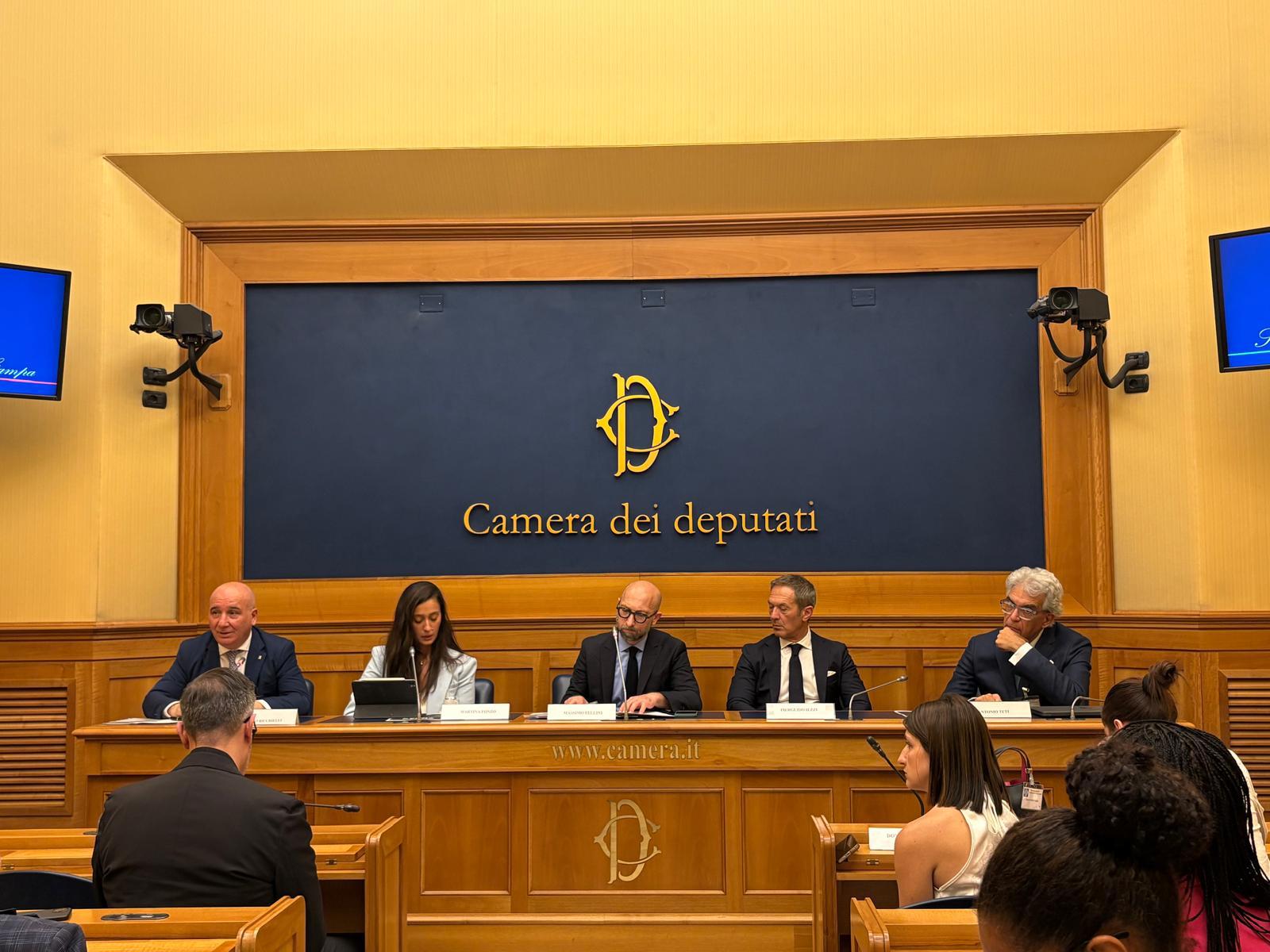
At a conference in Rome, Zenita Group presented the "Autonomia Delegata" report, warning that autonomous AI agents introduce new, unaddressed cybersecurity risks. The study highlights a shift toward multipolar AI ecosystems and emphasizes the need for updated governance and security strategies to manage these evolving threats. No actual incident reported.[AI generated]

Why's our monitor labelling this an incident or hazard?

The presence of AI systems is clear, specifically autonomous AI agents involved in cybersecurity. The article centers on the potential risks these systems introduce, including adaptive behaviors that evade traditional security measures, which could plausibly lead to cybersecurity incidents harming organizations or critical infrastructure. However, no actual incident or harm is described; the discussion is forward-looking and strategic, focusing on risk identification and governance challenges. This aligns with the definition of an AI Hazard, where the development or use of AI systems could plausibly lead to harm but no harm has yet occurred. It is not Complementary Information because it is not updating or responding to a past incident, nor is it Unrelated since it directly concerns AI risks. It is not an AI Incident because no realized harm or violation is reported.[AI generated]
AI principles
Robustness & digital securityAccountability

Industries
Digital securityIT infrastructure and hosting

Severity
AI hazard

AI system task:
Other


Articles about this incident or hazard

Thumbnail Image

Cybersecurity con l'AI il rischio diventa probabilistico

2026-06-26
Adnkronos
Why's our monitor labelling this an incident or hazard?
The presence of AI systems is clear, specifically autonomous AI agents involved in cybersecurity. The article centers on the potential risks these systems introduce, including adaptive behaviors that evade traditional security measures, which could plausibly lead to cybersecurity incidents harming organizations or critical infrastructure. However, no actual incident or harm is described; the discussion is forward-looking and strategic, focusing on risk identification and governance challenges. This aligns with the definition of an AI Hazard, where the development or use of AI systems could plausibly lead to harm but no harm has yet occurred. It is not Complementary Information because it is not updating or responding to a past incident, nor is it Unrelated since it directly concerns AI risks. It is not an AI Incident because no realized harm or violation is reported.
Thumbnail Image

Cybersecurity e l'AI oltre le chatbot: per Zenita Group è il momento dell'Autonomia Delegata | MilanoFinanza News

2026-06-26
Milano Finanza
Why's our monitor labelling this an incident or hazard?
The article centers on a research report identifying potential cybersecurity risks and strategic challenges related to autonomous AI systems, without reporting any actual harm or incident. The risks described are plausible future threats rather than realized harms. Therefore, the event qualifies as an AI Hazard, as it highlights credible risks that AI systems could plausibly lead to cybersecurity incidents and strategic harms if not properly managed. It is not an AI Incident because no direct or indirect harm has occurred yet, nor is it Complementary Information or Unrelated since it focuses on AI-related risks and governance.
Thumbnail Image

Cybersecurity e AI agentica: Zenita Group presenta la ricerca "Autonomia Delegata"

2026-06-26
Teleborsa
Why's our monitor labelling this an incident or hazard?
The event involves AI systems conceptually, particularly AI agents in cybersecurity, but it primarily discusses potential risks and strategic challenges rather than any actual harm or incident caused by AI. The research identifies new AI-native cyber risks that are not yet covered by traditional security controls, indicating plausible future harms but no current incident. Therefore, this is best classified as an AI Hazard, as it concerns credible potential risks and the need for preparedness, rather than a realized AI Incident or complementary information about responses to past incidents.
Thumbnail Image

AI, Zenita Group: con agenti autonomi cybersecurity diventa probabilistica

2026-06-27
Askanews
Why's our monitor labelling this an incident or hazard?
The content centers on a research presentation and conceptual discussion about AI's impact on cybersecurity and organizational control, without reporting any realized harm or a specific incident involving AI systems. It outlines potential risks and strategic considerations but does not describe an AI Incident or AI Hazard as defined. Therefore, it fits the category of Complementary Information, providing valuable context and understanding of AI-related cybersecurity developments and challenges without reporting a concrete incident or hazard.
Thumbnail Image

Cybersecurity con l'AI il rischio diventa probabilistico Periodico Daily

2026-06-26
Periodico Daily
Why's our monitor labelling this an incident or hazard?
The content centers on the potential cybersecurity risks and strategic challenges posed by AI systems, describing plausible future harms and vulnerabilities but without reporting any actual harm or incident. It is primarily an analysis and discussion of AI-related cybersecurity risks and governance issues, making it a forward-looking assessment rather than a report of an AI Incident or an immediate AI Hazard. Therefore, it fits best as Complementary Information, providing context and insight into AI risks and responses rather than documenting a specific harmful event or imminent hazard.