Japan Plans AI-Enabled Unmanned Submarines Amid Rising Tensions with China

Thumbnail Image

The information displayed in the AIM should not be reported as representing the official views of the OECD or of its member countries.

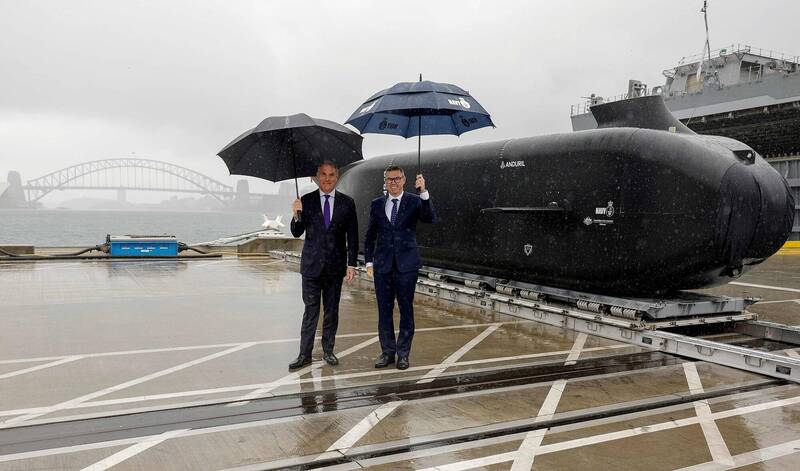
The Japanese government is evaluating the development and deployment of AI-powered unmanned submarines with autonomous and offensive capabilities to strengthen Pacific defense, particularly near the Ogasawara Islands. This move, aimed at countering China's maritime expansion, raises concerns about potential military escalation and risks associated with autonomous AI military systems.[AI generated]

Why's our monitor labelling this an incident or hazard?

The event involves the development and potential use of AI-enabled unmanned submarines with offensive capabilities, which could plausibly lead to significant harm such as military conflict escalation or accidents. Since no actual harm or incident has occurred yet, but the AI system's involvement could plausibly lead to an AI Incident, this qualifies as an AI Hazard. The article does not describe a realized harm or malfunction, nor does it focus on responses or updates to prior incidents, so it is not an AI Incident or Complementary Information.[AI generated]

AI principles
SafetyDemocracy & human autonomy

Industries
Government, security, and defence

Affected stakeholders
General public

Harm types
Physical (death)Public interest

Severity
AI hazard

Business function:
Other

AI system task:
Recognition/object detectionGoal-driven organisation


Articles about this incident or hazard

Thumbnail Image

因應中國海洋擴張 日擬引進無人潛艦 劃設小笠原防空識別區

2026-06-28
Yahoo News (Taiwan)
Why's our monitor labelling this an incident or hazard?
The event involves the development and potential use of AI-enabled unmanned submarines with offensive capabilities, which could plausibly lead to significant harm such as military conflict escalation or accidents. Since no actual harm or incident has occurred yet, but the AI system's involvement could plausibly lead to an AI Incident, this qualifies as an AI Hazard. The article does not describe a realized harm or malfunction, nor does it focus on responses or updates to prior incidents, so it is not an AI Incident or Complementary Information.
Thumbnail Image

日本出手防中國!擬設太平洋防空識別區 打造AI無人潛艦

2026-06-28
Yahoo News (Taiwan)
Why's our monitor labelling this an incident or hazard?
The article explicitly mentions the use of AI to enable autonomous operation of unmanned submarines with offensive capabilities, which qualifies as an AI system. The event concerns the development and intended deployment of these systems, not an incident where harm has already occurred. However, the context of military escalation and the potential for conflict with China means that the AI system's use could plausibly lead to harm such as injury, disruption, or violations of rights. Hence, it fits the definition of an AI Hazard rather than an AI Incident. The article also discusses broader defense measures and geopolitical tensions, but the central AI-related element is the autonomous unmanned submarines, which pose a credible future risk.
Thumbnail Image

劍指中國!日本擬部署無人潛艦 填補太平洋防衛「空白」

2026-06-28
Yahoo News (Taiwan)
Why's our monitor labelling this an incident or hazard?
The event involves the development and planned deployment of AI-enabled autonomous unmanned submarines, which qualify as AI systems due to their autonomous design and AI use. Although no incident or harm has yet occurred, the article highlights the potential for increased military tensions and the inherent risks of autonomous weapons in a contested region. This constitutes a plausible future risk of harm (AI Hazard) rather than a realized harm (AI Incident). The article does not describe any actual harm or malfunction caused by these AI systems yet, nor does it focus on responses or updates to prior incidents, so it is not Complementary Information. Therefore, the classification is AI Hazard.
Thumbnail Image

日媒:日本擬導入無人潛艦 劃定防空識別區

2026-06-28
Yahoo News (Taiwan)
Why's our monitor labelling this an incident or hazard?
The event involves the development and potential use of AI autonomous unmanned submarines with offensive capabilities. Such AI systems in military contexts are widely recognized as hazards due to their potential to cause injury, escalate conflicts, or violate international laws and human rights. Since the article describes ongoing evaluation and planning rather than actual deployment or incidents, and the harms are plausible future risks, this qualifies as an AI Hazard rather than an AI Incident.
Thumbnail Image

海戰AI化 日本擬導入無人潛艦

2026-06-28
Yahoo News (Taiwan)
Why's our monitor labelling this an incident or hazard?
The event involves the development and planned deployment of AI-enabled autonomous unmanned submarines, which qualify as AI systems due to their autonomous operational capabilities and use of AI for decision-making. Although no direct harm has been reported, the article explicitly mentions the potential for increased tensions and the possibility of conflict escalation, which constitutes plausible future harm. Therefore, this event fits the definition of an AI Hazard, as the AI system's use could plausibly lead to significant harm in the future, but no harm has yet materialized.
Thumbnail Image

劍指中國 日媒:日擬部署反艦無人潛艇 加強防衛太平洋沿岸

2026-06-28
UDN
Why's our monitor labelling this an incident or hazard?
The article explicitly mentions the use of AI in autonomous unmanned submarines designed for military use, which qualifies as an AI system. The event concerns the development and planned deployment of these systems, not an actual incident causing harm. Given the military nature and potential for escalation and physical harm, the AI system's involvement could plausibly lead to significant harms (AI Incident) in the future. Hence, this is best classified as an AI Hazard. There is no indication of realized harm or incident yet, so it is not an AI Incident. It is not merely complementary information or unrelated, as the AI system's development and intended use pose a credible risk of harm.
Thumbnail Image

因應中國海洋擴張 日擬引進無人潛艦 劃設小笠原防空識別區

2026-06-28
Liberty Times Net
Why's our monitor labelling this an incident or hazard?
The event involves the development and potential use of AI-enabled unmanned submarines with autonomous capabilities for military purposes. Although no direct harm has occurred yet, the nature of these AI systems and their intended use in defense and attack roles plausibly could lead to significant harm, such as injury, escalation of conflict, or disruption of critical infrastructure. Therefore, this situation qualifies as an AI Hazard due to the credible risk of future harm stemming from the AI system's development and intended use.
Thumbnail Image

強化太平洋制海優勢 日擬導入武裝無人潛航器

2026-06-28
Liberty Times Net
Why's our monitor labelling this an incident or hazard?
The event involves the development and planned use of AI-enabled autonomous armed unmanned underwater vehicles, which qualify as AI systems due to their autonomous decision-making capabilities. Although no harm has yet occurred, the deployment of such weaponized AI systems could plausibly lead to incidents involving injury, conflict escalation, or other harms. Therefore, this situation fits the definition of an AI Hazard, as it describes a credible potential for future harm stemming from the AI system's development and intended use in military operations.
Thumbnail Image

日媒:日本擬導入無人潛艦 劃定防空識別區

2026-06-28
Central News Agency
Why's our monitor labelling this an incident or hazard?
The event involves the development and potential deployment of AI-enabled unmanned submarines, which could plausibly lead to harms such as military conflict escalation or unintended damage, given their autonomous capabilities and weaponization. Since no actual harm or incident has occurred yet, but there is a credible risk of future harm from these AI systems, this qualifies as an AI Hazard. The article does not report any realized harm or incident, so it is not an AI Incident. It is more than general AI news or complementary information because it highlights a credible future risk from AI autonomous weapon systems.
Thumbnail Image

日本擬導入無人潛艦、劃設防空識別區 填補太平洋「防衛空白」

2026-06-28
工商時報
Why's our monitor labelling this an incident or hazard?
The event involves the development and intended deployment of AI-enabled autonomous unmanned submarines, which are military AI systems with potential for significant harm if used in conflict. Since the article describes plans and considerations rather than actual deployment or incidents causing harm, this constitutes a plausible future risk rather than a realized harm. Therefore, this event qualifies as an AI Hazard because the AI system's development and intended use could plausibly lead to an AI Incident involving injury, disruption, or escalation of conflict in the future.
Thumbnail Image

日本擬獲得具反艦攻擊能力無人潛艇 考慮在小笠原群島上空設防識區

2026-06-27
RFI
Why's our monitor labelling this an incident or hazard?
The event involves the development and intended use of AI-enabled autonomous unmanned submarines with offensive military capabilities, which could plausibly lead to harm such as conflict escalation or physical damage. Since no actual harm or incident has occurred yet, but the potential for significant harm exists, this qualifies as an AI Hazard. The article does not describe any realized harm or malfunction, so it is not an AI Incident. It is also not merely complementary information or unrelated, as the AI system's potential use in autonomous weapons is central to the report and its implications.
Thumbnail Image

快新聞/日本出手防中國!擬設太平洋防空識別區 打造AI無人潛艦 - 民視新聞網

2026-06-28
民視新聞網
Why's our monitor labelling this an incident or hazard?
The article explicitly mentions the use of AI to enable autonomous operation of unmanned submarines, which qualifies as an AI system. The event concerns the development and planned deployment of these AI systems in a military context, which could plausibly lead to harms such as conflict escalation or unintended military incidents. No actual harm has yet occurred, so it is not an AI Incident. The focus is on potential future harm from the use of AI in autonomous weapons and defense systems, fitting the definition of an AI Hazard. The geopolitical context and the mention of increased tensions further support the plausibility of future harm.
Thumbnail Image

日媒:日本擬導入無人潛艦 劃定防空識別區 - 國際新聞 - PChome Online 新聞

2026-06-28
PChome Online 新聞
Why's our monitor labelling this an incident or hazard?
The event involves the development and potential use of AI-enabled autonomous military systems (unmanned submarines) with offensive capabilities. While no harm has yet occurred, the deployment of such AI systems in military contexts could plausibly lead to AI Incidents such as harm to persons, escalation of conflict, or violations of rights. Therefore, this constitutes an AI Hazard rather than an AI Incident. The article does not describe any realized harm or incident, nor does it focus on responses or updates to prior incidents, so it is not Complementary Information. It is directly related to AI systems and their potential impact, so it is not Unrelated.
Thumbnail Image

防堵共軍航艦繞道威脅 日本增劃太平洋防空圈派AI潛艦

2026-06-28
def.ltn.com.tw
Why's our monitor labelling this an incident or hazard?
The event involves the development and planned use of AI systems (unmanned AI submarines) in a military context, which inherently carries risks of harm such as injury, escalation of conflict, and disruption of critical infrastructure or communities. Although no direct harm has yet occurred, the article clearly outlines the strategic deployment of AI-enabled military assets that could plausibly lead to AI Incidents in the future. Hence, it fits the definition of an AI Hazard rather than an Incident or Complementary Information. It is not unrelated because AI systems are explicitly involved and the potential for harm is credible and significant.
Thumbnail Image

日擬導入無人潛艦 劃防空識別區 | 中華日報|中華新聞雲

2026-06-28
中華新聞雲 / China Daily News
Why's our monitor labelling this an incident or hazard?
The article explicitly mentions the evaluation of AI autonomous unmanned submarines capable of carrying torpedoes and mines, indicating the presence of AI systems in military autonomous weapons. Although no incident or harm has yet occurred, the development and potential deployment of such AI-enabled autonomous weapons plausibly could lead to harm including injury, escalation of conflict, or violations of international law. This fits the definition of an AI Hazard, as the AI system's use could plausibly lead to an AI Incident in the future. There is no indication that harm has already occurred, so it is not an AI Incident. The article is not merely complementary information or unrelated, as it focuses on the evaluation and potential deployment of AI autonomous military systems with significant risk implications.