Platform Algorithm Manipulation Distorts Consumer Choices in South Korea

Thumbnail Image

The information displayed in the AIM should not be reported as representing the official views of the OECD or of its member countries.

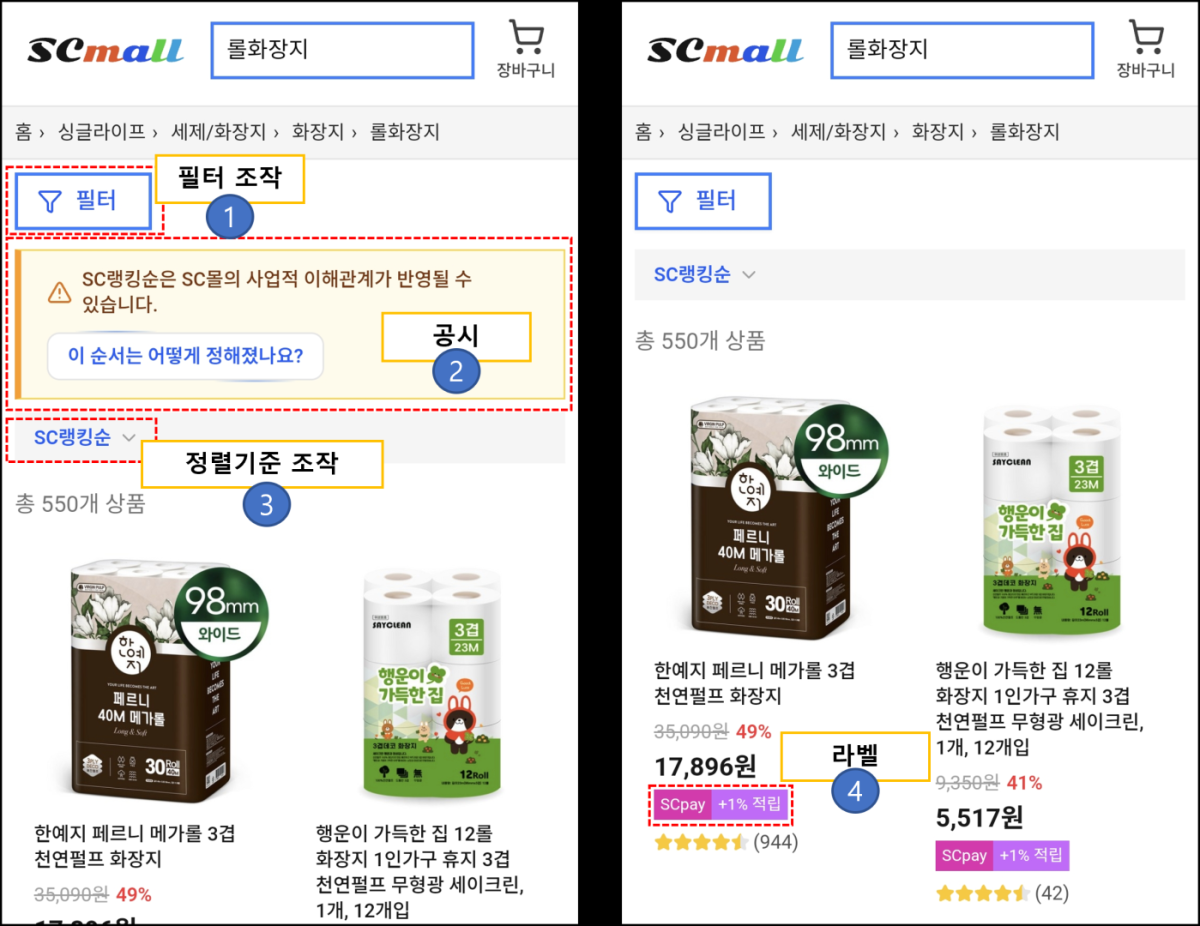
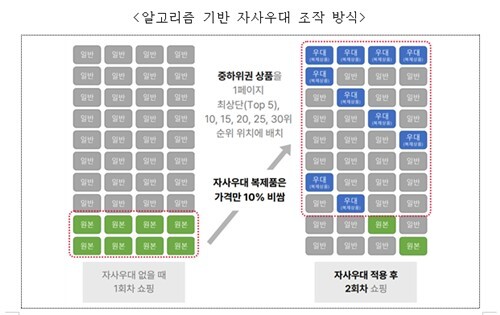
A South Korean Fair Trade Commission study found that AI-driven platform algorithms manipulating product rankings significantly distort consumer choices. Over 94% of users purchased from the first page, and placing more expensive, platform-favored products at the top increased their purchase rate by 34%, harming fair competition and consumer interests.[AI generated]

Why's our monitor labelling this an incident or hazard?

The event involves the use of an AI system (algorithmic ranking on online shopping platforms) whose manipulation directly led to consumer harm by distorting purchasing decisions and misleading consumers. The AI system's use in promoting certain products unfairly impacts consumer choice and market fairness, which can be considered a violation of rights and a significant harm to communities (consumers). Therefore, this qualifies as an AI Incident rather than a hazard or complementary information.[AI generated]
AI principles
FairnessTransparency & explainability

Industries
Consumer services

Affected stakeholders
ConsumersBusiness

Harm types
Economic/Property

Severity
AI incident

Business function:
Marketing and advertisement

AI system task:
Organisation/recommenders


Articles about this incident or hazard

Thumbnail Image

"소비자 95%, 온라인 쇼핑·배달 검색 첫 페이지에서 끝낸다"

2026-06-28
jeonpa.co.kr
Why's our monitor labelling this an incident or hazard?
The event clearly involves AI systems, specifically algorithmic ranking and recommendation systems on digital platforms, which influence consumer choices. The study demonstrates how these AI systems can distort consumer decisions and lead to economic harm by favoring platform-owned products, which is a form of harm to consumers and market fairness. However, the article does not describe a specific AI Incident where harm has directly or indirectly occurred due to malfunction or misuse, nor does it describe a plausible future harm event. Instead, it reports on research findings and policy discussions about the effects of AI algorithms, which fits the definition of Complementary Information as it enhances understanding and informs governance without reporting a new incident or hazard.
Thumbnail Image

소비자 2명 중 1명, 쇼핑몰 기본 정렬순 상위 5개 이내에서 산다

2026-06-28
Chosun.com
Why's our monitor labelling this an incident or hazard?
The event involves the use of an AI system (algorithmic ranking on online shopping platforms) whose manipulation directly led to consumer harm by distorting purchasing decisions and misleading consumers. The AI system's use in promoting certain products unfairly impacts consumer choice and market fairness, which can be considered a violation of rights and a significant harm to communities (consumers). Therefore, this qualifies as an AI Incident rather than a hazard or complementary information.
Thumbnail Image

"소비자 95%, 온라인 쇼핑·배달 검색 첫 페이지에서 끝낸다"

2026-06-28
연합뉴스
Why's our monitor labelling this an incident or hazard?
The event involves AI systems in the form of platform algorithms that rank and recommend products. The study experimentally shows how these AI-driven algorithms can manipulate consumer choices and lead to economic harm by favoring certain products, which could be considered a violation of consumer rights or harm to communities through distorted market competition. However, since the article reports on experimental research and does not document actual realized harm or incidents, it fits the definition of an AI Hazard, where the AI system's use could plausibly lead to harm but has not yet directly or indirectly caused harm.
Thumbnail Image

검색 순위로 바꾸니 10% 비싸도 구매...공정위, 플랫폼 '자사 우대' 꼼수 연구로 입증 | 아주경제

2026-06-28
아주경제
Why's our monitor labelling this an incident or hazard?
The platform's algorithmic manipulation of product rankings involves AI systems influencing consumer choices, which can lead to violations of consumer rights and market fairness (a form of harm). However, the article focuses on a research study demonstrating this effect experimentally and discusses ongoing legal disputes, without reporting a specific incident of harm occurring due to AI misuse or malfunction. There is no direct or indirect harm realized yet, nor an immediate plausible future harm event described. The main content is about research findings and regulatory context, fitting the definition of Complementary Information rather than an AI Incident or AI Hazard.
Thumbnail Image

가격 10% 더 비싼데 검색 상단에 노출되니 구매율 '쑥'

2026-06-28
파이낸셜뉴스
Why's our monitor labelling this an incident or hazard?
The event involves the use of an AI system (platform search ranking algorithms) that manipulates product visibility to favor certain products, leading to a direct and measurable impact on consumer purchasing behavior and market competition. This manipulation causes harm by distorting consumer choice and reducing fair competition, which can be considered a violation of consumer rights and market fairness under applicable law. The study's findings confirm that the AI system's use has directly led to these harms, qualifying this as an AI Incident rather than a mere hazard or complementary information.
Thumbnail Image

검색 상단 올렸더니 구매율 급증"...공정위, 플랫폼 자사우대 영향 확인

2026-06-28
서울신문
Why's our monitor labelling this an incident or hazard?
The event explicitly involves platform algorithms (AI systems) that manipulate search rankings to favor the platform's own products, leading to significant distortions in consumer purchasing behavior. This manipulation causes direct harm to consumers by influencing them to buy more expensive products and undermines fair competition, which can be considered a violation of consumer rights and fair market practices. The harm is realized and documented through controlled experiments. Hence, the event meets the criteria for an AI Incident as the AI system's use directly leads to harm to consumers and communities through biased decision-making and market distortion.
Thumbnail Image

공정위, 플랫폼 '자사우대 영향' 입증⋯구매 절반 이상 검색 상위 5개 상품 집중

2026-06-28
브릿지경제
Why's our monitor labelling this an incident or hazard?
The event involves AI systems (platform search and recommendation algorithms) and their influence on consumer behavior, which is central to the study. However, the article does not describe an AI Incident (no direct or indirect harm has occurred) nor an AI Hazard (no plausible future harm is explicitly stated as imminent). Instead, it reports on experimental research results that provide valuable context and evidence for regulatory and policy considerations. This aligns with the definition of Complementary Information, which includes societal and governance responses and research findings that improve understanding of AI impacts without reporting new harms or hazards.
Thumbnail Image

온라인쇼핑, 소비자 95% 첫 페이지에서 구매 완료

2026-06-28
부산일보
Why's our monitor labelling this an incident or hazard?
The event involves an AI system in the form of algorithmic ranking and recommendation systems used by online shopping platforms. The study experimentally shows how these AI systems influence consumer behavior and can distort purchasing decisions. Although no direct harm or violation has been reported as having occurred, the findings highlight a credible risk that such AI-driven manipulations could lead to consumer harm or unfair market practices. Therefore, this qualifies as an AI Hazard because it plausibly could lead to an AI Incident involving consumer deception or market distortion if such practices are widespread or unregulated. It is not an AI Incident because no actual harm or violation has been documented yet, nor is it merely Complementary Information or Unrelated, as the study focuses on the AI system's potential to cause harm.
Thumbnail Image

소비자 플랫폼 첫 페이지서 결제 마쳐...알고리즘에 비싸게 산다

2026-06-28
아시아타임즈
Why's our monitor labelling this an incident or hazard?
The event involves an AI system (platform ranking algorithms) whose use has directly caused harm by misleading consumers into purchasing more expensive products due to biased exposure. The harm is economic and affects consumer rights and market fairness, fitting the definition of harm to communities and violation of consumer rights. The study confirms the AI system's pivotal role in causing this harm. Therefore, this is classified as an AI Incident.
Thumbnail Image

가격 10% 비싸도 팔렸다...플랫폼 알고리즘의 '상단 노출' 효과

2026-06-28
아시아투데이
Why's our monitor labelling this an incident or hazard?
The event involves an AI system (platform search and recommendation algorithms) influencing consumer behavior, which is clearly described. However, the article does not report any realized harm such as consumer injury, rights violations, or other significant harms directly caused by the AI system. The study is experimental and analytical, focusing on understanding the effects of algorithmic ranking and potential consumer choice distortion. It also discusses regulatory responses and consumer perceptions, which are governance and societal responses. Hence, it fits the definition of Complementary Information rather than an AI Incident or AI Hazard.