Malaysia Plans AI and Drone Deployment for Maritime Security Enhancement

Thumbnail Image

The information displayed in the AIM should not be reported as representing the official views of the OECD or of its member countries.

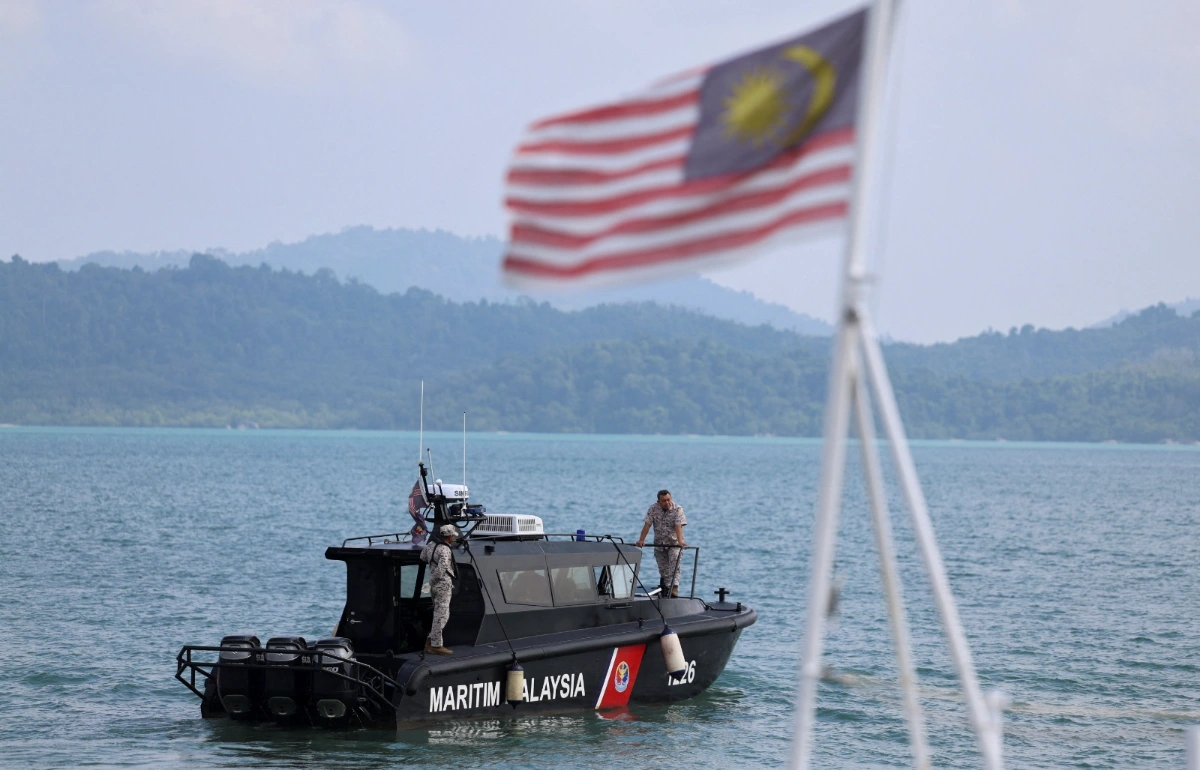
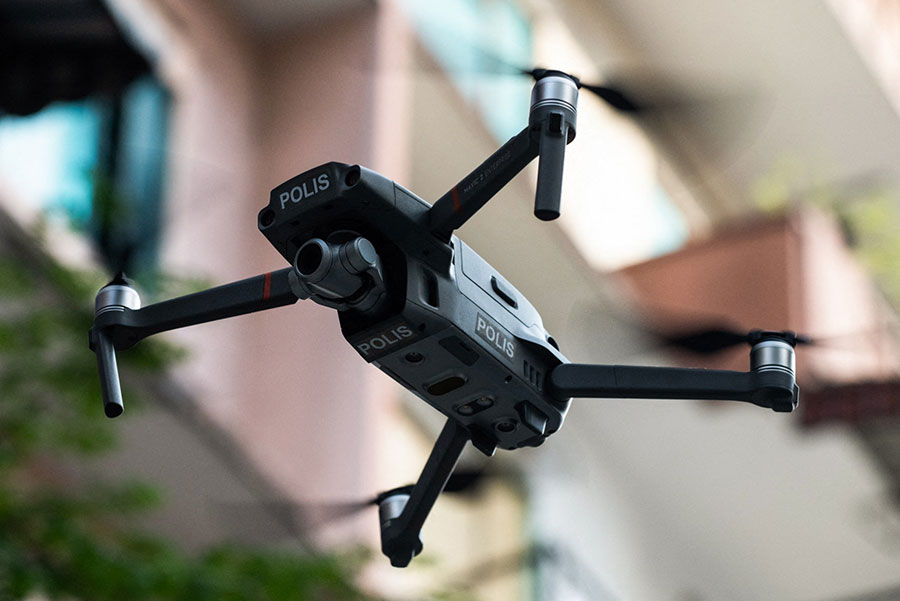
Malaysia's Home Ministry is planning to deploy AI-powered predictive analytics and drones to strengthen maritime and border security, particularly in Langkawi and northern waters. The initiative aims to improve surveillance, early threat detection, and operational coordination among security agencies, though no harm or incidents have yet occurred.[AI generated]

Why's our monitor labelling this an incident or hazard?

The event involves AI systems (predictive analytics and drones likely equipped with AI for real-time surveillance) but only in the context of planned or ongoing evaluation and future deployment. There is no indication that any harm has occurred or that the AI systems have malfunctioned or been misused. The article discusses potential future applications that could plausibly lead to improved surveillance and enforcement, but does not describe any realized harm or incident. Therefore, this qualifies as an AI Hazard, reflecting a credible potential for AI to impact border security and enforcement, but without any current incident or harm reported.[AI generated]
AI principles
Privacy & data governanceRespect of human rights

Industries
Government, security, and defence

Affected stakeholders
General public

Harm types
Human or fundamental rights

Severity
AI hazard

Business function:
Other

AI system task:
Forecasting/predictionRecognition/object detection


Articles about this incident or hazard

Thumbnail Image

Govt mulls AI analytics, drones to tighten surveillance in northern waters, says deputy minister

2026-06-29
The Star
Why's our monitor labelling this an incident or hazard?
The event involves AI systems (predictive analytics and drones likely equipped with AI for real-time surveillance) but only in the context of planned or ongoing evaluation and future deployment. There is no indication that any harm has occurred or that the AI systems have malfunctioned or been misused. The article discusses potential future applications that could plausibly lead to improved surveillance and enforcement, but does not describe any realized harm or incident. Therefore, this qualifies as an AI Hazard, reflecting a credible potential for AI to impact border security and enforcement, but without any current incident or harm reported.
Thumbnail Image

Malaysia eyes AI, drones to strengthen maritime security, says deputy home minister

2026-06-29
Malay Mail
Why's our monitor labelling this an incident or hazard?
The article explicitly mentions the planned use of AI-based predictive analytics and drones for maritime security, indicating the involvement of AI systems. However, it only describes future implementation and strategic planning without any current harm or incidents linked to these technologies. Therefore, the event represents a plausible future risk or enhancement rather than an actual incident or harm. It fits the definition of an AI Hazard because the development and deployment of these AI systems could plausibly lead to incidents in the future, but no harm has yet occurred. It is not Complementary Information since it is not updating or responding to a past incident, nor is it unrelated as it clearly involves AI systems in a security context.
Thumbnail Image

Malaysia eyes AI, drones to strengthen maritime security, says deputy home minister

2026-06-29
Yahoo News
Why's our monitor labelling this an incident or hazard?
The article mentions the planned use of AI and drones for maritime security enhancement, which involves AI systems for predictive analytics and UAVs for surveillance. Since these technologies are not yet causing harm but are being considered for future implementation to improve security, the event represents a plausible future risk scenario rather than an actual incident. There is no indication of realized harm or violation of rights, nor is the article focused on responses to past incidents. Therefore, this qualifies as an AI Hazard, reflecting the potential for AI and drone technologies to impact maritime security positively or negatively in the future.
Thumbnail Image

Home Ministry studying integrated security base in Langkawi, expands UAV and AI use for northern waters

2026-06-29
The Sun Malaysia
Why's our monitor labelling this an incident or hazard?
The presence of AI is explicitly mentioned in the context of predictive analytics for maritime security. There is no indication of harm, malfunction, or misuse resulting from the AI system. The article focuses on plans and ongoing efforts to improve security using AI and UAVs, which aligns with complementary information about AI deployment and governance. Since no realized or imminent harm is described, and the AI use is part of a broader security strategy, the classification as Complementary Information is appropriate.
Thumbnail Image

Home Ministry explores AI to predict maritime threats, to expand use of UAVs | New Straits Times

2026-06-29
New Straits Times Online
Why's our monitor labelling this an incident or hazard?
The event involves the use of AI systems (predictive analytics) and UAVs for maritime surveillance, which can be reasonably inferred to involve AI for real-time decision-making and threat prediction. However, no direct or indirect harm has occurred yet; the AI systems are being studied and planned for deployment. Therefore, this constitutes a plausible future risk mitigation and enhancement of security rather than an incident or hazard. The article focuses on the ministry's strategic plans and cooperation efforts, making it Complementary Information about AI developments and governance in maritime security.
Thumbnail Image

AI systems, drones eyed to enhance Malaysia's border security

2026-06-30
asianews.network
Why's our monitor labelling this an incident or hazard?
The article describes the planned and considered use of AI systems and drones for border security, which involves AI system development and intended use. However, no actual harm or incident is reported. The AI system's involvement is prospective, and the event describes a plausible future scenario where AI could impact border security enforcement. Therefore, this qualifies as an AI Hazard because the development and intended use of AI-powered predictive analytics and drones could plausibly lead to incidents related to enforcement actions or surveillance, but no harm has yet occurred.