Dutch Military Deploys AI-Enabled Unmanned Weapons Systems

Thumbnail Image

The information displayed in the AIM should not be reported as representing the official views of the OECD or of its member countries.

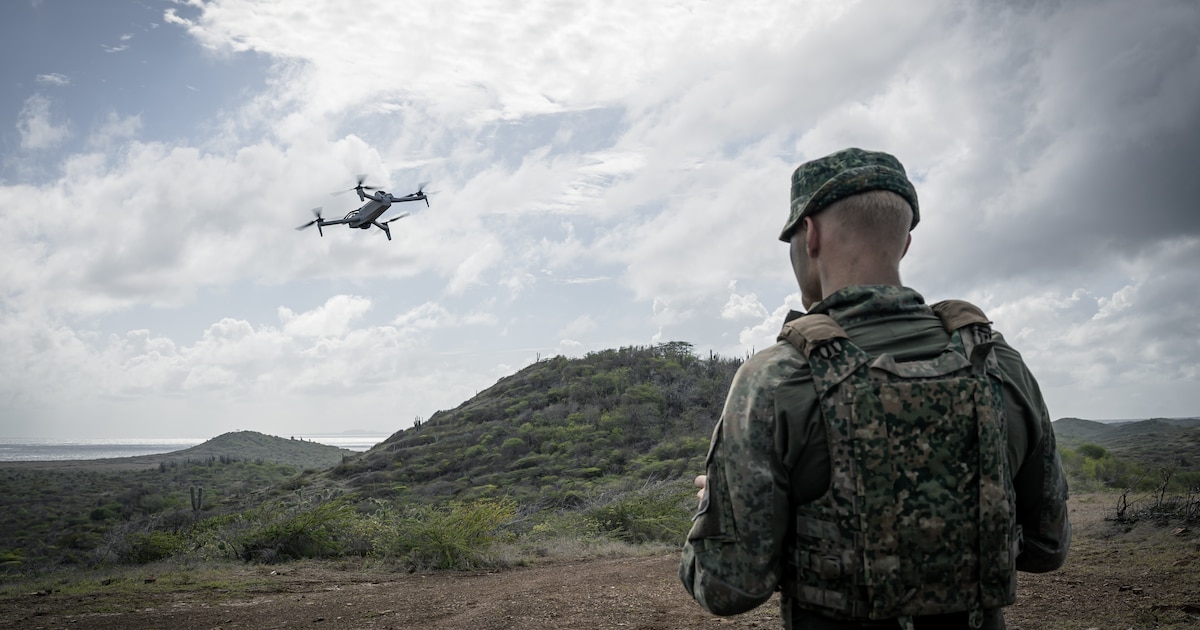
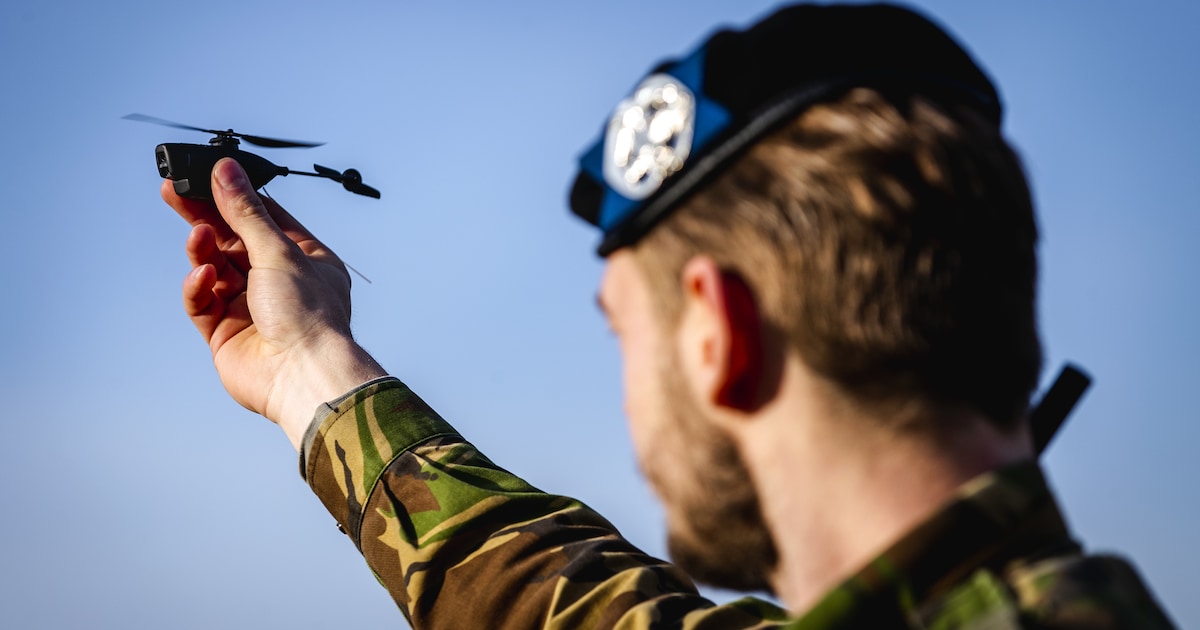
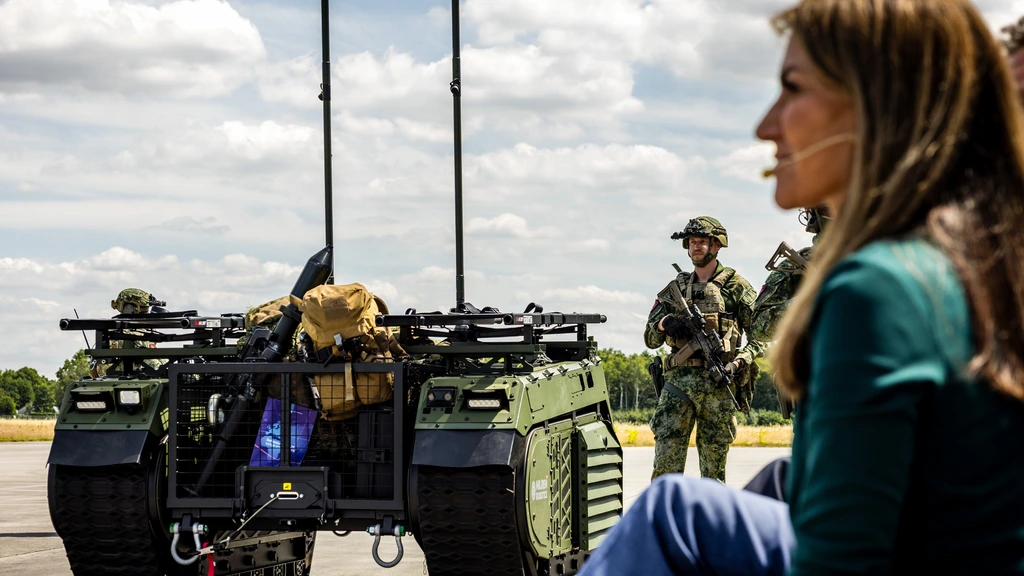
The Dutch Ministry of Defence is investing heavily in AI-powered unmanned weapons systems, including drones and autonomous vehicles, aiming for half of military operations to be conducted remotely by 2031. These AI systems are already used in conflict zones, contributing to lethal effects and operational disruption.[AI generated]

Why's our monitor labelling this an incident or hazard?

The article clearly involves AI systems or AI-enabled technologies, inferred from the emphasis on remotely operated weapons like drones and the need for rapid information processing and decision-making, which typically involve AI. However, no actual harm or incident is reported; the article focuses on future plans and investments. Given the potential for these AI-enabled systems to lead to harm in military contexts, this constitutes a plausible future risk, fitting the definition of an AI Hazard rather than an AI Incident or Complementary Information. It is not unrelated because AI involvement is reasonably inferred, and it is not Complementary Information because it does not provide updates or responses to past incidents but rather outlines new strategic directions.[AI generated]

AI principles
SafetyRespect of human rights

Industries
Government, security, and defence

Affected stakeholders
General publicGovernment

Harm types
Physical (death)Physical (injury)

Severity
AI hazard

AI system task:
Recognition/object detectionGoal-driven organisation


Articles about this incident or hazard

Thumbnail Image

Defensie wil koers veranderen: 'Niet de grootte, maar wendbaarheid telt'

2026-06-29
NOS
Why's our monitor labelling this an incident or hazard?
The article clearly involves AI systems or AI-enabled technologies, inferred from the emphasis on remotely operated weapons like drones and the need for rapid information processing and decision-making, which typically involve AI. However, no actual harm or incident is reported; the article focuses on future plans and investments. Given the potential for these AI-enabled systems to lead to harm in military contexts, this constitutes a plausible future risk, fitting the definition of an AI Hazard rather than an AI Incident or Complementary Information. It is not unrelated because AI involvement is reasonably inferred, and it is not Complementary Information because it does not provide updates or responses to past incidents but rather outlines new strategic directions.
Thumbnail Image

Defensie gaat haast maken en opereert vanaf nu 'onbemenst waar het kan'

2026-06-29
de Volkskrant
Why's our monitor labelling this an incident or hazard?
The article explicitly discusses the use and expansion of AI-enabled unmanned military systems such as drones that have been used effectively in Ukraine to disable enemy forces, which is a direct harm to people in conflict. The AI systems are involved in the use phase, enabling faster, more precise strikes and battlefield awareness. The harm is realized and ongoing, as these systems contribute to lethal military effects. Therefore, this qualifies as an AI Incident under the framework, as the AI systems' use has directly led to harm (injury or death of enemy combatants) and disruption in a conflict environment. The article does not merely discuss potential or future risks but describes active deployment and harm caused by AI systems.
Thumbnail Image

De Nederlandse krijgsmacht wordt niet groter, wel anders: Defensie zet vol in op drones

2026-06-29
Het Parool
Why's our monitor labelling this an incident or hazard?
The article involves AI systems in the form of AI-enabled drones and AI-assisted decision-making in military operations, which can plausibly lead to harm given their lethal capabilities and strategic importance. However, no actual harm, injury, rights violations, or incidents are reported as having occurred. The content primarily discusses future plans and ambitions, which constitute a credible potential risk but not a realized incident. Therefore, this event fits the definition of an AI Hazard, as the development and intended use of AI-powered military drones could plausibly lead to AI Incidents involving harm or rights violations in the future.
Thumbnail Image

Defensie gaat investeren in drones en andere 'onbemenste wapensystemen'

2026-06-29
Trouw
Why's our monitor labelling this an incident or hazard?
The article explicitly mentions AI's role in enabling autonomous target identification and threat analysis in unmanned weapons systems, which are planned for significant deployment. While no harm or incident has occurred yet, the development and intended use of such AI-enabled autonomous weapons systems plausibly could lead to harms such as injury or death, ethical violations, or other significant harms. This fits the definition of an AI Hazard, as it describes a credible potential for harm stemming from the development and use of AI systems in military applications. There is no indication of an actual incident or harm having occurred, nor is the article primarily about responses or updates to past incidents, so it is not an AI Incident or Complementary Information.
Thumbnail Image

Nederland krijgt eigen Space Command om slagveld vanuit de ruimte te overzien

2026-06-29
Provinciale Zeeuwse Courant
Why's our monitor labelling this an incident or hazard?
The article explicitly mentions the use of AI in unmanned weapons systems and drones for battlefield operations, including lethal force, which involves AI systems making or supporting critical decisions. Although no actual harm or incident is described, the nature of these AI systems and their intended use in warfare plausibly could lead to injury or harm to people, disruption, and other serious consequences. This fits the definition of an AI Hazard, as the event concerns the development and planned use of AI systems that could plausibly lead to an AI Incident in the future. There is no indication of a current incident or complementary information about past incidents, so AI Hazard is the appropriate classification.