AI System Supports Lifeguards in German Swimming Pools to Prevent Drowning

Thumbnail Image

The information displayed in the AIM should not be reported as representing the official views of the OECD or of its member countries.

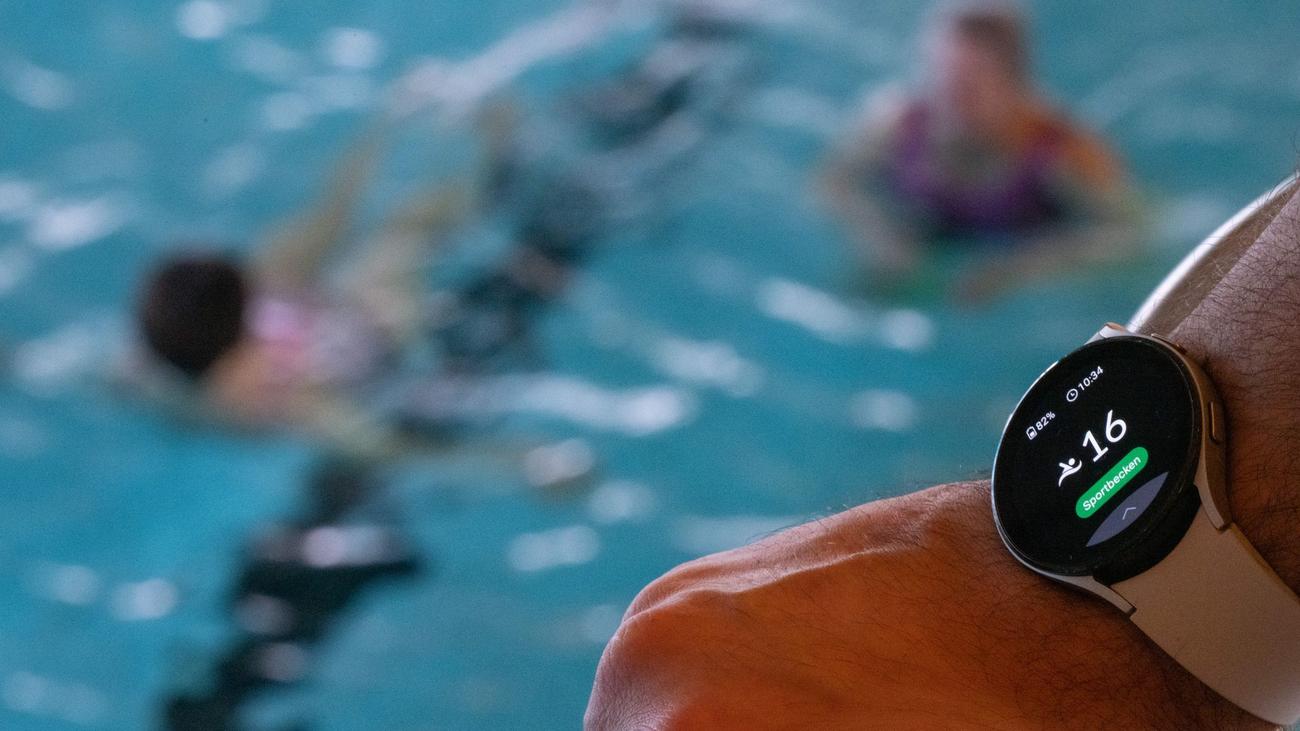
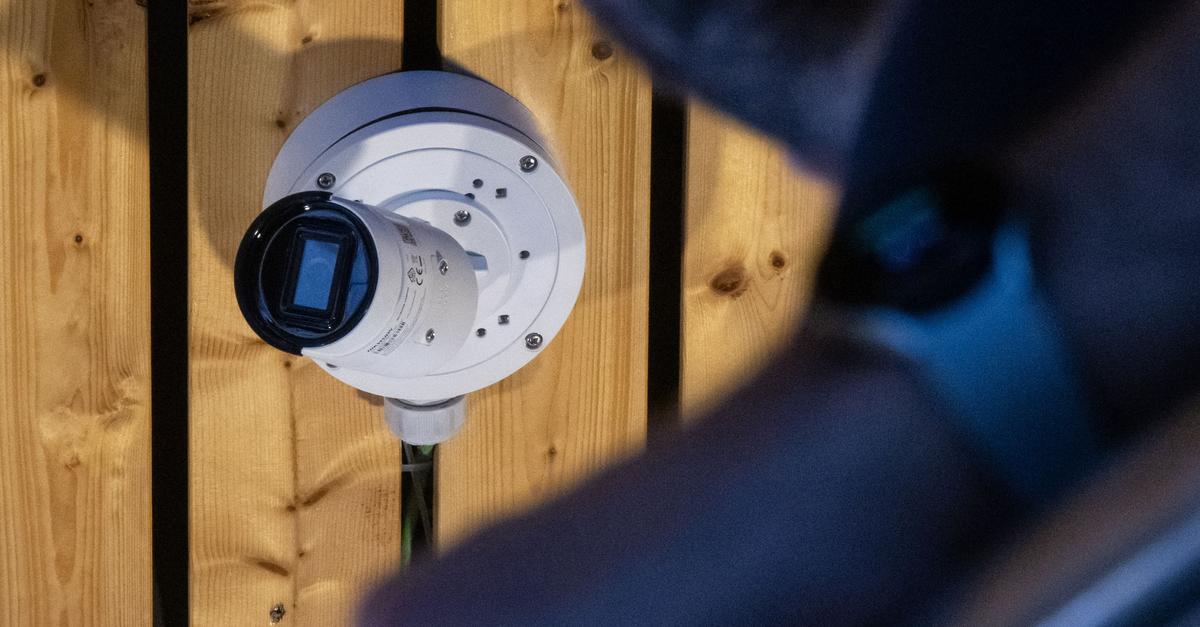
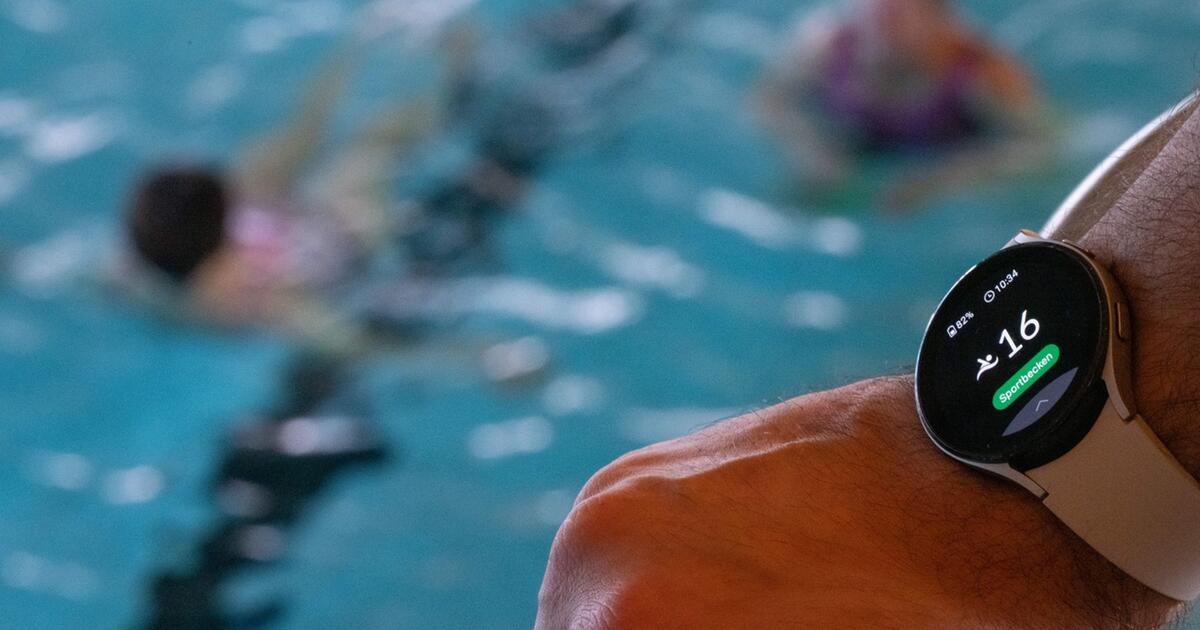
Several swimming pools in Hesse, Germany, have deployed an AI system that uses over 20 cameras to monitor pool areas and detect potential drowning risks. The AI analyzes live footage in real time, alerting lifeguards via smartwatches to possible dangers, aiming to prevent accidents. No actual emergencies have been reported yet.[AI generated]

Why's our monitor labelling this an incident or hazard?

The article explicitly mentions AI systems analyzing live camera feeds to detect potential dangers in swimming pools and alert lifeguards. This is a clear AI system in use. The AI's role is to support human lifeguards by early detection of drowning risks, which could plausibly prevent injury or death (harm to persons). No actual harm or accident is reported, only positive early warnings and support. Thus, the event is not an AI Incident (no realized harm), but an AI Hazard because the AI system's use could plausibly lead to preventing harm or, if it failed, could lead to harm. The article also notes the AI is a support tool, with humans remaining in control, reinforcing the hazard nature rather than an incident.[AI generated]
AI principles
Privacy & data governanceTransparency & explainability

Industries
Travel, leisure, and hospitality

Severity
AI hazard

Business function:
Monitoring and quality control

AI system task:
Recognition/object detectionEvent/anomaly detection


Articles about this incident or hazard

Thumbnail Image

Hightech gegen Ertrinken: KI unterstützt Bademeister

2026-06-29
GMX
Why's our monitor labelling this an incident or hazard?
The article explicitly mentions AI systems analyzing live camera feeds to detect potential dangers in swimming pools and alert lifeguards. This is a clear AI system in use. The AI's role is to support human lifeguards by early detection of drowning risks, which could plausibly prevent injury or death (harm to persons). No actual harm or accident is reported, only positive early warnings and support. Thus, the event is not an AI Incident (no realized harm), but an AI Hazard because the AI system's use could plausibly lead to preventing harm or, if it failed, could lead to harm. The article also notes the AI is a support tool, with humans remaining in control, reinforcing the hazard nature rather than an incident.
Thumbnail Image

Hightech gegen Ertrinken: KI unterstützt Bademeister

2026-06-29
DIE WELT
Why's our monitor labelling this an incident or hazard?
The AI system is explicitly involved in monitoring and alerting for potential drowning risks, which is a safety application. No harm has occurred, and the system's use is intended to prevent harm. The article states that no emergencies have yet been prevented but implies potential future benefits. Since no harm or plausible harm has materialized or is imminent, and the article mainly reports on the deployment and positive experience with the AI system, it is best classified as Complementary Information. It informs about societal and technical responses to AI in safety-critical environments without describing an incident or hazard.
Thumbnail Image

Sicherheit im Schwimmbad: Hightech gegen Ertrinken: KI unterstützt Bademeister

2026-06-29
ZEIT ONLINE
Why's our monitor labelling this an incident or hazard?
The AI system is actively used to monitor and potentially prevent drowning incidents, which would be harm to persons if realized. However, the article explicitly states that no concrete emergencies have yet been reported or prevented by the AI, indicating no actual harm has occurred. The AI's role is supportive and intended to reduce risk, so the event describes a plausible future harm prevention scenario rather than an incident. This fits the definition of an AI Hazard, as the AI system's use could plausibly lead to preventing harm, but no harm or incident has yet materialized. The article does not focus on responses, governance, or updates to past incidents, so it is not Complementary Information. It is not unrelated because it clearly involves AI systems and their use in safety-critical monitoring.
Thumbnail Image

Hightech gegen Ertrinken: KI unterstützt Bademeister

2026-06-29
Süddeutsche Zeitung
Why's our monitor labelling this an incident or hazard?
The article explicitly mentions AI systems monitoring swimming pools to detect potential drowning events and alert lifeguards, which is a clear AI system involvement. The AI's role is to identify potential dangers early, which could plausibly prevent injury or death (harm to persons). However, the article states no actual emergencies have been reported or prevented yet, so no realized harm or incident has occurred. The AI system is used and functioning as intended, supporting human operators. This matches the definition of an AI Hazard, where the AI system's use could plausibly lead to an AI Incident (harm prevented or averted), but no harm has yet materialized. There is no indication of complementary information or unrelated news. Hence, the classification is AI Hazard.
Thumbnail Image

Wiesbaden/Kassel/Hanau: Hightech gegen Ertrinken: KI unterstützt Bademeister

2026-06-29
News.de
Why's our monitor labelling this an incident or hazard?
The event involves AI systems explicitly used for real-time monitoring and detection of potential drowning hazards, which directly relates to preventing injury or harm to people (harm category a). Although no actual harm has been reported as prevented yet, the AI's role is pivotal in identifying risks and alerting lifeguards, thus plausibly preventing harm. This fits the definition of an AI Hazard because the AI system's use could plausibly lead to prevention of injury or harm, but no concrete incident of harm or harm averted is described. The article does not report any realized harm or incident caused by the AI system, nor does it describe a malfunction or misuse leading to harm. Therefore, the classification is AI Hazard.
Thumbnail Image

Hightech gegen Ertrinken: KI unterstützt Bademeister

2026-06-29
Main-Spitze
Why's our monitor labelling this an incident or hazard?
The AI system is explicitly mentioned as monitoring the swimming pool environment and alerting staff to possible dangers, which directly relates to preventing injury or harm to people (harm category a). Since the AI system is in active use and intended to reduce harm by early detection, this qualifies as an AI Incident because the AI's use is directly linked to preventing or managing harm to persons. There is no indication that harm has occurred yet, but the system's deployment in a safety-critical context with real-time monitoring and alerting implies direct involvement in harm prevention, which fits the AI Incident classification rather than a hazard or complementary information.