


The information displayed in the AIM should not be reported as representing the official views of the OECD or of its member countries.
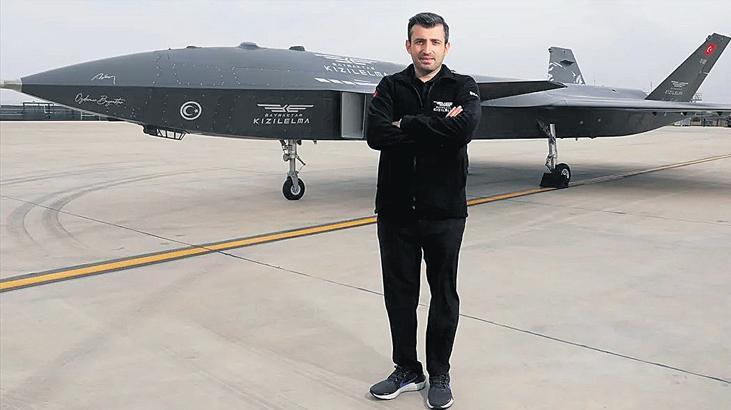
Turkish company Baykar showcased its AI-powered unmanned combat aircraft, KIZILELMA, to NATO parliamentarians, highlighting their autonomous capabilities and operational use in conflicts like the Russia-Ukraine war. The proliferation of such AI systems poses significant risks, including increased lethality and challenges in defense, raising global security concerns.[AI generated]
Why's our monitor labelling this an incident or hazard?
The article explicitly discusses AI-enabled unmanned combat aircraft (KIZILELMA) that can perform all functions of manned fighter jets and more, indicating the presence of AI systems. It highlights the potential for these systems to replace traditional aircraft and the difficulty in preventing attacks by such drones, which are described as lethal and potentially used in terrorism. Although no actual harm or incident is reported, the credible risk of future harm from these AI systems is clearly articulated, including threats to security and warfare dynamics. This fits the definition of an AI Hazard, as the development and use of these AI systems could plausibly lead to significant harms. There is no indication of a realized harm or incident, nor is the article primarily about a response or update, so it is not an AI Incident or Complementary Information. It is also not a Beneficial Use or Unrelated event.[AI generated]