The information displayed in the AIM should not be reported as representing the official views of the OECD or of its member countries.
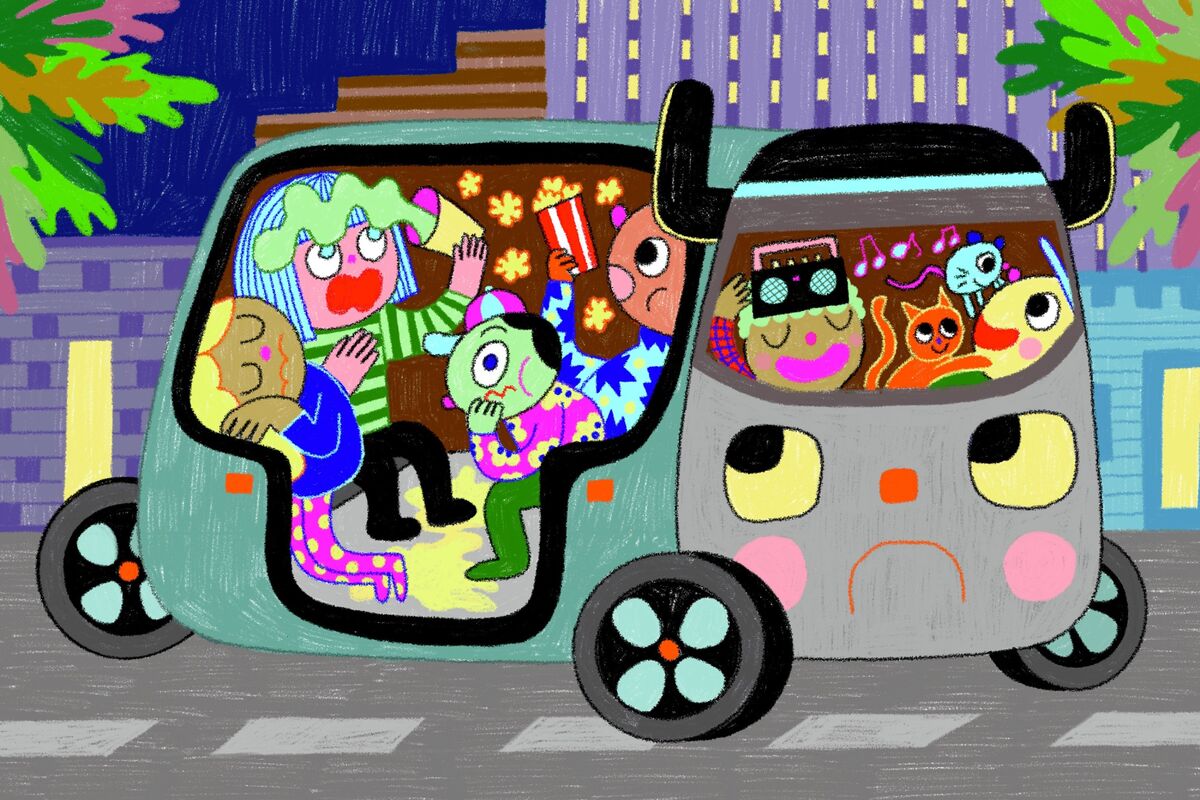
Waymo and other autonomous robotaxi services in U.S. cities have seen numerous incidents where passengers fall asleep or become unresponsive, prompting AI systems to call 911. This has led to nearly 100 emergency welfare checks in Austin alone, straining emergency services and highlighting operational limitations of AI-driven passenger monitoring.[AI generated]
Why's our monitor labelling this an incident or hazard?
The presence of AI systems is explicit: autonomous robotaxis with AI driving and remote monitoring. The incidents involve the AI system's use and operational protocols leading to emergency calls and first responder deployment, which is a direct harm to public resources and potentially to passenger health. The repeated occurrence of passengers falling asleep and the AI system's inability to safely manage these situations without involving emergency services shows a direct link to harm. Additionally, the AI systems' behavior during blackouts and emergency scenes causing obstruction further supports the classification as AI Incidents. The harms include strain on emergency services (harm to communities and public infrastructure) and risks to passenger health (injury or harm to persons). Thus, the event meets the criteria for AI Incident rather than AI Hazard or Complementary Information.[AI generated]


