Name in original language
Riigikogu Kantselei AI assistent
Initiative overview
The initiative was developed to address challenges in accessing and working with parliamentary and legislative information within the Estonian Government Office. Officials and legal experts regularly need to navigate large volumes of documents across multiple systems, including draft laws, background materials and prior inquiries. These tasks were previously handled manually, making the process time-consuming and difficult to manage, especially when responding to time-sensitive requests.
The project uses advances in artificial intelligence to improve how this information is accessed, processed and used in daily work. The primary objective is to improve the efficiency and quality of legislative support processes by introducing an in-house AI assistant. The solution enables users to locate relevant parliamentary documents, ask structured questions about draft laws and related materials, and receive answers supported by references to source documents. By improving access to information and reducing manual workload, it supports more informed decision-making and more efficient internal workflows.
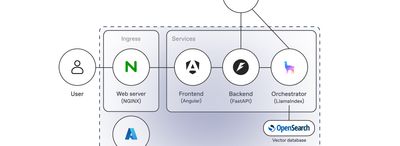
The AI assistant is designed to be secure and aligned with government requirements, ensuring appropriate handling of sensitive information. It integrates with existing document systems and draws on multiple data sources, including legislative databases and related materials. The system is continuously improved based on user feedback and evolving needs, while also supporting capacity-building by enabling officials to use AI tools in their daily work.
Looking ahead, the initiative is expected to be further embedded within the Government Office and potentially extended to other public-sector organisations with similar needs. Future development may include expanded functionality, integration with additional data sources and greater automation of routine tasks. Over time, the approach could inform wider use of AI to improve knowledge access and administrative efficiency across government.
Results, outcomes and impacts
The AI assistant has improved how officials access and analyse parliamentary information, replacing manual and time-consuming document searches with faster, more structured queries. User feedback indicates reduced effort in handling information requests and preparing legislative materials. Impacts have been assessed through qualitative feedback and observed usage patterns rather than formal quantitative measurement. Initial results suggest improved efficiency and more consistent access to information. Over time, the initiative is expected to further reduce administrative workload and expand functionality, including potential wider access.