Name in original language
Tehisarupõhine hankedokumentide koostamise lahendus (Hankelooja)
Initiative overview
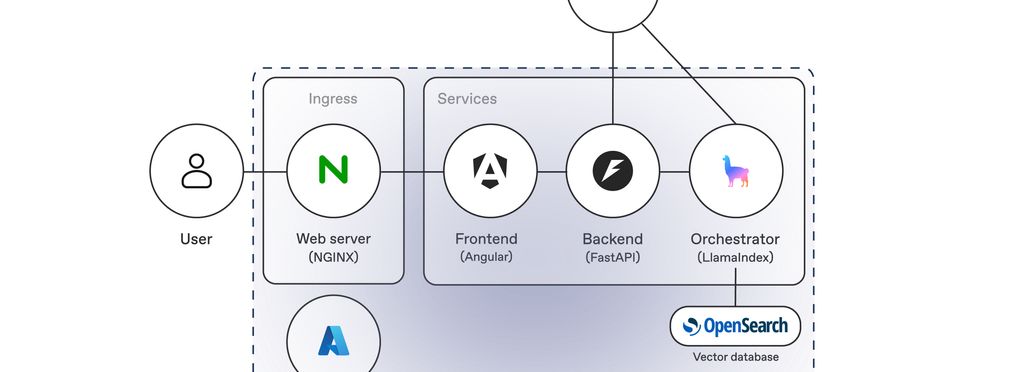
Public procurement plays a central role in how governments turn public funds into services, yet preparing procurement documents is often slow, manual, and resource‑intensive. Officials must compile technical descriptions, requirements, and evaluation criteria with great precision, even though many are not full‑time procurement specialists and may only conduct procurements a few times per year. Hankelooja was developed by the Estonian Ministry of Justice and Digital Affairs to reduce this administrative burden. It is an AI-assisted tool trained on publicly available procurement data that generates structured draft documents based on a short description of the purchase. This allows officials to focus on key decisions rather than repetitive drafting and formatting.
The initiative was first rolled out for small‑value procurements, which provided a low‑risk environment to test AI in real government workflows. The tool operates within the government’s secure infrastructure and uses only approved data sources, addressing data protection and trust requirements from the outset. Looking ahead, the approach behind Hankelooja can be extended to more complex procurements and replicated across other administrative processes. The initiative shows how AI can be introduced in a practical way in government, starting with a clearly defined problem, demonstrating clear value and supporting wider adoption over time.
Results, outcomes and impacts
Testing and early use of Hankelooja reportedly showed substantial time savings in procurement preparation. For small‑scale procurements, document drafting time was reduced by up to 70%, turning work that previously took days into minutes. The tool also reportedly improved consistency and reduced errors by using standardised structures and past procurement data. Impacts have been measured through time spent on preparation and user feedback from officials. Faster and more consistent processes are intended to allow services to be delivered sooner and reduce administrative effort. The approach is expected to scale to higher-value procurements and to other government processes with similar administrative complexity.