Name in original language
Naučno-tehnološki parkovi kao AI inovaciona infrastruktura
Initiative overview
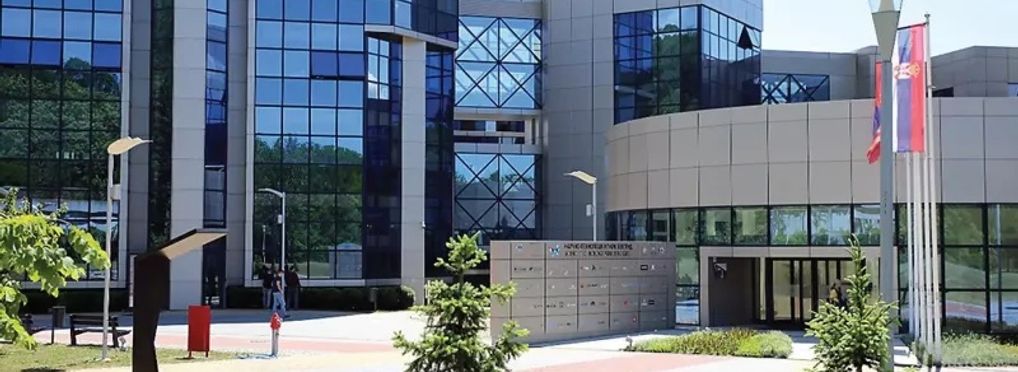
Science and Technology Parks (STPs) were established to address the need for dedicated innovation infrastructure that connects research, higher education, start-ups, and technology-oriented companies. They provide physical space, specialised services, and support mechanisms that enable the commercialisation of research results and support the growth of innovative enterprises across the country.
The primary objective is to strengthen national innovation capacity by fostering technology-based entrepreneurship and enhancing cooperation between science and the economy. The focus is on non-financial support for start-ups and innovative firms, promoting collaboration between academia and industry, and developing innovation infrastructure in major university centres. Beneficiaries include start-ups, small and medium-sized enterprises, research organisations, and higher education institutions.
The Office for IT and eGovernment’s initiative to provide start-ups hosted in STPs with access to national supercomputing resources further strengthens STPs as innovation infrastructure. Through dedicated calls, start-ups hosted in STPs can gain access to supercomputing capacity located in the Government Data Centre, supporting data-intensive research, development, and testing activities. These resources complement existing park services and enhance the conditions for advanced technology and AI-driven innovation.
Looking ahead, the initiative is expected to evolve through the continued expansion of the science and technology park network and deeper integration of advanced digital infrastructure and services. Strengthening links between innovation infrastructure, public institutions, and emerging technologies will further reinforce the role of STPs as an instrument of national innovation policy and long-term economic development.
Results, outcomes and impacts
The results show that AI-driven start-ups benefit from improved access to advanced infrastructure and targeted non-financial support, while strengthening cooperation with research organisations and universities. Through dedicated calls, AI start-ups in science and technology parks accessed national supercomputing resources at the Government Data Centre, enabling data-intensive research and the training and testing of advanced AI models.
The initiative is expected to further scale AI entrepreneurship by increasing support for technology-based firms, and strengthening innovation capacity, skilled employment, and knowledge transfer nationwide.