Name in original language
Laboratorios de Innovación Comunitaria
Initiative overview
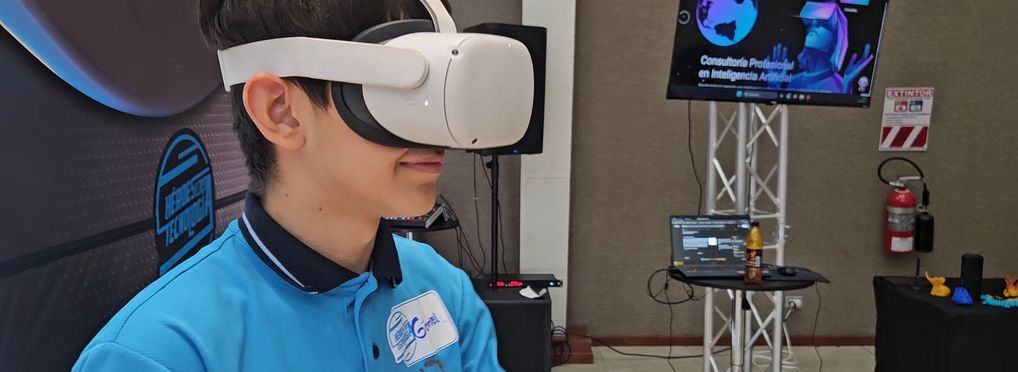
The LINC initiative, a national network of Community Innovation Labs in Costa Rica, was created to address unequal access to digital technologies and advanced technical training across regions. Many communities, particularly outside major urban centres, have limited opportunities to develop practical skills in emerging technologies. LINC responds to this gap by providing open, equipped spaces where students, teachers, entrepreneurs, and small businesses can access hands-on learning in areas such as robotics, 3D printing, digital fabrication, basic artificial intelligence, and creative problem-solving.
The main objective of LINC is to strengthen digital and technical skills linked to future employment and local economic development. By combining equipment, structured training programmes, and guided mentoring, the initiative promotes practical learning and encourages innovation at the community level. It also supports teachers and local leaders so that knowledge can be replicated and sustained within schools, small businesses, and local organisations. In doing so, LINC contributes to national priorities related to digital transformation, education, and productivity.
Since its launch, LINC has expanded geographically and in the range of services offered. What began as a pilot effort has grown into a distributed national network, reaching thousands of beneficiaries each year and integrating more advanced technologies over time. The initiative has also strengthened co-ordination with public institutions and local governments to align training activities with regional development needs.
Looking ahead, LINC is expected to further institutionalise its operations through standardised training pathways, stronger monitoring of outcomes, and expanded partnerships with the private sector and academia. Scaling will focus on increasing territorial coverage, deepening advanced digital skills, and ensuring long-term financial and operational sustainability, so that communities across the country can continue to benefit from inclusive access to technology and innovation.
Results, outcomes and impacts
Since 2022, 7,921 people have been trained through 21 operational LINC labs nationwide, with 4,419 beneficiaries in 2025 alone. Over CRC 2,000 million has been invested in equipment and training. Results include expanded access to digital skills in underserved regions and stronger local innovation capacity. Impact is measured through participant records, territorial coverage and training outputs. Seven additional labs are being equipped, with expected growth in beneficiaries and advanced skills development.