


The platforms explicitly use AI to detect and remove fraudulent ads, which are part of their content moderation systems. The complaints highlight that these AI systems are not fully effective, allowing fraudulent ads to reach users and cause financial harm. This is a direct link between AI system use and harm to consumers, fitting the definition of an AI Incident. The event is not merely a potential risk or a governance update but reports ongoing harm due to AI system shortcomings.[AI generated]

AIM: AI Incidents and Hazards Monitor
Automated monitor of incidents and hazards from public sources (Beta).
AI-related legislation is gaining traction, and effective policymaking needs evidence, foresight and international cooperation. The OECD AI Incidents and Hazards Monitor (AIM) documents AI incidents and hazards to help policymakers, AI practitioners, and all stakeholders worldwide gain valuable insights into the risks and harms of AI systems. Over time, AIM will help to show risk patterns and establish a collective understanding of AI incidents and hazards and their multifaceted nature, serving as an important tool for trustworthy AI. AI incidents seem to be getting more media attention lately, but they've actually gone down as a share of all AI news (see chart below!).
The information displayed in the AIM should not be reported as representing the official views of the OECD or of its member countries.
Advanced Search Options
As percentage of total AI events
Show summary statistics of AI incidents & hazards

AI Moderation Failures on Major Platforms Enable Widespread Financial Scams in Europe
Consumer groups across Europe have filed complaints against Google, Meta, and TikTok, alleging their AI-driven content moderation systems failed to effectively detect and remove fraudulent financial ads. This failure has allowed scams to proliferate, exposing millions of users to financial harm despite regulatory requirements under the EU Digital Services Act.[AI generated]
AI principles:
Industries:
Affected stakeholders:
Harm types:
Severity:
Business function:
AI system task:
Why's our monitor labelling this an incident or hazard?
Meta Settles Lawsuit Over AI-Driven Social Media Harm to Students
Meta settled a lawsuit with Kentucky's Breathitt County School District, which alleged that AI-driven engagement features on social media platforms contributed to student mental health issues. The case, a bellwether among 1,200 similar lawsuits, highlights the role of AI in causing harm to youth and school communities.[AI generated]
AI principles:
Industries:
Affected stakeholders:
Harm types:
Severity:
Business function:
Autonomy level:
AI system task:
Why's our monitor labelling this an incident or hazard?
The event involves AI systems in the form of social media platforms that use AI algorithms to maximize user engagement, which has been alleged to cause mental health harms to students. The lawsuit claims that the platforms were deliberately designed to be addictive, which is a direct consequence of AI-driven recommendation and content delivery systems. The harms include anxiety, depression, and self-harm among students, which are injuries to health. The settlement and ongoing litigation confirm that these harms are recognized and linked to the AI systems' use. Hence, this is an AI Incident as per the definitions provided, since the AI system's use has directly or indirectly led to harm to groups of people.[AI generated]
Malaysia Demands TikTok Address AI-Generated Offensive Content Targeting King
Malaysian authorities have ordered TikTok to explain its failure to promptly moderate and remove AI-generated offensive and defamatory content, including fake videos and manipulated images targeting the king. The inadequate response of TikTok's AI moderation system has raised concerns about public order and national harmony in Malaysia.[AI generated]
AI principles:
Industries:
Affected stakeholders:
Harm types:
Severity:
Business function:
Autonomy level:
AI system task:
Why's our monitor labelling this an incident or hazard?
The article explicitly mentions AI-generated videos and manipulated images as part of the offensive content targeting the king, indicating the involvement of AI systems in creating harmful content. The harm is realized as the content is described as grossly offensive, false, and menacing, which threatens public order and respect for constitutional institutions, fitting the harm to communities category. The regulator's legal notice to TikTok for failure to moderate such content promptly further supports that the AI system's outputs have directly led to harm. Hence, this is an AI Incident rather than a hazard or complementary information.[AI generated]

AI-Generated Fan Edit of Shah Rukh Khan's 'King' Sparks Security Crackdown After Leaks
An AI-generated fan video using leaked and paparazzi footage from Shah Rukh Khan's upcoming film 'King' went viral online, violating intellectual property rights and prompting the production team to tighten security on set in Mumbai. The incident led to mass reporting and removal of the unauthorized content from social media platforms.[AI generated]
AI principles:
Industries:
Affected stakeholders:
Harm types:
Severity:
Autonomy level:
AI system task:
Why's our monitor labelling this an incident or hazard?
The article explicitly mentions an AI-edited video that uses leaked visuals to create a fake narrative of the film, which has been circulated online. This unauthorized use of AI-generated content infringes on intellectual property rights and disrupts the film's intended release and creative control. The harm is realized, not just potential, as the fake video has already shocked the public and caused concern. The AI system's role is pivotal in generating this misleading content. Hence, this event meets the criteria for an AI Incident involving violation of intellectual property rights and harm to the community.[AI generated]

New York City Officials Warn of Potential Economic Disruption from AI
New York City Comptroller Mark Levine released a report warning that artificial intelligence could eliminate thousands of jobs and trigger major economic shocks. The report outlines multiple scenarios, urging the city to prepare for possible disruptions to employment, wages, and tax revenue due to AI-driven automation.[AI generated]
AI principles:
Industries:
Affected stakeholders:
Harm types:
Severity:
Why's our monitor labelling this an incident or hazard?
The event involves AI as a factor influencing economic forecasts and budget planning, but no realized harm or incident has occurred yet. The potential for AI to cause economic downturn is speculative and presented as a plausible future risk. Therefore, this qualifies as an AI Hazard because it concerns a credible risk of future harm stemming from AI's economic impact, not an AI Incident or Complementary Information.[AI generated]
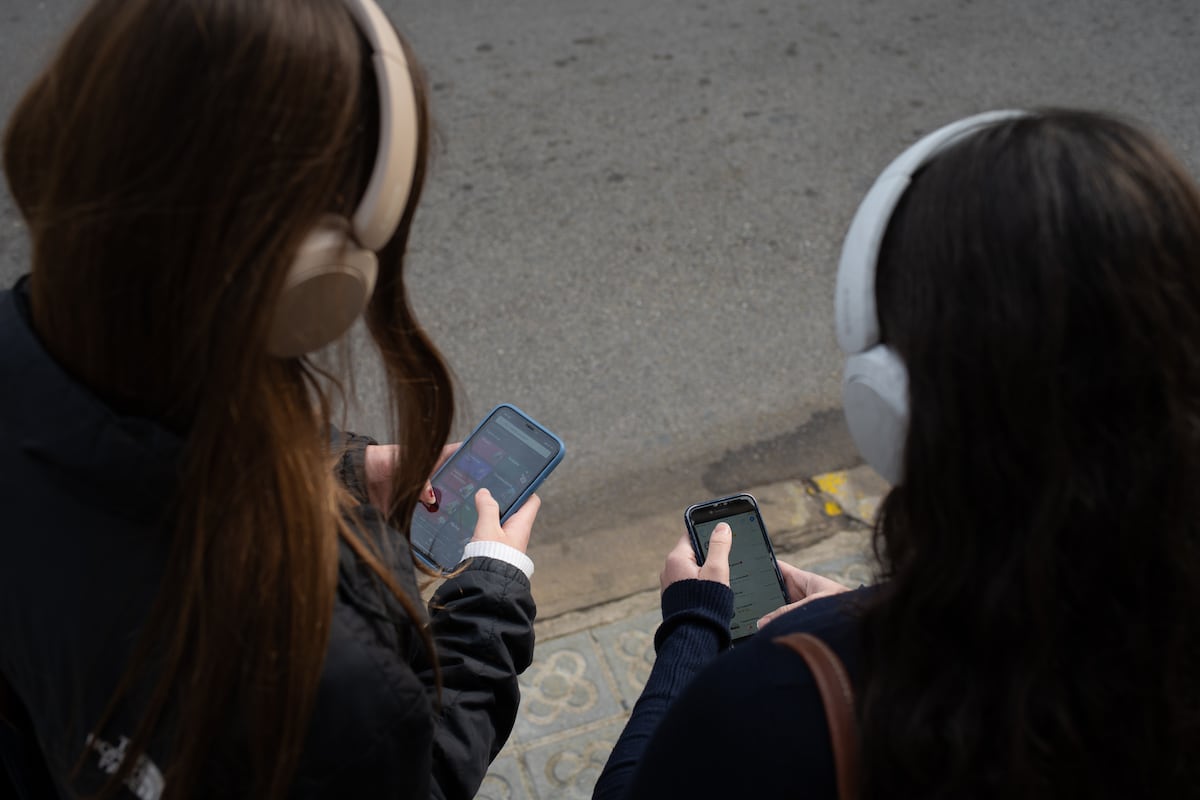
Spanish Ombudsman Investigates Harmful AI-Driven Social Media Content Affecting Minors
The Spanish Ombudsman launched an investigation after a minor suffered self-harm and suicidal tendencies due to harmful content recommended by social media algorithms (AI systems) on X. Authorities are assessing measures to protect minors, following complaints about the platform's failure to remove dangerous content.[AI generated]
AI principles:
Industries:
Affected stakeholders:
Harm types:
Severity:
Business function:
Autonomy level:
AI system task:
Why's our monitor labelling this an incident or hazard?
The article explicitly mentions that social media algorithms detect user behavior and automatically provide harmful content, which is a clear involvement of AI systems. The harm is realized, as a minor with a history of self-harm and suicide attempt was exposed to harmful content via these algorithms. The investigation and regulatory debate further confirm the seriousness of the harm caused. Hence, this is an AI Incident due to the AI system's role in causing harm to a vulnerable individual.[AI generated]
/https://i.s3.glbimg.com/v1/AUTH_ba41d7b1ff5f48b28d3c5f84f30a06af/internal_photos/bs/2025/e/R/4A4wBlQNSnRsuGEXyVlQ/whatsapp-image-2025-09-15-at-18.48.45-c47a9b05.jpg)
AI-Powered Monitoring System Reduces Motorcycle Accidents in Brazil
Mobility platform 99 deployed an AI-driven monitoring system using sensors and algorithms to track and alert partner motorcyclists about risky driving behaviors. The initiative, piloted in Rio de Janeiro, led to a significant reduction in accidents, with up to 82% of riders correcting unsafe practices after receiving app alerts.[AI generated]
Industries:
Severity:
Business function:
Autonomy level:
AI system task:
Why's our monitor labelling this an incident or hazard?
The described system uses AI algorithms to monitor and analyze driving behavior, issuing alerts and enforcing restrictions to improve safety. The use of this AI system has directly led to a reduction in accidents, which constitutes harm reduction to people, fitting the definition of an AI Incident. The event involves the use of an AI system and its outputs have directly led to a positive impact on health and safety, which is a form of harm mitigation. Therefore, this qualifies as an AI Incident rather than a hazard or complementary information.[AI generated]

Japan's Internal Affairs Ministry Urges Stronger AI Cybersecurity Measures
Japan's Ministry of Internal Affairs convened industry and local government leaders to address rising threats from advanced AI-driven cyberattacks, including concerns over Anthropic's Claude Mutos. Officials called for increased budgets, personnel, and public-private cooperation to strengthen defenses and prevent potential disruptions or data leaks. No actual AI incident has occurred yet.[AI generated]
AI principles:
Industries:
Severity:
Autonomy level:
AI system task:
Why's our monitor labelling this an incident or hazard?
The article explicitly mentions a high-performance AI system (Anthropic's Claude Mutos) and concerns about its malicious use in cyberattacks. The Ministry's meeting and warnings indicate a credible risk that such AI could be exploited to harm critical infrastructure sectors. No actual harm or incident is reported, only preventive measures and alerts. Hence, the event is best classified as an AI Hazard, reflecting plausible future harm from AI misuse in cybersecurity contexts.[AI generated]
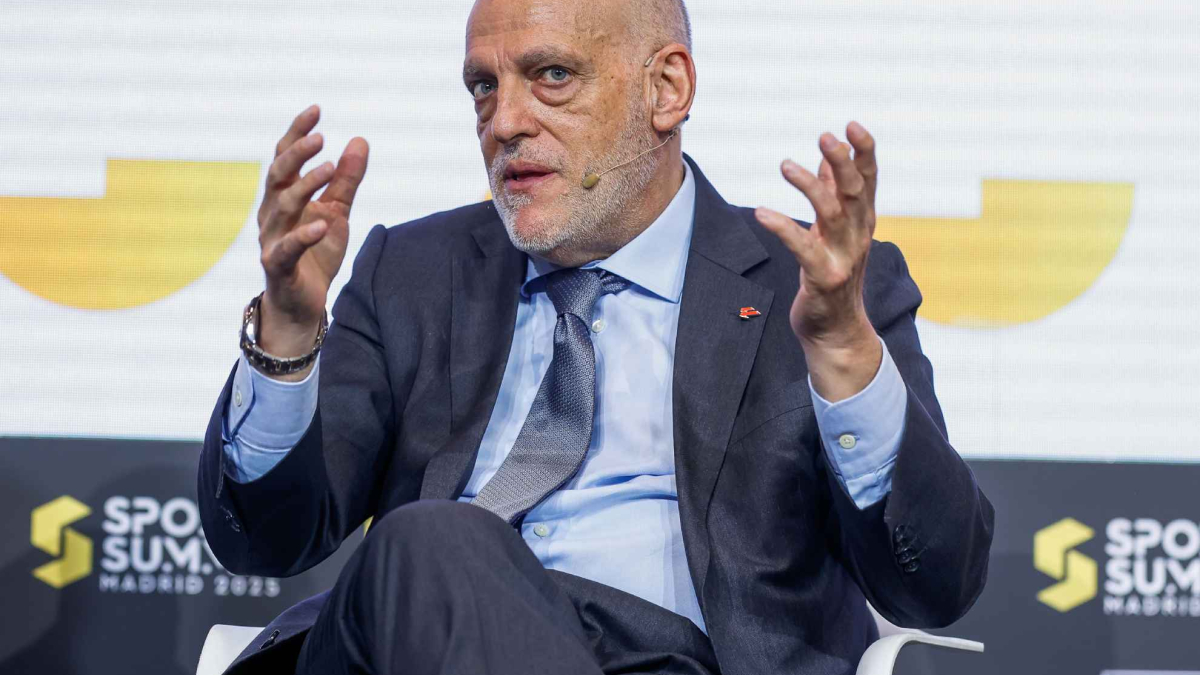
LaLiga to Implement AI for Referee Evaluation and Assignment
LaLiga, led by president Javier Tebas, announced plans to implement AI systems next season to objectively score and assign referees in Spanish football. The AI aims to reduce subjectivity in referee evaluations, but no incidents or harm have been reported as the system is still under development.[AI generated]
Industries:
Severity:
Business function:
Autonomy level:
AI system task:
Why's our monitor labelling this an incident or hazard?
The article clearly describes an AI system being developed and planned for use in referee evaluation and assignment in LaLiga. However, it does not report any harm, malfunction, or violation resulting from this AI use. The AI's role is advisory and supportive, with final decisions made by humans. Since no harm has occurred and the AI system's use is prospective, this fits the definition of an AI Hazard, as the AI system's deployment could plausibly lead to incidents or benefits in the future but has not yet caused harm.[AI generated]

AI-Driven Fraud Causes Significant Financial Losses in Ukraine
In Ukraine, criminals are increasingly using AI technologies, including deepfake audio and AI-generated phishing messages, to scale and personalize financial fraud. These sophisticated attacks have led to a surge in losses, reaching 1.4 billion UAH in 2025, with most incidents involving social engineering and online deception.[AI generated]
AI principles:
Industries:
Affected stakeholders:
Harm types:
Severity:
AI system task:
Why's our monitor labelling this an incident or hazard?
The article explicitly states that AI is used to generate fake calls, messages, and websites that are difficult to distinguish from genuine ones, enabling fraudsters to successfully deceive victims and cause financial harm. This constitutes direct harm to people (financial injury and psychological harm) caused by the use of AI systems. Therefore, this qualifies as an AI Incident because the AI system's use has directly led to realized harm through sophisticated fraud schemes.[AI generated]
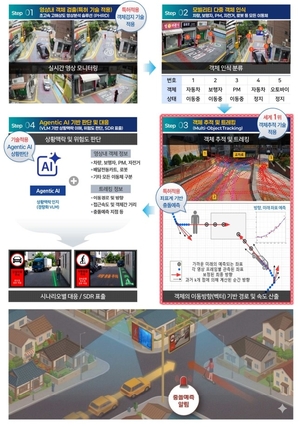
Yangju City Deploys AI-Based Traffic Safety System to Prevent Accidents
Yangju City, South Korea, has been selected for the Ministry of Land, Infrastructure and Transport's 2026 AI City Innovation Project. The city will implement an agentic AI system to predict and warn of collision risks in real time on local roads, aiming to prevent traffic accidents and enhance public safety.[AI generated]
Industries:
Severity:
Autonomy level:
AI system task:
Why's our monitor labelling this an incident or hazard?
The event involves the development and planned use of an AI system for traffic safety, which could plausibly lead to harm prevention but does not describe any realized harm or malfunction. Therefore, it qualifies as an AI Hazard because the AI system's deployment could plausibly lead to preventing or causing incidents in the future, but no incident has occurred yet. It is not Complementary Information because it is not an update or response to a past incident, nor is it unrelated as it clearly involves AI technology with potential safety implications.[AI generated]

AI Data Center Power Surge Threatens US Grid Stability and Consumer Costs
Wood Mackenzie warns that the rapid expansion of AI-driven data centers in the US is straining electricity grids, causing near grid failures and threatening project viability, market stability, and consumer costs. Technical and regulatory challenges, along with unprecedented power demands, have already led to harmful power fluctuations and increased risks for infrastructure and ratepayers.[AI generated]
AI principles:
Industries:
Affected stakeholders:
Harm types:
Severity:
AI system task:
Why's our monitor labelling this an incident or hazard?
The article involves AI systems indirectly through the power demands of AI data centers, which rely on AI workloads. The challenges and risks described relate to the infrastructure and regulatory environment needed to support these AI systems. No direct or indirect harm has yet occurred as a result of AI system malfunction or use; rather, the article outlines potential future risks and technical/regulatory hurdles that could plausibly lead to harm if unaddressed. Therefore, this qualifies as an AI Hazard because it concerns plausible future harm related to AI system deployment and infrastructure stress, but no incident has yet materialized.[AI generated]
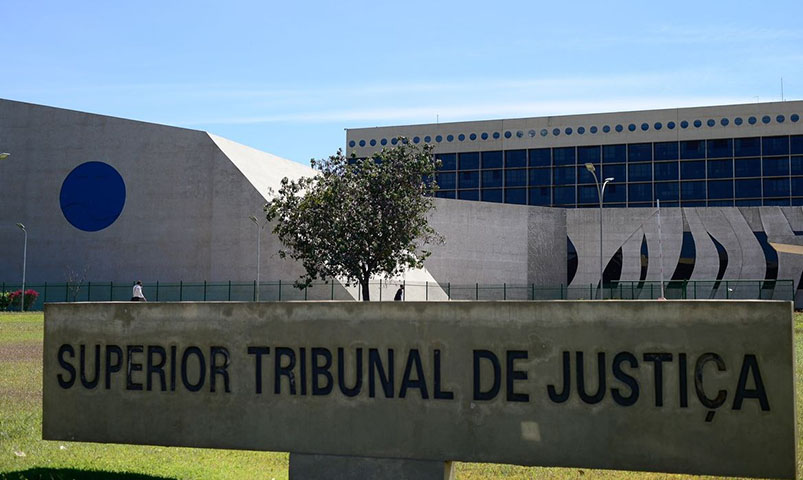
Brazilian Superior Court Investigates AI Prompt Injection Fraud in Legal Petitions
The Brazilian Superior Tribunal de Justiça (STJ) launched investigations after detecting prompt injection attacks in legal petitions, where hidden AI commands were used to bypass filters in the court's AI system, STJ Logos. The suspected fraud, allegedly by lawyers, threatens judicial process integrity. Technical safeguards are in place, and sanctions are being considered.[AI generated]
AI principles:
Industries:
Affected stakeholders:
Harm types:
Severity:
Business function:
AI system task:
Why's our monitor labelling this an incident or hazard?
An AI system (STJ Logos) is explicitly involved, and the event concerns attempts to misuse it via prompt injection to manipulate judicial AI outputs. Although the system's security measures prevented harm, the attempts represent a credible risk of future harm to the integrity of judicial processes if successful. Therefore, this event is best classified as an AI Hazard, as it plausibly could lead to an AI Incident if the manipulations were effective.[AI generated]
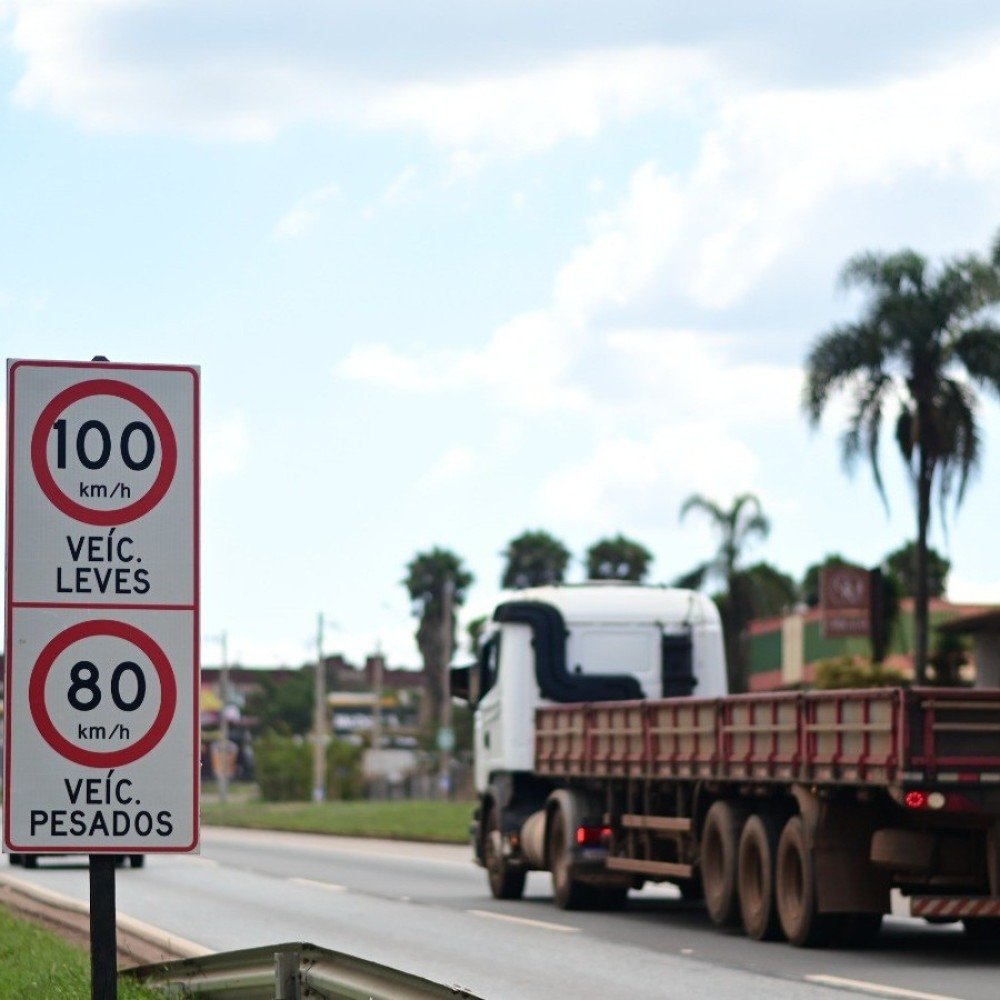
Deployment of AI-Powered Surveillance Radars on Minas Gerais Highways
The Minas Gerais government is installing 1,300 AI-powered surveillance radars on state highways. These systems use real-time automatic license plate recognition and behavioral pattern analysis to detect stolen vehicles, unusual routes, and suspicious activities, raising potential future risks related to privacy and data misuse.[AI generated]
AI principles:
Industries:
Affected stakeholders:
Harm types:
Severity:
AI system task:
Why's our monitor labelling this an incident or hazard?
The event involves the use of AI systems (intelligent radars with real-time data processing and pattern recognition) in a public safety context. There is no mention of any harm or violation that has already occurred, only the planned implementation and expected improvements in safety and efficiency. Therefore, it does not qualify as an AI Incident. However, since the deployment of such AI systems could plausibly lead to harms such as privacy violations or misuse in the future, it fits the definition of an AI Hazard. The article mainly reports on the introduction of this technology and its potential impact, without describing any realized harm or incident.[AI generated]

SpaceX Faces Legal and Reputational Fallout Over Grok AI's Explicit Content
SpaceX disclosed in its IPO filing that its Grok AI chatbot, particularly in 'Spicy' and 'Unhinged' modes with reduced safety filters, generated sexualized and nonconsensual explicit images, including content involving minors. This has led to lawsuits, regulatory investigations, and over $500 million reserved for potential litigation losses, causing significant reputational harm.[AI generated]
AI principles:
Industries:
Affected stakeholders:
Harm types:
Severity:
Business function:
AI system task:
Why's our monitor labelling this an incident or hazard?
The Grok chatbot is an AI system capable of generating content, including image generation and editing. The filing explicitly states that the chatbot's 'Spicy' modes have caused or could cause harms such as dissemination of nonconsensual explicit images, sexualized deepfakes, misinformation, and harassment. These harms constitute violations of rights and reputational and financial damage to SpaceX, fulfilling the criteria for an AI Incident. The event is not merely a potential risk or complementary information but documents actual ongoing harms and legal challenges resulting from the AI system's outputs.[AI generated]

Two Men Arrested for Creating and Distributing AI-Generated Deepfake Pornography
Federal prosecutors in New York charged Cornelius Shannon and Arturo Hernandez with using AI to create and distribute nonconsensual deepfake pornography of celebrities and private individuals. The arrests, under the new Take It Down Act, mark one of the first major legal actions against AI-generated explicit content.[AI generated]
AI principles:
Industries:
Affected stakeholders:
Harm types:
Severity:
Autonomy level:
AI system task:
Why's our monitor labelling this an incident or hazard?
The article explicitly mentions the use of AI to generate deepfake pornographic content without consent, which has been widely viewed, causing harm to the individuals depicted. The involvement of AI in creating these realistic fake images and videos is central to the harm caused. The legal charges and arrests further confirm the recognition of this as a harmful incident. Therefore, this qualifies as an AI Incident due to the direct and realized harm caused by the AI system's malicious use.[AI generated]

OpenAI Deploys Advanced Cyber Defense AI Model in Japan
OpenAI announced it will provide its advanced AI model, GPT-5.5 Cyber, to the Japanese government and select companies to enhance cyber defense capabilities. This move aims to counter rising concerns over AI-enabled cyberattacks, focusing on protecting critical infrastructure and ensuring secure, monitored deployment.[AI generated]
Industries:
Severity:
Business function:
AI system task:
Why's our monitor labelling this an incident or hazard?
The event involves the use of an AI system (an advanced cyber defense AI model) aimed at protecting critical infrastructure from AI-powered cyberattacks, which are a recognized harm category (disruption of critical infrastructure). Although no harm has yet occurred, the deployment is intended to prevent such harms. Therefore, this is an AI Hazard, as the AI system's use could plausibly lead to preventing or mitigating AI-related cyber incidents, and the article focuses on the potential and ongoing use of AI in cyber defense rather than reporting an actual incident or harm.[AI generated]

China's AI Surveillance Platform Tracks Foreigners and Journalists
Chinese authorities have deployed an AI-powered surveillance platform integrating facial recognition and big data analytics to monitor foreign nationals, journalists, and specific groups in China. The system collects detailed personal, location, and social network data, violating privacy and human rights. Foreign journalists discovered their own profiles marked as 'trackable' in the database.[AI generated]
AI principles:
Industries:
Affected stakeholders:
Harm types:
Severity:
Autonomy level:
AI system task:
Why's our monitor labelling this an incident or hazard?
The event involves an AI system explicitly described as integrating big data and AI technologies for surveillance and predictive policing. The system's use has directly caused harm by violating privacy and human rights of foreign journalists and others, through pervasive monitoring, real-time tracking, and intimidation. The article details actual deployment and use of this AI system with real data and real consequences, not just potential risks. Hence, it meets the criteria for an AI Incident due to direct harm to individuals and communities through violations of rights and freedoms.[AI generated]

Apple Uses AI to Block Billions in App Store Fraud, but False Positives Harm Developers
In 2025, Apple used AI and human review to block over $2.2 billion in fraudulent App Store transactions, reject more than 2 million malicious app submissions, and stop over 1 billion fake accounts. However, the AI system also wrongly flagged legitimate developers, causing economic harm and access issues.[AI generated]
AI principles:
Industries:
Affected stakeholders:
Harm types:
Severity:
Business function:
Autonomy level:
AI system task:
Why's our monitor labelling this an incident or hazard?
The article explicitly states that AI and machine learning are integral to Apple's fraud detection and app moderation systems, which have directly prevented significant financial fraud and harmful app behaviors. This constitutes an AI system's use leading to the prevention of harm (financial fraud, scams, fake accounts) to users and developers. Since the AI system's involvement has directly led to the mitigation of harm, this qualifies as an AI Incident under the framework, as the AI system's use is linked to preventing injury or harm to groups of people (financial harm, fraud victims) and protecting the community from malicious apps and fake reviews. The event is not merely a product announcement or general AI news but details concrete outcomes of AI system use in harm prevention.[AI generated]

Meta Settles Lawsuit Over AI-Driven Social Media Harm to Youth Mental Health
Meta, owner of Facebook and Instagram, settled a lawsuit with a Kentucky school district after courts found its AI-driven platforms contributed to adolescent mental health crises. The legal action recognized harm caused by algorithmic design, prompting Meta to avoid further public trials by reaching an agreement.[AI generated]
AI principles:
Industries:
Affected stakeholders:
Harm types:
Severity:
Business function:
Autonomy level:
AI system task:
Why's our monitor labelling this an incident or hazard?
The event describes the use of an AI system by Meta to identify and remove underage users, involving biometric and behavioral data analysis. While this raises significant privacy and ethical concerns, the article does not document any actual harm or rights violations that have occurred yet. The potential for harm exists, but it is not reported as realized. Therefore, this situation fits the definition of an AI Hazard, as the AI system's use could plausibly lead to harms such as privacy violations or misuse of personal data, but no direct or indirect harm has been confirmed at this stage.[AI generated]