


The event involves the use of AI systems (smart glasses integrated with large language models) to cheat in exams, which directly harms the integrity of educational assessments and the fairness of academic evaluation, impacting communities and institutions. The article provides concrete examples of detected misuse and institutional countermeasures, indicating realized harm rather than potential harm. Hence, it meets the criteria for an AI Incident rather than a hazard or complementary information.[AI generated]

AIM: AI Incidents and Hazards Monitor
Automated monitor of incidents and hazards from public sources (Beta).
AI-related legislation is gaining traction, and effective policymaking needs evidence, foresight and international cooperation. The OECD AI Incidents and Hazards Monitor (AIM) documents AI incidents and hazards to help policymakers, AI practitioners, and all stakeholders worldwide gain valuable insights into the risks and harms of AI systems. Over time, AIM will help to show risk patterns and establish a collective understanding of AI incidents and hazards and their multifaceted nature, serving as an important tool for trustworthy AI. AI incidents seem to be getting more media attention lately, but they've actually gone down as a share of all AI news (see chart below!).
The information displayed in the AIM should not be reported as representing the official views of the OECD or of its member countries.
Advanced Search Options
As percentage of total AI events
Show summary statistics of AI incidents & hazards

AI-Powered Smart Glasses Facilitate Exam Cheating in East Asia
AI-enabled smart glasses have been used by students in East Asian countries, including South Korea, Taiwan, and China, to cheat in high-stakes exams. Detected cases have alarmed educational authorities, prompting stricter monitoring and policy responses to address the threat to academic integrity posed by these advanced AI devices.[AI generated]
AI principles:
Industries:
Affected stakeholders:
Harm types:
Severity:
AI system task:
Why's our monitor labelling this an incident or hazard?

AI-Generated Deepfake Video Sparks False Rumors About Celebrity Appearances on Indian Show
A viral AI-generated video falsely depicted adult film stars Johnny Sins and Commatozze appearing with comedian Samay Raina on India's Got Latent Season 2. The realistic deepfake fueled widespread speculation online, but was quickly debunked, highlighting concerns over AI-driven misinformation and reputational risks in India.[AI generated]
AI principles:
Industries:
Affected stakeholders:
Harm types:
Severity:
Autonomy level:
AI system task:
Why's our monitor labelling this an incident or hazard?
The viral video is explicitly described as AI-generated and falsely suggests a collaboration that does not exist, indicating the use of AI to create misleading content. While no direct harm such as injury, rights violations, or disruption has occurred, the potential for misinformation and reputational damage is credible. The event fits the definition of an AI Hazard because the AI system's use in generating deepfake content could plausibly lead to harm, such as misleading the public or damaging reputations, even though no such harm has materialized yet according to the article.[AI generated]

Instagram AI Fails to Block Explicit Content, Exposing Minors and Enabling Data Risks
Instagram's AI-driven recommendation and moderation systems failed to block explicit sexual content and pornography, which was promoted to users—including minors—via the Reels feature. The malfunction allowed millions of views and exposed users to malicious links, violating child protection laws and raising data security concerns in Brazil.[AI generated]
AI principles:
Industries:
Affected stakeholders:
Harm types:
Severity:
Business function:
AI system task:
Why's our monitor labelling this an incident or hazard?
The event explicitly involves AI systems used for content moderation and recommendation on Instagram. The AI's malfunction or circumvention by malicious actors has directly led to harm by exposing minors to explicit content and malware risks. This meets the criteria for an AI Incident because the AI system's failure to effectively moderate content has caused realized harm to vulnerable users and breaches legal protections. Therefore, the event is classified as an AI Incident.[AI generated]

AI Moderation Shields Women Cricketers from Online Abuse During ICC T20 World Cup
Over 100 women cricketers signed up for the ICC Player Protection Programme, which uses AI (Freedom2hear) to filter and remove abusive social media comments during the Women's T20 World Cup 2026. The system removed nearly 60,000 harmful comments, restricted repeat offenders, and was praised for safeguarding athletes' mental wellbeing.[AI generated]
Industries:
Severity:
Business function:
Autonomy level:
AI system task:
Why's our monitor labelling this an incident or hazard?
The event involves an AI system (Freedom2hear) actively used to moderate social media content and protect women cricketers from online abuse, which is a form of harm to health and wellbeing. The AI system's deployment has directly led to the removal of harmful content and restrictions on offenders, thus preventing or mitigating harm. Since the harm is realized and the AI system's role is pivotal in addressing it, this qualifies as an AI Incident.[AI generated]

Pilot Deployment of AI Cameras to Detect Distracted Driving in Cyprus
Cyprus's Minister of Transport announced a pilot phase for AI-powered cameras to detect drivers using mobile phones, aiming to reduce fatal road accidents. The system's deployment requires legislative changes before enforcement, and no harm or incidents have occurred yet. The initiative targets distracted driving as a major safety concern.[AI generated]
AI principles:
Industries:
Severity:
Business function:
Autonomy level:
AI system task:
Why's our monitor labelling this an incident or hazard?
The event involves AI systems (AI cameras detecting mobile phone use while driving) and their intended use, but no actual harm or enforcement has occurred. The article focuses on preparatory steps, legal changes, and pilot testing, indicating potential future use but no current incident or harm. Therefore, it represents a plausible future risk scenario but not an incident or complementary information about harm or responses to harm.[AI generated]

Airbus and Kawasaki Partner to Develop AI-Enabled Military Drones for Japan
Airbus and Japan's Kawasaki Heavy Industries have signed an agreement to jointly develop a Japanese version of the Eurodrone, an AI-enabled military drone with autonomous surveillance and anti-submarine capabilities. The project, involving integration of local sensors and weapons, raises future risks of harm due to its autonomous military applications.[AI generated]
AI principles:
Industries:
Affected stakeholders:
Harm types:
Severity:
Business function:
Autonomy level:
AI system task:
Why's our monitor labelling this an incident or hazard?
The event involves the development of an AI-enabled military drone system, which qualifies as an AI system due to its autonomous capabilities and integration of sensors and weapons. The article focuses on the collaboration and development phase without any realized harm or malfunction. Given the military nature and potential for harm, this constitutes an AI Hazard, as the development and future deployment of such systems could plausibly lead to incidents involving injury, violations of rights, or harm to communities. There is no indication of actual harm yet, so it is not an AI Incident. It is not merely complementary information because the main focus is on the development of a potentially hazardous AI system, not on responses or updates to past incidents.[AI generated]

Austrian Interior Ministry Expands Use of AI Surveillance Software
Austria's Interior Ministry renewed its contract for the AI-powered surveillance software 'Tangles' and added the 'Webloc' module, enabling analysis of online activities and access to individuals' location data. Critics, including the Green Party, highlight privacy and human rights concerns due to mass data collection and lack of transparency.[AI generated]
AI principles:
Industries:
Affected stakeholders:
Harm types:
Severity:
Business function:
AI system task:
Why's our monitor labelling this an incident or hazard?
The software "Tangles" and its module "Webloc" involve AI systems for analyzing online activities and extracting location data. The event involves the use of these AI systems by a government agency, which leads to indirect harm in the form of potential violations of privacy and fundamental rights due to mass data collection and surveillance without effective control. Although no specific incident of harm is described, the event highlights ongoing use and concerns about rights violations and structural surveillance expansion, which constitute realized harm under violations of human rights and fundamental rights. Therefore, this qualifies as an AI Incident.[AI generated]

AI Deepfake Crypto Scam Defrauds Ontario Senior of $900,000
An 86-year-old Ontario woman lost $900,000 after falling victim to a cryptocurrency scam that used an AI-generated deepfake video of Prime Minister Mark Carney. The convincing video, found on Facebook, led her to invest her life savings in a fraudulent platform, causing severe financial and emotional harm.[AI generated]
AI principles:
Industries:
Affected stakeholders:
Harm types:
Severity:
Autonomy level:
AI system task:
Why's our monitor labelling this an incident or hazard?
The scam used AI-generated deepfake technology to create a convincing fraudulent video, which directly caused the victim to invest large sums of money into a fake platform, resulting in substantial financial and emotional harm. The AI system's role was pivotal in enabling the deception and consequent harm. The event clearly meets the criteria for an AI Incident as the AI system's use directly led to realized harm (financial loss and psychological distress).[AI generated]
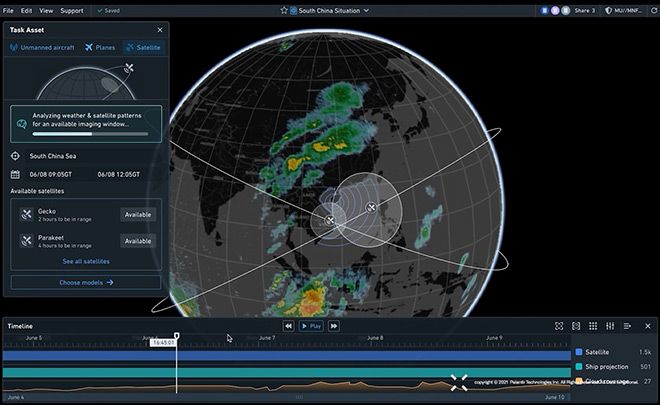
Japan Considers Palantir AI for Military Command and Control
Japan's Defense Ministry is evaluating Palantir's Maven Smart System, an AI-driven command-and-control platform, for the Self-Defense Forces. The move raises concerns about foreign dependence, data security, and the risks of AI errors in military decision-making, prompting calls for a domestic AI alternative.[AI generated]
AI principles:
Industries:
Affected stakeholders:
Harm types:
Severity:
AI system task:
Why's our monitor labelling this an incident or hazard?
The article involves an AI system explicitly (Palantir's Maven Smart System) and its potential use in military decision-making, which could plausibly lead to significant harms if misused or malfunctioning, such as harm to national security or human rights. However, since the AI system is only being considered and tested in exercises without any reported harm or malfunction, this constitutes a potential risk rather than an actual incident. The concerns about dependence on foreign AI and information leaks further support the classification as a hazard. Thus, the event fits the definition of an AI Hazard rather than an AI Incident or Complementary Information.[AI generated]

AI-Generated Political Video Sparks Election Misinformation Dispute in Israel
Gadi Eisenkot's party filed a petition to Israel's Central Elections Committee demanding the removal of an AI-generated video by Bezalel Smotrich's Religious Zionism party. The video falsely depicts Eisenkot in political alliances that never occurred, misleading voters and violating fair election campaign laws through deceptive AI-generated content.[AI generated]
AI principles:
Industries:
Affected stakeholders:
Harm types:
Severity:
AI system task:
Why's our monitor labelling this an incident or hazard?
An AI system was used to generate part of a video that misrepresents factual reality, misleading voters about political affiliations. This directly leads to harm to communities by spreading false information and potentially influencing electoral outcomes. Therefore, this qualifies as an AI Incident due to the realized harm caused by the AI-generated misleading content.[AI generated]

AI-Generated Crocodile Image Causes Public Disruption and Fine in An Giang
In An Giang, Vietnam, a woman used AI to create a fake image of a crocodile in a local canal, which she reported to authorities. The misinformation led to public concern and mobilization of local officials before being exposed as false. She was fined 7.5 million VND for spreading AI-generated misinformation.[AI generated]
AI principles:
Industries:
Affected stakeholders:
Harm types:
Severity:
Autonomy level:
AI system task:
Why's our monitor labelling this an incident or hazard?
The AI system was used to generate fabricated images that led to misinformation and public disruption, which is a form of harm to communities. The event describes realized harm through the spread of false information causing authorities to take action. Therefore, it qualifies as an AI Incident because the AI-generated content directly led to social disruption and misuse of public resources. The event is not merely a potential risk but an actual incident involving AI misuse causing harm.[AI generated]

Amazon Q AI Coding Assistant Vulnerability Exposes Cloud Credentials
A critical vulnerability in Amazon Q, Amazon's AI-powered coding assistant for Visual Studio Code, allowed attackers to execute arbitrary code and steal cloud credentials by embedding malicious configuration files in code repositories. The flaw stemmed from Amazon Q's automatic execution of untrusted project configurations without user consent.[AI generated]
AI principles:
Industries:
Affected stakeholders:
Harm types:
Severity:
Business function:
Autonomy level:
AI system task:
Why's our monitor labelling this an incident or hazard?
The event involves an AI system (Amazon Q) that automatically executes commands from project configuration files, which is a use of AI to assist coding. The vulnerability allowed attackers to execute arbitrary code and access sensitive credentials, directly causing harm to property and security. The harm is realized, not just potential, as demonstrated by the proof-of-concept attack. Therefore, this qualifies as an AI Incident because the AI system's malfunction directly led to significant harm.[AI generated]

AI-Generated Deepfakes Harm Vietnamese Singer Mỹ Tâm's Reputation
Vietnamese singer Mỹ Tâm's management warned the public after AI-generated fake images and videos of her were spread on social media, causing reputational harm and misinformation. The misuse of AI technology to create and disseminate deepfakes has negatively impacted both the artist and the online information environment.[AI generated]
AI principles:
Industries:
Affected stakeholders:
Harm types:
Severity:
AI system task:
Why's our monitor labelling this an incident or hazard?
The article explicitly mentions AI technology being used to create fake images and videos of Mỹ Tâm, which are then disseminated on social media. This misuse of AI has directly harmed the celebrity's reputation and risks misleading the public, which qualifies as harm to communities and a violation of rights related to personal dignity and reputation. The involvement of AI in generating manipulated content that causes real harm fits the definition of an AI Incident rather than a hazard or complementary information.[AI generated]
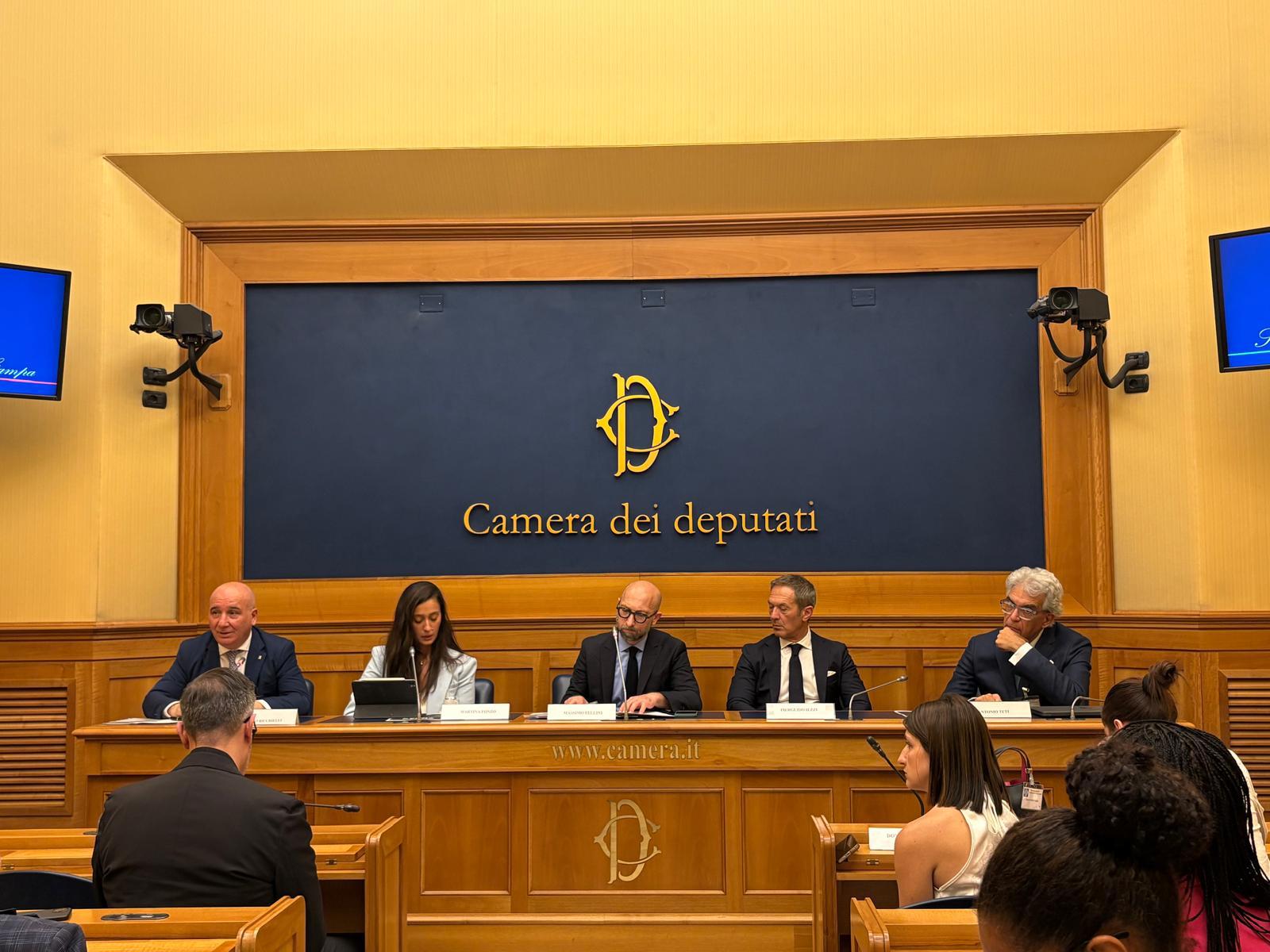
Zenita Group Highlights Emerging AI Cybersecurity Risks in Italy
At a conference in Rome, Zenita Group presented the "Autonomia Delegata" report, warning that autonomous AI agents introduce new, unaddressed cybersecurity risks. The study highlights a shift toward multipolar AI ecosystems and emphasizes the need for updated governance and security strategies to manage these evolving threats. No actual incident reported.[AI generated]
AI principles:
Industries:
Severity:
Autonomy level:
AI system task:
Why's our monitor labelling this an incident or hazard?
The presence of AI systems is clear, specifically autonomous AI agents involved in cybersecurity. The article centers on the potential risks these systems introduce, including adaptive behaviors that evade traditional security measures, which could plausibly lead to cybersecurity incidents harming organizations or critical infrastructure. However, no actual incident or harm is described; the discussion is forward-looking and strategic, focusing on risk identification and governance challenges. This aligns with the definition of an AI Hazard, where the development or use of AI systems could plausibly lead to harm but no harm has yet occurred. It is not Complementary Information because it is not updating or responding to a past incident, nor is it Unrelated since it directly concerns AI risks. It is not an AI Incident because no realized harm or violation is reported.[AI generated]
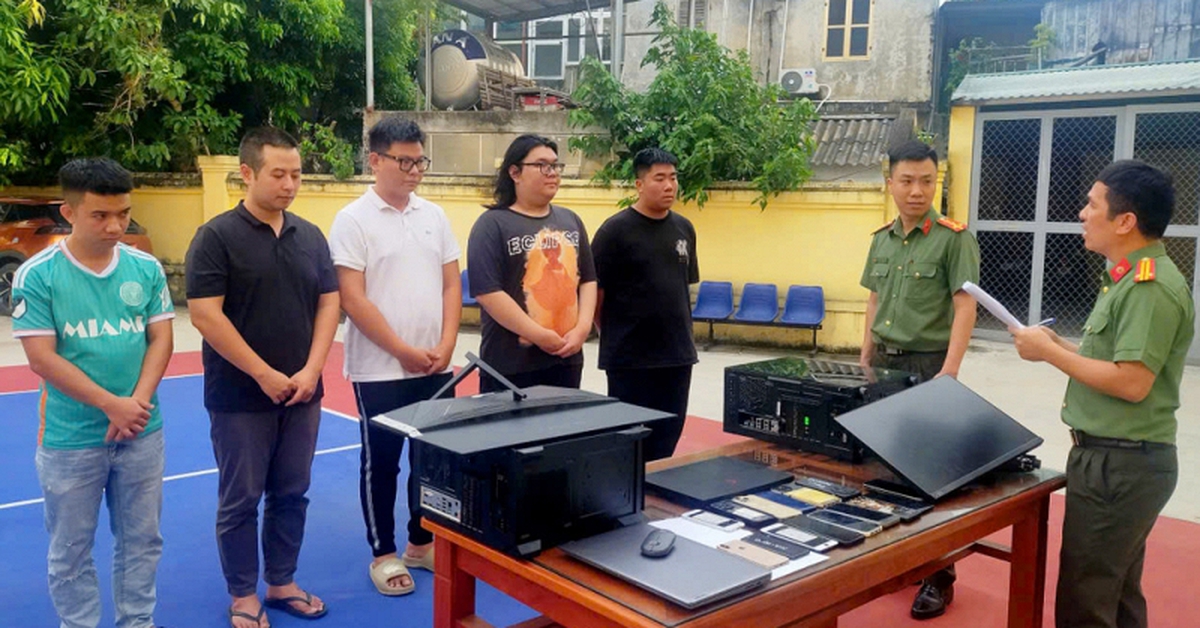
AI-Powered Biometric Spoofing Used to Steal Over 1,000 Bank Accounts in Vietnam
Nguyễn Tiến Đạt and accomplices used AI-enabled facial spoofing software to bypass banks' biometric authentication, illegally accessing and trading over 1,000 bank accounts. The group manipulated victims' phone cameras to defeat security systems, resulting in significant financial theft and criminal activity across multiple Vietnamese provinces.[AI generated]
AI principles:
Industries:
Affected stakeholders:
Harm types:
Severity:
Autonomy level:
AI system task:
Why's our monitor labelling this an incident or hazard?
The event involves the use of an AI-enabled software tool that manipulates biometric authentication processes, which is an AI system by definition. The criminal use of this AI system directly caused harm by enabling unauthorized access to bank accounts and facilitating illegal financial transactions, fulfilling the criteria for an AI Incident. The harm is materialized and significant, involving violations of property rights and financial theft. The involvement of AI in the development and use of the biometric spoofing software is central to the incident, not merely incidental or potential. Hence, the classification as AI Incident is appropriate.[AI generated]
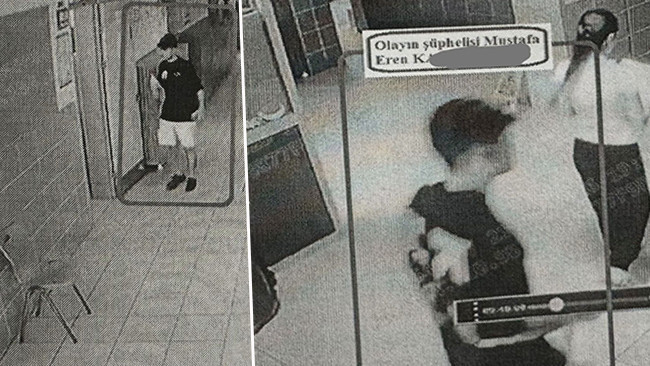
AI-Assisted Cheating Attempt in Istanbul University Entrance Exam Leads to Arrest
In Istanbul's Çekmeköy district, a university entrance exam candidate smuggled a phone into the test and used an AI application (ChatGPT) to attempt cheating by photographing and submitting questions for answers. The individual was caught, confessed, and was subsequently arrested and jailed for violating exam regulations.[AI generated]
AI principles:
Industries:
Affected stakeholders:
Harm types:
Severity:
Autonomy level:
AI system task:
Why's our monitor labelling this an incident or hazard?
The event explicitly involves the use of an AI system (an AI application solving exam questions from photos) during the exam, which is a misuse of AI leading to a legal violation. This misuse caused harm by undermining the integrity of the exam process, which is a breach of legal obligations. Therefore, this qualifies as an AI Incident because the AI system's use directly led to a violation of applicable law and harm to the examination system's fairness.[AI generated]

South Korea Plans Large-Scale Deployment of AI-Enabled Suicide Drones and Drone Warriors
South Korea's Defense Ministry announced plans to rapidly expand its military drone capabilities, including the deployment of AI-enabled suicide drones (K-LUCAS), AI-powered drone swarms, and the training of 500,000 'drone warriors.' These autonomous systems are intended to counter North Korean threats, raising concerns about future AI-driven military harm.[AI generated]
AI principles:
Industries:
Affected stakeholders:
Harm types:
Severity:
Business function:
Autonomy level:
AI system task:
Why's our monitor labelling this an incident or hazard?
The article involves AI systems in the form of military drones, which typically rely on AI for navigation, targeting, and operational autonomy. The event concerns the development and planned use of these AI-enabled systems, which could plausibly lead to harm in the future (e.g., in combat scenarios). Since no actual harm or incident has occurred yet, and the article is about planned expansion and training, this constitutes an AI Hazard rather than an AI Incident. It is not merely complementary information because the focus is on the potential for harm through the deployment of AI-enabled drones, not on responses or updates to past incidents.[AI generated]

Malaysia Seizes $13M in Smuggled AI Chips at Kuala Lumpur Airport
Malaysian customs authorities intercepted 72 servers containing advanced AI chips worth $13 million at Kuala Lumpur International Airport. The shipment, falsely declared as computer components, was intended for re-export to another Asian country, violating export controls and trade laws designed to prevent unauthorized AI technology transfer.[AI generated]
Severity:
Why's our monitor labelling this an incident or hazard?
The event explicitly involves advanced AI chips, which are AI system components, and their illicit movement is being prevented by customs authorities. The chips' smuggling attempt is linked to circumventing export controls designed to prevent unauthorized AI technology transfer, which could plausibly lead to harms such as enabling unauthorized AI development or military applications. Since no actual harm has occurred yet and the event is about interception and investigation, it fits the definition of an AI Hazard. There is no indication of realized harm or incident resulting from the AI system's malfunction or misuse at this stage, so it is not an AI Incident. The event is more than general AI-related news, as it concerns a specific event with potential for harm, so it is not Complementary Information or Unrelated.[AI generated]
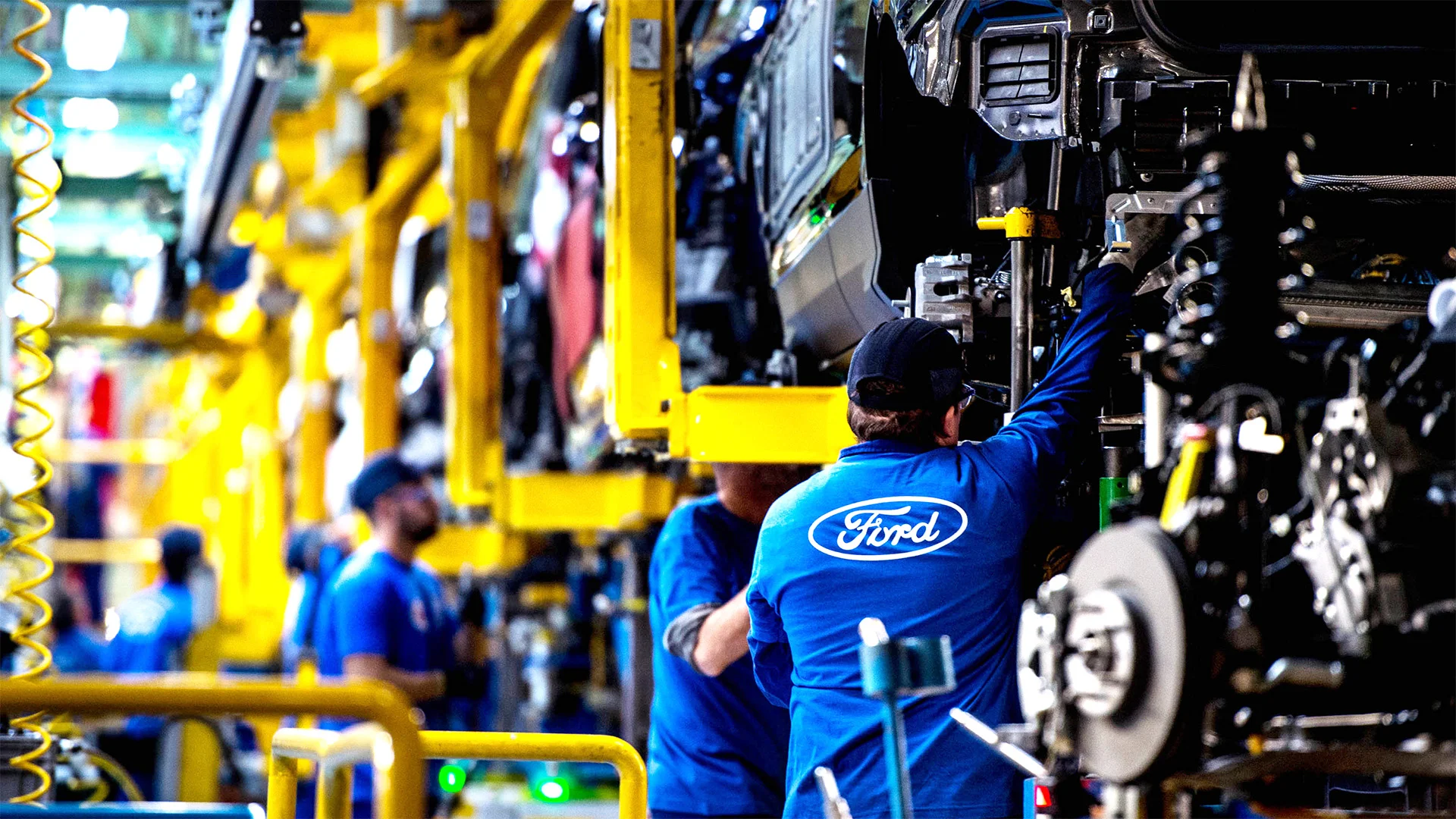
Ford Rehires Veteran Engineers After AI Quality Control Failures Lead to Recalls and Safety Issues
Ford Motor Company replaced experienced engineers with AI-driven quality control and diagnostic systems, resulting in significant quality issues, 94 recalls, and safety incidents. The company rehired 350 veteran engineers to retrain staff and reprogram AI tools, highlighting the AI systems' failure to match human expertise and prevent harm.[AI generated]
AI principles:
Industries:
Affected stakeholders:
Harm types:
Severity:
Business function:
AI system task:
Why's our monitor labelling this an incident or hazard?
The article explicitly mentions that AI and automation mistakes undermined vehicle quality, leading Ford to hire more humans to correct these errors. This shows the AI system's use directly contributed to harm (quality defects) that affected the vehicles, which is harm to property and consumers. Therefore, this qualifies as an AI Incident due to the realized harm caused by the AI system's malfunction or misapplication in production processes.[AI generated]

US Lawmakers Demand SEC Oversight of AI Trading Agents
A group of US House Democrats has sent a letter to SEC Chair Paul Atkins, urging the agency to clarify its regulatory approach to AI agents that autonomously trade stocks and cryptocurrencies for retail investors. Lawmakers cite potential risks to investor protection and market integrity if these AI systems remain inadequately regulated.[AI generated]
AI principles:
Industries:
Affected stakeholders:
Harm types:
Severity:
Business function:
Autonomy level:
AI system task:
Why's our monitor labelling this an incident or hazard?
The article explicitly mentions AI agent advisers making consequential investment decisions, indicating the presence of AI systems. The lawmakers' concerns about investor protection and market integrity imply potential risks of harm, but no actual harm or incident is reported. The focus is on regulatory oversight and the need for guardrails to prevent possible future harms. Hence, this qualifies as an AI Hazard, as the development and use of these AI trading agents could plausibly lead to incidents affecting investors and market stability if left unregulated.[AI generated]