


The event involves the development and intended use of an AI system for autonomous navigation and treatment in medical endoscopy. While the AI system is central to the project, the article does not report any actual harm, injury, or rights violations resulting from its use or malfunction. The AI system's involvement is prospective, aiming to improve medical outcomes. Given the potential risks inherent in autonomous medical devices, this qualifies as an AI Hazard, reflecting plausible future harm rather than an incident or complementary information.[AI generated]

AIM: AI Incidents and Hazards Monitor
Automated monitor of incidents and hazards from public sources (Beta).
AI-related legislation is gaining traction, and effective policymaking needs evidence, foresight and international cooperation. The OECD AI Incidents and Hazards Monitor (AIM) documents AI incidents and hazards to help policymakers, AI practitioners, and all stakeholders worldwide gain valuable insights into the risks and harms of AI systems. Over time, AIM will help to show risk patterns and establish a collective understanding of AI incidents and hazards and their multifaceted nature, serving as an important tool for trustworthy AI. AI incidents seem to be getting more media attention lately, but they've actually gone down as a share of all AI news (see chart below!).
The information displayed in the AIM should not be reported as representing the official views of the OECD or of its member countries.
Advanced Search Options
As percentage of total AI events
Show summary statistics of AI incidents & hazards
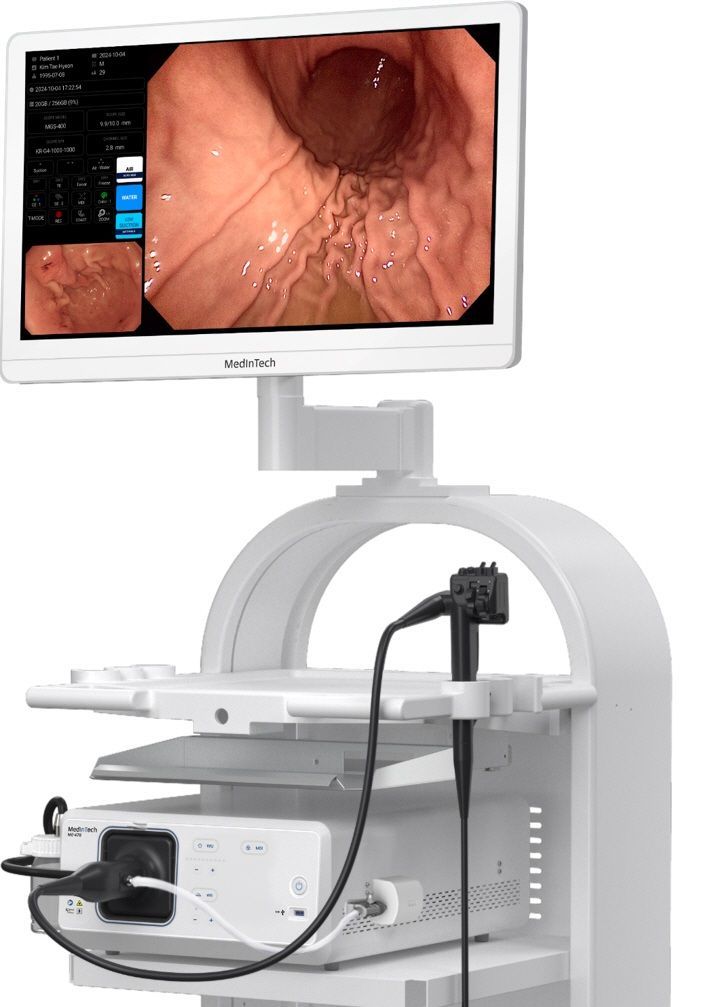
South Korea Launches AI-Powered Robotic Endoscope Development Project
A South Korean consortium led by Medintech, KERI, Seoul National University, and DGIST has begun a national project to develop an AI-based autonomous robotic endoscope. The initiative aims to automate navigation and precision treatment, challenging Japan's dominance in the global endoscope market. No harm or malfunction has been reported.[AI generated]
Industries:
Severity:
Autonomy level:
AI system task:
Why's our monitor labelling this an incident or hazard?

China Approves World's First Commercial Brain-Computer Interface Implant
China has approved NEO, the world's first commercially available brain-computer interface implant, developed by Neuracle Technology and Tsinghua University. Designed to help paralyzed patients regain movement, the AI-powered device raises concerns about potential cybersecurity, privacy, and safety risks, though no actual harm has been reported yet.[AI generated]
AI principles:
Industries:
Affected stakeholders:
Harm types:
Severity:
Business function:
Autonomy level:
AI system task:
Why's our monitor labelling this an incident or hazard?
The brain-computer chip qualifies as an AI system because it processes neural signals and converts them into digital commands, involving sophisticated AI-based interpretation. The article highlights the potential for hackers to access and manipulate neural data, which could plausibly lead to injury or harm to individuals (harm to health), as well as violations of privacy and cognitive autonomy (human rights). Since no actual harm has been reported yet, but the risks are credible and foreseeable, this event fits the definition of an AI Hazard rather than an AI Incident. The article also discusses broader societal and ethical implications, but the primary focus is on the plausible future harms from the technology's development and deployment.[AI generated]

AI-Generated Misinformation Causes Social Disruption and Legal Action in China
Multiple incidents in China involved individuals using AI to fabricate and spread false videos and information, leading to public misunderstanding, social disruption, and harm to enterprises. Authorities responded with legal penalties, account closures, and coordinated debunking efforts to curb AI-driven rumor proliferation and restore public order.[AI generated]
AI principles:
Industries:
Affected stakeholders:
Harm types:
Severity:
AI system task:
Why's our monitor labelling this an incident or hazard?
The event explicitly states that AI technology was used to maliciously alter a government emergency drill video to fabricate false narratives, leading to public misunderstanding and social disruption. This misuse of AI directly caused harm to communities by spreading misinformation and disturbing public order. The legal response and social impact confirm that harm has materialized. Therefore, this qualifies as an AI Incident due to the realized harm caused by AI misuse.[AI generated]
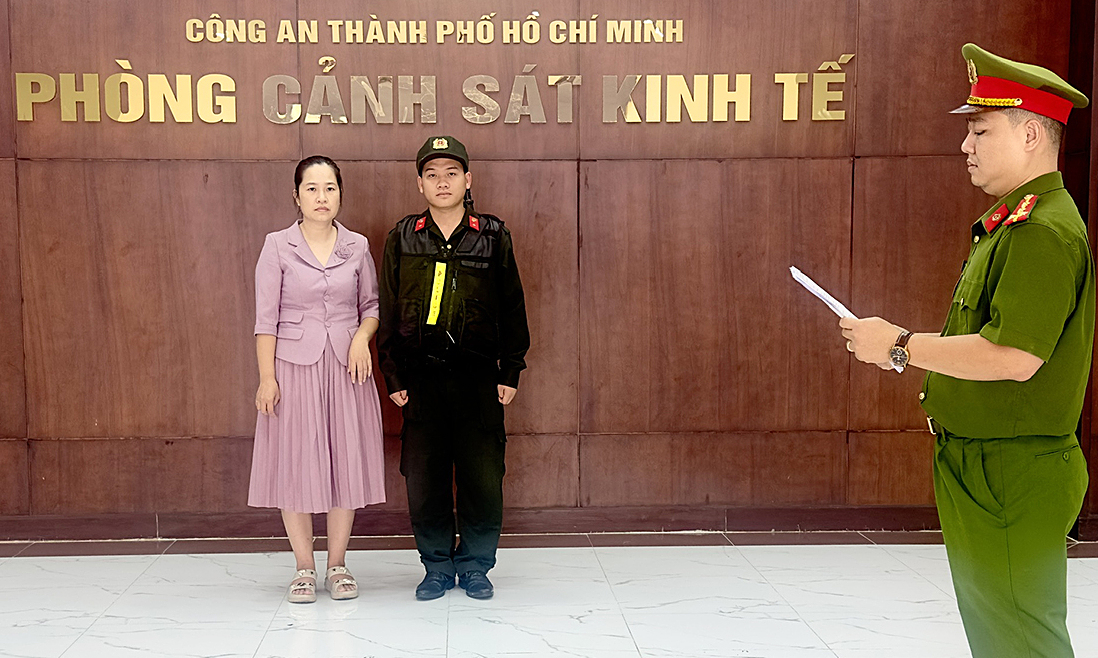
AI-Assisted Copyright Infringement in Vietnamese Fashion Industry
Hoàng Thị Bích Ngọc, owner of the 'Vải áo dài Đất Lành' brand in Ho Chi Minh City, was prosecuted for using AI tools to illegally copy and modify copyrighted áo dài designs by Đỗ Trịnh Hoài Nam. The AI-enabled infringement led to unauthorized commercial production and legal action for violating intellectual property rights.[AI generated]
AI principles:
Industries:
Affected stakeholders:
Harm types:
Severity:
Business function:
Autonomy level:
AI system task:
Why's our monitor labelling this an incident or hazard?
The article explicitly states that the accused used AI tools to copy and process design images protected by copyright, then directed staff to modify and produce these designs for commercial sale. This use of AI directly led to a breach of intellectual property rights, a recognized harm under the AI Incident definition. The harm is realized, not just potential, and the AI system's involvement is central to the incident. Hence, the event qualifies as an AI Incident.[AI generated]
Banks Implement AI, Leading to Job Cuts and Workforce Restructuring
Major banks are increasingly using AI-powered systems for recruitment and operational tasks, resulting in job cuts and workforce restructuring. Executives from institutions like JPMorgan Chase and Citigroup confirm that AI adoption is eliminating roles, raising concerns about labor rights and economic harm to workers, especially in the UK finance sector.[AI generated]
AI principles:
Industries:
Affected stakeholders:
Harm types:
Severity:
Business function:
AI system task:
Why's our monitor labelling this an incident or hazard?
The article clearly involves AI systems in use within banks, including AI-powered screening software and AI applications in customer service and monitoring. The main issue is the expected workforce reductions and job displacement as AI takes over certain roles. While these changes could lead to significant social and economic harm (e.g., loss of employment, discrimination risks), the article describes these as anticipated or ongoing trends rather than specific realized harms or incidents. Therefore, the event represents a plausible future harm scenario related to AI use, fitting the definition of an AI Hazard rather than an AI Incident. It is not merely complementary information because the focus is on the potential for harm (job losses) due to AI adoption, not just updates or responses to past incidents.[AI generated]

SoftBank CEO Predicts Superintelligent AI Within Two Years, Urges Governance
SoftBank CEO Masayoshi Son predicts superintelligent AI may emerge within two years, citing advances in AI systems capable of recursive self-improvement. OpenAI and Anthropic models now autonomously design and iterate new models. The rapid evolution outpaces regulatory frameworks, prompting urgent calls for improved global governance and risk management.[AI generated]
AI principles:
Industries:
Severity:
Autonomy level:
AI system task:
Why's our monitor labelling this an incident or hazard?
The article discusses a forecast and current technological trends indicating a plausible near-future emergence of superintelligent AI systems through recursive self-improvement. While no actual harm has yet occurred, the potential for significant impacts and risks is clearly articulated, and the lack of governance frameworks is noted as a pressing issue. Therefore, this event describes a credible AI Hazard, as the development and use of such advanced AI systems could plausibly lead to harms requiring urgent governance attention.[AI generated]

NVIDIA-Unitree Humanoid Robot Collaboration Sparks National Security Concerns in China
NVIDIA and China's Unitree partnered to launch the Isaac GR00T AI-powered humanoid robot, integrating Unitree's H2 Plus platform. The collaboration triggered widespread criticism in China, with concerns over potential technology and data leakage to the US, raising national security and technology dependence risks. No actual harm has occurred yet.[AI generated]
AI principles:
Industries:
Affected stakeholders:
Harm types:
Severity:
AI system task:
Why's our monitor labelling this an incident or hazard?
The event involves AI systems, specifically humanoid robots powered by NVIDIA's AI computing platform. The concerns raised relate to potential future risks of technology and data leakage, which could plausibly lead to harms such as national security risks. Since no actual harm or incident has been reported, and the main focus is on the potential risks and societal/governance reactions, this qualifies as an AI Hazard. It is not an AI Incident because no realized harm has occurred. It is not Complementary Information because the article's main focus is not on updates or responses to a past incident but on the current event and its implications. It is not Unrelated because AI systems are central to the event.[AI generated]

Niulinx Launches Autonomous Vehicle Testing on Public Roads in Lombardy
Niulinx, a startup spin-off from Politecnico di Milano, has received government authorization to test its AI-driven autonomous vehicles on public roads in Cernusco sul Naviglio and Brescia, Lombardy. The trials involve advanced sensor-equipped Fiat 500e cars, marking a potential AI hazard due to real-world deployment.[AI generated]
AI principles:
Industries:
Affected stakeholders:
Harm types:
Severity:
Business function:
Autonomy level:
AI system task:
Why's our monitor labelling this an incident or hazard?
The event involves an AI system (autonomous driving technology) being used in real-world conditions, which could plausibly lead to harm if malfunctions or failures occur. However, the article does not report any actual harm or incident resulting from the AI system's use. The presence of safety drivers and operational constraints indicates risk mitigation. Therefore, this event constitutes an AI Hazard, as the AI system's use could plausibly lead to an AI Incident in the future, but no harm has yet occurred.[AI generated]

AI-Powered Retinal Implant Restores Partial Vision in Blind Patient in China
A Chinese medical team at Xiangya Hospital successfully restored partial vision in a blind patient using the IMIE intelligent retinal system, an AI-powered brain-machine interface. The system processes visual data and stimulates retinal nerves, enabling the patient to recognize characters and navigate indoors. Clinical trials showed significant health improvement.[AI generated]
Industries:
Severity:
Business function:
AI system task:
Why's our monitor labelling this an incident or hazard?
The brain-machine interface system described is an AI system as it processes visual input using intelligent algorithms to generate neural stimulation outputs that restore vision. The successful clinical trial demonstrates the use of this AI system leading to direct health benefits and functional improvement for the patient, which constitutes injury or harm to health in a positive sense (restoration of function). Since the AI system's use has directly led to a significant health outcome, this qualifies as an AI Incident under the definition of an event where AI use has directly led to harm or benefit to health. Although the harm here is positive (restoration rather than injury), the framework includes injury or harm to health, and the event is a direct consequence of AI system use in a medical context. Therefore, this is classified as an AI Incident.[AI generated]

Xuxa Meneghel Sues Company Over Unauthorized Deepfake Use in Online Advertising
Brazilian presenter Xuxa Meneghel filed a lawsuit against Bagy Soluções de Comércio Digital after her image was manipulated with deepfake AI technology for an online ad campaign without consent. The deepfake falsely associated her with a promotional service, prompting legal action for damages and reputational harm.[AI generated]
AI principles:
Industries:
Affected stakeholders:
Harm types:
Severity:
Business function:
Autonomy level:
AI system task:
Why's our monitor labelling this an incident or hazard?
The event describes the use of deepfake technology (an AI system) to manipulate Xuxa's image in a promotional campaign without her consent, which is a violation of her rights. The harm is realized as it involves fraudulent use and misrepresentation, leading to legal proceedings. This fits the definition of an AI Incident because the AI system's use directly led to a violation of rights and harm to the individual.[AI generated]
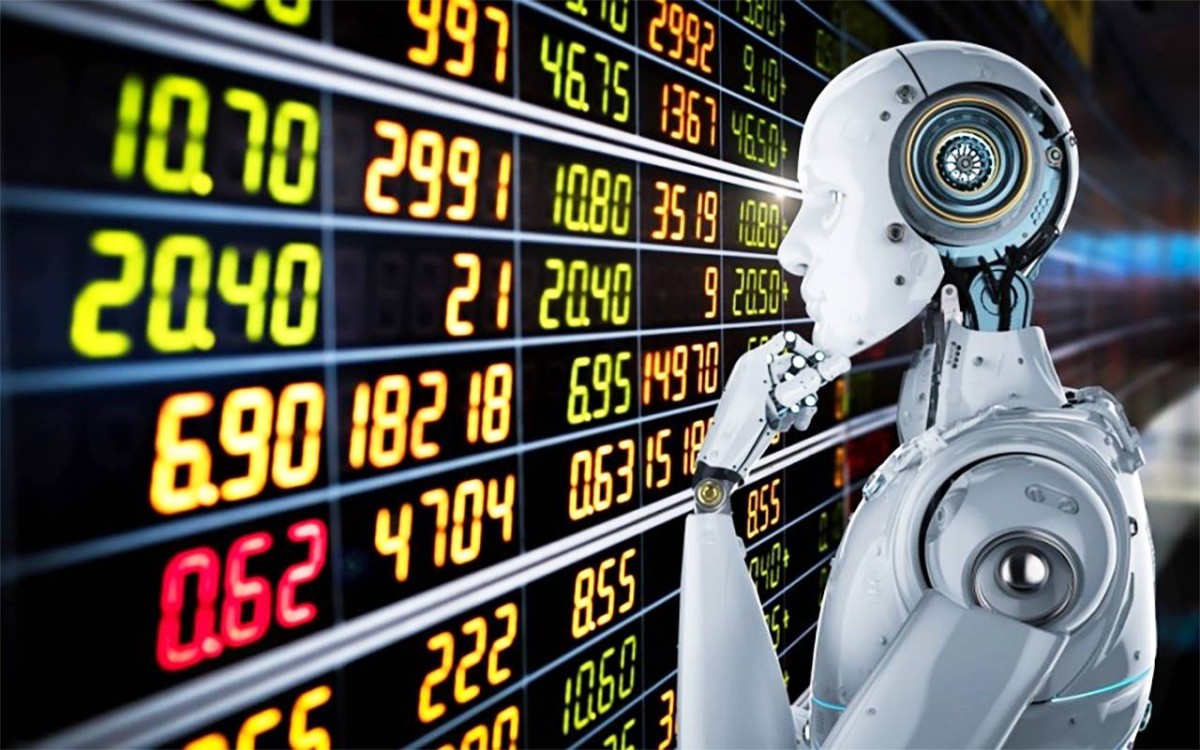
China Warns of Potential AI Investment Bubble
China's top securities regulator, Wu Qing, warned of the risks of speculative bubbles in the AI sector, urging fund managers to prioritize long-term, productive investments over short-term speculation. The warning highlights concerns that excessive investment in AI technologies could lead to financial instability in China.[AI generated]
Industries:
Affected stakeholders:
Harm types:
Severity:
Why's our monitor labelling this an incident or hazard?
The article involves AI in the context of investment and financial markets, with regulators warning about a potential bubble due to excessive speculation on AI technologies. While AI systems themselves are not directly causing harm, the speculative investment bubble could plausibly lead to significant economic harm in the future. This fits the definition of an AI Hazard, as it is a circumstance where AI-related developments could plausibly lead to harm, even though no direct harm or incident has yet occurred. The event is not Complementary Information because it is not an update or response to a past incident, nor is it unrelated since AI is central to the warning. It is not an AI Incident because no realized harm or incident caused by AI systems is described.[AI generated]

AI Uncovers Critical Zcash Vulnerability, Triggers Market Turmoil
Security researcher Taylor Hornby used Anthropic's Claude Opus 4.8 AI model to discover a critical counterfeiting bug in Zcash, undetected since 2022. The flaw, which could have enabled unlimited counterfeit coins, was quickly patched, but its disclosure caused ZEC's value to drop over 30%, highlighting AI's growing role in blockchain security.[AI generated]
Industries:
Affected stakeholders:
Harm types:
Severity:
Business function:
Autonomy level:
AI system task:
Why's our monitor labelling this an incident or hazard?
The event explicitly involves an AI system (Anthropic's Claude Opus 4.8) used in security auditing, which discovered a critical bug in Zcash that could have led to counterfeiting, a form of harm to property and communities relying on the cryptocurrency. The bug's discovery led to an emergency patch, mitigating the harm. The AI system's role was pivotal in identifying a flaw that human reviewers missed for years, indicating direct involvement in preventing further harm. The planned use of AI auditing on Monero and the resulting market impact further underline the AI system's influence. Therefore, this event meets the criteria for an AI Incident as the AI system's use directly led to the identification and mitigation of a significant security vulnerability causing or potentially causing harm.[AI generated]
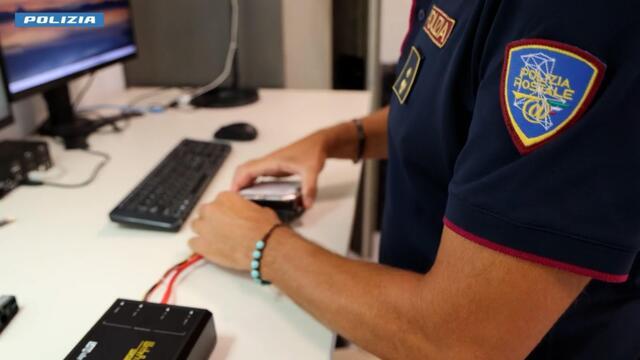
AI-Generated Nude Images of Women Distributed on Telegram in Novara
A 40-year-old man in Novara, Italy, used AI tools to manipulate social media photos of women, creating non-consensual explicit images. These were distributed via Telegram channels, leading to police investigations, searches, and multiple arrests. The incident caused significant harm to victims' privacy and dignity.[AI generated]
AI principles:
Industries:
Affected stakeholders:
Harm types:
Severity:
Autonomy level:
AI system task:
Why's our monitor labelling this an incident or hazard?
The event explicitly mentions the use of AI to modify images to create non-consensual sexually explicit content, which constitutes a violation of human rights and personal dignity. The distribution of these AI-manipulated images on a messaging platform caused direct harm to the victims. Therefore, this qualifies as an AI Incident because the AI system's use directly led to harm (violation of rights and personal harm).[AI generated]

Chungnam Province Deploys AI Systems for Disaster and Safety Management
Chungnam Province, South Korea, is deploying on-device AI systems—including flood detection sensors, CCTV, and AI patrol robots—to enhance disaster response and public safety in Cheonan. These AI technologies aim to detect floods, block vehicle access during emergencies, and monitor abnormal behavior, directly preventing harm and improving response times.[AI generated]
Industries:
Severity:
Autonomy level:
AI system task:
Why's our monitor labelling this an incident or hazard?
The article details the use of AI systems (on-device AI sensors, CCTV with AI, and AI robotic dogs) to detect and respond to flood risks and public safety threats. The AI systems are actively used to monitor and manage safety risks, which could directly prevent injury or harm. Since no harm has occurred yet and the AI systems are being deployed to mitigate risks, this qualifies as an AI Hazard, as the AI use could plausibly lead to preventing incidents but does not describe any realized harm or malfunction causing harm. The event is not merely general AI news or a response to a past incident, so it is not Complementary Information. It is not unrelated because AI systems are central to the described safety applications.[AI generated]

AI-Generated Image Falsely Links Shakira to Colombian Political Campaign
An AI-generated image falsely depicting Shakira endorsing Colombian presidential candidate Iván Cepeda and his running mate Aída Quilcué circulated on social media. Shakira publicly denied any political support and condemned the unauthorized use of her image, leading to the removal of the manipulated content. The incident highlights AI-driven misinformation risks.[AI generated]
AI principles:
Industries:
Affected stakeholders:
Harm types:
Severity:
Autonomy level:
AI system task:
Why's our monitor labelling this an incident or hazard?
An AI system was used to generate an image falsely depicting Shakira endorsing a political candidate, which she explicitly denied. This misuse of AI-generated content can cause harm to the individual's reputation and mislead the public, constituting harm to communities through misinformation. Since the AI-generated image has already circulated and caused a public reaction, this is a realized harm linked directly to the AI system's use, qualifying as an AI Incident.[AI generated]
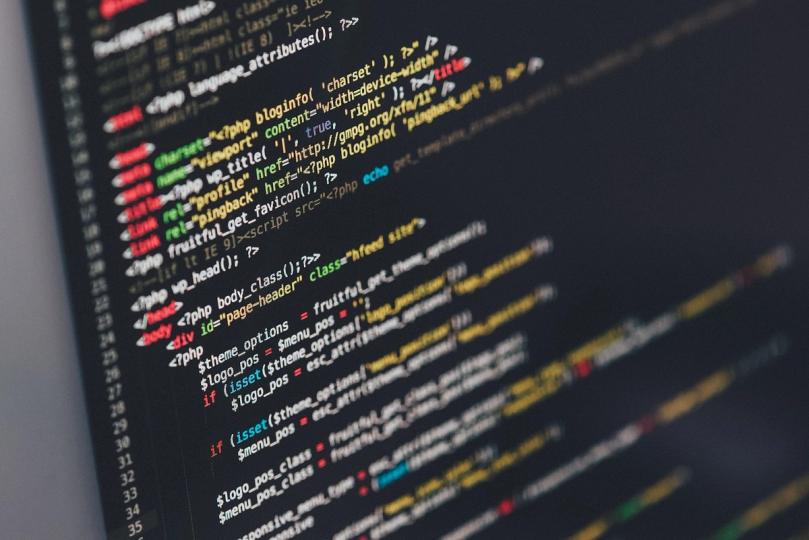
AI Uncovers Critical Zcash Vulnerability, Triggers Crypto Market Crash
Anthropic's Opus 4.8 AI model discovered a four-year-old vulnerability in Zcash that could have enabled unlimited counterfeit tokens. The disclosure led to a nearly 38% drop in Zcash's value, raising concerns about AI's growing role in exposing hidden flaws in financial and crypto systems.[AI generated]
Industries:
Affected stakeholders:
Harm types:
Severity:
Business function:
AI system task:
Why's our monitor labelling this an incident or hazard?
The event involves an AI system (Anthropic's Opus 4.8 model) used to discover a critical bug in Zcash's software, which if left unremedied, could have led to significant financial harm (counterfeiting tokens). The harm to property and financial assets is direct and materialized, as evidenced by the panic and token price drop. Additionally, the article discusses the plausible extension of this risk to other cryptocurrencies and banking software, indicating ongoing and systemic risk. The AI's role in both uncovering vulnerabilities and the potential for malicious exploitation or failure to prevent such exploits links it directly to harm. Hence, this is an AI Incident rather than a mere hazard or complementary information.[AI generated]

AI-Driven Messaging Scams Cause Major Financial Losses in Portugal
In Portugal, organized cybercriminals are increasingly using AI to craft convincing scams on messaging apps like WhatsApp, Facebook, and SMS. These AI-powered attacks, which impersonate trusted contacts and brands, have led to rapid and significant financial losses, averaging over 800 euros per victim—above the global average.[AI generated]
AI principles:
Industries:
Affected stakeholders:
Harm types:
Severity:
Autonomy level:
AI system task:
Why's our monitor labelling this an incident or hazard?
The event involves AI systems used by organized crime to create highly convincing fraudulent messages that have caused direct financial losses and psychological harm to victims in Portugal. The article explicitly mentions the use of AI-generated content and deepfakes as tools in these scams, which have resulted in realized harm (financial losses, emotional distress). This meets the criteria for an AI Incident because the AI system's use has directly led to harm to persons and communities. The harm is not potential but has already occurred, and the AI's role is pivotal in enabling the sophistication and effectiveness of the scams.[AI generated]
.jpeg)
Romanian Naval Officer Severely Injured by Shield AI V-BAT Drone During US Military Exercise
A Romanian naval officer suffered partial amputation and fractures to her fingers after her hand was caught in the propeller of a Shield AI V-BAT drone during a training exercise off the Texas coast. The incident highlights ongoing safety concerns and alleged concealment of defects by Shield AI.[AI generated]
AI principles:
Industries:
Affected stakeholders:
Harm types:
Severity:
AI system task:
Why's our monitor labelling this an incident or hazard?
The military drone V-BAT is an AI system as it involves autonomous or semi-autonomous operation. The injury to the officer's hand, including loss and fracture of fingers, is a direct physical harm caused during the use of this AI system. Therefore, this event qualifies as an AI Incident because the AI system's use directly led to injury to a person, fulfilling the criteria for harm under the AI Incident definition.[AI generated]

Meta Secretly Embeds Facial Recognition in Smart Glasses App, Raising Privacy Concerns
Meta has covertly integrated facial recognition AI code, known as 'NameTag', into its Meta View app for Ray-Ban and Oakley smart glasses, now present on millions of devices. Although not yet activated, the system could identify individuals in real time, raising significant privacy and human rights concerns.[AI generated]
AI principles:
Industries:
Affected stakeholders:
Harm types:
Severity:
Autonomy level:
AI system task:
Why's our monitor labelling this an incident or hazard?
An AI system (facial recognition technology) is involved, integrated into a widely used application. Although the facial recognition feature is not yet active, its presence in a large-scale app implies a plausible risk of future harm, such as violations of privacy and human rights. Since no actual harm has occurred yet but there is credible concern about potential misuse and privacy violations, this qualifies as an AI Hazard rather than an Incident or Complementary Information.[AI generated]
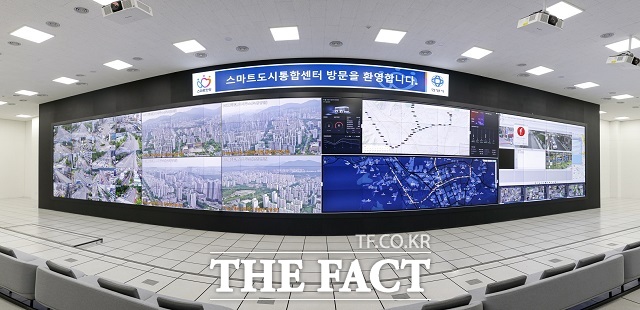
Anyang City Deploys AI and Drones for Real-Time Disaster Prevention
Anyang City, South Korea, has launched an AI-driven disaster response system using AI video analysis and autonomous drones to monitor flood-prone and heat-vulnerable areas. The system enables real-time detection, alerts, and rapid emergency response, aiming to prevent harm to citizens during summer natural disasters.[AI generated]
Industries:
Severity:
Business function:
Autonomy level:
AI system task:
Why's our monitor labelling this an incident or hazard?
The event involves the use of AI systems for real-time monitoring, detection, and response to natural disasters, which directly aims to prevent injury or harm to people (harm category a) and harm to communities (d). Although no harm has yet occurred, the AI system's role is pivotal in preventing such harm. Therefore, this event represents an AI Hazard, as the AI system's use could plausibly lead to the prevention of harm from natural disasters. It is not an incident because no harm has occurred, nor is it merely complementary information or unrelated news.[AI generated]