


The Android Earthquake Alerts System qualifies as an AI system because it processes sensor data from millions of devices, aggregates and analyzes it in real-time to detect earthquakes, and issues warnings automatically. The system's use has directly led to harm prevention by providing early warnings seconds before earthquakes strike, which can reduce injury or harm to people. Since the system is actively deployed and has sent alerts that help mitigate harm, this event constitutes an AI Incident under the definition of an event where AI use has directly led to harm prevention (a form of injury or harm mitigation).[AI generated]

AIM: AI Incidents and Hazards Monitor
Automated monitor of incidents and hazards from public sources (Beta).
AI-related legislation is gaining traction, and effective policymaking needs evidence, foresight and international cooperation. The OECD AI Incidents and Hazards Monitor (AIM) documents AI incidents and hazards to help policymakers, AI practitioners, and all stakeholders worldwide gain valuable insights into the risks and harms of AI systems. Over time, AIM will help to show risk patterns and establish a collective understanding of AI incidents and hazards and their multifaceted nature, serving as an important tool for trustworthy AI. AI incidents seem to be getting more media attention lately, but they've actually gone down as a share of all AI news (see chart below!).
The information displayed in the AIM should not be reported as representing the official views of the OECD or of its member countries.
Advanced Search Options
As percentage of total AI events
Show summary statistics of AI incidents & hazards

Google's Android AI System Issues Early Earthquake Alerts in Venezuela
Google's Android Earthquake Alert System used AI algorithms to analyze accelerometer data from millions of smartphones, providing Venezuelans with early warnings seconds before two powerful earthquakes struck. The alerts enabled people to take protective actions, demonstrating AI's role in mitigating harm during natural disasters.[AI generated]
Industries:
Severity:
Business function:
Autonomy level:
AI system task:
Why's our monitor labelling this an incident or hazard?

US Assures India of Continued Access to Advanced AI Technologies Amid Export Control Concerns
US and Indian officials held high-level talks to ensure India’s continued access to advanced AI models, such as those from Anthropic, following US export restrictions. The discussions focused on preventing abrupt technology cutoffs that could disrupt India’s digital infrastructure and public services, highlighting potential future risks but no current harm.[AI generated]
AI principles:
Industries:
Affected stakeholders:
Harm types:
Severity:
Business function:
AI system task:
Why's our monitor labelling this an incident or hazard?
The event involves AI systems (Anthropic's AI models) and concerns their use and access. However, the article does not report any realized harm or incident caused by these AI systems. Instead, it focuses on the potential risk of sudden access disruptions and the efforts to create a stable framework to prevent such issues. This aligns with the definition of an AI Hazard, where the development, use, or malfunction of AI systems could plausibly lead to harm (e.g., disruption of critical infrastructure) but no harm has yet occurred. Therefore, the event is best classified as an AI Hazard.[AI generated]

Anduril Plans to Acquire Nissan Factory in Japan for AI-Enabled Military Drone Production
US defense tech firm Anduril is negotiating to acquire Nissan's Oppama factory near Tokyo to convert it into a production base for AI-enabled military drones. The move, driven by regional security concerns, raises societal debate in Japan over foreign-led defense manufacturing and the risks of autonomous weapon systems.[AI generated]
AI principles:
Industries:
Affected stakeholders:
Harm types:
Severity:
Business function:
Autonomy level:
AI system task:
Why's our monitor labelling this an incident or hazard?
The event involves the development and intended use of AI systems—specifically autonomous military drones—by Anduril. Although no direct harm has occurred yet, the transformation of a civilian factory into a military drone production facility implies a credible risk of future AI-related harms, including injury or escalation of conflict. The article does not describe any realized harm or incident but highlights a significant potential for harm given the nature of the AI systems involved and the geopolitical context. Hence, it fits the definition of an AI Hazard rather than an AI Incident or Complementary Information.[AI generated]

US Proposes Dropping Brake Pedal Requirement for Fully Autonomous Vehicles
US regulators have proposed removing the brake pedal requirement for vehicles designed to operate solely with automated driving systems. This regulatory change would ease deployment for companies like Tesla, Waymo, and Zoox, enabling fully autonomous vehicles without manual controls, but raises potential future safety concerns related to AI-driven vehicles.[AI generated]
AI principles:
Industries:
Affected stakeholders:
Harm types:
Severity:
Autonomy level:
AI system task:
Why's our monitor labelling this an incident or hazard?
The event centers on a regulatory change proposal that would enable the deployment of fully autonomous vehicles without traditional driver controls, which inherently rely on AI systems for operation. Although no harm has yet occurred, the removal of physical controls raises plausible safety risks, as noted by safety advocates and experts. The article does not report any actual incidents or harms caused by AI systems but discusses the potential for future harm if these vehicles are deployed without adequate safety standards. Hence, the event fits the definition of an AI Hazard, as it plausibly could lead to AI Incidents involving injury or harm to persons if the autonomous systems malfunction or fail to perform safely.[AI generated]
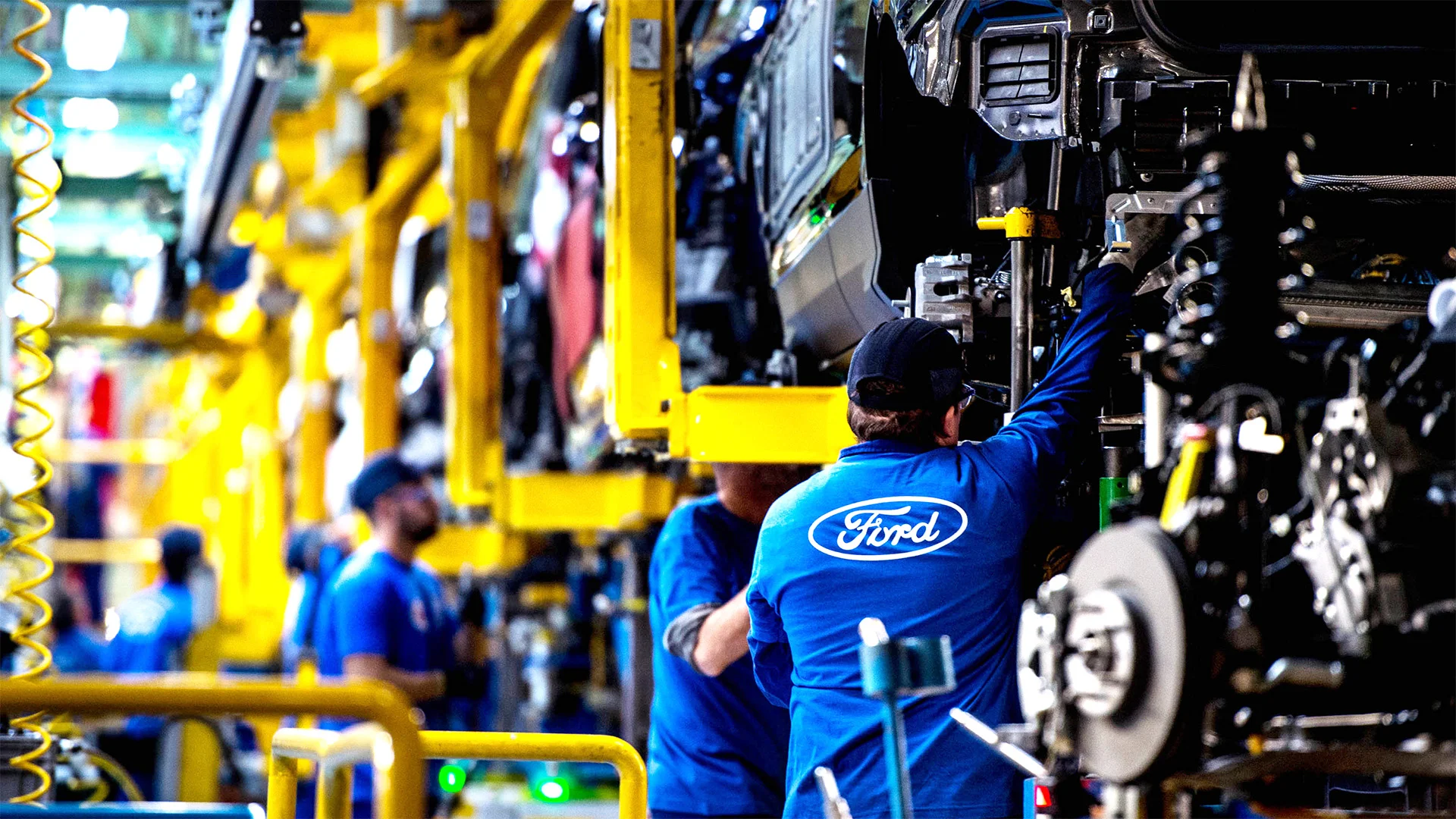
Ford Rehires Veteran Engineers After AI Quality Control Failures Lead to Recalls and Safety Issues
Ford Motor Company replaced experienced engineers with AI-driven quality control and diagnostic systems, resulting in significant quality issues, 94 recalls, and safety incidents. The company rehired 350 veteran engineers to retrain staff and reprogram AI tools, highlighting the AI systems' failure to match human expertise and prevent harm.[AI generated]
AI principles:
Industries:
Affected stakeholders:
Harm types:
Severity:
Business function:
AI system task:
Why's our monitor labelling this an incident or hazard?
The article explicitly mentions that AI and automation mistakes undermined vehicle quality, leading Ford to hire more humans to correct these errors. This shows the AI system's use directly contributed to harm (quality defects) that affected the vehicles, which is harm to property and consumers. Therefore, this qualifies as an AI Incident due to the realized harm caused by the AI system's malfunction or misapplication in production processes.[AI generated]

US Lawmakers Demand SEC Oversight of AI Trading Agents
A group of US House Democrats has sent a letter to SEC Chair Paul Atkins, urging the agency to clarify its regulatory approach to AI agents that autonomously trade stocks and cryptocurrencies for retail investors. Lawmakers cite potential risks to investor protection and market integrity if these AI systems remain inadequately regulated.[AI generated]
AI principles:
Industries:
Affected stakeholders:
Harm types:
Severity:
Business function:
Autonomy level:
AI system task:
Why's our monitor labelling this an incident or hazard?
The article explicitly mentions AI agent advisers making consequential investment decisions, indicating the presence of AI systems. The lawmakers' concerns about investor protection and market integrity imply potential risks of harm, but no actual harm or incident is reported. The focus is on regulatory oversight and the need for guardrails to prevent possible future harms. Hence, this qualifies as an AI Hazard, as the development and use of these AI trading agents could plausibly lead to incidents affecting investors and market stability if left unregulated.[AI generated]

CaoCao and May Mobility Partner to Launch Robotaxi Pilots in Europe
Chinese ride-hailing firm CaoCao and US autonomous vehicle company May Mobility have formed a partnership to deploy AI-powered robotaxis in Europe. CaoCao will operate the fleets, while May Mobility provides the autonomous driving technology. The initiative involves pilot programs and aims for large-scale deployment, raising potential future AI-related risks.[AI generated]
AI principles:
Industries:
Affected stakeholders:
Harm types:
Severity:
Business function:
AI system task:
Why's our monitor labelling this an incident or hazard?
The article explicitly involves AI systems (autonomous driving technology) and discusses their planned deployment in new markets. While no harm or incident is reported, the deployment of autonomous vehicles at scale inherently carries plausible risks of harm (e.g., accidents, operational failures). The event is about strategic partnership and pilot programs, indicating potential future hazards rather than realized harm or governance responses. Hence, it fits the definition of an AI Hazard rather than an AI Incident or Complementary Information.[AI generated]

AI-Driven Cyberattacks Overwhelm Enterprises, Prompting Launch of Rex Incident Response Platform
AI systems are accelerating cyberattacks, enabling threat actors to exploit vulnerabilities at unprecedented speed and scale, causing continuous business disruption. In response, BreachRx launched the Rex Platform, an AI-powered incident command center, to help organizations manage and respond to these escalating AI-driven cyber incidents. The event centers on the U.S.[AI generated]
AI principles:
Industries:
Affected stakeholders:
Harm types:
Severity:
Autonomy level:
AI system task:
Why's our monitor labelling this an incident or hazard?
The article explicitly states that AI-driven cyberattacks are occurring at scale, causing continuous business disruption and multiple concurrent breaches, which constitute harm to property, business operations, and communities. The Rex Platform is an AI system designed to manage these incidents. Since the harms are already occurring due to AI-accelerated cyberattacks, this qualifies as an AI Incident. The event is not merely a potential future risk (hazard) nor a complementary information update about a past incident, but a description of an ongoing harm caused by AI systems (offensive AI attacks).[AI generated]

Court Sentences Student for AI-Based Blackmail, Calls for Urgent Regulation
A court in Damanhour, Egypt sentenced a student to one year in prison (suspended) for blackmailing his relative by using AI to create fake content that harmed her dignity and privacy. The court emphasized the need for urgent legislation to regulate AI misuse and protect individuals' rights.[AI generated]
AI principles:
Industries:
Affected stakeholders:
Harm types:
Severity:
AI system task:
Why's our monitor labelling this an incident or hazard?
The event explicitly involves the use of AI to create fabricated images used for blackmail, directly causing harm to the victim's dignity and privacy, which are violations of human rights. The court's ruling and call for legislation highlight the harm caused by the AI system's misuse. Therefore, this qualifies as an AI Incident because the AI system's use directly led to harm.[AI generated]
Meta Replaces Human Content Moderators with AI, Raising Rights Concerns
Meta has replaced about 50% of human content moderation on Facebook and Instagram with AI systems, aiming to exceed 90% automation by late 2026. While AI improves efficiency and cost savings, watchdogs and experts warn of ongoing harms, including biased enforcement and potential violations of user rights and freedom of expression.[AI generated]
AI principles:
Industries:
Affected stakeholders:
Harm types:
Severity:
Business function:
Autonomy level:
AI system task:
Why's our monitor labelling this an incident or hazard?
The article explicitly involves AI systems used for content moderation, which is an AI system by definition. The AI is currently in use and has replaced some human moderation, but the harms discussed (over-enforcement, under-enforcement, bias) are potential risks rather than realized harms. The Oversight Board's concerns about systematic errors affecting millions of decisions indicate plausible future harm. Since no actual harm or violation has been documented yet, this is not an AI Incident. The article is not merely complementary information because it focuses on the risks and implications of the AI deployment rather than just updates or responses. Hence, the classification as AI Hazard is appropriate.[AI generated]
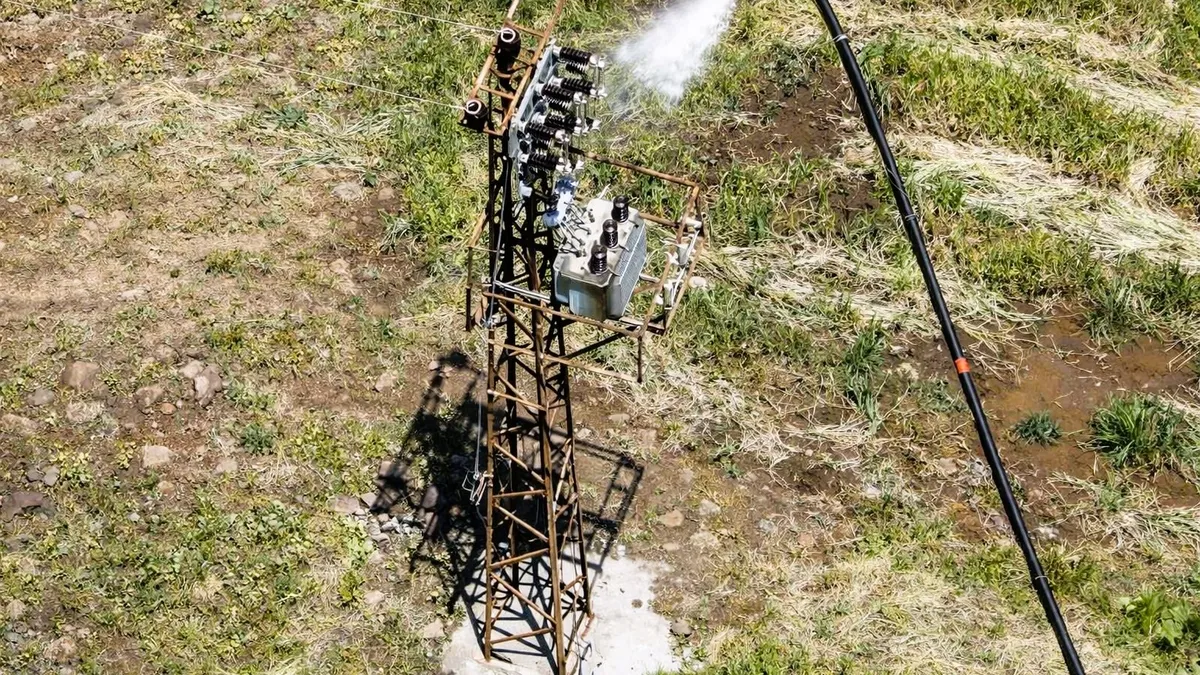
AI Drones Uncover Massive Illegal Electricity Use in Şanlıurfa
In Şanlıurfa's Viranşehir district, Dicle Elektrik used AI-supported drones to detect 62 illegal transformers supplying enough power for 5,500 homes. The unauthorized transformers posed risks to the energy grid and public safety. Legal action was initiated to confiscate the equipment, highlighting AI's role in addressing energy theft and associated harms.[AI generated]
Industries:
Severity:
Business function:
Autonomy level:
AI system task:
Why's our monitor labelling this an incident or hazard?
The article explicitly mentions the use of AI-supported drones for inspection and analysis to detect illegal transformers used for unauthorized electricity consumption. The illegal transformers cause harm by overloading the energy grid, reducing energy quality, causing power outages, and posing safety risks including potential fires and fatal accidents. These constitute realized harms to property, communities, and health. Since the AI system's use is directly connected to identifying and addressing these harms, this event meets the criteria for an AI Incident rather than a hazard or complementary information.[AI generated]

Chinese Premier Warns of AI Risks, Urges Global Regulation
At the Summer Davos in Dalian, Chinese Premier Li Qiang warned that rapid advances in artificial intelligence could lead to humanity "losing control" if governments delay regulation. He highlighted risks such as labor disruption, security threats, and ethical lapses, urging swift global governance to prevent severe consequences.[AI generated]
AI principles:
Industries:
Affected stakeholders:
Harm types:
Severity:
Why's our monitor labelling this an incident or hazard?
The article discusses potential future harms from AI technologies and the need for regulation to avoid losing control, which fits the definition of an AI Hazard. There is no mention of an actual AI Incident causing realized harm, nor is the article primarily about responses or updates to past incidents, so it is not Complementary Information. It is not unrelated since it concerns AI risks and governance. Therefore, the event is best classified as an AI Hazard due to the credible risk of future harm from AI development and use if unregulated.[AI generated]
Taipei Metro AI Customer Service Misused for Threats, User Sentenced
A man repeatedly used Taipei Metro's AI customer service system to send threatening messages, including threats of violence. Authorities investigated, leading to his arrest and a six-month prison sentence for public intimidation. This marks Taiwan's first conviction for misuse of an AI customer service platform to spread threats.[AI generated]
AI principles:
Industries:
Affected stakeholders:
Harm types:
Severity:
Business function:
Autonomy level:
AI system task:
Why's our monitor labelling this an incident or hazard?
The AI system (Taipei Metro's AI smart customer service) was explicitly involved as the medium through which the threatening messages were sent. The threats caused harm by intending to induce public fear, which is a violation of law and public safety. The legal prosecution and sentencing confirm that harm occurred due to the use of the AI system. Hence, this is an AI Incident as the AI system's use directly led to harm (violation of public safety and legal harm).[AI generated]

AI-Generated Deepfake Causes Harm to Actress, Prompts Legal Reform Calls in Bavaria
Munich actress Teresa Rizos was psychologically harmed after discovering an AI-generated deepfake of her face on a pornographic image. Bavarian Justice Minister Georg Eisenreich called for tougher penalties for creators of sexualized deepfakes, highlighting their severe emotional and reputational impact, especially on women and girls.[AI generated]
AI principles:
Industries:
Affected stakeholders:
Harm types:
Severity:
Autonomy level:
AI system task:
Why's our monitor labelling this an incident or hazard?
The event involves the use of an AI system (deepfake technology) to create and distribute harmful content that directly caused psychological and reputational harm to the victim, fulfilling the criteria of an AI Incident. The harm includes violation of personal rights and emotional injury, which aligns with the definition of harm to persons and violation of rights. The article details the actual occurrence of harm, not just potential risk, and thus it is classified as an AI Incident rather than a hazard or complementary information.[AI generated]

Santander Plans Early Retirement Amid AI-Driven Workforce Reductions in Spain
Santander Spain is negotiating with unions to offer early retirement to up to 3,000 employees as the bank expands its use of AI to automate operations and reduce administrative staff. The move reflects broader industry trends of workforce reduction linked to AI adoption, with discussions ongoing and no final decisions yet made.[AI generated]
AI principles:
Industries:
Affected stakeholders:
Harm types:
Severity:
Business function:
AI system task:
Why's our monitor labelling this an incident or hazard?
The event involves AI as a factor influencing organizational decisions about workforce reductions, but no direct or indirect harm caused by AI systems is reported. The AI's role is in the anticipated optimization leading to potential job losses, which is a plausible future harm scenario. However, since no harm has yet occurred and the article focuses on plans and negotiations rather than an actual incident, this fits the definition of an AI Hazard rather than an AI Incident. It is not Complementary Information because the article is not updating or responding to a past AI Incident or Hazard, but rather reporting on a developing situation with potential future harm.[AI generated]

Medical AI Models Expose Privacy Risks for Vulnerable Patients
A study led by the Technical University of Munich and Imperial College London found that medical AI models trained on sensitive patient data can expose individuals, especially those with rare diseases or from minority groups, to privacy breaches. Membership inference attacks can reveal whether specific patient data was used in training, compromising privacy.[AI generated]
AI principles:
Industries:
Affected stakeholders:
Harm types:
Severity:
Business function:
AI system task:
Why's our monitor labelling this an incident or hazard?
The event involves AI systems explicitly used in medical data analysis and training. The study documents actual privacy breaches where AI models can reveal whether specific individuals' data were used in training, leading to exposure of sensitive medical information. This constitutes a violation of privacy rights and potentially other legal protections, fulfilling the criteria for harm under human rights and legal obligations. The harm is realized, not just potential, as the study shows successful attacks. Hence, it is an AI Incident rather than a hazard or complementary information.[AI generated]

Tax Advisors Warn of AI Opacity Risks in Spanish Tax Administration Law
The Spanish Association of Tax Advisors (Aedaf) has denounced a legislative amendment allowing tax administrations to use AI systems opaquely and with immunity from oversight. They warn this could lead to violations of fundamental rights, including privacy and judicial protection, and have proposed amendments to address these risks.[AI generated]
AI principles:
Industries:
Affected stakeholders:
Harm types:
Severity:
Business function:
Why's our monitor labelling this an incident or hazard?
The article explicitly mentions the use of AI algorithms in tax inspections, indicating AI system involvement. The concerns focus on the opacity and lack of transparency in the AI's use, which could lead to violations of fundamental rights and judicial oversight, constituting potential harm. Since no actual harm or incident is reported, but a credible risk is identified, the event qualifies as an AI Hazard rather than an AI Incident or Complementary Information. It is not unrelated because AI use is central to the issue.[AI generated]
Robotaxi Trials in London Raise Safety Concerns Amid AI Deployment
Waymo, Wayve, and Baidu are testing AI-driven robotaxis in London, marking the city's first large-scale autonomous taxi trials. While no incidents have occurred, experts and the public express concerns about safety risks due to London's complex roads and vulnerable users, highlighting potential hazards of AI systems.[AI generated]
AI principles:
Industries:
Affected stakeholders:
Harm types:
Severity:
Autonomy level:
AI system task:
Why's our monitor labelling this an incident or hazard?
The article explicitly involves AI systems in the form of autonomous robotaxis operating in a complex urban environment. It mentions previous accidents and recalls related to similar AI systems, indicating known risks. However, it does not report any new accident or harm caused by these AI systems in London at this time. The discussion about the possibility of a "major backlash" following a serious accident and the emphasis on safety as a priority demonstrate a credible risk of future harm. Hence, the event fits the definition of an AI Hazard, where the development and use of AI systems could plausibly lead to harm, but no direct or indirect harm has yet occurred in this context.[AI generated]

North Macedonia Launches AI-Powered Crisis Management System with NATO Support
North Macedonia's Crisis Management Center, supported by NATO, has initiated a multi-year project to modernize its crisis management system using artificial intelligence (NICS-2). The AI-driven system aims to enhance coordination and emergency response, but no incidents or harm have occurred as the project is in its early stages.[AI generated]
Industries:
Severity:
AI system task:
Why's our monitor labelling this an incident or hazard?
The event involves the development and planned use of an AI system for crisis management and emergency response. However, there is no indication that any harm has occurred or that the system has malfunctioned. The description focuses on the initiation of the project and its intended benefits, with no realized or imminent harm described. Therefore, this event represents a plausible future risk context where AI could be involved in critical infrastructure management, but no incident or harm has yet occurred. It is best classified as an AI Hazard because the AI system's use could plausibly lead to harm if failures or misuse occur in the future, but no harm is reported at this stage.[AI generated]

AI-Designed Nuclear Test Flight Vehicle Unveiled by Trump Administration
The Trump administration, through the Department of Energy's National Nuclear Security Administration, unveiled an 11-foot-tall nuclear test flight vehicle designed using artificial intelligence, supercomputing, and 3D printing. The Aires Tide project aims to accelerate nuclear weapons development, raising concerns about future risks associated with AI-driven military advancements.[AI generated]
AI principles:
Industries:
Affected stakeholders:
Harm types:
Severity:
Business function:
Autonomy level:
AI system task:
Why's our monitor labelling this an incident or hazard?
The event involves an AI system explicitly used in the design and testing of a nuclear weapons-related flight vehicle, fulfilling the definition of an AI system. The AI's use is in the development and deployment phase, accelerating nuclear weapons-related capabilities. Although no direct or indirect harm has occurred yet, the application of AI in nuclear weapons development carries a credible risk of significant future harm, including escalation of military conflict or accidents involving nuclear weapons. This aligns with the definition of an AI Hazard, as the AI system's use could plausibly lead to an AI Incident involving harm to communities, disruption of critical infrastructure, or violations of international law. The article does not describe any realized harm or incident, nor is it primarily about governance or societal responses, so it is not Complementary Information. Hence, the classification is AI Hazard.[AI generated]