

























The event involves AI systems (autonomous drones and swarm munitions) used in a military exercise, which inherently carry risks of harm if misused or malfunctioning. However, the article does not describe any actual harm, incident, or malfunction occurring during the exercise. It is a factual report on the use and capabilities of AI-enabled military systems. Therefore, it does not meet the criteria for an AI Incident or AI Hazard. It is not a complementary information piece about a prior incident or hazard, nor is it unrelated or a beneficial use countering external harm. Hence, it is best classified as an AI Hazard because the deployment of autonomous weapon systems inherently carries plausible risk of harm, even if no harm occurred in this specific event.[AI generated]

AIM: AI Incidents and Hazards Monitor
Automated media discourse monitor of AI incidents and hazards (Beta)
AI-related legislation is gaining traction, and effective policymaking needs evidence, foresight and international cooperation. The OECD AI Incidents and Hazards Monitor (AIM) documents AI incidents and hazards to help policymakers, AI practitioners, and all stakeholders worldwide gain valuable insights into the risks and harms of AI systems. Over time, AIM will help to show risk patterns and establish a collective understanding of AI incidents and hazards and their multifaceted nature, serving as an important tool for trustworthy AI. AI incidents seem to be getting more media attention lately, but they've actually gone down as a share of all AI news (see chart below!).
The information displayed in the AIM should not be reported as representing the official views of the OECD or of its member countries.
Advanced Search Options
As percentage of total AI events
Show summary statistics of AI incidents & hazards
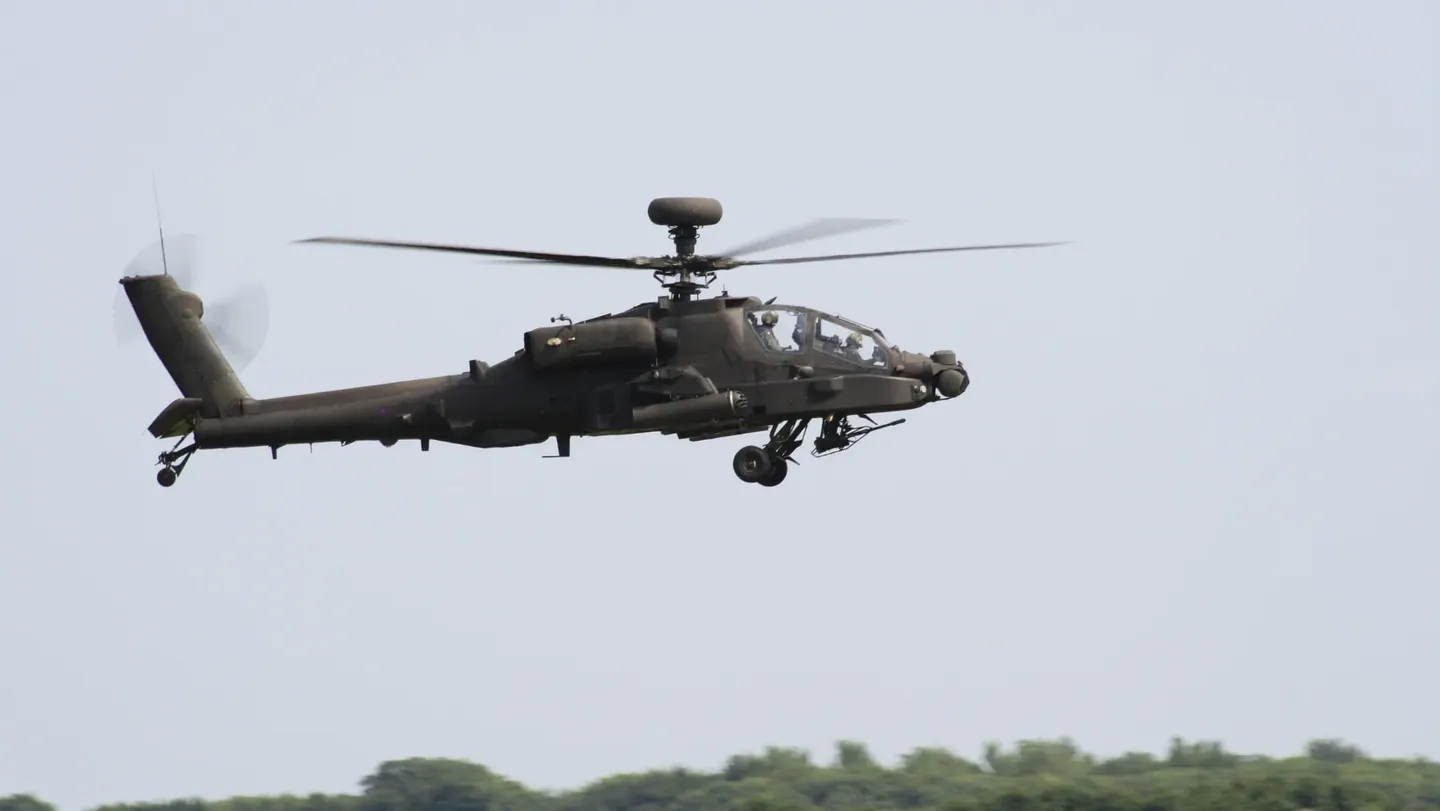
AI-Enabled Drone Swarms Destroy Targets in Turkish Military Exercise
During the Ateş Serbest-2026 military exercise in Polatlı, Turkey, Baykar's AI-powered unmanned aerial vehicles and munitions—including autonomous drone swarms and AI-guided missiles—coordinated to identify and destroy targets. The exercise demonstrated the operational use of lethal autonomous AI systems, resulting in the destruction of designated targets.[AI generated]
AI principles:
Industries:
Affected stakeholders:
Harm types:
Autonomy level:
AI system task:
Why's our monitor labelling this an incident or hazard?
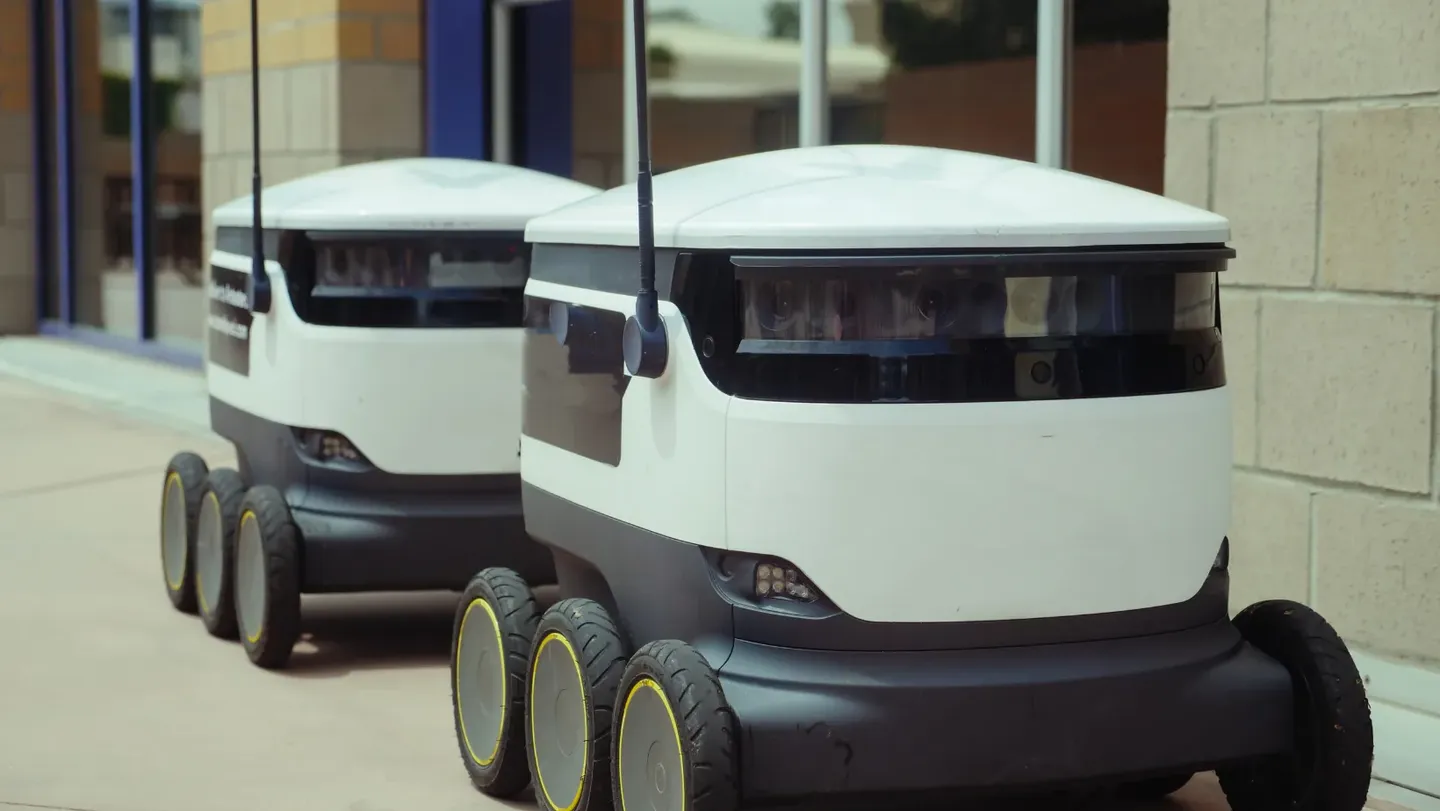
South Korea Tests AI-Enabled Drones and Robots in Military Exercises
The South Korean Army conducted large-scale exercises in Yangpyeong, deploying AI-powered drones, robots, and decision-support systems as part of its Army TIGER+ modernization project. These unmanned systems demonstrated autonomous reconnaissance, attack, and support roles, highlighting future battlefield tactics and the potential risks of AI-enabled military technologies.[AI generated]
AI principles:
Industries:
Autonomy level:
AI system task:
Why's our monitor labelling this an incident or hazard?
The event involves AI systems in military applications, specifically autonomous or AI-assisted drones and robots. However, there is no indication of any injury, violation of rights, disruption, or other harm caused by these AI systems at this stage. The article focuses on the development, testing, and future deployment plans, which could plausibly lead to harm in the future given the military context, but no harm has yet occurred. Therefore, this event qualifies as an AI Hazard because it plausibly could lead to harm (e.g., battlefield risks, misuse, escalation) but does not describe an actual incident.[AI generated]

AI-Generated Digital Personas Exploit Elderly Consumers in China
AI-generated digital personas, such as "AI Xiaohai," are being used on Chinese short video platforms to emotionally manipulate elderly users into purchasing overpriced goods. These AI-driven accounts simulate hardship narratives to gain sympathy and drive sales, resulting in financial and emotional harm to vulnerable consumers.[AI generated]
AI principles:
Industries:
Affected stakeholders:
Harm types:
Business function:
Autonomy level:
AI system task:
Why's our monitor labelling this an incident or hazard?
The article clearly identifies AI systems generating digital human personas used to deceive and emotionally manipulate elderly consumers into buying overpriced goods, constituting direct harm to these individuals (financial and emotional harm). The AI's role is pivotal as it automates the creation and dissemination of these deceptive narratives at scale, enabling widespread exploitation. This fits the definition of an AI Incident because the AI system's use has directly led to violations of consumer rights and harm to a vulnerable community. The presence of AI is explicit, the harm is realized, and the event involves misuse of AI for fraudulent commercial gain.[AI generated]

OpenAI Alerts Authorities to Violent Threats Against President Lula via ChatGPT
OpenAI reported to Brazil's Federal Police and electoral authorities that at least two ChatGPT users expressed violent threats and intentions to harm President Lula. The company shared chat logs and closed accounts, prompting potential criminal investigations. The AI system was directly used to articulate and document these threats.[AI generated]
AI principles:
Industries:
Affected stakeholders:
Harm types:
Autonomy level:
AI system task:
Why's our monitor labelling this an incident or hazard?
The AI system (ChatGPT) was explicitly used by the individual to plan and discuss violent acts, including assassination and mass violence, which are direct threats to human life and safety (harm to persons). The misuse of the AI system to facilitate these threats constitutes a violation of legal frameworks and human rights protections. OpenAI's intervention and notification to authorities confirm the seriousness of the incident. Given the direct involvement of the AI system in enabling these harmful communications and the realized threat (even if the attack has not yet occurred, the threat itself is a harm), this qualifies as an AI Incident rather than a hazard or complementary information.[AI generated]

Nigerian Opposition Alleges Planned AI Misuse in 2027 Elections
The Nigeria Democratic Congress (NDC) has accused the Independent National Electoral Commission (INEC) of planning to use artificial intelligence (AI) to rig the 2027 general elections in favor of the ruling All Progressives Congress (APC). The allegations center on potential misuse of AI, raising concerns about electoral integrity in Nigeria.[AI generated]
AI principles:
Industries:
Affected stakeholders:
Harm types:
Why's our monitor labelling this an incident or hazard?
The article centers on an allegation of planned misuse of AI to rig elections, which if true, would constitute a violation of rights and harm to communities. However, since this is an accusation without confirmation or evidence of actual AI use or harm, it represents a plausible future risk rather than a realized incident. Therefore, it fits the definition of an AI Hazard rather than an AI Incident or other category.[AI generated]

Caine Prize Winner Faces AI-Generated Story Allegations
Simbarashe Kundizeza, winner of the Caine Prize for African Literature, is under investigation after an AI detection tool suggested his award-winning story was AI-generated. Kundizeza denies the allegations, and the prize organizers are reviewing the case. The incident raises concerns about AI's role in literary authorship and prize integrity.[AI generated]
AI principles:
Industries:
Affected stakeholders:
Harm types:
Business function:
Autonomy level:
AI system task:
Why's our monitor labelling this an incident or hazard?
The article involves an AI system (text generation AI) allegedly used to produce a literary work submitted for a prize. The AI's use is under suspicion but not confirmed, and the investigation is ongoing. Since no confirmed harm or violation has been established yet, but there is a credible risk that AI-generated content could undermine authorship rights and trust in literature, this fits the definition of an AI Hazard rather than an AI Incident. The event is not a societal or governance response, nor is it unrelated or beneficial use.[AI generated]

AI Customer Service Failures Lead to Surge in Consumer Complaints in Hong Kong
In Hong Kong, consumer complaints about AI-powered customer service systems have sharply increased, with 158 cases reported in the first nine months of the year—a 143% rise. Issues include AI chatbots failing to resolve requests, providing misleading information, and lack of access to human agents, resulting in consumer frustration and unresolved disputes.[AI generated]
AI principles:
Industries:
Affected stakeholders:
Harm types:
Business function:
Autonomy level:
AI system task:
Why's our monitor labelling this an incident or hazard?
The event involves the use and malfunction of AI customer service systems that have directly led to consumer harm through misinformation, failure to provide adequate service, and inability to connect to human support. The increase in complaints and the described case demonstrate realized harm to consumers, including frustration and potential financial loss. Therefore, this qualifies as an AI Incident because the AI system's malfunction and use have directly caused harm to people (consumers). The article also discusses responses and recommendations, but the primary focus is on the realized harm caused by AI customer service failures.[AI generated]

AI-Generated Deepfake Videos Target Bangladeshi Celebrities, Causing Public Outcry
AI face-swap technology was used to create and circulate fake, humiliating videos of Bangladeshi actresses Mehazabien Chowdhury and Pori Moni, following a television channel's social media hack. The incident sparked widespread criticism, with Mehazabien condemning the misuse of AI for reputational harm and calling it a crime.[AI generated]
AI principles:
Industries:
Affected stakeholders:
Harm types:
Autonomy level:
AI system task:
Why's our monitor labelling this an incident or hazard?
The article explicitly mentions AI-generated fake videos created using face-swapping technology, which is an AI system. The misuse of this AI system has directly led to harm by humiliating individuals and spreading false content, which is a violation of personal rights and causes social harm. The event involves the use and misuse of AI systems to create fabricated content that has been circulated, causing reputational and emotional harm. Hence, it meets the criteria for an AI Incident as the AI system's use has directly led to harm to individuals and communities.[AI generated]

NYC Comptroller Urges Anthropic to Delay IPO Over AI Safety Risks
New York City Comptroller Mark Levine has urged AI company Anthropic to delay its planned IPO, citing concerns over the safety, security, and governance of its advanced AI models. Levine's letter highlights the need to address potential risks before increasing public investment exposure. No direct harm has occurred.[AI generated]
AI principles:
Industries:
Business function:
AI system task:
Why's our monitor labelling this an incident or hazard?
The article explicitly mentions AI systems (Anthropic's Claude chatbot and advanced AI models) and concerns about their potentially harmful capabilities. The comptroller's call to delay the IPO is motivated by safety and governance issues, indicating a credible risk that these AI systems could lead to harm if not properly managed. Since no actual incident of harm is reported, and the focus is on preventing or mitigating future risks, this qualifies as an AI Hazard. It is not Complementary Information because the main narrative is about the potential risk and regulatory concern, not a response to a past incident. It is not an AI Incident because no harm has occurred yet. It is not Beneficial Use or Unrelated.[AI generated]

AI-Generated Deepfake Video of Flávio Bolsonaro Shared by Nikolas Ferreira
Deputy Nikolas Ferreira published an AI-generated video depicting presidential candidate Flávio Bolsonaro engaging in violent and provocative acts, including firing weapons and wearing a presidential sash. The deepfake was widely circulated on social media, raising concerns about misinformation and reputational harm in Brazil's political sphere.[AI generated]
AI principles:
Industries:
Affected stakeholders:
Harm types:
Autonomy level:
AI system task:
Why's our monitor labelling this an incident or hazard?
The event involves an AI system used to create synthetic video content (deepfake) depicting a political figure in violent and provocative scenarios. This fits the definition of an AI system's use. While the video is fabricated and disseminated, the article does not report any direct harm such as injury, rights violations, or operational disruption caused by the video. The potential for harm exists, especially in terms of misinformation and reputational damage, but no realized harm is described. Therefore, this event is best classified as an AI Hazard, as the AI-generated content could plausibly lead to harm (e.g., social discord, misinformation effects) but no incident has yet materialized.[AI generated]

Brazilian AI Judicial Manipulation Case Sets Precedent in US Court
In Pará, Brazil, two lawyers were fined for inserting hidden commands in legal documents to manipulate the Galileu AI system used in judicial processes. This misuse led to sanctions and was later cited by a Connecticut judge in the US to address a similar AI manipulation attempt, highlighting international legal concerns over AI misuse in courts.[AI generated]
AI principles:
Industries:
Affected stakeholders:
Harm types:
Business function:
Autonomy level:
AI system task:
Why's our monitor labelling this an incident or hazard?
The event explicitly involves an AI system (Galileu) used by the judiciary to analyze legal petitions. The misuse of hidden AI commands in petitions to manipulate AI responses constitutes a direct misuse of AI technology. The detection and blocking of these commands by the AI system led to legal and professional consequences for the lawyers, which are harms under the framework (violation of legal and professional obligations). The involvement of AI is central and directly linked to the harm caused. The US judge's decision referencing the Brazilian case further confirms the significance of the AI system's role. Hence, this is an AI Incident.[AI generated]

Brazilian Lawmaker Sues Over AI-Generated Deepfake Video Simulating Assault
Brazilian federal deputy Erika Hilton filed a lawsuit against Meta and an Instagram user after an AI-generated video falsely depicted fellow deputy Nikolas Ferreira assaulting her. The video, posted with misogynistic language, caused reputational and moral harm. Hilton seeks content removal, identification of the poster, and R$20,000 in damages.[AI generated]
AI principles:
Industries:
Affected stakeholders:
Harm types:
Autonomy level:
AI system task:
Why's our monitor labelling this an incident or hazard?
The manipulated video was created using AI technology to simulate an assault, which is a direct misuse of AI leading to harm against a person, including potential psychological harm and violation of rights. The event describes actual harm caused by the AI-generated content, not just a potential risk. Therefore, it qualifies as an AI Incident under the framework, as the AI system's use directly led to harm involving discrimination, violence, and violation of rights.[AI generated]

Bank of England Warns of Systemic AI Cyber Risks to Financial Sector
Bank of England Deputy Governor Sarah Breeden warned that AI-enabled cyber attacks pose a systemic risk to global financial infrastructure. The BoE is urging banks to develop 'bare metal' recovery options and is surveying preparedness for quantum computing threats, highlighting the need for robust defenses against advanced AI-driven cyber threats.[AI generated]
AI principles:
Industries:
Affected stakeholders:
Harm types:
Business function:
AI system task:
Why's our monitor labelling this an incident or hazard?
The article discusses the plausible future risk of AI-enabled cyber attacks causing systemic disruption to financial infrastructure, which fits the definition of an AI Hazard. There is no indication that an AI Incident (actual harm) has occurred. The discussion is about risk management and preparedness, not about a realized event. Therefore, the event is best classified as an AI Hazard.[AI generated]

AI Misuse Raises Global Bioweapons Threat
Multiple reports highlight that AI systems, such as chatbots and generative models, have been used to obtain and organize sensitive information about dangerous pathogens and toxins, sometimes bypassing safety mechanisms. These incidents, investigated by authorities and experts, raise significant concerns about AI's role in facilitating biological weapons development and bioterrorism.[AI generated]
AI principles:
Industries:
Affected stakeholders:
Harm types:
Autonomy level:
AI system task:
Why's our monitor labelling this an incident or hazard?
The article explicitly describes AI systems (chatbots and generative AI) being used in attempts to develop or plan biological weapons, including documented cases of researchers circumventing AI safeguards to obtain dangerous information. These activities represent direct or indirect involvement of AI in events that pose harm to public health and safety, fitting the definition of an AI Incident. The harms include potential injury or harm to groups of people through bioterrorism and violations of biosecurity obligations. Although some uses are legitimate research, the article focuses on the misuse and risks, with concrete examples of AI-facilitated attempts. Therefore, the event is classified as an AI Incident rather than a hazard or complementary information.[AI generated]

UK Teacher Jailed for Creating and Sharing AI-Generated Sexualized Images of Pupils
Abusali Rahman, a former supply teacher in northwest England, was sentenced to six years in prison for creating and distributing AI-generated sexualized deepfake images of schoolgirls, as well as taking covert upskirt photos. Rahman exploited his position to access and misuse pupils' images, causing significant harm to minors.[AI generated]
AI principles:
Industries:
Affected stakeholders:
Harm types:
Autonomy level:
AI system task:
Why's our monitor labelling this an incident or hazard?
The event explicitly mentions the use of AI to create sexualised fake images of minors, which were then shared online, causing harm to the victims. The AI system's use is directly linked to violations of human rights and significant psychological harm to children, fulfilling the criteria for an AI Incident. The involvement of AI is not speculative but clearly stated, and the harm is realized, not potential. The event also involves other criminal acts, but the AI's role in generating harmful content is pivotal to the incident.[AI generated]
AI Deepfake Videos Used for Political Smear Campaign in Yunlin
AI-generated deepfake videos falsely implicating Yunlin County political candidate Liu Jianguo and several female politicians in inappropriate relationships have circulated widely online, causing significant reputational and emotional harm. Liu and others condemned the malicious use of AI for defamation and are considering legal action to protect affected individuals' rights.[AI generated]
AI principles:
Industries:
Affected stakeholders:
Harm types:
AI system task:
Why's our monitor labelling this an incident or hazard?
The article explicitly mentions AI-generated videos used to falsely implicate the candidate and women in inappropriate relationships, causing reputational damage and personal harm. This is a direct harm caused by the use of an AI system to create misleading content, fulfilling the criteria for an AI Incident under violations of rights and harm to communities. The harm is realized, not just potential, and involves the use of AI in a malicious manner.[AI generated]

Strategic Expansion of AI-Enabled Unmanned Systems by Taiwanese Firm
Taiwanese company 世紀民生 signed strategic cooperation agreements with U.S. defense firms IXI EW, SafeSky Systems USA, and Global Ordnance to expand AI-enabled unmanned vehicle and counter-drone technologies in Taiwan and Southeast Asia. The partnerships aim to accelerate deployment in defense, security, and disaster response, raising future AI-related risk concerns.[AI generated]
AI principles:
Industries:
Business function:
Autonomy level:
AI system task:
Why's our monitor labelling this an incident or hazard?
The article involves AI systems (AI-enabled unmanned vehicles and counter-drone systems) and their development and use in defense and security contexts. While these systems have potential for misuse or harm, the article only describes strategic cooperation and business expansion without any reported harm or malfunction. Therefore, it does not qualify as an AI Incident. Given the plausible future risks associated with AI-enabled autonomous systems in military and security domains, this event fits the definition of an AI Hazard rather than an Incident or Complementary Information. It is not unrelated or beneficial use, as the focus is on business development of AI systems with potential for harm.[AI generated]

AI-Based Cryptocurrency Fraud Scheme Leads to $10.5 Million Loss in Talesh
Twelve individuals in Talesh, Iran, were arrested for orchestrating a $10.5 million cryptocurrency fraud by falsely claiming to use AI for digital currency trading. Many victims were deceived into investing based on these AI claims, resulting in significant financial losses. Authorities are pursuing asset recovery and further investigation.[AI generated]
AI principles:
Industries:
Affected stakeholders:
Harm types:
Why's our monitor labelling this an incident or hazard?
The article explicitly states that the accused used claims of AI-based cryptocurrency trading to collect over 10 million dollars from victims, causing significant financial harm. The AI system's role is pivotal as it was used to deceive victims into trusting the scheme. The harm is realized and significant, involving economic damage and legal violations. Hence, this is an AI Incident, not merely a hazard or complementary information.[AI generated]

TSE President Alters AI Algorithm Restrictions, Favoring Flávio Bolsonaro in Election
TSE president Kassio Nunes Marques lifted restrictions on social media AI recommendation algorithms for profiles of candidates elected in the first round, benefiting Flávio Bolsonaro. This change allows algorithmic amplification of certain political content, undermining electoral fairness and equal access to information during Brazil's election.[AI generated]
AI principles:
Industries:
Affected stakeholders:
Harm types:
Business function:
Autonomy level:
AI system task:
Why's our monitor labelling this an incident or hazard?
The event explicitly involves AI systems in the form of social media recommendation algorithms. The decision to relax restrictions on these algorithms for certain political profiles directly leads to unequal amplification of political content, favoring some candidates and disadvantaging others. This unequal treatment impacts the fairness of the electoral process, which is a violation of fundamental rights protected by law. The AI system's role is pivotal in causing this harm, as the algorithmic recommendations determine the reach and visibility of political content. The harm is realized and ongoing during the election period, not merely potential. Hence, this event meets the criteria for an AI Incident due to violation of rights caused by the use and regulatory manipulation of AI systems.[AI generated]

OpenAI and Google AI Image Generators Bypassed to Produce Harmful Explicit Content
AI safety firm White Circle found that image generators from OpenAI and Google, including DALL-E 3 and Nano Banana 2, can be tricked into producing prohibited explicit content in about 13% of tests. The vulnerability enables the creation and spread of harmful non-consensual and illegal imagery, highlighting serious safety failures.[AI generated]
AI principles:
Industries:
Affected stakeholders:
Harm types:
Business function:
Autonomy level:
AI system task:
Why's our monitor labelling this an incident or hazard?
The event involves AI systems (text-to-image models) whose malfunction or inadequate safety guardrails have directly led to the generation and spread of harmful explicit content, including non-consensual intimate images and CSAM. This constitutes a violation of human rights and harm to communities, fulfilling the criteria for an AI Incident. The article documents realized harm, not just potential harm, and discusses the direct role of AI system vulnerabilities in enabling this harm. Therefore, the event is classified as an AI Incident.[AI generated]