


The article discusses the plausible future environmental harms caused by the development and use of AI systems, specifically through the increased resource consumption of data centers supporting AI workloads. Although no direct harm has yet occurred, the projected doubling of power and water consumption and associated environmental impacts constitute a credible risk of harm. Therefore, this event qualifies as an AI Hazard because it describes a plausible future harm linked to AI system deployment and infrastructure expansion, but no actual incident of harm has yet materialized.[AI generated]

AIM: AI Incidents and Hazards Monitor
Automated monitor of incidents and hazards from public sources (Beta).
AI-related legislation is gaining traction, and effective policymaking needs evidence, foresight and international cooperation. The OECD AI Incidents and Hazards Monitor (AIM) documents AI incidents and hazards to help policymakers, AI practitioners, and all stakeholders worldwide gain valuable insights into the risks and harms of AI systems. Over time, AIM will help to show risk patterns and establish a collective understanding of AI incidents and hazards and their multifaceted nature, serving as an important tool for trustworthy AI. AI incidents seem to be getting more media attention lately, but they've actually gone down as a share of all AI news (see chart below!).
The information displayed in the AIM should not be reported as representing the official views of the OECD or of its member countries.
Advanced Search Options
As percentage of total AI events
Show summary statistics of AI incidents & hazards

UN Warns of AI's Looming Environmental Impact
A UN report warns that the rapid expansion of AI, especially data centers, could by 2030 consume 3% of global electricity and as much water as 1.3 billion people, with carbon emissions rivaling the UK. The UN urges transparency and sustainable practices to mitigate these environmental risks.[AI generated]
AI principles:
Industries:
Affected stakeholders:
Harm types:
Severity:
AI system task:
Why's our monitor labelling this an incident or hazard?
UK Lawmaker Sues xAI Over Grok-Generated Deepfake Images
UK Labour MP Jess Asato is suing Elon Musk's xAI, alleging its Grok AI system created non-consensual sexualised deepfake images of her. The case highlights harm caused by AI-generated content, raising questions about developer accountability and privacy rights. Regulatory probes into Grok are ongoing in several countries.[AI generated]
AI principles:
Industries:
Affected stakeholders:
Harm types:
Severity:
Autonomy level:
AI system task:
Why's our monitor labelling this an incident or hazard?
The Grok chatbot is an AI system capable of generating images, and it was used to create sexualized images of a politician without her consent, which is a violation of her rights and causes personal harm. The event involves the use of the AI system leading directly to harm (humiliation, violation, potential criminal material). The legal action focuses on the AI system's design enabling this harm. Hence, it meets the criteria for an AI Incident due to realized harm linked to the AI system's use.[AI generated]
-of-the-INRIA-(National-Institute-for-Research-i.jpeg?width=1200&height=800&crop=1200:800)
Researchers Demonstrate Adaptive AI-Powered Computer Worm Threat
Researchers from the University of Toronto, Vector Institute, and University of Cambridge have developed a proof-of-concept AI-driven computer worm using large language models. The worm autonomously adapts its attack strategies, posing a significant cybersecurity risk if deployed, though tests were limited to controlled environments with no real-world harm reported.[AI generated]
AI principles:
Industries:
Affected stakeholders:
Harm types:
Severity:
Autonomy level:
AI system task:
Why's our monitor labelling this an incident or hazard?
The event involves the use of AI systems (large language models) in the development and operation of autonomous computer worms that can self-replicate and adapt to exploit network vulnerabilities. The researchers' demonstration confirms the AI system's role in enabling a new type of cyberattack that could disrupt critical infrastructure and cause harm to property and communities. Although the study was conducted in a controlled lab setting, the plausible and credible risk of real-world deployment and resulting harm qualifies this as an AI Hazard. However, since the AI-driven worms have not yet caused actual harm outside the lab, it is not an AI Incident. The article primarily warns about the potential for harm and calls for preparedness, fitting the definition of an AI Hazard.[AI generated]

UN Report Warns of AI's Growing Environmental Footprint
A UN report highlights the rapid growth of AI technologies like ChatGPT and warns of their escalating environmental impact, including increased energy, water, and resource consumption. Experts urge attention to the ecological footprint and call for governance measures to address potential future harm from AI's widespread adoption.[AI generated]
AI principles:
Industries:
Affected stakeholders:
Harm types:
Severity:
Autonomy level:
AI system task:
Why's our monitor labelling this an incident or hazard?
The article clearly involves AI systems, such as ChatGPT and AI-powered cloud infrastructure, and discusses their resource consumption and environmental impact. However, it does not describe any actual harm or incident that has occurred due to AI use or malfunction. Instead, it focuses on the potential for significant ecological harm in the future if current trends continue unchecked. This fits the definition of an AI Hazard, as the development and widespread use of AI systems could plausibly lead to environmental harm. The article also includes expert opinions and recommendations for governance, but these are part of the hazard context rather than complementary information about a specific incident or hazard event.[AI generated]

AI-Generated Deepfake Scam Impersonates Greek Celebrity Anna Vissi
Scammers used AI to create fake videos and voices impersonating Greek singer Anna Vissi, promising large cash prizes to fans on TikTok. Victims were contacted via WhatsApp by a fake manager and tricked into sharing personal and banking information, resulting in financial harm. The incident occurred in Greece.[AI generated]
AI principles:
Industries:
Affected stakeholders:
Harm types:
Severity:
Autonomy level:
AI system task:
Why's our monitor labelling this an incident or hazard?
The use of AI to create fake videos and voice impersonations directly leads to harm by enabling a scam that deceives people and attempts to steal their personal information. This constitutes a violation of rights and harm to individuals, fitting the definition of an AI Incident because the AI system's use is central to the harm occurring. The harm is realized, not just potential, as victims are targeted and deceived.[AI generated]
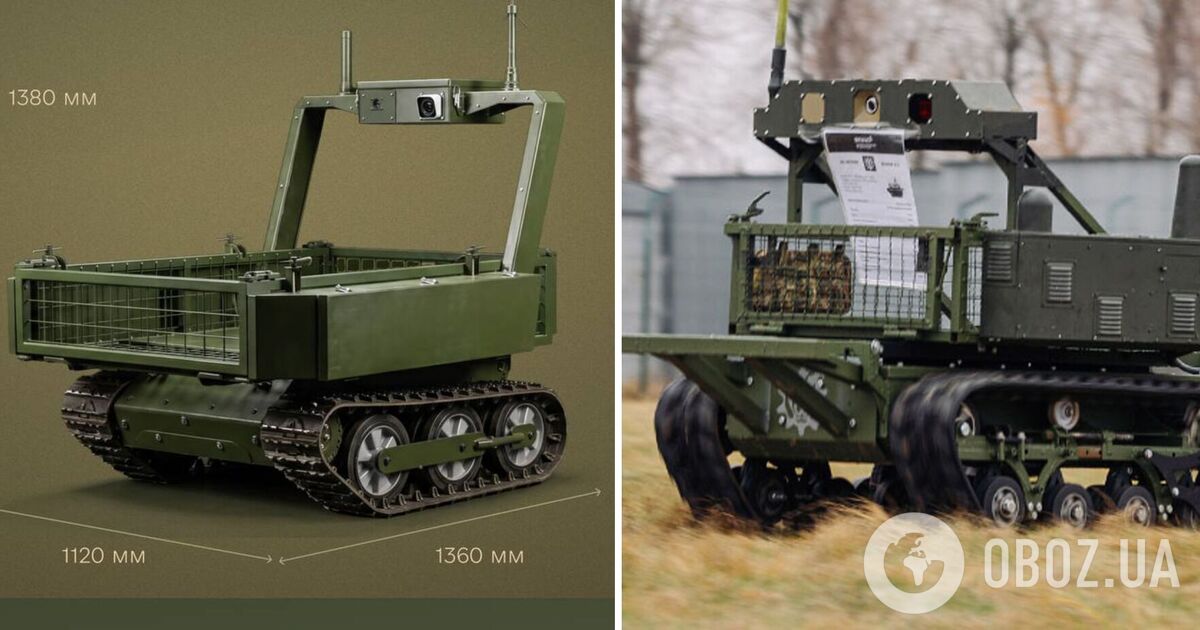
Ukrainian Military Deploys Vepr AI-Powered Robotic Medevac
Ukraine's Ministry of Defense has approved the domestically produced Vepr robotic medevac for combat use. The AI-enabled platform can autonomously evacuate two wounded soldiers, transport 350 kg of cargo, and perform various combat support tasks, enhancing frontline medical and logistical operations. No harm or malfunction has been reported.[AI generated]
Industries:
Severity:
Autonomy level:
AI system task:
Why's our monitor labelling this an incident or hazard?
The Vepr robot is an AI-enabled system performing autonomous or semi-autonomous tasks in a combat environment, including medical evacuation and combat support. Its deployment and use have a direct impact on human health and safety by evacuating wounded soldiers and supporting military operations. Since the robot's use directly leads to harm prevention and life-saving, and it operates in a high-risk environment, this qualifies as an AI Incident due to the direct involvement of an AI system in affecting human health and safety in combat.[AI generated]

Lockheed Martin's AI-Enabled System Downs Attack Drone in Live-Fire Test
Lockheed Martin demonstrated its AI-enabled Sanctum counter-UAS system by successfully detecting, tracking, and neutralizing a Group 3 attack drone using Fortem R-40 radars, Sanctum battle management software, and a GRIZZLY containerized launcher with a JAGM missile at Yuma Proving Ground, Arizona. The AI system directly enabled the destruction of the drone.[AI generated]
AI principles:
Industries:
Severity:
Autonomy level:
AI system task:
Why's our monitor labelling this an incident or hazard?
The Sanctum C-UAS system includes AI components such as battle management software that processes sensor data to detect, track, and engage drones autonomously or semi-autonomously. The event reports a successful interception of a hostile drone, indicating realized use of AI in a defense operation. Although no harm is reported, the system's use in military applications involving lethal force and autonomous targeting qualifies as an AI Incident due to the direct involvement of AI in potentially harmful military actions. The event is not merely a product announcement but a demonstration of AI-enabled lethal capability with direct implications for harm potential in conflict scenarios.[AI generated]

Police Deploy Live Facial Recognition at Appleby Horse Fair
Cumbria Police will deploy live AI facial recognition technology for the first time at the Appleby Horse Fair in the UK, aiming to identify wanted individuals among the large Gypsy, Roma, and Traveller community. The move raises concerns about potential privacy and human rights violations, though no direct harm has been reported yet.[AI generated]
AI principles:
Industries:
Affected stakeholders:
Harm types:
Severity:
Business function:
Autonomy level:
AI system task:
Why's our monitor labelling this an incident or hazard?
The article explicitly mentions the use of an AI system (live facial recognition) by police to identify individuals at a public event. The system's use is intended to detect alleged criminals, which involves AI system use. However, the article does not describe any actual harm or incident resulting from this deployment, such as wrongful identification, privacy breaches, or other violations. Civil rights groups' concerns about privacy breaches indicate plausible future harm. Since no harm has yet materialized but the AI system's use could plausibly lead to violations of rights or other harms, this event fits the definition of an AI Hazard rather than an AI Incident or Complementary Information.[AI generated]
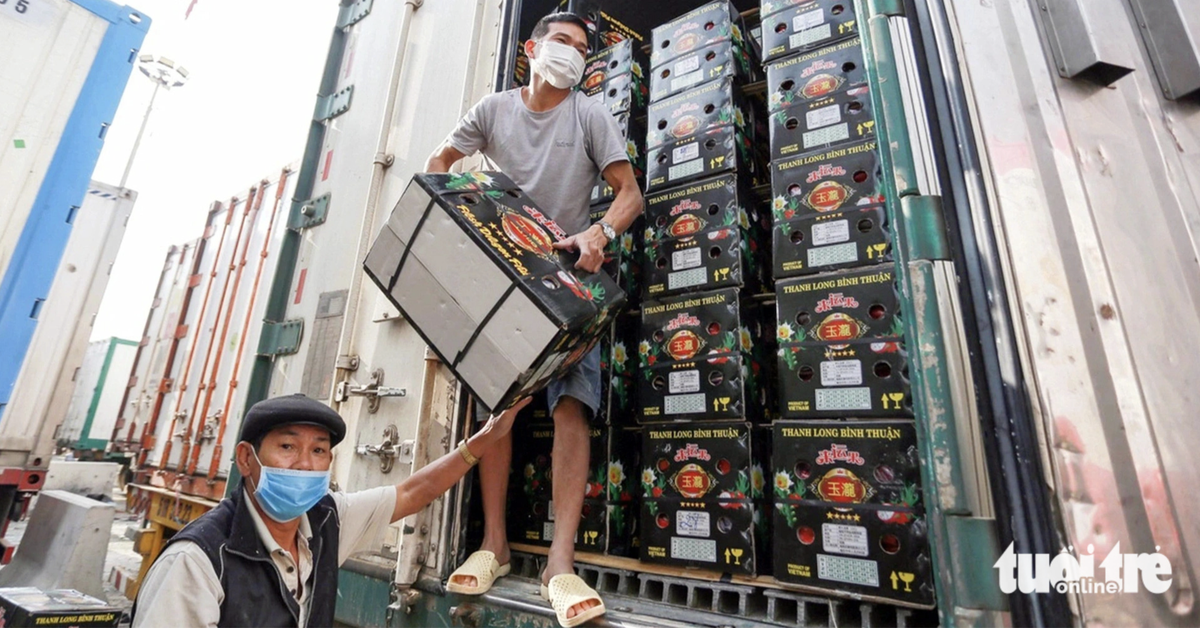
AI-Enabled Fraud Targets Vietnamese Individuals and Businesses
Fraudsters in Vietnam are increasingly using AI-generated images, voices, emails, and fake digital identities to impersonate individuals and businesses, leading to financial losses. These sophisticated scams exploit popular platforms like Zalo and target both individuals and export companies, making detection and prevention more challenging.[AI generated]
AI principles:
Industries:
Affected stakeholders:
Harm types:
Severity:
Autonomy level:
AI system task:
Why's our monitor labelling this an incident or hazard?
The article explicitly mentions AI-generated emails, fake digital identities, and synthetic media used by fraudsters to deceive businesses, causing direct financial harm. The AI systems' use in creating convincing fake documents and communications is central to the fraud incidents described. The harm is realized (financial losses, delayed payments, and damage to business operations), meeting the criteria for an AI Incident. The article also discusses mitigation and prevention measures but the primary focus is on the actual harm caused by AI-enabled fraud, not just potential or complementary information.[AI generated]

Uber Partners with AI Firms for Robotaxi Expansion Amid Cost Controls
Uber is partnering with AI companies like Autobrains and Nuro to deploy large-scale autonomous taxi fleets in Germany and the US, using advanced AI driving systems. While no incidents have occurred, the planned deployment of these AI systems poses potential future risks. Uber is also tightening internal AI usage budgets due to high costs.[AI generated]
AI principles:
Industries:
Affected stakeholders:
Harm types:
Severity:
Business function:
Autonomy level:
AI system task:
Why's our monitor labelling this an incident or hazard?
The article explicitly discusses AI systems (Autobrains' autonomous driving software, Nvidia's AI computing platform) and their intended use in Robotaxi services. However, it focuses on the announcement and plans for deployment rather than any harm or malfunction. There is no indication of injury, rights violations, or operational disruption caused by these AI systems at this stage. The event plausibly could lead to AI-related incidents in the future (e.g., accidents, operational failures), but currently it is a planned deployment and strategic partnership. Hence, it fits the definition of an AI Hazard, as the AI system's use could plausibly lead to harm, but no harm has yet occurred.[AI generated]

Taiwan Unveils AI-Powered Military Robot Dogs for Reconnaissance and Fire Support
Taiwan's National Chung-Shan Institute of Science and Technology (NCSIST) showcased three AI-enabled military robot dogs capable of autonomous patrol, reconnaissance, and remote-controlled firepower. Developed on Ghost Robotics platforms, these robots are intended for frontline and high-risk military tasks, raising concerns about future risks of AI-driven harm in conflict scenarios.[AI generated]
AI principles:
Industries:
Affected stakeholders:
Harm types:
Severity:
Business function:
Autonomy level:
AI system task:
Why's our monitor labelling this an incident or hazard?
The event involves AI systems (autonomous quadruped robots with AI for navigation and reconnaissance) developed and demonstrated for military use. While no harm or incident is reported, the deployment of such AI-enabled military robots carries credible risks of future harm, including injury, disruption, or violations of rights in conflict contexts. Therefore, this event fits the definition of an AI Hazard, as it plausibly could lead to AI Incidents in the future. It is not an AI Incident because no harm has yet occurred, nor is it merely Complementary Information or Unrelated, since the focus is on the AI system's development and potential military impact.[AI generated]
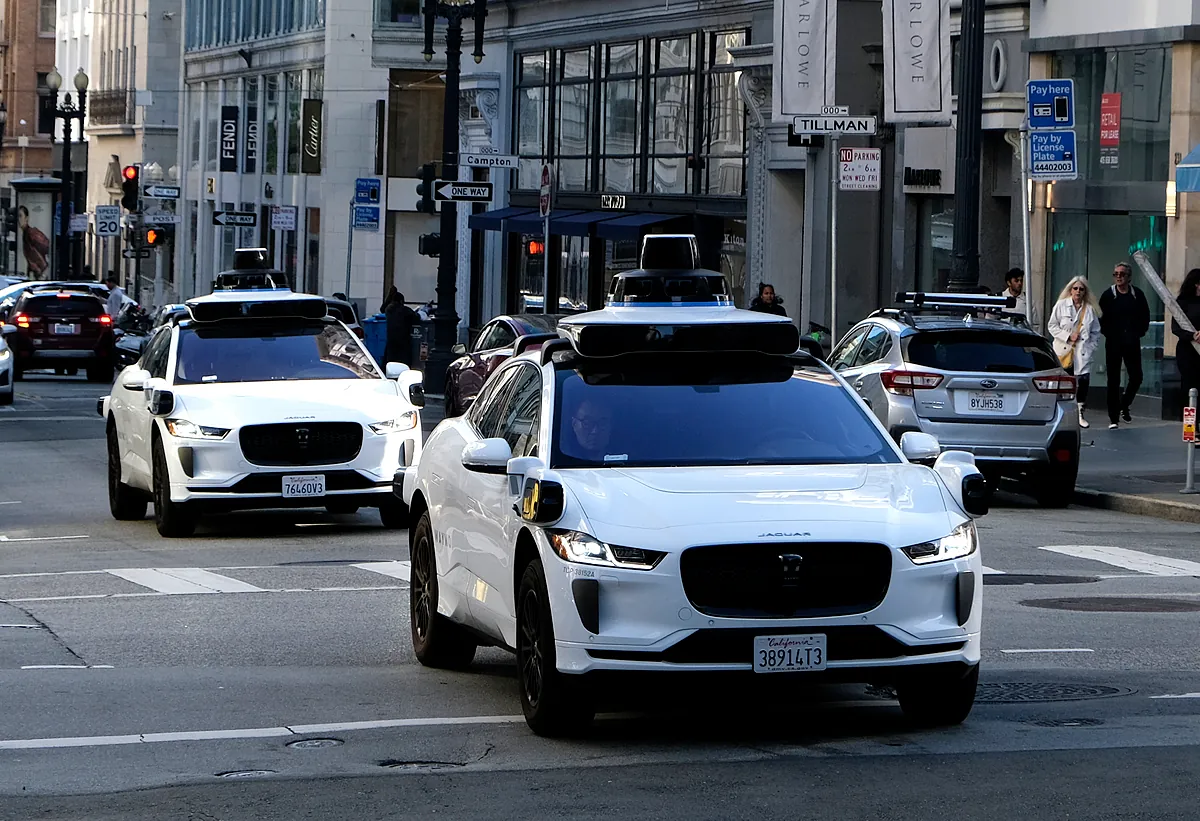
Planned Launch of Autonomous Robotaxi Services in Munich and Madrid
Uber, WeRide, Autobrains, and AVOMO plan to launch pilot robotaxi services using AI-driven autonomous vehicles in Munich and Madrid. Initial deployments will include safety operators, with gradual expansion toward full autonomy. No incidents have occurred yet, but the projects present potential future AI-related risks.[AI generated]
AI principles:
Industries:
Severity:
Autonomy level:
AI system task:
Why's our monitor labelling this an incident or hazard?
The article explicitly mentions autonomous taxis, which rely on AI systems for navigation and control. Since the pilot is planned but not yet operational, no harm has occurred yet. However, autonomous vehicles have inherent risks that could plausibly lead to incidents involving injury or disruption. Thus, this event qualifies as an AI Hazard rather than an AI Incident or Complementary Information.[AI generated]
Amazon Sued Over Ring Doorbell's AI Facial Recognition and Privacy Violations
Amazon faces a proposed class-action lawsuit in the US after its Ring doorbell's AI-powered 'Familiar Faces' feature allegedly collected and stored facial recognition data of passersby without their consent. The lawsuit claims this unauthorized data collection violates privacy rights and biometric laws, affecting millions of individuals.[AI generated]
AI principles:
Industries:
Affected stakeholders:
Harm types:
Severity:
Autonomy level:
AI system task:
Why's our monitor labelling this an incident or hazard?
The facial recognition feature is an AI system that identifies and remembers people by analyzing images. The lawsuit alleges that this system collected and stored facial images without consent, violating privacy rights and causing harm to individuals. This is a direct harm linked to the AI system's use, fulfilling the criteria for an AI Incident under violations of human rights and privacy. The presence of the AI system, the direct use leading to harm, and the legal action confirm this classification.[AI generated]

Chinese Military-Affiliated Institutions Seek Advanced Nvidia AI Chips Despite Export Controls
Multiple Chinese military and defense-linked universities have sought to acquire or rent advanced Nvidia AI chips, including the H200, for potential military applications. Despite U.S. export restrictions and blacklisting, procurement efforts continue, raising concerns about the use of these AI systems in military research and national security threats. No direct harm reported yet.[AI generated]
AI principles:
Industries:
Affected stakeholders:
Harm types:
Severity:
Why's our monitor labelling this an incident or hazard?
The report details ongoing efforts by the Chinese military and related institutions to acquire advanced AI chips from Nvidia, which are explicitly AI systems. The potential use of these chips in military applications could plausibly lead to harms such as disruption of critical infrastructure or threats to national security. Although no direct harm or incident is reported, the credible risk of future harm from these AI systems' use in military contexts justifies classification as an AI Hazard rather than an AI Incident. The event is not merely general AI news or complementary information, as it involves a credible risk of harm linked to AI system use.[AI generated]

AI-Enabled Sea Drone Swarms and Robotic Vehicles Deployed in Ukraine's Defense
Ukrainian defense units, supported by startups like BlueShadow, are deploying AI-powered autonomous sea drone swarms and robotic vehicles to protect against Russian attacks, particularly near Odesa. These AI systems, armed with missiles and interceptor drones, are part of a broader effort to enhance military capabilities using advanced autonomous technologies.[AI generated]
AI principles:
Industries:
Affected stakeholders:
Harm types:
Severity:
Business function:
Autonomy level:
AI system task:
Why's our monitor labelling this an incident or hazard?
The article explicitly mentions autonomous naval vessels controlled as swarms, armed with missiles and interceptor drones, and remote-controlled vehicles operating on the frontline. These are AI systems used in military defense, which by their nature involve harm to persons and property in warfare. The systems are already deployed or in development for deployment, indicating realized or imminent harm. Hence, this qualifies as an AI Incident due to the direct involvement of AI systems in causing or enabling harm in an armed conflict.[AI generated]

AI-Generated Fake Doctors Spread Harmful Health Misinformation Online
AI systems have been used to create realistic fake doctors who spread false medical advice and promote unproven remedies on social media platforms like TikTok and YouTube. These AI-generated personas have reached millions, misleading vulnerable audiences and facilitating the sale of potentially harmful products, posing significant risks to public health in Brazil.[AI generated]
AI principles:
Industries:
Affected stakeholders:
Harm types:
Severity:
Business function:
AI system task:
Why's our monitor labelling this an incident or hazard?
The article explicitly mentions the use of AI to generate fake medical personas and videos that spread false health information and promote unproven treatments, which have been viewed millions of times and have led to the sale of harmful products. The AI systems' use in creating these deceptive contents directly contributes to harm by misleading people about medical treatments, which can cause injury or harm to health (harm category a) and harm to communities (harm category d). The involvement of AI in the creation and dissemination of this disinformation is clear and central to the harm described. Hence, this event meets the criteria for an AI Incident.[AI generated]

Ex-Google X Executive Warns of Imminent Global Disruption from AI
Mo Gawdat, former Google X executive, warns that Artificial General Intelligence (AGI) could arrive by 2027, potentially causing massive job losses, economic instability, and social upheaval. He emphasizes the urgent need for society to prepare for the rapid and disruptive impact of advanced AI systems.[AI generated]
AI principles:
Industries:
Affected stakeholders:
Harm types:
Severity:
Why's our monitor labelling this an incident or hazard?
The article centers on a forecast and warning about the disruptive potential of AI, including job displacement and societal impacts, which have not yet materialized. It involves AI systems conceptually, particularly advanced AI and AGI, but no direct or indirect harm has occurred yet. Therefore, the event qualifies as an AI Hazard because it plausibly leads to significant harms in the future, such as economic and social disruption, but does not describe an actual incident or realized harm. It is not Complementary Information since it is not updating or responding to a past incident, nor is it unrelated as it clearly involves AI and its societal implications.[AI generated]

AI-Driven Automation Predicted to Cause Surge in UK Youth Unemployment
The British Chambers of Commerce warns that AI adoption, combined with tax policies, is expected to eliminate thousands of entry-level jobs in the UK, potentially increasing unemployment by 400,000 by 2028. Young workers are projected to be most affected, raising concerns about a "lost generation."[AI generated]
AI principles:
Industries:
Affected stakeholders:
Harm types:
Severity:
AI system task:
Why's our monitor labelling this an incident or hazard?
While AI is mentioned as a factor contributing to job losses, the article focuses on predicted economic and employment trends rather than a concrete event involving an AI system's malfunction, misuse, or direct causation of harm. The potential for AI to contribute to unemployment is a plausible future harm but remains speculative and part of broader economic factors. Therefore, this qualifies as an AI Hazard, reflecting a credible risk that AI-driven automation could lead to increased unemployment in the future, but no actual AI Incident has occurred as described.[AI generated]

Experts Warn of Risks from AI-Powered Toys for Children
Researchers and experts are raising concerns about AI-powered toys, such as chatbot teddy bears using generative AI like ChatGPT, which are marketed to young children. Potential risks include threats to children's privacy, neurodevelopment, and emotional wellbeing, as well as exposure to inappropriate content. No actual harm has been reported yet.[AI generated]
AI principles:
Industries:
Affected stakeholders:
Harm types:
Severity:
Autonomy level:
AI system task:
Why's our monitor labelling this an incident or hazard?
The article explicitly involves AI systems embedded in toys (generative AI engines like ChatGPT) used by children. It does not report a realized harm incident but focuses on the potential risks and harms that could plausibly arise from these AI toys' use, such as emotional manipulation, privacy breaches, and developmental harm. This fits the definition of an AI Hazard, as the development and use of these AI systems in toys could plausibly lead to AI Incidents involving harm to children's health, rights, and wellbeing. The article also discusses the need for safety-by-design and supervision, reinforcing the potential for future harm rather than describing an actual incident or complementary information about responses or governance.[AI generated]

Romanian Government Awards €196 Million Contract for AI Cybersecurity Platform
The Romanian government, through the intelligence agency SRI, has awarded Digi România a €196 million contract to develop a large language model (LLM) AI platform specialized in cybersecurity. Funded by European SAFE and PNRR programs, the dual-use system raises concerns about future risks but no harm has occurred yet.[AI generated]
AI principles:
Industries:
Affected stakeholders:
Harm types:
Severity:
Business function:
AI system task:
Why's our monitor labelling this an incident or hazard?
The article explicitly mentions the development of an AI system (a large language model platform) by Digi for the Romanian Intelligence Service, which is an AI system by definition. The event concerns the contract signing and planned development, with no current harm reported. The dual-use nature and involvement of intelligence services imply plausible future risks related to misuse or harm. Since no harm has yet occurred, and the event is about the potential for future harm, it fits the definition of an AI Hazard. It is not Complementary Information because it is not an update or response to a prior incident, nor is it unrelated since it involves AI system development with potential implications.[AI generated]